
Best Beach and Island Travel Places for Local Charm
Looking for beach and island destinations that offer more than just sun and sand? The best beach and island travel places for local charm combine natural beauty with authentic cultural experiences, quiet coves, and communities that welcome visitors without overwhelming them. These spots aren’t overrun with chain hotels or tourist traps—instead, they offer family-run guesthouses, regional cuisine, and traditions that remain intact. Whether you’re seeking a quiet stretch of coastline or a small island with a strong sense of place, these destinations deliver genuine local flavor alongside scenic views.
Why Local Charm Matters in Beach Travel
Mass tourism often strips destinations of their authenticity. Resorts and crowded beaches can feel generic, no matter how beautiful the setting. In contrast, places with strong local charm preserve their heritage, support small businesses, and offer travelers a deeper connection to the region.
Local charm means eating at a seaside taverna run by a fisherman’s family, learning traditional crafts from island artisans, or joining a village festival that hasn’t been staged for tourists. These experiences create lasting memories and support sustainable travel.
Signs of Authentic Local Charm
Authentic destinations often have a slower pace of life. You’ll notice fewer international brands and more local signage in the native language. Markets sell regional produce, and restaurants feature daily catches or seasonal dishes unique to the area.
Another sign is community involvement. Locals greet visitors warmly but aren’t overly commercialized. Public spaces like town squares or fishing docks remain active hubs for residents, not just photo opportunities.
Top Beach Destinations with Local Charm
Algarve, Portugal – Sagres Peninsula
The southwestern tip of Portugal’s Algarve region offers dramatic cliffs, hidden coves, and a strong maritime culture. Sagres remains refreshingly unspoiled compared to busier areas like Albufeira. Family-owned guesthouses dot the coastline, and local fishermen still launch their boats at dawn.
Visit the Mercado de Sagres for fresh seafood and regional cheeses. The nearby Fortaleza de Sagres provides historical context, while the surrounding coastline offers excellent hiking and snorkeling. The area’s charm lies in its quiet resilience—this is a place where tradition meets natural beauty.
Koh Lanta, Thailand – Longtail Boats and Lanna Culture
While Phuket and Koh Phi Phi draw crowds, Koh Lanta maintains a laid-back rhythm. This island in the Andaman Sea blends Thai, Chinese, and Muslim influences, reflected in its food, architecture, and festivals.
Longtail boats ferry visitors between quiet beaches like Kantiang Bay and Phra Ae. Local restaurants serve dishes like massaman curry and fresh mango sticky rice. The island’s community-based tourism initiatives help preserve its character and support residents.
Isle of Skye, Scotland – Rugged Coastlines and Gaelic Roots
The Isle of Skye offers dramatic landscapes—sea cliffs, fairy pools, and misty moors—but its true charm lies in its Gaelic heritage. Small villages like Portree and Dunvegan retain strong local identities, with Gaelic still spoken in some areas.
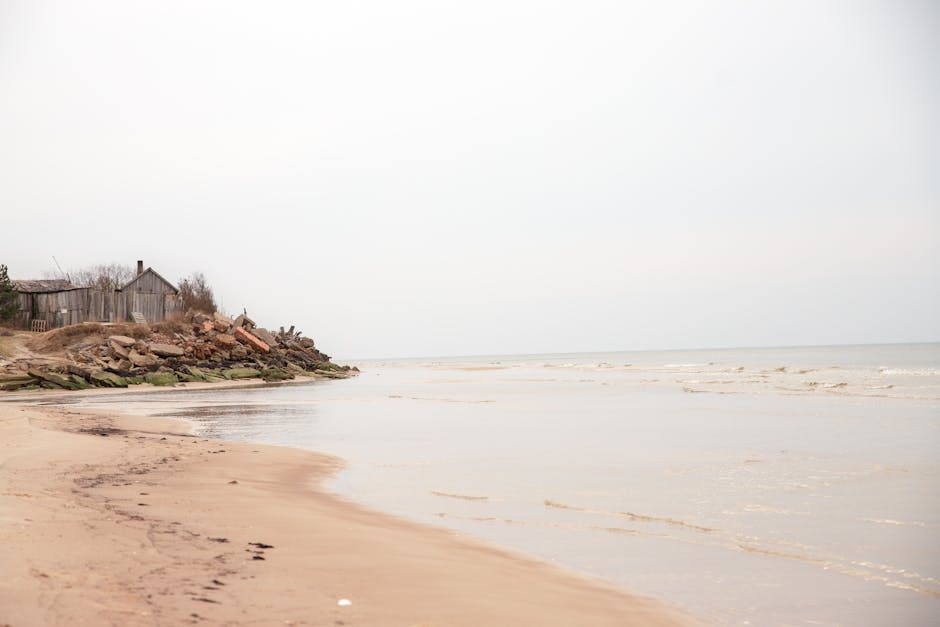
Stay in a croft-style cottage or a family-run B&B. Visit local distilleries, listen to traditional music in village pubs, and explore ancient ruins with stories passed down through generations. The island’s isolation has helped preserve its culture.
Caye Caulker, Belize – Caribbean Simplicity
Just off the coast of Belize, Caye Caulker is a car-free island where the motto is “Go Slow.” Unlike the more developed Ambergris Caye, it retains a relaxed, bohemian vibe. Colorful wooden homes line sandy streets, and locals greet visitors with a smile.
Snorkel the Belize Barrier Reef, eat grilled lobster at a beachfront shack, or take a boat tour to see manatees. The island’s small population ensures a personal touch—many businesses are owned and operated by Belizeans.
Kochi Beaches, India – Backwaters and Spice Coast
Kochi, in Kerala, offers a unique blend of beach and backwater experiences. Fort Kochi’s shoreline features Chinese fishing nets, colonial architecture, and a vibrant arts scene. The nearby islands of Vypeen and Willingdon offer quieter stretches of sand.
Local life centers around fishing, spice trading, and Kathakali performances. Eat at small cafes serving appam with stew or seafood curry. The area’s multicultural history—Portuguese, Dutch, British, and Arab influences—adds depth to its charm.
Hidden Island Gems Off the Beaten Path
Koh Rong Samloem, Cambodia – Quiet Shores and Bioluminescent Waters
While Koh Rong draws party crowds, its quieter neighbor, Koh Rong Samloem, offers secluded beaches and a stronger local presence. The island has no roads, limited electricity, and a small community of fishermen and eco-lodge owners.
Walk barefoot along Saracen Bay at night to see bioluminescent plankton light up the waves. Stay in a bungalow run by a Cambodian family and learn about sustainable fishing practices. The island’s simplicity is its strength.
Isla de Margarita, Venezuela – Caribbean Culture and Craftsmanship
Despite political challenges, Isla de Margarita remains a cultural treasure. The island blends Indigenous, African, and Spanish influences, visible in its music, food, and crafts. Local artisans produce intricate hammocks and pottery.
Playa El Agua offers a long stretch of sand with beachfront palapas. Visit the town of Porlamar for markets selling handmade goods and fresh ceviche. The island’s resilience and pride in its heritage make it a compelling destination.
Koh Jum, Malaysia – Slow-Paced Island Life
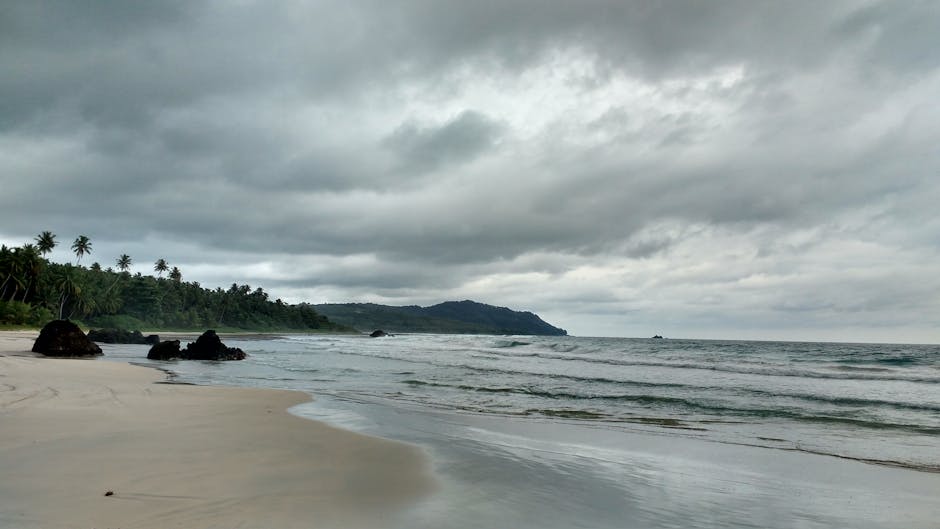
Located between Langkawi and Penang, Koh Jum is a quiet alternative to Malaysia’s more famous islands. With no nightlife and limited development, it appeals to travelers seeking peace and authenticity.
The island is divided into two parts: the northern side has quiet beaches, while the southern side offers jungle trails and local villages. Stay in a homestay and join a cooking class to learn traditional Malay dishes. The pace is slow, and that’s the point.
Sanibel Island, Florida, USA – Shelling and Wildlife
Sanibel Island, off Florida’s Gulf Coast, is known for its shell-covered beaches and conservation efforts. Unlike nearby Fort Myers Beach, it has strict building codes that preserve its natural look and limit high-rises.
Local businesses dominate, from shell shops to seafood restaurants sourcing from nearby waters. The J.N. “Ding” Darling National Wildlife Refuge offers birdwatching and kayaking. The island’s charm lies in its commitment to nature and community.
How to Experience Local Charm Responsibly
Support Local Businesses
Choose accommodations owned by residents, eat at family-run restaurants, and buy souvenirs from local artisans. This ensures your spending benefits the community directly.
Avoid large tour operators that funnel profits outside the region. Instead, book guided walks or boat trips with local guides who can share personal stories and insights.
Respect Cultural Norms
Learn a few basic phrases in the local language. Dress modestly when visiting villages or religious sites. Ask before photographing people or private property.
Follow environmental guidelines—avoid single-use plastics, don’t touch coral reefs, and stay on marked trails. Responsible behavior helps preserve the charm that makes these places special.
Travel Off-Peak When Possible
Visiting during shoulder seasons reduces crowds and allows for more meaningful interactions. Locals are often more relaxed and available to share their culture when tourism isn’t at its peak.
Off-peak travel also supports year-round sustainability. Many small businesses rely on steady income, not just seasonal spikes.
What to Pack for a Charming Beach Getaway
Pack light, but include items that show respect for local culture. A reusable water bottle, reef-safe sunscreen, and a small daypack are essentials. Bring a lightweight scarf or sarong for covering up at temples or markets.
If you plan to participate in local activities—like fishing, cooking, or crafts—pack clothes that are comfortable and modest. Avoid flashy jewelry or expensive gear that might draw unwanted attention.
Don’t forget a journal or camera to document your experiences. But balance documentation with presence—some of the best moments happen when you’re not looking through a lens.
Common Mistakes to Avoid
One mistake is treating local charm as a checklist. Authenticity can’t be rushed or forced. Don’t expect every interaction to be picture-perfect or every meal to be gourmet.
Another pitfall is overplanning. Leave room for spontaneity—wandering a village, joining an impromptu music session, or simply sitting on a dock watching the sunset.
Avoid comparing destinations to social media images. Real charm often lies in imperfections: a slightly crooked sign, a dog sleeping in the road, or a meal served on a plastic plate. These details tell a truer story.
Final Thoughts
The best beach and island travel places for local charm aren’t always the most famous. They’re the ones where life moves at its own pace, where traditions are lived, not performed, and where visitors are welcomed as guests, not customers.
By choosing destinations that prioritize authenticity and sustainability, you support communities and preserve the very qualities that make travel meaningful. These places offer more than a tan—they offer connection, insight, and a deeper appreciation for the world’s diverse cultures.
FAQ
What makes a beach destination have local charm?
Local charm comes from authentic cultural experiences, community involvement, and preservation of traditions. Look for family-run businesses, regional cuisine, and active local life beyond tourist zones.
How can I find less crowded beach destinations with local character?
Research islands and coastal areas that aren’t heavily marketed to international tourists. Travel blogs, local tourism boards, and word-of-mouth recommendations often highlight hidden gems. Visiting during off-peak seasons also helps.
Is it safe to travel to remote islands with strong local cultures?
Most remote islands with local charm are safe for travelers who respect local customs and follow basic safety guidelines. Research your destination, register with your embassy if needed, and stay informed about local conditions.