
Best Food and Culinary Travel Places for Local Dishes
Food is one of the most authentic ways to experience a culture. The best food and culinary travel places offer more than just meals—they deliver stories, traditions, and flavors rooted in local history. Whether you’re sampling street food in Bangkok, savoring handmade pasta in Bologna, or enjoying slow-cooked stews in Marrakech, these destinations provide unforgettable culinary journeys. This guide highlights top locations where local dishes shine, offering practical insights for travelers who want to eat like locals and discover authentic flavors.
Why Culinary Travel Matters
Traveling for food goes beyond satisfying hunger. It connects you to a region’s heritage, agriculture, and daily life. Local dishes often reflect centuries of tradition, shaped by geography, climate, and cultural exchange. Eating where locals eat—whether at a bustling market stall or a family-run trattoria—offers a deeper, more meaningful travel experience.
Unlike tourist-oriented restaurants, authentic eateries prioritize flavor and tradition over presentation. They use regional ingredients, time-honored techniques, and recipes passed down through generations. For travelers, this means richer, more memorable meals that tell a story.
Top Destinations for Authentic Local Cuisine
1. Bangkok, Thailand – Street Food Capital
Bangkok is legendary for its vibrant street food scene. From pad Thai sizzling on a wok to creamy mango sticky rice, the city offers an endless array of affordable, flavorful dishes. Areas like Yaowarat (Chinatown) and Chatuchak Market are must-visits for food lovers.
Try som tam (spicy green papaya salad) from a vendor near Khao San Road or sample boat noodles in a clay pot at a local stall. Always look for busy spots—high turnover means fresher ingredients and better taste.
Tip: Eat where locals queue. A long line often signals quality and authenticity.
2. Bologna, Italy – The Heart of Italian Cuisine
Bologna, in the Emilia-Romagna region, is the birthplace of iconic dishes like tagliatelle al ragù (the original “Bolognese”), tortellini, and mortadella. Unlike tourist-heavy cities like Rome or Florence, Bologna retains a strong local food culture.
Visit Mercato di Mezzo for fresh pasta and cured meats, or dine at Osteria dell’Orsa, a no-frills spot loved by students and chefs alike. The city’s trattorias emphasize simplicity—high-quality ingredients prepared with care.
Warning: Avoid restaurants with menus in multiple languages and pictures of food. These often cater to tourists and compromise on authenticity.
3. Oaxaca, Mexico – A Mecca for Mexican Flavors
Oaxaca is renowned for its complex moles, tlayudas (crispy corn tortillas), and mezcal. The state’s seven distinct regions each contribute unique ingredients and techniques, making it a culinary treasure trove.
Explore Mercado 20 de Noviembre for grilled meats and chocolate-based mole negro. Don’t miss a visit to a local mezcaleria to taste artisanal spirits made from agave.
Takeaway: Oaxacan cuisine is deeply tied to indigenous traditions. Respect local customs, especially when visiting rural communities or participating in food tours.
4. Lyon, France – The Gastronomic Capital of France
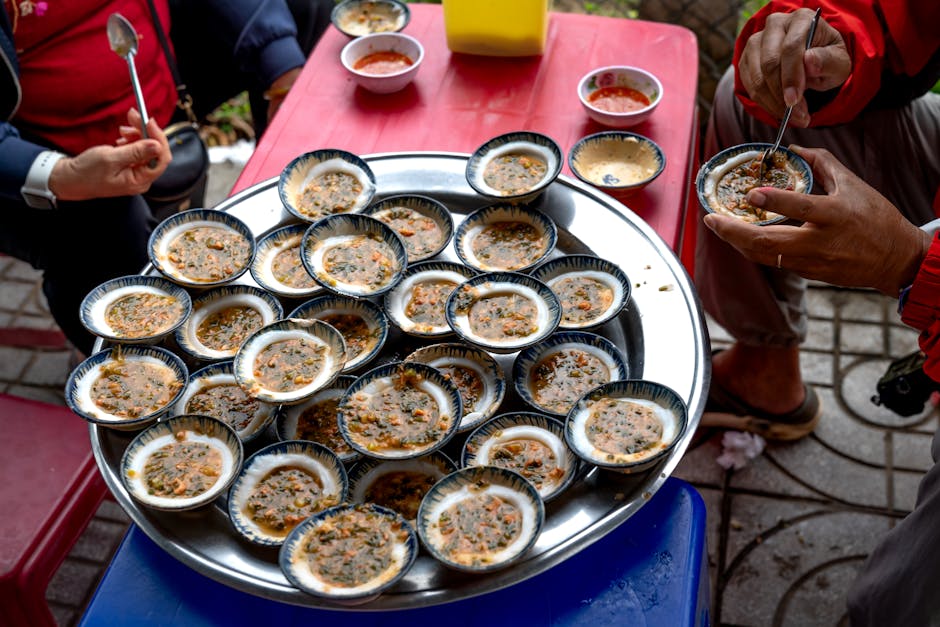
Known as the culinary heart of France, Lyon is home to bouchons—small, family-run restaurants serving traditional Lyonnaise dishes like quenelles (fish dumplings) and andouillette (sausage made from chitterlings).
Chef Paul Bocuse put Lyon on the global map, but the city’s true charm lies in its humble bistros. Try Le Musée for classic fare in a cozy setting.
Note: Reservations are essential, especially on weekends. Many bouchons close on Mondays and Tuesdays.
5. Tokyo, Japan – Precision and Tradition on a Plate
Tokyo offers one of the world’s most diverse and refined food scenes. From Michelin-starred sushi bars to humble ramen shops, the city excels in both technique and flavor.
Visit Tsukiji Outer Market for fresh seafood, or explore backstreets in Shinjuku for yakitori and soba. Convenience store onigiri (rice balls) are also surprisingly delicious and widely available.
Tip: Learn basic dining etiquette—say “itadakimasu” before eating and avoid sticking chopsticks upright in rice.
6. Marrakech, Morocco – Spices and Slow Cooking
Marrakech’s food culture centers on communal dining and bold spices. Tagines, couscous, and harira soup are staples, often cooked slowly over charcoal.
The Jemaa el-Fnaa square transforms at night into a food festival, with stalls serving grilled meats, fresh orange juice, and sweet mint tea. For a quieter experience, visit a local riad for a home-cooked meal.
Caution: Drink only bottled water and avoid raw vegetables unless you’re confident in the hygiene standards.
7. Istanbul, Turkey – A Crossroads of Flavors
Istanbul blends Ottoman, Middle Eastern, and Mediterranean influences. Dishes like kebabs, meze platters, and baklava reflect centuries of cultural exchange.
Explore the Spice Bazaar for saffron, sumac, and Turkish delight. Try balık ekmek (fish sandwiches) from a boat vendor along the Bosphorus.
Takeaway: Turkish breakfasts are elaborate and worth seeking out—think olives, cheeses, honey, and freshly baked bread.
8. Hanoi, Vietnam – Fresh, Balanced, and Flavorful
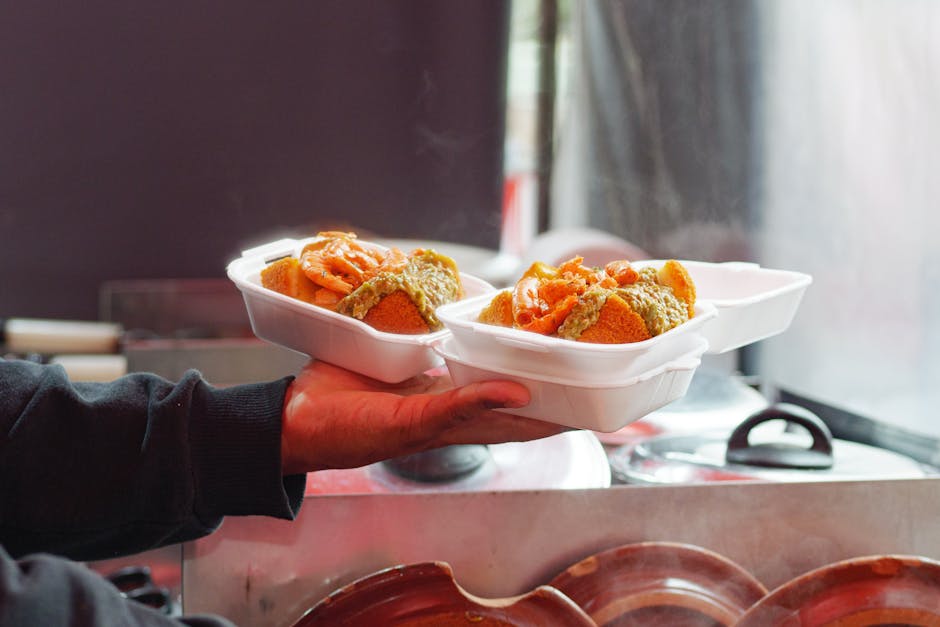
Hanoi is the epicenter of northern Vietnamese cuisine, known for its balance of sweet, sour, salty, and spicy flavors. Pho, bun cha (grilled pork with noodles), and banh mi are everyday staples.
Street food is safe and abundant—look for stalls with high turnover and clean preparation areas. A bowl of pho from a sidewalk vendor often beats a restaurant version.
Tip: Eat early. Many street vendors sell out by mid-morning.
9. Lisbon, Portugal – Seafood and Soul
Lisbon’s coastal location means fresh seafood is central to its cuisine. Grilled sardines, bacalhau (salted cod), and caldo verde (kale soup) are local favorites.
Alfama and Bairro Alto neighborhoods offer traditional tascas (taverns) with affordable, hearty meals. Pair your meal with a glass of vinho verde.
Note: Cod dishes vary widely—ask for “bacalhau à brás” for a classic preparation with eggs and potatoes.
10. Lima, Peru – A Fusion of Flavors
Lima is a rising star in global gastronomy, blending indigenous, Spanish, African, and Asian influences. Ceviche, lomo saltado, and anticuchos (beef heart skewers) are must-tries.
Visit Mercado de Surquillo for fresh seafood and tropical fruits. For a fine-dining experience, book ahead at Central or Maido, both ranked among the world’s best restaurants.
Warning: Ceviche is raw fish—only eat it at reputable places with high turnover to ensure freshness.
How to Find Authentic Local Eateries
Finding genuine local food requires a bit of strategy. Start by avoiding areas with heavy tourist traffic. Restaurants near major attractions often inflate prices and dilute flavors to appeal to international palates.
Instead, walk a few blocks away from the main squares. Look for places filled with locals, especially during lunch hours. Menus in the local language only are a good sign.
Use apps like Google Maps to check recent reviews from local users. Phrases like “favorite among locals” or “hidden gem” can be telling. Food blogs and regional tourism boards also offer reliable recommendations.
Tips for Eating Safely While Traveling
Food safety is crucial, especially in regions with different hygiene standards. Stick to freshly cooked, hot foods—heat kills most bacteria. Avoid raw or undercooked meats, unpasteurized dairy, and tap water in developing countries.
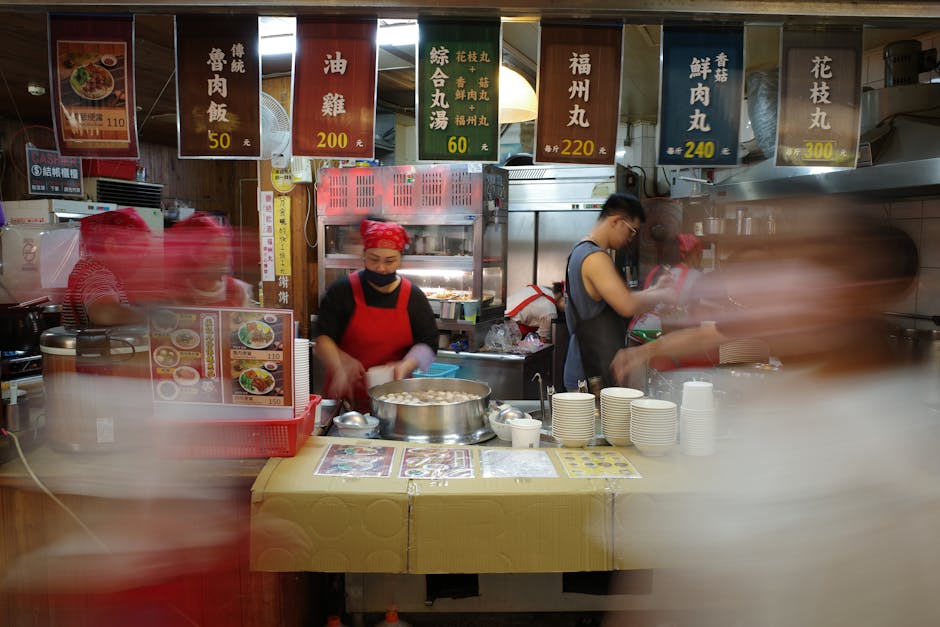
Wash hands frequently or use hand sanitizer before eating. Carry probiotics or digestive aids if you’re prone to stomach issues. When in doubt, choose busy stalls—high turnover reduces the risk of spoiled food.
Takeaway: A little caution goes a long way. Most foodborne illnesses are preventable with common sense and observation.
Making the Most of Your Culinary Journey
To deepen your food travel experience, consider joining a guided food tour. Local guides provide context, history, and access to spots you might miss on your own. Cooking classes are another excellent option—learn to make pasta in Italy or curry in Thailand.
Keep a food journal to record dishes, ingredients, and memories. Share your experiences on social media or with travel communities to inspire others.
Remember: the goal isn’t to eat at every famous restaurant, but to connect with the culture through its food. Slow down, ask questions, and savor each bite.
Final Thoughts
The best food and culinary travel places offer more than just great meals—they provide insight into a region’s soul. From the spice-laden alleys of Marrakech to the quiet trattorias of Bologna, every bite tells a story. By seeking out local dishes and eating where residents do, you’ll gain a richer, more authentic travel experience.
Plan your next trip with flavor in mind. Whether you’re a seasoned foodie or a curious traveler, these destinations promise unforgettable culinary adventures.
FAQ
What should I do if I have dietary restrictions while food traveling?
Research local dishes in advance and learn key phrases in the local language to explain your needs. Many cultures are accommodating—vegetarian, gluten-free, and allergy-friendly options exist, especially in urban areas. Carry translation cards or use apps to communicate dietary requirements clearly.
Is street food safe to eat in foreign countries?
Generally, yes—if you choose wisely. Opt for stalls with high customer turnover, visible cleanliness, and food served hot. Avoid raw items like salads or unpeeled fruits in areas with questionable water quality. When in doubt, follow the locals’ lead.
How can I avoid tourist traps when looking for local food?
Stay away from restaurants near major attractions with multilingual menus and photos of dishes. Instead, explore residential neighborhoods and look for places frequented by locals. Check recent reviews from local diners and ask hotel staff or residents for recommendations.