
Fresh Destination Guide to Athens for Ancient Sites
Athens is a living museum where ancient history meets modern vibrancy. If you’re planning a trip focused on exploring Greece’s most iconic archaeological treasures, this guide delivers a practical, up-to-date roadmap. From the Acropolis to lesser-known ruins tucked into quiet neighborhoods, we’ll walk you through must-see sites, optimal visiting times, ticketing tips, and how to avoid common tourist pitfalls. Whether you’re a first-time visitor or returning to dig deeper into Athenian antiquity, this guide ensures you experience the city’s ancient wonders with clarity and confidence.
Why Athens Remains the Ultimate Ancient Destination
Athens isn’t just the birthplace of democracy—it’s a layered archaeological site where every hill, street, and square tells a story. The city’s ancient core, centered around the Acropolis, has been continuously inhabited for over 3,000 years. Unlike many ancient cities preserved in isolation, Athens integrates its past into daily life. You can sip coffee in a neoclassical café beneath the shadow of the Parthenon or stumble upon a 5th-century BC inscription while walking to the metro.
What sets Athens apart is accessibility. Most major ancient sites are within walking distance of each other in Plaka, Monastiraki, and Thissio. Public transportation is efficient, and many ruins are free or low-cost to enter. The city also benefits from ongoing archaeological work, meaning new discoveries—like the recent unearthing of a Roman bathhouse beneath Monastiraki Square—are regularly integrated into public access.
Top Ancient Sites to Visit in Athens
The Acropolis and Parthenon
The Acropolis is non-negotiable. Perched on a limestone outcrop 150 meters above the city, this sacred citadel dominates Athens’ skyline. The Parthenon, its centerpiece, was built in the 5th century BC as a temple to Athena. Despite centuries of damage, its Doric columns and sculptural friezes remain awe-inspiring.
Visit early in the morning (8:00–9:30 AM) to avoid crowds and midday heat. The site opens at 8:00 AM, and arriving within the first hour means shorter lines and better lighting for photos. Wear sturdy shoes—the marble steps are slippery, especially when wet. Bring water, sunscreen, and a hat; shade is minimal.
Acropolis Museum
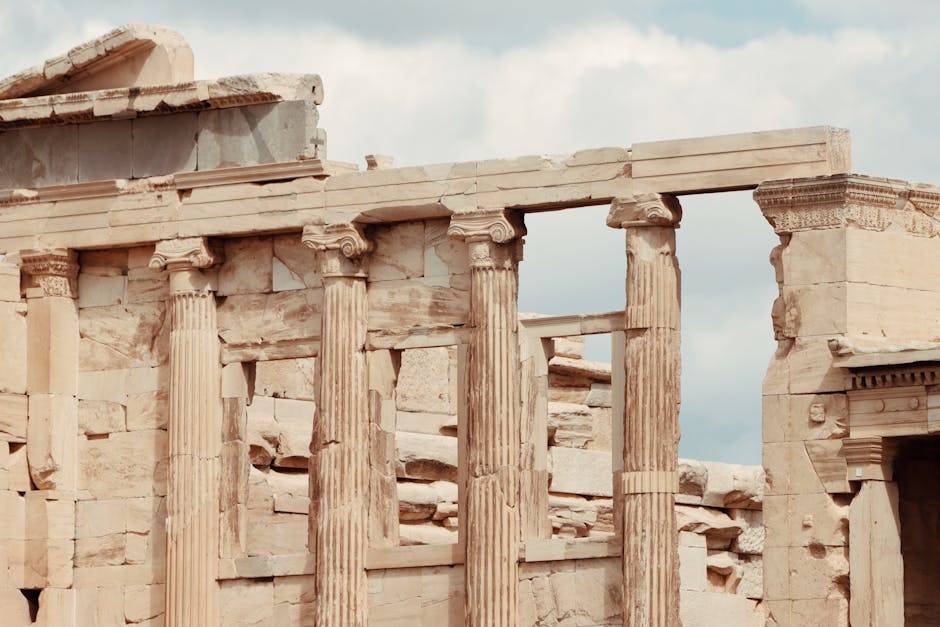
Just 300 meters from the Acropolis entrance, this modern museum houses artifacts excavated from the slopes of the sacred rock. Highlights include the Caryatids—six draped female figures that once supported the Erechtheion—and the Parthenon Gallery, where metopes and pedimental sculptures are displayed in alignment with their original positions.
The museum’s glass floor offers a glimpse into ongoing excavations beneath the building. Audio guides are available in multiple languages and provide context that enhances your visit to the actual site. Allow at least two hours here. Entry is included in the combined ticket (see below).
Ancient Agora
Once the heart of Athenian public life, the Agora was the marketplace, political hub, and social center of classical Athens. Here, Socrates debated philosophy, and the Stoa of Attalos—now fully reconstructed—served as a covered walkway for citizens.
The site spans 10 acres and includes ruins of temples, government buildings, and a restored colonnade housing a small museum. Visit in the late afternoon when the light softens and the site is quieter. Combine your visit with a stop at the nearby Temple of Hephaestus, one of the best-preserved ancient Greek temples still standing.
Roman Forum and Tower of the Winds
Built during the 1st century BC under Roman rule, the Roman Forum served as the administrative center of Roman Athens. Though smaller than its counterpart in Rome, it features a well-preserved central courtyard and the striking Tower of the Winds.
This octagonal marble tower functioned as a clock, weather vane, and water clock. Each of its eight sides corresponds to a wind deity and features a sundial. It’s located just a five-minute walk from Monastiraki metro station and is often overlooked by tourists—making it a peaceful spot for reflection.
Kerameikos Cemetery
For a quieter, more contemplative experience, visit Kerameikos—the ancient burial ground that marked the western edge of classical Athens. This UNESCO-recognized site contains elaborate grave markers, steles, and funerary sculptures that reveal beliefs about death and the afterlife.
The adjacent museum displays pottery, burial offerings, and inscriptions. It’s less crowded than other sites and offers shaded paths and benches. Ideal for history enthusiasts interested in daily life and ritual practices in antiquity.
How to Plan Your Ancient Athens Itinerary
Best Time to Visit Ancient Sites
Spring (April–June) and autumn (September–October) offer mild temperatures and fewer crowds. Summer (July–August) is hot, with midday temperatures often exceeding 35°C (95°F). Early mornings and late afternoons are the only comfortable times to explore outdoor ruins.
Winter (November–March) sees fewer tourists and lower prices, but some sites may have reduced hours. Rain is possible, so pack accordingly. The Acropolis remains open year-round, though strong winds can occasionally close it temporarily.
Combined Ticket for Maximum Value
Purchase the €30 combined ticket valid for five days. It includes entry to seven major sites: the Acropolis, Ancient Agora, Roman Forum, Kerameikos, Hadrian’s Library, Aristotle’s Lyceum, and the Temple of Olympian Zeus. Buying individual tickets would cost over €50.
The ticket is available at any participating site and can be bought online in advance. Printed copies are accepted, but mobile tickets are also valid. Note: the ticket does not include the Acropolis Museum, which requires a separate €10 entry (free for EU citizens under 25).
Suggested 2-Day Ancient Sites Itinerary
Day 1: Acropolis and Surroundings
Start at the Acropolis at 8:00 AM. Spend 2–3 hours exploring the Parthenon, Propylaea, and Erechtheion. Descend and visit the Acropolis Museum (allow 2 hours). After lunch in Plaka, walk to the Roman Forum and Tower of the Winds (30 minutes). End at the Temple of Olympian Zeus, a 10-minute stroll away.
Day 2: Agora and Hidden Gems
Begin at the Ancient Agora (opens at 8:00 AM). Explore the Stoa of Attalos and museum. Walk to Kerameikos (15 minutes) for a quieter, reflective experience. Return via Monastiraki for a coffee break. If time allows, visit Hadrian’s Library or Aristotle’s Lyceum, both included in the combined ticket.
Navigating Athens: Tips for Ancient Site Visitors
Getting Around the City
Athens has an efficient metro system with stations near all major ancient sites. Monastiraki, Acropoli, and Thisio are the most useful for tourists. Buy a 24-hour ticket (€4.50) for unlimited metro, bus, and tram rides. Taxis are affordable but can be slow during rush hour.
Walking is often faster and more enjoyable in the historic center. Distances between sites are short, and the cobblestone streets of Plaka and Anafiotika offer charming detours. Wear comfortable shoes—cobblestones and uneven paths are common.
What to Bring and Wear
Comfort is key. Wear breathable clothing, a wide-brimmed hat, and sunglasses. Carry a refillable water bottle—public fountains are available near major sites. A small backpack is useful for snacks, a guidebook, and a camera.
Avoid large bags, which may be subject to security checks. Tripods and professional photography equipment require permits. Drones are strictly prohibited over archaeological sites.
Safety and Etiquette
Athens is generally safe, but petty theft (pickpocketing, bag snatching) occurs in crowded areas like the metro and tourist hotspots. Keep valuables secure and avoid displaying expensive items. Be respectful at ancient sites: no climbing on ruins, littering, or loud behavior. Smoking is prohibited at all archaeological sites.
Photography is allowed for personal use, but flash and tripods may be restricted in museums. Always check posted signs.
Beyond the Ruins: Living History in Modern Athens
Athens’ ancient legacy isn’t confined to ruins. Many modern institutions draw directly from classical traditions. The National Archaeological Museum, for example, houses over 11,000 artifacts spanning prehistoric to late antiquity, including the gold mask of Agamemnon and the Antikythera mechanism.
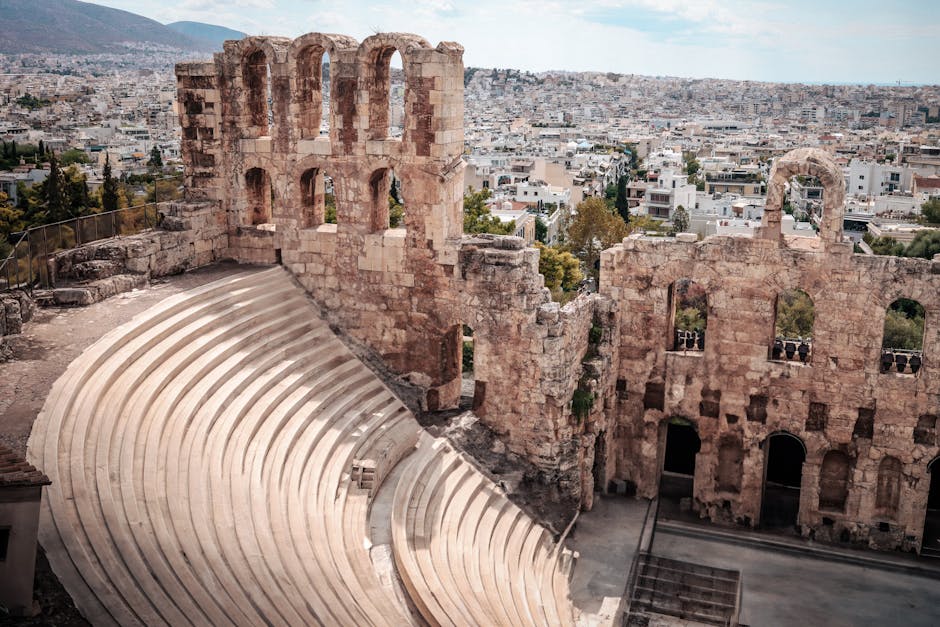
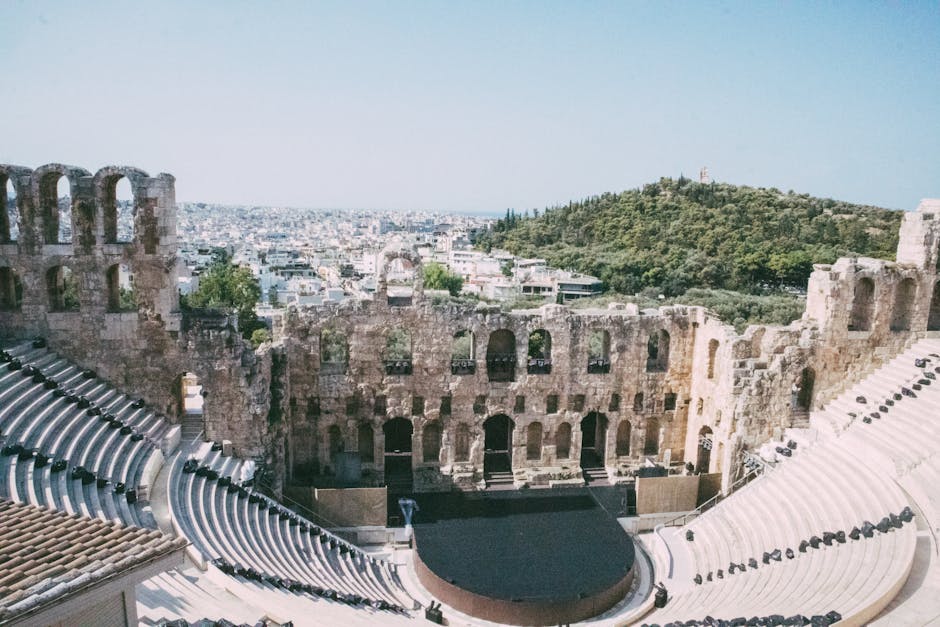
Local festivals like the Athens Epidaurus Festival (May–October) feature ancient Greek plays performed in original or reconstructed theaters. The Odeon of Herodes Atticus, nestled on the Acropolis’s southern slope, hosts concerts and performances with the Parthenon as a backdrop.
Even Athenian cuisine reflects ancient roots. Try trahanas (a fermented grain and milk soup) or retsina (wine flavored with pine resin), both with origins in antiquity. Many tavernas in Plaka and Psyrri serve dishes inspired by ancient recipes.
Common Mistakes to Avoid
Don’t try to see everything in one day. The Acropolis alone deserves a full morning. Rushing leads to fatigue and diminished appreciation. Prioritize 2–3 sites per day, with breaks for food and rest.
Avoid visiting the Acropolis at noon. The heat, crowds, and harsh sunlight make it uncomfortable and less enjoyable. Early mornings or late afternoons offer better conditions.
Don’t skip the smaller sites. While the Parthenon is iconic, places like Kerameikos and the Tower of the Winds offer unique insights and fewer crowds. They’re often included in the combined ticket, so you’re already paying for them.
Don’t rely solely on guidebooks. Check official websites (like the Hellenic Ministry of Culture) for updated hours, closures, or special exhibitions. Some sites may close unexpectedly for maintenance or events.
FAQ
Q: Is the Acropolis wheelchair accessible?
Partially. A new elevator and ramp system now provides access to the main entrance and some areas, but the terrain remains challenging. The Acropolis Museum is fully accessible. Contact the site in advance for assistance.
Q: Can I visit ancient sites for free?
Yes. EU citizens under 25 receive free entry to all state-run archaeological sites and museums. On the first Sunday of November–March, all sites are free for everyone. The Acropolis Museum is free every first Sunday of the month.
Q: Are guided tours worth it?
For first-time visitors, yes. Licensed guides provide context, historical insights, and access to restricted areas (like the Parthenon’s interior, which is normally closed). Group tours start around €30; private tours cost €100–€200. Book in advance during peak season.