
Detailed Destination Guide to Kyoto for Quiet Escapes
Kyoto, Japan’s former imperial capital, offers a rare blend of serene temples, hidden gardens, and tranquil neighborhoods perfect for travelers seeking peace away from the crowds. This detailed destination guide to Kyoto for quiet escapes highlights lesser-known spots, early-morning rituals, and off-the-beaten-path routes that deliver authentic calm. Whether you’re drawn to moss-covered shrines, silent bamboo groves, or riverside walks at dawn, Kyoto rewards those who slow down and explore with intention.
Why Kyoto Is Ideal for Quiet Travel
Unlike Tokyo’s constant motion or Osaka’s bustling streets, Kyoto thrives on stillness. With over 2,000 temples and shrines scattered across its hills and valleys, the city provides countless opportunities for reflection and solitude. Many visitors flock to iconic sites like Kinkaku-ji or Fushimi Inari, but true quiet lies just beyond the main paths—often within a 15-minute walk from crowded landmarks.
The city’s compact layout makes it easy to move between peaceful zones without long commutes. Public transport is efficient, and walking remains one of the best ways to discover tucked-away alleys and neighborhood shrines. Visiting during shoulder seasons—late autumn or early spring—reduces tourist density and enhances the sense of calm.
Best Times to Visit for Maximum Serenity
Timing is everything when seeking quiet in Kyoto. Arrive before 8 a.m. to experience major temples like Ryoan-ji or Ginkaku-ji with minimal crowds. Weekdays are consistently quieter than weekends, especially midweek. Avoid national holidays like Golden Week or Obon, when domestic tourism surges.
Early mornings in late November offer golden light filtering through maple leaves at lesser-visited gardens like Jojakko-ji. Winter, particularly January and February, brings crisp air and near-empty temple grounds—ideal for contemplative walks. Even during cherry blossom season, arriving at Philosopher’s Path by 6:30 a.m. lets you enjoy the blooms in near silence.
Seasonal Considerations
Spring and autumn are peak seasons for a reason—mild weather and stunning foliage. But they also draw the largest crowds. If solitude is your priority, consider late February or early December. Snow-dusted temples like Tenryu-ji take on a meditative quality, and few tourists brave the chill for early visits.
Summer brings humidity and rain, but also fewer international travelers. Early July, before the rainy season peaks, offers lush greenery and quiet temple courtyards. Just pack light rain gear and insect repellent.
Top Quiet Neighborhoods to Explore
Kyoto’s charm lies in its residential enclaves, where daily life unfolds at a slower pace. These neighborhoods offer authentic glimpses into traditional Japanese living, often without tour groups in sight.
Northern Higashiyama
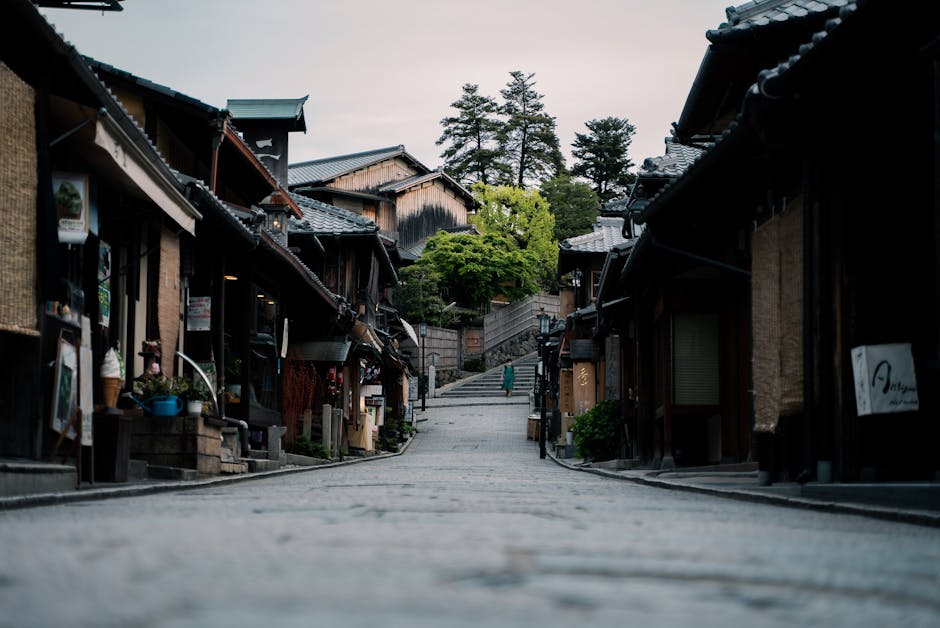
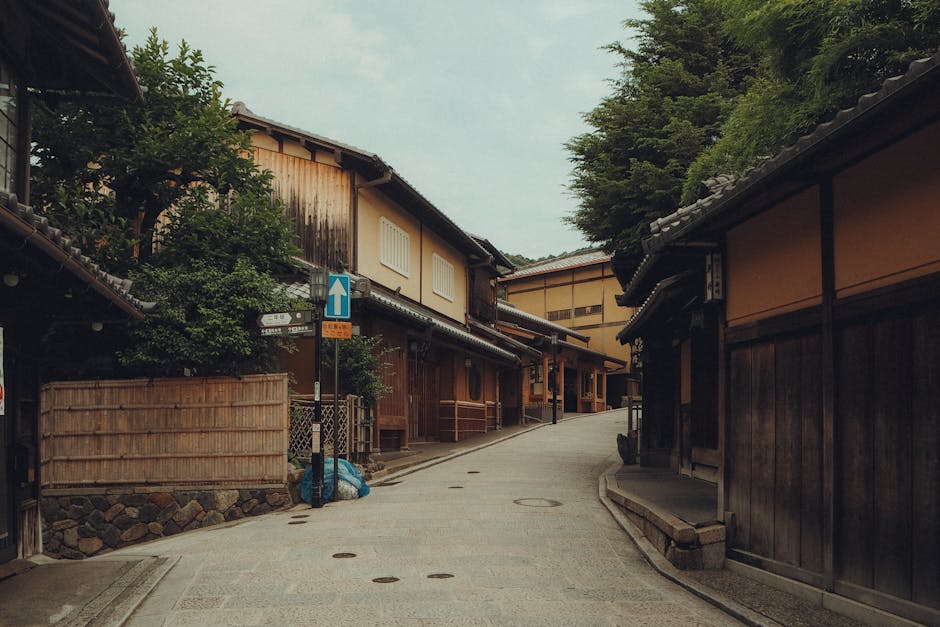
Tucked behind the more famous southern Higashiyama district, this area features narrow lanes lined with machiya (traditional wooden houses) and small family-run shops. Walk along Sannenzaka and Ninenzaka early in the morning to see locals tending to potted plants or opening tea houses. The path leads up to quiet temples like Kodai-ji, which opens at 6 a.m. and remains peaceful until mid-morning.
Arashiyama’s Eastern Edge
While the bamboo grove draws crowds, the residential streets just east of the main path offer tranquility. Follow the Oi River upstream past the Nonomiya Shrine toward Adashino Nenbutsu-ji. This hillside temple, dotted with thousands of weathered stone statues, sees few visitors and provides panoramic views of the surrounding hills.
Northern Kyoto (Kitayama)
Home to Kyoto University and surrounded by forested hills, this area feels more like a quiet college town than a tourist hub. Visit the Kyoto Botanical Gardens early in the week, or stroll through the quiet lanes near Shugakuin Imperial Villa. Accessible by bus or train, it’s a 20-minute ride from downtown but worlds away in atmosphere.
Hidden Temples and Shrines for Solitude
Beyond the famous Golden and Silver Pavilions, Kyoto shelters dozens of lesser-known spiritual sites where silence is preserved.
Jojakko-ji
Perched on Mount Hiei’s lower slopes, this Tendai Buddhist temple is reachable via a short hike from the Sakamoto cable car station. The path winds through cedar trees, opening to a moss-covered main hall and a view of Lake Biwa. Open only from 9 a.m. to 4 p.m., it sees few visitors outside of local pilgrims.
Otagi Nenbutsu-ji
Located in the secluded north of Arashiyama, this temple features over 1,200 whimsical stone statues carved by local artists. The grounds are unassuming, with no grand halls or golden pavilions—just quiet pathways and thoughtful sculptures. It’s a 20-minute walk from the nearest bus stop, which keeps crowds away.
Enko-ji
Set in a forested valley near Ohara, this temple requires a short bus ride and a 10-minute walk uphill. Its autumn colors are legendary, but even in summer, the shaded gardens and koi ponds offer a cool retreat. The temple opens at 8:30 a.m., and arriving just after opening ensures a peaceful visit.
Peaceful Gardens and Natural Retreats
Kyoto’s gardens are designed for contemplation. Many are overlooked in favor of larger parks, but their intimacy enhances the sense of calm.
Saiho-ji (Moss Temple)
Reservations are required, and only 300 visitors are allowed per day—making it one of Kyoto’s most exclusive quiet escapes. The moss garden, covering over 12,000 square meters, feels like a living carpet. Arrive early to secure a spot, and prepare for a 45-minute walk through shaded groves before reaching the main garden.
Shisen-dō
This 17th-century villa garden in northeast Kyoto blends Chinese poetry with Japanese aesthetics. The pond reflects maple trees, and stone lanterns dot the hillside. It’s rarely crowded, especially on weekday afternoons. Entry is limited, and silence is encouraged—perfect for quiet reflection.
Katsura River Path
Follow the tree-lined banks of the Katsura River from Matsuo-taisha Shrine toward Arashiyama. The path is paved and flat, ideal for walking or cycling. Early mornings reveal fishermen, joggers, and few tourists. Bring a thermos of tea and pause at one of the riverside benches for a moment of stillness.
Quiet Cultural Experiences
Immersive activities can deepen your connection to Kyoto’s quiet spirit. These experiences go beyond sightseeing to foster mindfulness and cultural understanding.
Tea Ceremony in a Private Setting
Skip large group sessions and book a private tea ceremony with a local master. Places like Camellia Flower in northern Higashiyama offer intimate settings in traditional homes. Sessions last about 45 minutes and include a brief explanation of the ritual’s philosophy. Reservations are essential.
Calligraphy or Kodo Workshop
Try your hand at shodo (Japanese calligraphy) or kodo (the way of incense) in a small studio. Many teachers offer one-on-one lessons in quiet rooms with tatami floors. These experiences emphasize presence and precision—ideal for quiet travelers.
Early Morning Temple Visits with Monks
Some temples, like Kennin-ji in Gion, offer morning meditation sessions open to visitors. Arrive by 6:15 a.m. for a 30-minute zazen (seated meditation) followed by green tea. No experience is necessary, and silence is maintained throughout. Check temple websites in advance, as schedules vary.
Transportation Tips for a Peaceful Journey
Getting around Kyoto without adding stress is key to maintaining a quiet trip. Avoid rush hours (7:30–9 a.m. and 5–7 p.m.) on buses and trains. The city’s subway system is clean and efficient, with lines connecting major quiet zones like Kitayama and Arashiyama.
Renting a bicycle offers flexibility and access to narrow lanes unreachable by bus. Many guesthouses provide bikes, and dedicated lanes make cycling safe. Stick to backstreets in Higashiyama to avoid tourist-heavy roads.
Walking remains the best way to absorb Kyoto’s quiet corners. A good pair of comfortable shoes and a detailed map (or offline GPS) will take you far. Allow extra time—wandering without a strict schedule enhances the sense of discovery.
Where to Stay for a Quiet Experience
Accommodation plays a big role in maintaining peace. Avoid large hotels in downtown Kyoto, which can feel impersonal and noisy. Instead, opt for smaller, traditional stays in quieter districts.
Machiya Rentals
Restored machiya (traditional townhouses) offer privacy and local charm. Areas like northern Higashiyama or near the Kamo River have well-maintained options with gardens and quiet courtyards. Many include kitchens, allowing for relaxed meals at home.
Temple Stays (Shukubo)
For a truly immersive experience, stay overnight at a temple like Myoshin-ji in the northwest. Guests participate in morning prayers, eat vegetarian meals, and sleep on futons in simple rooms. Reservations are required, and silence is observed after 9 p.m.
Boutique Ryokan in Residential Areas
Small ryokan in neighborhoods like Kitayama or Ohara provide personalized service and tranquil settings. Look for properties with private onsen (hot springs) or garden views. Prices vary, but many offer half-board plans with kaiseki dinners.
Dining with Calm in Mind
Meals in Kyoto can be as peaceful as the sights—if you choose the right spots. Avoid popular conveyor-belt sushi or crowded ramen alleys. Instead, seek out quiet eateries with limited seating and seasonal menus.
Kaiseki in a Garden Setting
Restaurants like Kikunoi Roan in northern Higashiyama serve multi-course kaiseki meals in rooms overlooking private gardens. Reservations are essential, and meals can last two hours—ideal for slow dining. Lunch options are more affordable than dinner.
Temple Vegetarian Cuisine (Shojin Ryori)
Try shojin ryori at places like Tenryu-ji Shigetsu or Daigo in Arashiyama. Meals are plant-based, beautifully presented, and served in serene environments. The experience emphasizes mindfulness and gratitude—perfect for quiet travelers.
Local Soba Shops
Small soba shops in residential areas, like Honke Owariya near the Imperial Palace, offer hand-cut noodles in quiet settings. Many have been family-run for generations and serve lunch only. Cash only, and expect to wait if you arrive during peak hours.
Packing Essentials for a Quiet Kyoto Trip
Pack light, but include items that enhance comfort and respect local customs. A small daypack, reusable water bottle, and portable charger are basics. For temple visits, bring socks—shoes are removed frequently.
A compact umbrella is wise, especially in spring and summer. Noise-canceling headphones can help on buses, but use them sparingly—part of Kyoto’s charm is the ambient sound of wind, water, and distant temple bells.
Carry a small notebook for jotting down thoughts or sketching scenes. Many quiet spots inspire reflection, and writing can deepen the experience.
Sustainable and Respectful Travel Practices
Quiet travel also means traveling responsibly. Kyoto’s temples and neighborhoods thrive on mutual respect. Always follow posted rules—no photography in restricted areas, no loud conversations in sacred spaces.
Support local businesses by purchasing handmade crafts or snacks from neighborhood shops. Avoid single-use plastics; many temples and cafes now offer water refill stations.
Walk softly, speak quietly, and leave no trace. These small actions preserve Kyoto’s tranquility for future visitors.
Sample Itinerary for a 3-Day Quiet Escape
Day 1: Start at Ryoan-ji at 7 a.m., then walk to nearby Ninnaji. Lunch at a quiet soba shop in northern Higashiyama. Afternoon visit to Shisen-dō and a private tea ceremony. Evening stroll along the Kamo River.
Day 2: Take the Eizan Railway to Kurama, hike to Kurama-dera temple, and return via the Philosopher’s Path at dawn. Lunch in a garden restaurant. Afternoon at Saiho-ji (book in advance). Dinner at a local ryokan.
Day 3: Early bus to Ohara. Visit Sanzen-in and Enko-ji. Picnic lunch in the forest. Return to Kyoto for a quiet evening at a machiya rental with a book and green tea.
Final Tips for a Truly Quiet Experience
Silence in Kyoto isn’t just about avoiding crowds—it’s about mindset. Put away your phone during temple visits. Sit on a garden bench and simply observe. Let go of the need to photograph every moment.
Talk to locals when appropriate—many appreciate respectful conversation. Learn a few basic Japanese phrases like “sumimasen” (excuse me) and “arigatou gozaimasu” (thank you).
Above all, allow time to wander without a plan. Some of Kyoto’s quietest moments happen when you get slightly lost and discover a hidden shrine or a quiet alley lined with cherry trees.
FAQ
What is the best time of day to visit Kyoto’s temples for quiet?
Arrive before 8 a.m. for the most peaceful experience. Many temples open at 6 or 7 a.m., and early mornings offer soft light and minimal crowds.
Are there quiet temples in Kyoto that don’t require reservations?
Yes—temples like Otagi Nenbutsu-ji, Enko-ji, and Shisen-dō allow walk-in visits. Only a few, like Saiho-ji, require advance booking.
Can I experience Kyoto’s quiet side without speaking Japanese?
Absolutely. Many quiet spots are self-guided, and basic gestures or translation apps suffice. Staff at smaller temples and guesthouses often speak limited English and are happy to help.