
Best Adventure Travel Escapes for Outdoor Weekends
Looking to trade city noise for mountain air, forest trails, or coastal cliffs? The best adventure travel escapes for outdoor weekends offer a quick reset from routine—without requiring weeks off or a hefty budget. Whether you’re chasing waterfalls, summiting peaks, or paddling quiet lakes, these destinations deliver big thrills in just two or three days. From rugged national parks to hidden backcountry gems, we’ve rounded up top spots that balance accessibility, natural beauty, and real adventure. Pack your boots, charge your headlamp, and get ready to explore.
Why Weekend Adventure Travel Works
Weekend getaways are ideal for testing gear, building skills, or simply reconnecting with nature. Unlike long vacations, they require minimal planning and fit into most schedules. A well-chosen destination can offer solitude, physical challenge, and scenic rewards—all within a 300-mile drive of major cities.
Adventure travel doesn’t require extreme sports. It’s about immersion: hiking to a sunrise viewpoint, kayaking through quiet coves, or sleeping under a canopy of stars. The key is choosing a location that matches your fitness level and interests while offering reliable access and safety.
Top Destinations for Outdoor Weekend Adventures
1. Moab, Utah – Red Rock Playground
Moab sits at the intersection of two iconic national parks—Arches and Canyonlands—making it a magnet for hikers, bikers, and climbers. The terrain ranges from slickrock trails to deep canyons, with routes for all skill levels.
Beginners can tackle the 1.6-mile round-trip hike to Delicate Arch at sunset. More experienced adventurers might opt for a multi-pitch climb on Castleton Tower or a full-day mountain bike ride on the Slickrock Trail. Always carry extra water—summer temperatures regularly exceed 100°F.
2. Great Smoky Mountains, Tennessee/North Carolina – Misty Peaks and Hidden Streams
As the most visited national park in the U.S., the Smokies offer surprising solitude if you venture beyond the main trails. The park’s 800+ miles of hiking paths include everything from easy nature walks to strenuous ridge climbs.
Try the Alum Cave Trail to Mount LeConte (11 miles round-trip) for panoramic views and alpine forests. In spring, wildflowers carpet the valleys; in fall, the foliage rivals New England’s. Camping requires a permit, so reserve early—especially on weekends.
3. Big Sur, California – Coastal Drama and Redwood Serenity
Big Sur blends rugged Pacific coastline with ancient redwood groves. It’s perfect for travelers who want ocean vistas and forest hikes without long drives between sites.
The Ewoldsen Trail offers a moderate 4-mile loop with ocean views and redwood shade. For a more remote experience, hike the Limekiln Falls Trail (2.4 miles round-trip) to a 100-foot waterfall. Overnight stays are limited—book lodgings or campsites months in advance.
4. Shenandoah National Park, Virginia – Skyline Drive Scenery
Just 75 miles from Washington, D.C., Shenandoah delivers mountain solitude with minimal travel time. The 105-mile Skyline Drive runs the park’s length, offering access to over 500 miles of trails.
Old Rag Mountain is the park’s most popular—and challenging—hike, featuring rock scrambles and 360-degree views. For a quieter option, try the Whiteoak Canyon Trail, which descends past six waterfalls. Black bears are common; store food properly and keep a safe distance.
5. Adirondack Mountains, New York – Lakes, Peaks, and Backcountry Cabins
The Adirondacks span six million acres of forests, lakes, and mountains. It’s ideal for paddlers, hikers, and winter sports enthusiasts alike.
Paddle the Saranac Lakes chain or hike Mount Marcy, the state’s highest peak (14.8 miles round-trip). The park also offers historic lean-tos for rustic overnight stays. Cell service is spotty—download maps ahead of time.
6. Ozark National Forest, Arkansas – Waterfalls and Wild Rivers
Often overlooked, the Ozarks offer lush forests, clear streams, and dramatic bluffs. The Buffalo National River provides float trips, while the Ozark Highlands Trail spans 270 miles of backcountry.
Hike the Hemmed-In Hollow Trail (5 miles round-trip) to see the state’s tallest waterfall. Canoeing is popular in spring and early summer—rentals are available in Ponca and Tyler Bend. Be aware of flash floods after heavy rain.
7. Glacier National Park, Montana – Alpine Majesty (Seasonal)
Open late May to October, Glacier rewards visitors with turquoise lakes, glacier-carved valleys, and abundant wildlife. The Going-to-the-Sun Road is a engineering marvel—and a gateway to high-alpine trails.
The Highline Trail (11.8 miles one-way) offers sweeping views of the Continental Divide. For a shorter option, try Avalanche Lake (4.5 miles round-trip). Bear spray is strongly recommended—grizzlies are active in the park.
How to Plan Your Adventure Weekend
Step 1: Match the Destination to Your Fitness Level
Not all trails are created equal. A “moderate” hike in one park might be strenuous in another due to elevation gain, terrain, or weather. Check recent trail reports and use apps like AllTrails or Gaia GPS to assess difficulty.
If you’re new to backpacking, choose a destination with established campsites and ranger stations. Avoid remote areas until you’re comfortable with navigation and emergency preparedness.
Step 2: Pack Smart—Not Heavy
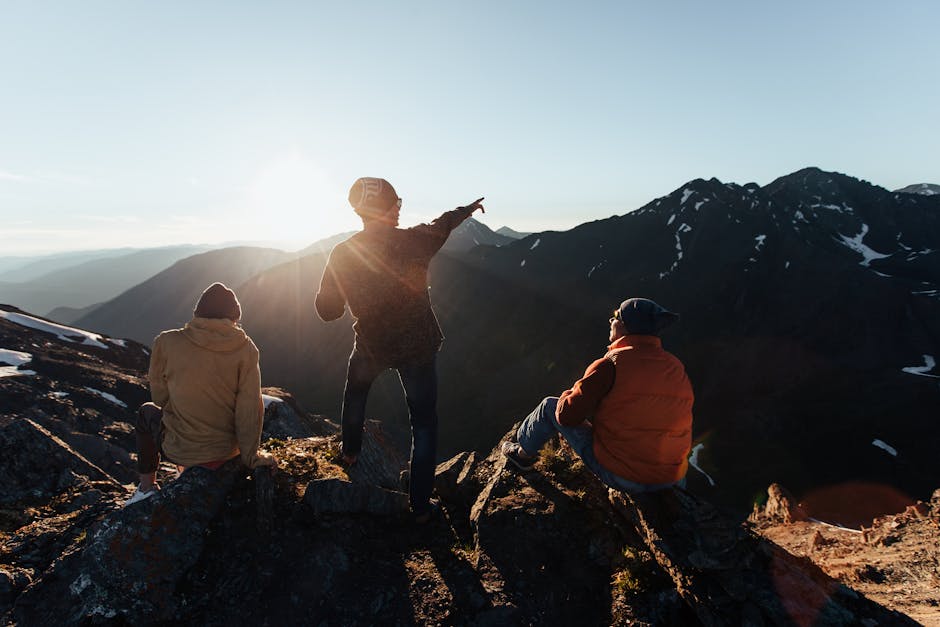
Focus on the essentials: navigation tools, weather-appropriate clothing, first aid, food, and water. A lightweight tent, sleeping pad, and compact stove make overnight trips comfortable without excess weight.
Always carry the Ten Essentials: map, compass, headlamp, sun protection, first aid, fire starter, repair kit, extra food, extra water, and emergency shelter. Even day hikers should have most of these.
Step 3: Check Permits and Regulations
Many parks require permits for camping, parking, or backcountry travel. Some, like Yosemite or Rocky Mountain, use lottery systems for popular trails. Apply early—permits often sell out months in advance.
Leave No Trace principles are non-negotiable: pack out all trash, stay on marked trails, and respect wildlife. Fines for violations can exceed $500.
Step 4: Monitor Weather and Conditions
Mountain and desert weather can change rapidly. Afternoon thunderstorms are common in summer; snow can fall at high elevations even in spring. Check forecasts from reliable sources like the National Weather Service or local ranger stations.
Avoid river crossings during high water. If a trail is closed due to fire, flooding, or maintenance, don’t attempt to bypass it—conditions may be unsafe.
Safety Tips for Outdoor Weekends
Tell someone your itinerary—including your route, expected return time, and emergency contacts. If you don’t check in, they can alert authorities.
Carry a personal locator beacon (PLB) or satellite messenger if traveling in remote areas. Cell phones rarely work beyond developed zones.
Know the signs of hypothermia, heat exhaustion, and altitude sickness. Descend immediately if symptoms worsen. Never hike alone in high-risk areas.
Gear Recommendations by Activity
Hiking
Invest in broken-in hiking boots with ankle support. A 20–30L daypack holds water, layers, and snacks. Trekking poles reduce knee strain on descents.
Backpacking
A 50–70L pack, lightweight tent, and sleeping bag rated for expected lows are essential. Use a water filter or purification tablets—never drink untreated water.
Paddling
Wear a properly fitted life jacket at all times. Dry bags protect electronics and clothing. Check water levels and flow rates before launching.
Climbing
Only climb with certified gear and trained partners. Top-rope or sport routes are safer for beginners than trad or alpine climbing.
Seasonal Considerations
Spring offers wildflowers and flowing waterfalls but muddy trails and unpredictable weather. Summer is peak season—expect crowds and高温. Fall brings crisp air and colorful foliage, with fewer visitors. Winter requires cold-weather gear and avalanche awareness in mountainous regions.
Shoulder seasons (late spring and early fall) often provide the best balance of good weather and solitude.
Final Thoughts
The best adventure travel escapes for outdoor weekends don’t require exotic locations or extreme budgets. With thoughtful planning, the right gear, and respect for nature, you can find challenge and calm within a few hours of home. Start small, stay safe, and let the trail guide you.
FAQ
How far in advance should I book campsites for weekend trips?
Most popular parks require reservations 3–6 months ahead, especially for summer weekends. Check each park’s official website for booking windows and cancellation policies.
Can I bring my dog on adventure weekend trips?
Many trails and campsites allow dogs, but rules vary. Leashes are usually required, and some sensitive habitats ban pets entirely. Always clean up after your dog and check local regulations.
What’s the best way to stay safe while hiking alone?
Share your plans with someone, carry emergency communication devices, stick to well-marked trails, and avoid risky conditions. Consider joining a local hiking group for your first few solo trips.