
Best Food and Culinary Travel Routes for Tasty Days
Planning a trip around food turns every meal into a highlight. The best food and culinary travel routes combine iconic dishes, local markets, and regional specialties into unforgettable journeys. Whether you’re exploring street food in Southeast Asia or wine regions in Europe, these routes offer more than just flavor—they deliver cultural immersion, history, and authentic experiences. This guide highlights top culinary itineraries around the world, offering practical tips and real-world examples to help you design your next tasty adventure.
Why Culinary Travel Routes Matter
Food is a universal language. It connects people, tells stories, and reflects geography, history, and tradition. Traveling with a culinary focus allows you to experience a destination beyond the usual tourist spots. You’ll meet local chefs, farmers, and vendors who shape the region’s flavor profile.
Unlike generic tours, food-focused routes encourage slower travel. You spend time in kitchens, markets, and vineyards, learning how ingredients are sourced and prepared. These experiences often lead to deeper appreciation and more meaningful memories than sightseeing alone.
How to Choose the Right Culinary Route
Start by identifying your interests. Do you prefer street food, fine dining, or cooking classes? Are you drawn to specific cuisines like Italian pasta, Japanese ramen, or Mexican tacos? Matching your preferences to a destination ensures a more satisfying trip.
Consider the season. Many food experiences are seasonal—truffle hunting in Italy peaks in winter, while cherry blossom season in Japan brings special sakura-themed treats. Traveling during harvest or festival times can enhance your experience.
Budget also plays a role. Some routes, like a street food crawl in Bangkok, are affordable. Others, such as a multi-course tasting menu in Paris, require higher spending. Balance cost with value by prioritizing unique experiences over luxury for luxury’s sake.
Key Factors to Evaluate
- Local Expertise: Look for guides or tours led by food writers, chefs, or long-time residents.
- Authenticity: Avoid overly touristy spots. Seek out family-run eateries and neighborhood markets.
- Accessibility: Ensure transportation between stops is manageable, especially in rural areas.
- Safety: Check food hygiene standards, especially for raw or street foods.
Top Global Food and Culinary Travel Routes
1. The Tuscan Farm-to-Table Loop, Italy
Italy’s Tuscany region offers one of the most celebrated culinary travel routes in the world. This route spans Florence, Siena, and the Chianti countryside, focusing on fresh produce, olive oil, and wine.
Begin in Florence’s Mercato Centrale, where you can sample pecorino cheese, prosciutto, and fresh pasta. Join a cooking class to learn how to make pappa al pomodoro or ribollita. Then head to a family-run agriturismo in the hills for a farm-to-table lunch featuring seasonal vegetables and house-made wine.
The route continues through Chianti, where vineyard tours and tastings are paired with local dishes like bistecca alla fiorentina. Many wineries offer meals prepared with ingredients grown on-site, emphasizing sustainability and tradition.
This route works best in spring and fall when produce is at its peak. Avoid August, when many locals close their businesses for vacation.
2. The Bangkok Street Food Circuit, Thailand
Bangkok is a street food paradise, and a well-planned culinary route can cover its most iconic dishes in just a few days. Start early at Talad Rot Fai (Train Market) for grilled seafood and mango sticky rice. Move to Chinatown for dim sum and crispy pork belly at Yaowarat Road.
Don’t miss the floating markets on the outskirts, where vendors sell boat noodles and coconut ice cream. A guided food tour helps navigate the maze of stalls and ensures you try safe, high-quality options.
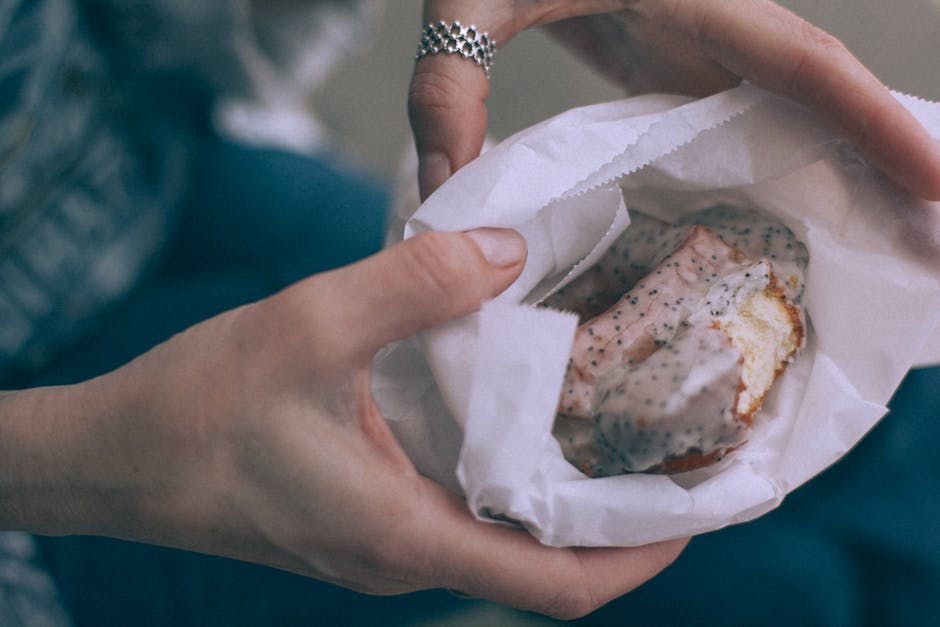
For dessert, visit a night market like Chatuchak or Asiatique. Try roti sai mai (cotton candy wrapped in flatbread) or coconut pancakes. Always drink bottled water and avoid ice in questionable locations to prevent stomach issues.
This route is ideal for adventurous eaters. If you have dietary restrictions, inform your guide in advance—many dishes can be modified.
3. The Oaxacan Mole Trail, Mexico
Oaxaca is Mexico’s culinary capital, famous for its seven varieties of mole. This route takes you through markets, mezcal distilleries, and family kitchens to explore the complexity of this iconic sauce.
Begin at Mercado 20 de Noviembre, where you can taste mole negro, amarillo, and coloradito side by side. Visit a local abuela (grandmother) who teaches traditional mole-making techniques using stone mortars and hand-ground spices.
Pair your meals with artisanal mezcal from a palenque (distillery) in the nearby valleys. Many tours include a visit to a cacao farm, where you’ll learn how chocolate is grown and processed for mole and hot drinks.
The best time to visit is during Guelaguetza festival in July, when food, music, and dance celebrate Oaxacan culture. Book accommodations early, as the city fills up quickly.
4. The Tokyo Ramen Belt, Japan
Tokyo’s ramen scene is vast and varied, with hundreds of shops offering unique broths and toppings. This route focuses on three distinct styles: tonkotsu (pork bone), shoyu (soy sauce), and miso.
Start in Shinjuku at Ichiran for a solo ramen experience in private booths. Then head to Ippudo for rich tonkotsu broth. In Ikebukuro, try Menya Musashi for double soup ramen—a blend of chicken and seafood.
For a more traditional experience, visit a small neighborhood shop in Asakusa. Many are family-owned and have been serving the same recipe for decades. Use a ramen map app to locate hidden gems and avoid long lines.
Be prepared to eat standing up at some stalls. Tipping is not customary, and slurping is encouraged—it’s a sign of enjoyment.
5. The Andalusian Tapas Trail, Spain
Southern Spain’s Andalusia region is perfect for a leisurely food route centered on tapas and sherry. Start in Seville, where bars serve free small plates with each drink. Try salmorejo (a cold tomato soup), fried eggplant with honey, and jamón ibérico.
Move to Jerez de la Frontera for sherry tastings at historic bodegas. Many offer tours explaining how sherry is aged in solera systems. Pair your drinks with local cheeses and olives.
In Córdoba, visit the narrow streets of the Jewish Quarter for salmorejo and berenjenas (fried eggplant). End in Granada, where tapas are still served free with drinks—just order a beer or wine and enjoy the complimentary food.
This route works well by train or rental car. Many tapas bars open late, so plan for dinner after 9 PM.
6. The Kerala Spice Coast, India

Kerala, on India’s southwest coast, is known for its coconut-based curries, seafood, and spice plantations. This route blends coastal cuisine with inland spice farms.
Begin in Kochi with a walk through the historic Fort Kochi area. Sample appam (fermented rice pancakes) with stew, and fresh fish curry from a beachside shack. Take a ferry to Willingdon Island for a seafood lunch.
Head inland to Thekkady for a spice plantation tour. Learn how cardamom, pepper, and vanilla are grown and harvested. Many farms offer cooking demonstrations using fresh spices.
End in Alleppey with a houseboat cruise through the backwaters. Meals are prepared on board using local ingredients like tapioca, banana flowers, and karimeen (pearl spot fish).
Travel during the dry season (October to March) for the best weather and access to coastal areas.
7. The Pacific Northwest Seafood Route, USA
Stretching from Seattle to Portland, this route highlights sustainable seafood and farm-fresh ingredients. Start in Seattle’s Pike Place Market for Dungeness crab, geoduck, and fresh oysters.
Take a ferry to Bainbridge Island for a farm tour and lunch featuring seasonal vegetables and local cheeses. In Portland, visit food cart pods for creative takes on Pacific Northwest cuisine, like salmon tacos and hazelnut-crusted halibut.
Include a stop in the Willamette Valley for wine tasting. Pinot noir pairs beautifully with local mushrooms and game meats. Many wineries offer food pairings and vineyard tours.
This route is ideal for road trippers. Rent a car and plan for two to three days to fully experience the region.
Tips for Planning Your Culinary Journey
Book Experiences in Advance
Popular cooking classes, market tours, and restaurant reservations fill up quickly, especially in peak seasons. Book at least two to four weeks ahead for major cities and festivals.
Use trusted platforms like Airbnb Experiences, Withlocals, or direct booking through local tour operators. Read recent reviews to ensure quality and safety.
Pack Smart for Food Travel
Bring a reusable water bottle with a filter, especially in regions with questionable tap water. Carry hand sanitizer and wet wipes for eating on the go.
Wear comfortable shoes—many culinary routes involve walking through markets or uneven terrain. A small notebook helps record favorite dishes, recipes, and vendor names.
Respect Local Customs
Dining etiquette varies widely. In Japan, don’t stick chopsticks upright in rice. In France, keep your hands visible on the table. In India, eat with your right hand.
Learn a few basic phrases in the local language. Saying “thank you” or “delicious” in the local tongue goes a long way in building rapport.
Stay Flexible
Even the best-laid plans can change. Markets may close unexpectedly, or a favorite restaurant might be full. Have backup options and allow time for spontaneous discoveries.
Sometimes the best meals happen by accident—a street vendor recommended by a local, or a hidden café found while wandering. Embrace the detours.
Common Mistakes to Avoid
Over-scheduling is a frequent issue. Trying to hit too many spots in one day leads to burnout and missed experiences. Limit yourself to three to four major food stops per day.
Ignoring dietary needs can ruin a trip. If you have allergies or restrictions, research safe options in advance. Carry translation cards for severe allergies.
Focusing only on famous dishes limits discovery. While you should try the regional specialty, don’t overlook lesser-known local favorites. Ask locals for their recommendations.
Sustainable and Ethical Food Travel
Choose tours and restaurants that support local communities. Look for businesses that hire local guides, source ingredients regionally, and pay fair wages.
Avoid attractions that exploit animals or cultures. For example, skip elephant rides or performances that involve wildlife. Instead, support ethical sanctuaries or cultural centers.
Reduce waste by carrying reusable containers, utensils, and bags. Many cities now offer refill stations for water and eco-friendly packaging options.
Final Thoughts
The best food and culinary travel routes are more than just meals—they’re journeys into culture, history, and human connection. By planning thoughtfully and staying open to new experiences, you can turn any trip into a delicious adventure.
Whether you’re sipping espresso in a Roman piazza or sharing a bowl of pho in Hanoi, let flavor guide your way. The world’s most memorable travels often begin with a single bite.
FAQ
Q: How do I find authentic local food when traveling?
A: Look for places crowded with locals, not tourists. Ask hotel staff or use apps like Google Maps to find highly rated neighborhood eateries. Avoid restaurants with menus in multiple languages posted outside.
Q: Is it safe to eat street food abroad?
A: Generally, yes—if the food is cooked fresh and served hot. Avoid raw vegetables, unpeeled fruits, and tap water. Choose stalls with high turnover, as this indicates fresh ingredients.
Q: Can I do a culinary route on a budget?
A: Absolutely. Focus on street food, local markets, and self-guided walks. Many cities offer free food tours (tip-based) or affordable cooking classes. Prioritize experiences over luxury dining.