
Best Beach and Island Travel Routes for Scenic Views
Planning a beach or island getaway? The journey can be just as breathtaking as the destination. Some of the most unforgettable travel experiences come from carefully chosen routes that highlight coastal beauty, turquoise waters, and dramatic shorelines. Whether you’re driving along a cliffside highway, sailing between islands, or hiking coastal trails, the right route transforms a simple trip into a visual feast. This guide covers the world’s most scenic beach and island travel routes—complete with practical tips, seasonal advice, and what to expect along the way.
Why the Route Matters as Much as the Destination
Many travelers focus only on where they’re going, not how they get there. Yet some of the most stunning views occur en route—think winding coastal roads with ocean vistas, ferry crossings through archipelagos, or jungle trails leading to hidden coves. Choosing a scenic route enhances the entire travel experience, offering photo opportunities, cultural stops, and a deeper connection to the landscape.
Scenic routes also allow for flexibility. Instead of rushing to a single beach, you can explore multiple coves, fishing villages, and viewpoints. This approach works especially well in regions with compact geography, like Southeast Asia’s islands or the Mediterranean coast.
Top Scenic Beach and Island Travel Routes Around the World
1. The Amalfi Coast Drive, Italy
The SS163 road hugging Italy’s Amalfi Coast is one of Europe’s most iconic drives. Winding between cliffs and the Tyrrhenian Sea, it connects towns like Positano, Amalfi, and Ravello. The route offers panoramic views of pastel-colored homes, terraced vineyards, and deep-blue waters.
Best driven from April to October, the road is narrow and busy in peak season. Rent a small car or scooter for better maneuverability. Avoid driving at night—sharp curves and limited lighting make it hazardous. Public buses and ferries are reliable alternatives.
Key stops include the Marina Grande in Positano for its pebble beach and cliffside restaurants, and the quieter town of Atrani, with its whitewashed buildings and local charm. For a different perspective, take a boat tour from Amalfi to see the coastline from the water.
2. The Road to Hana, Maui, Hawaii
This 64-mile drive on Maui’s eastern shore is a tropical dream. The Road to Hana features over 600 curves, 50+ one-lane bridges, and countless waterfalls. Lush rainforest, black sand beaches, and ocean lookouts define the journey.
Start early to avoid crowds and allow 6–8 hours for the full drive. Download offline maps—cell service is spotty. Pack snacks, water, and rain gear. Many attractions require short hikes, so wear sturdy shoes.
Must-see spots include the Twin Falls trailhead, the bamboo forest near Mile Marker 7, and Waiʻānapanapa State Park with its sea caves and volcanic beach. The final stretch ends at the remote town of Hana, a peaceful retreat with minimal development.
3. The Ring Road, Iceland
While not a traditional beach route, Iceland’s Ring Road (Route 1) circles the island and delivers dramatic coastal scenery. Black sand beaches, sea stacks, and rugged cliffs line the path, especially along the south coast.
Drive counterclockwise from Reykjavik for optimal lighting on the southern shores. Summer offers midnight sun and accessible roads, while winter brings northern lights and icy conditions. Check road.is daily for closures.
Highlights include Reynisfjara Beach near Vik, with its basalt columns and powerful Atlantic waves. Further east, Jökulsárlón Glacier Lagoon offers icebergs floating near the shore. The Westfjords region, though less traveled, features remote beaches and bird cliffs.
4. The Andaman Coast, Thailand
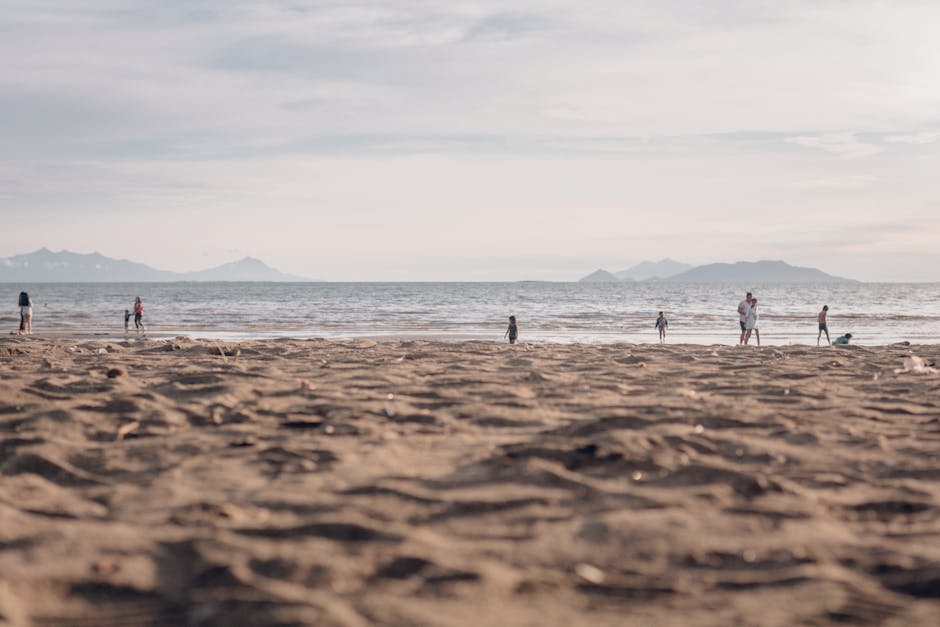
Thailand’s Andaman Coast—stretching from Phuket to Krabi and the Phi Phi Islands—is a paradise of limestone karsts, emerald waters, and white-sand beaches. The most scenic way to experience it is by boat.
Ferries connect major islands daily. The Phuket to Phi Phi route takes about 1.5 hours and offers views of sheer cliffs rising from the sea. For a slower pace, book a multi-day liveaboard tour that visits secluded bays and snorkeling sites.
Krabi’s Railay Beach is accessible only by boat, adding to its allure. Ao Nang serves as a gateway, with longtail boats ferrying visitors to hidden coves. Avoid monsoon season (May–October) when seas are rough and some routes close.
5. The Great Ocean Road, Australia
Spanning 243 kilometers along Victoria’s southern coast, this route showcases Australia’s wild beauty. Sweeping ocean views, rainforests, and the famous Twelve Apostles rock formations define the drive.
Start in Torquay and head west toward Warrnambool. Allow 3–4 days to explore fully. Stop at Bells Beach for surf culture, the Otway Rainforest for treetop walks, and Port Campbell National Park for coastal geology.
Wildlife sightings are common—koalas in the eucalyptus trees, kangaroos at dawn, and whales migrating in winter. Road conditions are generally good, but watch for gravel sections and wildlife crossings.
6. The Dalmatian Coast, Croatia
Croatia’s Adriatic coastline blends historic towns with pristine beaches. The D8 highway runs parallel to the sea, connecting Split, Hvar, Korčula, and Dubrovnik. Ferries link the mainland to islands, offering island-hopping opportunities.
Summer is peak season—book ferries and accommodations early. The Split to Hvar ferry ride takes 1 hour and provides stunning views of lavender fields and pine-covered hills. Hvar Town’s hilltop fortress offers panoramic sunset views.
For a quieter experience, visit the Elafiti Islands near Dubrovnik. These small, car-free islands feature olive groves, rocky coves, and family-run guesthouses. Rent a kayak to explore sea caves and hidden beaches.
7. The Nicoya Peninsula, Costa Rica
This Pacific Coast route in northwestern Costa Rica blends jungle, beach, and surf culture. The drive from Liberia to Santa Teresa winds through dry forests, fishing villages, and crescent-shaped bays.
Roads can be rough—rent a 4×4, especially in rainy season (May–November). Montezuma offers tide pools and waterfall hikes, while Mal País is known for consistent surf and laid-back vibes.
The southern tip, Cabuya, is a quiet fishing village with access to Isla del Coco via boat tours. Wildlife includes howler monkeys, sea turtles, and tropical birds. Visit during dry season for best beach conditions.
How to Choose the Right Route for Your Trip
Consider Your Travel Style
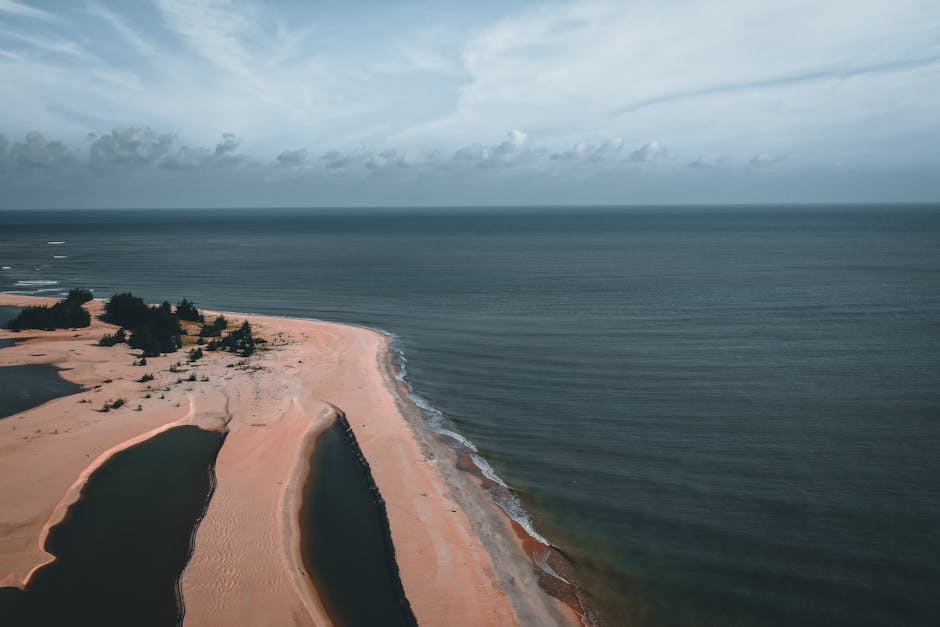
Are you a road tripper, sailor, or hiker? Your preferred mode of transport shapes the best route. Drivers may prefer paved highways with frequent stops, while sailors might prioritize calm waters and sheltered harbors.
Families with young children may favor shorter drives or ferry routes with amenities. Solo travelers or couples might enjoy remote, less-traveled paths with camping or eco-lodges.
Match the Season to the Destination
Weather dramatically affects scenic value. In tropical regions, dry season ensures clear skies and calm seas. In temperate zones, spring and fall offer mild temperatures and fewer crowds.
Check regional climate patterns. For example, the Caribbean is best visited December to April, while Southeast Asia’s dry season varies by country. Always verify ferry schedules and road conditions before departure.
Plan for Logistics and Safety
Some scenic routes require preparation. Remote island ferries may run infrequently. Mountainous coastal roads can be narrow and poorly lit. Always carry a physical map, extra water, and emergency contacts.
Inform someone of your itinerary, especially if traveling solo. In areas with limited infrastructure, consider guided tours for added safety and local insight.
Tips for Maximizing Scenic Views on the Road
Time Your Drive for Golden Hour
Early morning and late afternoon offer the best natural lighting for photography and sightseeing. The low angle of the sun enhances colors and reduces glare on the water.
Avoid midday travel when possible—harsh light washes out landscapes. Use apps like Sun Surveyor to plan stops around sunrise or sunset.
Use Overlooks and Pull-Offs Wisely
Most scenic routes have designated viewpoints. Use them instead of stopping on curves or narrow shoulders. These areas are designed for safety and often include interpretive signs.
Don’t linger too long—other drivers need access. Take a few photos, stretch your legs, and move on. Some pull-offs have restrooms and picnic tables, making them ideal for short breaks.
Bring the Right Gear
A good camera or smartphone with a wide-angle lens captures expansive views. A portable power bank keeps devices charged on long drives. Binoculars help spot wildlife and distant landmarks.
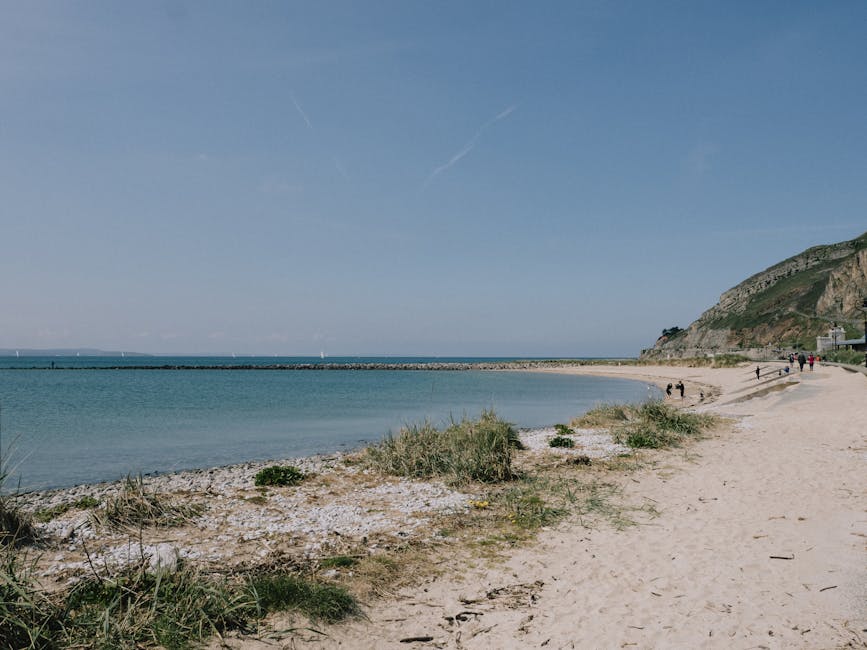
Pack layers—coastal weather changes quickly. A light jacket, sunglasses, and sunscreen are essentials. For boat trips, bring a dry bag to protect electronics.
Common Mistakes to Avoid
Rushing Through the Journey
Trying to cover too much ground in one day leads to fatigue and missed views. Scenic routes are meant to be savored. Build in buffer time for unexpected stops or delays.
For example, the Amalfi Coast drive can take 3–4 hours without stops, but realistically requires a full day. Prioritize 2–3 key sights rather than rushing to check off every town.
Ignoring Local Conditions
Road closures, ferry cancellations, and weather disruptions happen. Check local news and tourism boards before traveling. In hurricane-prone areas, monitor storm forecasts.
In some regions, local customs affect access. For instance, certain beaches in Greece or Thailand may be private or require permission. Respect signage and local guidance.
Overlooking Environmental Impact
Popular routes face strain from tourism. Stay on marked paths, avoid single-use plastics, and support eco-friendly businesses. On islands, freshwater is often limited—conserve where possible.
When snorkeling or boating, avoid touching coral or disturbing marine life. Choose operators with sustainable practices.
Final Thoughts
The best beach and island travel routes offer more than just beautiful views—they create lasting memories. Whether you’re winding along a cliffside highway or island-hopping by sailboat, the journey becomes part of the adventure. With thoughtful planning, the right timing, and respect for local environments, your scenic route can be as rewarding as the final destination.
FAQ
What’s the best time of year to drive the Road to Hana?
The ideal time is April to June or September to November. These months offer fewer crowds, lower prices, and stable weather. Avoid summer holidays and winter rains, which can cause landslides and road closures.
Are scenic beach routes safe for solo travelers?
Yes, most are safe with proper preparation. Stick to well-traveled routes, share your itinerary, and avoid isolated areas at night. In remote regions, consider joining small group tours for added security.
Can I visit multiple islands in one trip?
Absolutely. Island-hopping is common in places like Greece, Thailand, and Croatia. Book ferry passes in advance during peak season. Allow at least one full day per island to enjoy the beaches and local culture without rushing.