
Top Travel Tips for Beating Airport Travel Stress
Airport travel can be one of the most stressful parts of any trip—long lines, delayed flights, lost luggage, and crowded terminals wear down even the most seasoned travelers. But it doesn’t have to be that way. With the right preparation and mindset, you can transform your airport experience from chaotic to calm. This guide shares practical, proven strategies to help you navigate airports with confidence, reduce anxiety, and arrive at your destination feeling refreshed—not frazzled.
From smart packing hacks to timing your arrival just right, these tips are designed for real travelers facing real challenges. Whether you’re flying domestically or internationally, traveling solo or with family, these steps will help you stay in control and avoid common pitfalls. Let’s dive into the most effective ways to beat airport travel stress—starting before you even leave home.
Plan Ahead: The Foundation of a Smooth Journey
Stress often begins long before you reach the airport. A little planning goes a long way in preventing last-minute panic. Start by confirming your flight details 24 to 48 hours before departure. Airlines frequently change gates, times, or even terminals—especially at large hubs like JFK or LAX.
Sign up for flight alerts through your airline’s app or a trusted third-party service like FlightAware. These notifications will keep you informed about delays, cancellations, or gate changes in real time. You’ll avoid showing up at the wrong terminal or missing critical updates while stuck in traffic.
Check Visa and Documentation Requirements Early
International travelers should verify visa, passport, and entry requirements at least two weeks in advance. Some countries require passports to be valid for six months beyond your return date. Others may demand proof of return tickets or vaccination records.
For example, travelers to Thailand need a passport valid for at least six months, while Japan allows entry with as little as three months remaining. Always check official government websites like travel.state.gov (U.S.) or gov.uk/foreign-travel-advice (UK) for the most accurate, up-to-date information.
Use Digital Tools to Organize Your Trip
Keep all your travel documents in one place using a digital travel wallet. Apps like TripIt or Google Trips (now integrated into Google Travel) automatically organize confirmations, boarding passes, hotel bookings, and itineraries.
Store digital copies of your passport, ID, and travel insurance in a secure cloud folder. Email them to yourself as a backup. If your phone dies or gets lost, you’ll still have access from any device.
Pack Smart to Avoid Checked Bag Fees and Delays
Checked bags add cost, wait time, and risk of loss. The simplest way to avoid these headaches is to travel light. A well-packed carry-on eliminates the need to check luggage and gets you out of the airport faster upon arrival.
Choose a carry-on suitcase that meets airline size restrictions—typically 22 x 14 x 9 inches for major U.S. carriers. Measure your bag before you leave; many travelers accidentally exceed limits and face gate-check fees.
Master the Art of the Personal Item
Your personal item—like a backpack, tote, or laptop bag—is your secret weapon. Use it wisely. Pack essentials like medications, chargers, a change of clothes, and travel documents here. If your flight is delayed or canceled, you’ll have what you need without relying on overhead bins.
Avoid overstuffing. Airlines may enforce size limits at the gate, especially on full flights. A slim, structured bag that fits under the seat is ideal.
Know the TSA Liquid Rules—and Stick to Them
The 3-1-1 rule is non-negotiable: liquids must be in containers of 3.4 ounces (100ml) or less, all fitting in one quart-sized clear plastic bag. One bag per passenger.
Common mistakes include forgetting to remove the bag at security or packing oversized toiletries. To save time, use travel-sized bottles or buy toiletries at your destination. Many hotels provide shampoo, conditioner, and body wash—check ahead to avoid duplicates.
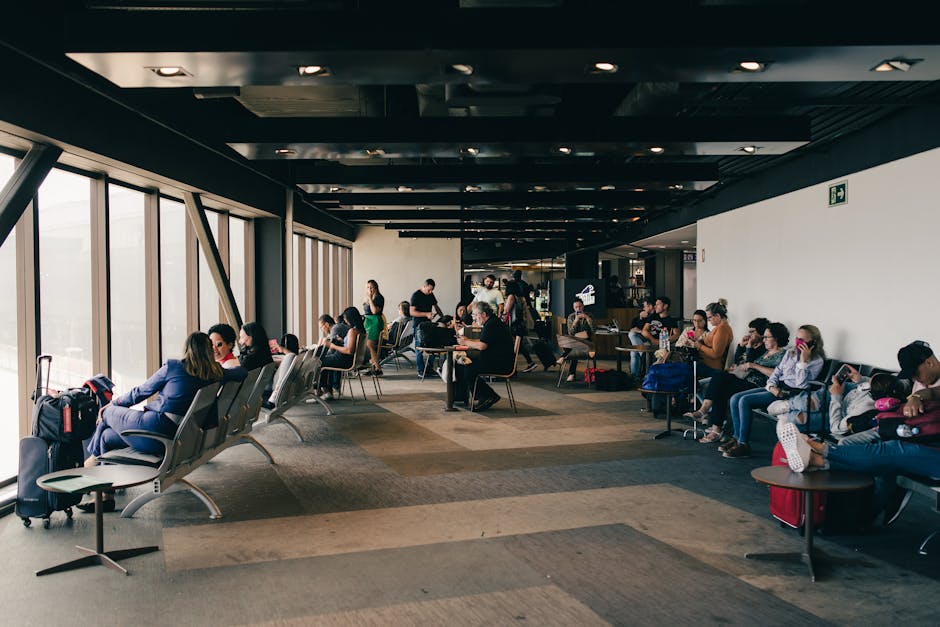
Arrive at the Airport with the Right Timing
Arriving too early wastes time; arriving too late risks missing your flight. The standard advice—two hours for domestic, three for international—is a good baseline, but it’s not one-size-fits-all.
Consider your departure airport. A small regional airport like Boise or Burlington may require only 90 minutes. A busy hub like Atlanta’s Hartsfield-Jackson or Chicago O’Hare? Plan for three hours, especially during peak travel seasons like Thanksgiving or summer.
Factor in Traffic and Parking
Airport traffic can be unpredictable. Construction, accidents, or holiday rushes can turn a 30-minute drive into a two-hour ordeal. Check real-time traffic apps like Google Maps or Waze before leaving.
If you’re driving, reserve parking in advance. Many airports offer discounted rates for pre-booked spaces. Off-site lots often cost less and provide shuttle service—just allow extra time for the transfer.
Use Mobile Check-In to Skip the Counter
Check in online 24 hours before your flight. Most airlines allow mobile boarding passes, which you can save to your phone’s wallet. This lets you bypass the check-in counter entirely—unless you have bags to drop.
Even if you’re checking a bag, mobile check-in often gives you a faster lane at baggage drop. At some airports, like Denver or Seattle, you can even use self-service kiosks to print bag tags and drop your luggage in under five minutes.
Navigate Security Like a Pro
Security lines are a major source of airport stress. But with the right approach, you can move through quickly and confidently. Start by wearing easy-to-remove shoes and avoiding belts, bulky jewelry, or clothing with metal zippers.
Prepare your carry-on before reaching the checkpoint. Have your liquids bag, laptop, and electronics ready to place in bins. Shoes, jackets, and small items like watches should go in separate containers.
Consider TSA PreCheck or Global Entry
If you fly more than a few times a year, investing in TSA PreCheck ($78 for five years) is worth it. You’ll keep your shoes, belt, and light jacket on, leave your laptop in your bag, and use a dedicated, usually shorter, security line.
For international travelers, Global Entry ($100 for five years) includes TSA PreCheck and speeds up re-entry to the U.S. Approval requires a background check and in-person interview, so apply early—processing can take months.
Know What’s Allowed—and What’s Not
The TSA website lists prohibited items, but it’s easy to miss updates. For example, you can bring a razor, but not a straight razor with a detachable blade. Scissors under four inches are allowed; over that length, they’re not.
When in doubt, check the TSA’s “Can I Bring?” tool online or ask an agent. Better to be safe than stuck at the checkpoint with a confiscated item.
Stay Calm During Delays and Cancellations
Flight disruptions happen. When they do, staying calm and informed is your best strategy. First, check your flight status on the airline’s app or airport monitors. Don’t rely solely on gate announcements—they’re often delayed or unclear.
If your flight is delayed, ask the gate agent for updates. Politely inquire about meal vouchers, hotel accommodations, or rebooking options. Airlines are more likely to help passengers who are polite and persistent.
Know Your Rights as a Passenger
Regulations vary by country. In the U.S., there’s no federal law requiring compensation for delays, but airlines may offer goodwill gestures. In the EU, Regulation 261 mandates compensation for long delays or cancellations on flights departing from or arriving in the EU—up to €600, depending on distance and delay length.
Keep your boarding pass and any receipts. If you’re eligible for compensation, file a claim with the airline. Be polite but firm, and reference the regulation if applicable.
Use Airport Lounges to Recharge
Lounges aren’t just for first-class passengers. Many are accessible via credit cards, day passes, or airline status. A lounge offers quiet seating, free Wi-Fi, snacks, and sometimes showers—perfect for long layovers or delays.
For example, the Amex Platinum card includes access to Centurion Lounges, while United’s day pass costs around $59. Even a short visit can turn a stressful wait into a productive or relaxing break.
Stay Connected and Powered Up
Dead phones and dead batteries are travel nightmares. Keep your devices charged with a reliable power bank. Look for one with at least 10,000mAh capacity and USB-C output for fast charging.
Most airports have charging stations, but they’re often crowded or broken. Bring your own charger and a multi-port adapter. If you’re traveling internationally, pack a universal adapter to fit local outlets.
Download Offline Maps and Entertainment
Airport Wi-Fi can be slow or unreliable. Download maps, translation apps, and entertainment before you go. Netflix, Spotify, and Kindle allow offline downloads—perfect for long waits or flights without in-flight entertainment.
Google Maps works offline if you download the area in advance. This is especially helpful in foreign airports where signage may not be in English.
Keep Kids (and Yourself) Entertained
Traveling with children multiplies the stress. Pack a “distraction kit” with small toys, coloring books, snacks, and headphones. Avoid anything with small parts that could get lost or cause a mess.
Many airports now have play areas or family lounges. Denver International Airport has a children’s play area near Gate A, while Chicago O’Hare offers a family restroom with a changing table and seating.
Set Expectations Before You Go
Talk to kids about what to expect: security checks, waiting in lines, and staying close to parents. Practice walking through the process at home. A little preparation helps reduce meltdowns and keeps the journey smoother for everyone.
For adults, bring a book, podcast, or journal. Mindfulness apps like Calm or Headspace can help manage anxiety during turbulent flights or long delays.
Eat Well and Stay Hydrated
Airport food is often overpriced and unhealthy. Pack your own snacks—nuts, granola bars, fruit, or sandwiches—to avoid relying on greasy options. Just remember the 3-1-1 rule for liquids if you bring sauces or drinks.
Stay hydrated. Airplane cabins have low humidity, which can lead to dehydration and fatigue. Drink water before, during, and after your flight. Avoid excessive caffeine or alcohol, which can worsen jet lag.
Know Your Airport’s Dining Options
Not all airport food is bad. Many major airports now feature local restaurants and healthier choices. Portland International Airport has food carts serving fresh Pacific Northwest fare, while Atlanta’s airport offers a rotating selection of local eateries.
Use apps like GateGuru or the airport’s own website to find highly rated restaurants near your gate. You’ll eat better and support local businesses.
Prepare for Your Arrival
The journey isn’t over when you land. Plan your exit strategy before your flight arrives. Research transportation options—ride shares, public transit, rental cars—and have a backup in case of surges or closures.
If you’re traveling internationally, know where to find customs and immigration. Have your passport, customs form, and any required documents ready. Some countries require a printed copy of your return ticket or proof of accommodation.
Use Airport Apps to Navigate
Most major airports have their own apps with maps, real-time flight info, and terminal guides. Download yours before you land. It can help you find restrooms, gates, or baggage claim faster—especially in sprawling airports like Dallas/Fort Worth or London Heathrow.
Some apps even offer indoor navigation, so you can see exactly where you are and how to get to your next stop.
Final Thoughts: Travel with Confidence
Airport stress doesn’t have to be part of the travel experience. By planning ahead, packing smart, and staying informed, you can turn a chaotic journey into a smooth, even enjoyable, part of your trip. These tips aren’t about perfection—they’re about preparation, awareness, and resilience.
Remember, every traveler faces hiccups. What matters is how you respond. Stay calm, stay informed, and keep moving forward. With these strategies in your back pocket, you’re ready to beat airport stress and focus on what really matters: the adventure ahead.
FAQ
How early should I arrive at the airport for an international flight?
Arrive at least three hours before your international departure. This allows time for check-in, security, customs (if applicable), and potential delays. Busy hubs or peak travel times may require even more time.
Can I bring snacks through airport security?
Yes, solid food items like sandwiches, fruit, and chips are allowed in carry-on bags. Liquids and gels—like yogurt or peanut butter—must follow the 3-1-1 rule. When in doubt, check the TSA website before packing.
What should I do if my flight is canceled?
First, check your airline’s app or website for rebooking options. Then, speak with a customer service agent at the airport. Ask about alternative flights, hotel vouchers, or meal compensation. Keep all receipts and documentation for potential reimbursement.