
Food and Culinary Travel Destinations for Food Trails
Food and culinary travel destinations offer travelers a delicious way to explore culture, history, and local traditions through taste. From bustling street food markets to Michelin-starred restaurants, food trails guide you through a region’s most iconic flavors. Whether you’re sampling fresh pasta in Bologna, savoring tacos in Oaxaca, or exploring spice-laden curries in Colombo, these journeys turn meals into immersive experiences. Planning a food-focused trip doesn’t require a chef’s palate—just curiosity and an appetite for discovery.
Why Food Trails Enhance Your Travel Experience
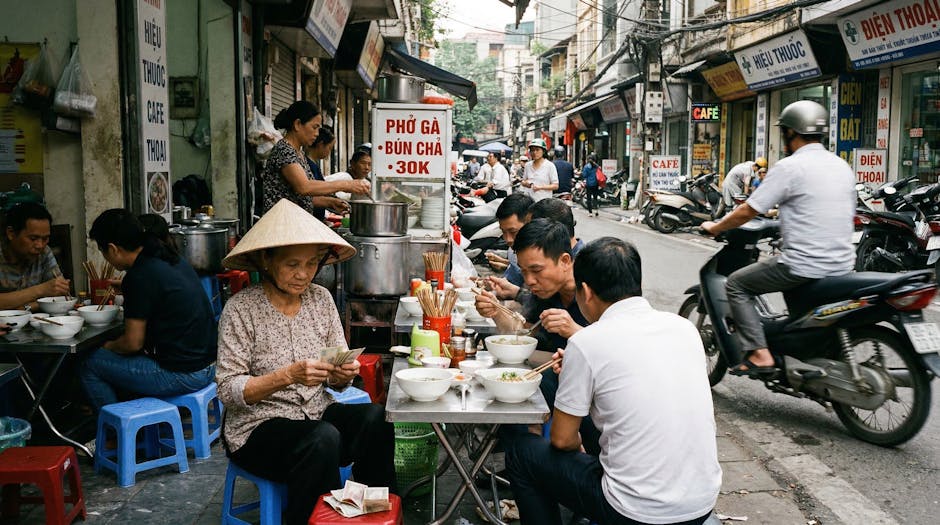
Food trails do more than satisfy hunger—they connect you to a destination’s soul. Eating like a local reveals stories behind ingredients, cooking techniques passed down through generations, and the role food plays in daily life. A guided food tour in Hanoi, for example, might include pho at a family-run stall that’s been serving the same recipe since 1965.
These experiences foster deeper engagement than typical sightseeing. You’ll meet artisans, farmers, and chefs who shape the local food scene. In Lisbon, a walking tour through the Alfama district introduces you to pastel de nata bakeries, sardine grills, and fortified wine cellars—each stop revealing a piece of Portuguese heritage.
Food trails also support sustainable tourism. By patronizing small vendors and family-owned eateries, travelers contribute directly to local economies. This model encourages preservation of traditional recipes and reduces reliance on mass tourism infrastructure.
Top Food and Culinary Travel Destinations
1. Bologna, Italy – The Heart of Italian Cuisine
Bologna is widely regarded as Italy’s culinary capital. Known for rich ragù, fresh egg pasta, and cured meats like mortadella, the city offers an authentic taste of Emilia-Romagna. A food trail here might begin at the Mercato di Mezzo, where local vendors sell truffle-infused oils and handmade tortellini.
Visitors can join a pasta-making class with a nonna (grandmother) in her kitchen, learning to roll dough by hand and shape tortelloni with practiced fingers. Many tours include a stop at a traditional osteria for a glass of Sangiovese paired with aged Parmigiano-Reggiano.
For a deeper dive, take a day trip to the countryside to visit a Parmesan cheese factory. You’ll see how wheels of cheese are aged in vaults for up to 36 months, developing their nutty, complex flavor.
2. Oaxaca, Mexico – A Mecca for Mexican Flavors
Oaxaca is celebrated for its diverse indigenous cuisine, featuring seven distinct varieties of mole, grasshoppers (chapulines), and tlayudas—crispy giant tortillas topped with beans, cheese, and meat. A food trail through the city’s markets, like Mercado 20 de Noviembre, reveals the depth of regional cooking.
Join a guided tour that includes a mezcal tasting. Learn how this smoky spirit is distilled from agave in small batches, often in clay pots. Many tours visit palenques (distilleries) in the surrounding valleys, where you can sample different varieties and chat with the maestro mezcalero.
Cooking classes are another highlight. Participants grind spices on a metate (stone slab), prepare salsas from scratch, and assemble tamales wrapped in banana leaves. These hands-on experiences emphasize technique and tradition over convenience.
3. Penang, Malaysia – Street Food Paradise
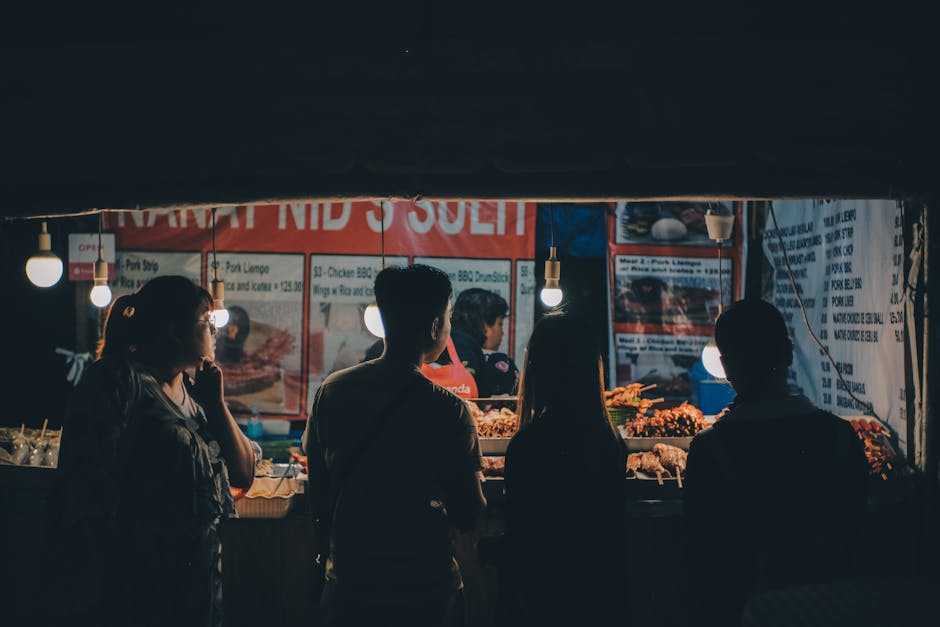
Penang’s George Town is a UNESCO World Heritage site and a street food haven. The island’s blend of Malay, Chinese, Indian, and Peranakan influences creates a uniquely layered cuisine. A food trail here might start with char kway teow—flat rice noodles stir-fried with prawns, cockles, and lap cheong sausage—at a hawker stall open since the 1950s.
Don’t miss the assam laksa, a tangy fish-based noodle soup flavored with tamarind and pineapple. Each vendor has a slightly different recipe, so trying multiple versions is part of the adventure. Many tours include a stop at a kopitiam (traditional coffee shop) for toast with kaya (coconut jam) and soft-boiled eggs.
For a cultural twist, some tours incorporate visits to clan jetties—floating villages where families have lived for generations. Here, you might sample homemade kuih (sweet rice cakes) and learn about Peranakan heritage.
4. Lyon, France – The Gastronomic Capital of France
Lyon is revered by food lovers for its bouchons—cozy, family-run restaurants serving rustic Lyonnaise fare like quenelles (fish dumplings), andouillette (tripe sausage), and salade lyonnaise. A food trail through the Croix-Rousse or Vieux Lyon districts introduces you to these intimate dining spots.
Visit Les Halles de Lyon Paul Bocuse, an indoor market named after the legendary chef. Sample saucisson, foie gras, and seasonal tarts from local producers. Many tours include a cheese counter visit, where affineurs explain the aging process for Comté and Bleu d’Auvergne.
Lyon also hosts regular food festivals, such as the Fête des Lumières, when chefs create edible light installations. These events blend art, community, and cuisine in unexpected ways.
5. Kyoto, Japan – Refined Flavors and Tradition
Kyoto’s cuisine reflects its history as Japan’s imperial capital. Kaiseki—a multi-course meal emphasizing seasonality and presentation—is best experienced in a ryokan or temple dining room. A food trail here might include a tea ceremony, where matcha is whisked with precision and served with a delicate wagashi sweet.
Explore Nishiki Market, known as “Kyoto’s Kitchen.” Sample pickled vegetables, yuba (tofu skin), and freshly made mochi. Many vendors offer samples, making it easy to taste before buying. Some tours include a visit to a tofu restaurant, where the dish is prepared in multiple forms—grilled, fried, or in a hot pot.
For a unique experience, join a vegetarian shojin ryori meal at a Buddhist temple. These plant-based dishes, rooted in Zen practice, highlight simplicity and mindfulness.
How to Plan Your Own Food Trail
Step 1: Choose a Destination with Strong Culinary Identity
Start by selecting a location known for its food culture. Research regions with distinct ingredients, cooking methods, or signature dishes. Cities like Bangkok, Marrakech, and Lima consistently rank high for food tourism due to their vibrant street food scenes and culinary innovation.
Consider seasonal factors. In Japan, spring brings cherry blossom-themed sweets, while winter in Norway features fermented fish and root vegetables. Timing your visit with a food festival—like Spain’s La Tomatina or Thailand’s Vegetarian Festival—can enhance your experience.
Step 2: Research Local Food Experiences
Look beyond restaurants. Seek out markets, cooking classes, farm visits, and food tours led by locals. Websites like Eatwith, Withlocals, and Airbnb Experiences list authentic, small-group activities. Read recent reviews to ensure quality and safety.
Check if tours accommodate dietary restrictions. Many guides can adjust menus for vegetarians, vegans, or those with allergies. Always communicate needs in advance.
Step 3: Build a Flexible Itinerary
Don’t overload your schedule. Allow time to digest—literally and figuratively. A typical food trail might include 3–4 tastings per day, spaced with walks or cultural stops. Overeating can lead to discomfort, especially in hot climates or when trying unfamiliar foods.
Include a mix of guided and self-guided activities. A morning market tour can be followed by free time to explore nearby cafes or bakeries. This balance prevents burnout and encourages spontaneous discoveries.
Step 4: Pack Smart and Stay Safe
Bring a reusable water bottle and hand sanitizer. In some destinations, tap water isn’t safe to drink, so stick to bottled or filtered options. Avoid ice in drinks unless you’re certain it’s made from purified water.
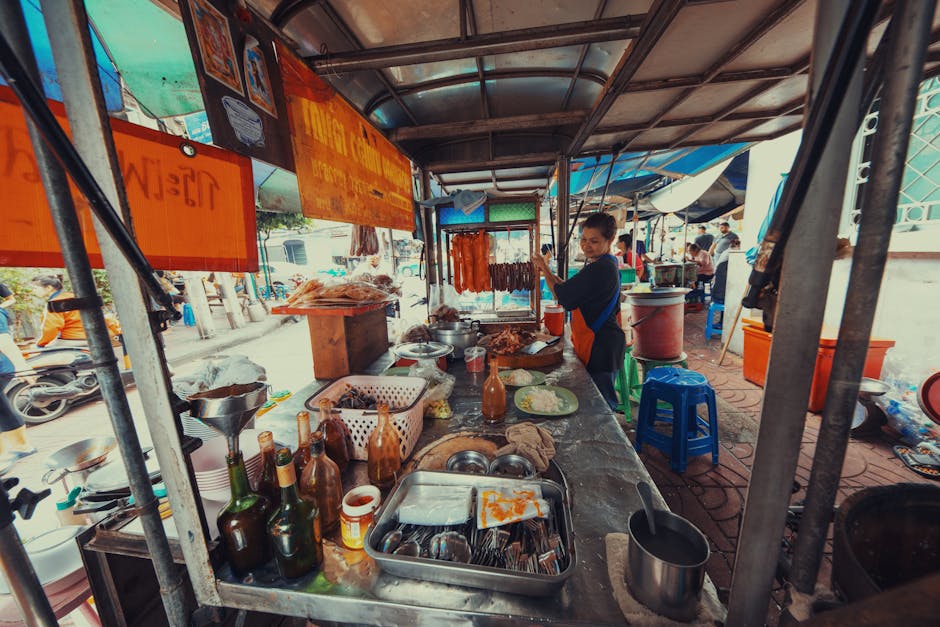
Be cautious with raw or undercooked foods, especially seafood and meat. Street food is generally safe in tourist-friendly areas, but observe hygiene practices—look for stalls with high turnover and clean preparation surfaces.
Carry a small first-aid kit with antacids and anti-diarrheal medication. Most digestive issues are mild and short-lived, but it’s wise to be prepared.
What to Expect on a Guided Food Tour
Guided food tours vary in length and focus. Most last 2–4 hours and include 4–6 tastings. A knowledgeable guide shares stories about ingredients, history, and local customs. In Istanbul, for example, a guide might explain how Ottoman palace cuisine influenced modern Turkish dishes.
Tours often begin and end at central locations, with walking distances kept manageable. Some include transportation, such as tuk-tuks in Bangkok or boats in Venice. Group sizes are typically small—6 to 12 people—to ensure personal attention.
Prices range from $30 to $150 per person, depending on the destination and inclusions. Higher-cost tours may feature premium items like truffles, caviar, or wine pairings. Always check what’s included—some exclude drinks or tips.
DIY Food Trails: Creating Your Own Culinary Route
Prefer independence? Design your own food trail using local knowledge. Start by asking hotel staff, tour guides, or fellow travelers for recommendations. Locals often know hidden gems that don’t appear in guidebooks.
Use food maps and apps like Google Maps (with filters for “local favorite” or “top rated”) or specialized platforms like TheFork or Zomato. Look for clusters of highly rated eateries in neighborhoods like Palermo in Buenos Aires or Kreuzberg in Berlin.
Create a themed trail—such as “Best Croissants in Paris” or “Spicy Noodles of Chengdu”—to add focus. This approach helps you compare similar dishes across different venues and appreciate subtle variations in preparation.
Keep a food journal to record impressions, locations, and standout dishes. Note what worked and what didn’t for future trips.
Cultural Sensitivity and Food Etiquette
Respect local customs when eating abroad. In many Asian countries, it’s polite to slurp noodles, while in parts of the Middle East, eating with your right hand is preferred. Research basic etiquette before you go.
Avoid photographing people without permission, especially in markets or private homes. Some cultures view food as sacred, and snapping pictures during a meal can be seen as disrespectful.
Tip appropriately. In the U.S., 15–20% is standard, but in Japan and South Korea, tipping is not customary and may even be refused. Check local norms to avoid awkwardness.
Sustainable and Ethical Food Tourism
Choose tours and vendors that prioritize sustainability. Look for operators that source ingredients locally, minimize plastic use, and pay fair wages. In Costa Rica, some coffee tours include reforestation efforts and worker housing support.
Avoid experiences that exploit animals or communities. Elephant rides and tiger temples, for example, often involve cruelty. Instead, support ethical wildlife sanctuaries or community-based tourism projects.
Reduce food waste by ordering only what you can eat. In some countries, doggy bags aren’t common, so plan portions carefully. Share dishes with travel companions to sample more without excess.
Seasonal Food Trails and Special Events
Timing your trip with a food festival can elevate your experience. In Italy, the Alba White Truffle Fair in October draws gourmets from around the world. In Mexico, Day of the Dead celebrations in early November feature elaborate altars with traditional sweets like pan de muerto.
Seasonal ingredients also shape food trails. In Scandinavia, summer foraging tours teach you to identify wild berries, mushrooms, and herbs. In India, monsoon season brings fresh coconut water and seasonal curries made with monsoon vegetables.
Check local tourism boards or food blogs for event calendars. Many festivals offer cooking demos, tastings, and workshops led by renowned chefs.
Final Tips for a Successful Food Adventure
Stay open-minded. Dishes like balut (developing duck embryo) in the Philippines or hákarl (fermented shark) in Iceland may challenge your palate, but they offer unique cultural insights.
Hydrate well and pace yourself. Spicy, rich, or unfamiliar foods can be intense. Drink water between tastings and take breaks when needed.
Support local artisans by purchasing packaged goods like sauces, spices, or snacks. These make meaningful souvenirs and help sustain small producers.
Finally, remember that food trails are about connection—to places, people, and traditions. Let curiosity guide your choices, and savor every bite.
FAQ
What is a food trail?
A food trail is a curated route that guides travelers through a destination’s key culinary experiences, such as markets, restaurants, cooking classes, and tastings. It emphasizes local flavors, traditions, and stories behind the food.
Are food tours safe for people with dietary restrictions?
Yes, many food tours can accommodate dietary needs like vegetarian, vegan, gluten-free, or allergy-friendly options. Always inform the tour operator in advance so they can adjust the itinerary accordingly.
How much do food tours usually cost?
Prices vary by location and length, typically ranging from $30 to $150 per person. Budget-friendly options exist in Southeast Asia and Latin America, while European and North American tours may be more expensive due to higher operating costs.