
Adventure Travel Places with Stunning Mountain Views
Looking for adventure travel places with stunning mountain views? You’re in the right spot. From snow-capped peaks to rugged alpine trails, these destinations offer breathtaking scenery and unforgettable outdoor experiences. Whether you’re hiking, climbing, or simply soaking in the vistas, these mountain escapes deliver both challenge and beauty. Below, we highlight some of the world’s most awe-inspiring mountain destinations perfect for adventure seekers.
Why Mountain Adventures Are Worth the Effort
Mountain travel isn’t just about scenic photos—it’s about transformation. The thin air, changing weather, and physical demands build resilience and deepen your connection to nature. Unlike beach vacations or city tours, mountain adventures require preparation and presence, making the rewards feel earned.
These trips often combine physical activity with cultural immersion. You might trek through remote villages, learn from local guides, or camp under star-filled skies. The combination of exertion and wonder creates memories that last a lifetime.
Top Adventure Travel Destinations with Iconic Mountain Views
1. The Himalayas, Nepal – Everest Base Camp Trek
The Everest Base Camp trek is the crown jewel of mountain adventures. Spanning 130 kilometers round-trip, this journey takes you through Sherpa villages, ancient monasteries, and high-altitude passes. The trail culminates at 5,364 meters, offering views of Everest, Lhotse, and Ama Dablam.
Most trekkers spend 12–14 days on the trail, acclimatizing gradually to avoid altitude sickness. Porters and teahouses make logistics manageable, but proper gear and physical fitness are essential. The best time to go is March to May or September to November.
2. Patagonia, Chile & Argentina – Torres del Paine Circuit
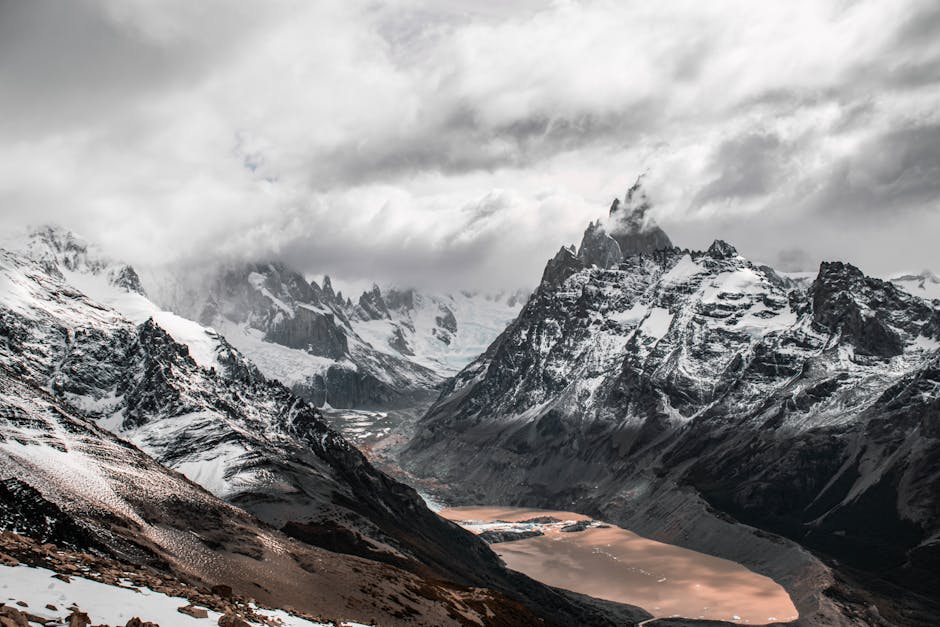
Torres del Paine National Park in Chilean Patagonia delivers dramatic granite towers, glacial lakes, and unpredictable weather. The full circuit is a 7–10 day trek covering 80–100 kilometers. Highlights include the French Valley and the base of the iconic Torres.
Wildlife sightings—guanacos, foxes, and condors—add to the experience. Due to strong winds and sudden storms, hikers should carry waterproof gear and be prepared for rapid weather changes. Camping is the most common accommodation, though refugios (mountain huts) offer basic shelter.
3. The Alps, Switzerland – Haute Route from Chamonix to Zermatt
The Alpine Haute Route is a classic high-mountain trek linking France and Switzerland. This 180-kilometer route crosses glaciers, cols over 3,000 meters, and alpine meadows. It typically takes 10–14 days, with mountain huts providing meals and lodging.
The trail offers views of Mont Blanc, the Matterhorn, and dozens of lesser-known peaks. It’s best suited for experienced hikers with glacier travel skills. Summer months (June to September) offer the most stable conditions.
4. The Canadian Rockies, Canada – Icefields Parkway & Skyline Trail
Canada’s Icefields Parkway stretches 230 kilometers through Banff and Jasper National Parks. It’s one of the most scenic drives in the world, flanked by glaciers, turquoise lakes, and towering peaks like Mount Columbia and Mount Athabasca.
For hikers, the Skyline Trail in Jasper is a standout. This 44-kilometer route features panoramic views, alpine tundra, and frequent wildlife encounters. Most complete it in 2–3 days, using backcountry campsites. July and August are ideal for clear trails and mild weather.
5. The Dolomites, Italy – Alta Via 1
The Dolomites in northern Italy are known for their jagged limestone formations and dramatic vertical relief. Alta Via 1 is a 120-kilometer trail that traverses the range from north to south, passing through UNESCO World Heritage sites.
Hikers stay in rifugios—mountain huts with beds, meals, and warm showers. The trail is well-marked and suitable for intermediate trekkers. Views of the Tre Cime di Lavaredo and Marmolada glacier are unforgettable. The season runs from late June to mid-September.
6. The Rwenzori Mountains, Uganda – Margherita Peak Ascent
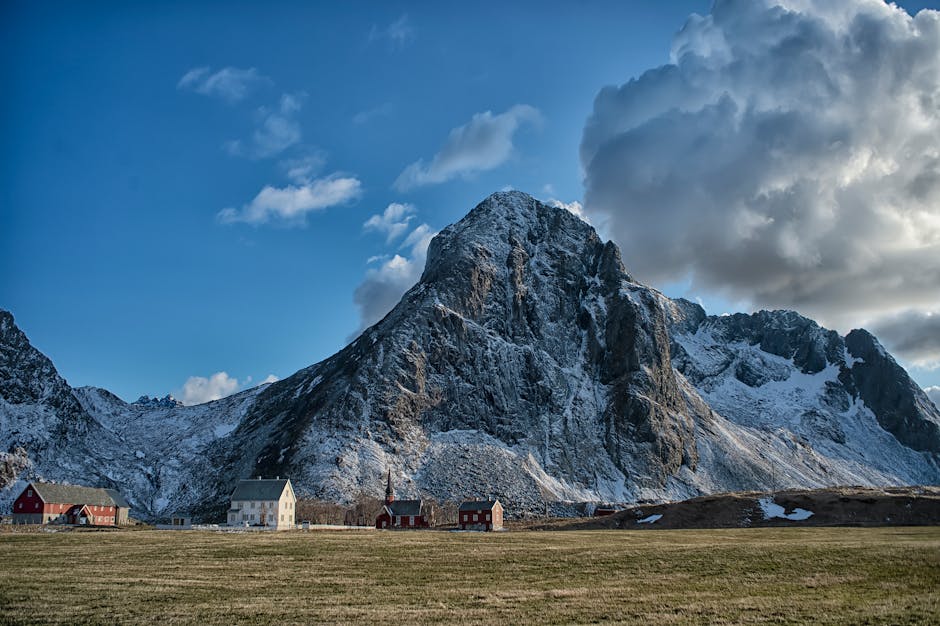
Often called the “Mountains of the Moon,” the Rwenzoris straddle the Uganda-Congo border. This equatorial range features snow-capped peaks, tropical glaciers, and lush montane forests. The main trek leads to Margherita Peak, Africa’s third highest summit at 5,109 meters.
The 7–9 day trek involves steep ascents, muddy trails, and river crossings. Acclimatization is critical due to high altitude. Local guides and porters are required, and permits must be arranged in advance. The dry seasons (June–August and December–February) are best for climbing.
7. The Karakoram Range, Pakistan – K2 Base Camp Trek
The K2 Base Camp trek in northern Pakistan is one of the most remote and challenging mountain journeys. K2, the world’s second-highest peak, rises sharply from the Baltoro Glacier. The trek covers 100 kilometers and takes 15–18 days.
Trekkers pass through the Concordia junction, where four of the world’s 14 highest peaks are visible. Logistics are complex—permits, flights to Skardu, and hiring local staff are all required. This trip is best for experienced adventurers with prior high-altitude experience.
8. The Sierra Nevada, USA – John Muir Trail
The John Muir Trail (JMT) runs 340 kilometers through California’s Sierra Nevada, from Yosemite Valley to Mount Whitney. It passes through three national parks and crosses over 10,000-foot passes. The trail is named after the famed naturalist and conservationist.
Most hikers take 3–4 weeks to complete the full route. Permits are competitive and must be reserved months in advance. Highlights include Evolution Valley, Thousand Island Lake, and the summit of Mount Whitney. Summer is the only viable season due to snow.
9. The Southern Alps, New Zealand – Routeburn Track
The Routeburn Track is one of New Zealand’s Great Walks, stretching 32 kilometers through Fiordland and Mount Aspiring National Parks. It connects the Hollyford Valley with the Dart River, crossing alpine saddles and beech forests.
The trek takes 2–4 days and is well-maintained with huts and bridges. Views of the Darran Mountains and Harris Saddle are spectacular. The track is popular, so bookings are essential. The best time is from October to April.
10. The Tian Shan, Kyrgyzstan – Ala-Kul Lake Trek
The Tian Shan range in Kyrgyzstan offers rugged, off-the-beaten-path adventures. The Ala-Kul Lake trek near Karakol is a 3-day journey leading to a glacial lake beneath 4,000-meter peaks. The trail passes through summer pastures and yurt camps.
Trekkers can stay in local yurts, experiencing nomadic culture firsthand. The region is remote, so self-sufficiency is key. Pack warm clothing, as temperatures drop quickly at night. July and August offer the most stable weather.
How to Choose the Right Mountain Adventure
Assess Your Fitness Level
Not all mountain treks are created equal. Some require technical climbing skills, while others are suitable for casual hikers. Be honest about your endurance, experience, and comfort with elevation.
For example, the Everest Base Camp trek is non-technical but involves long days at high altitude. In contrast, the Rwenzori trek includes steep, muddy sections and river crossings. Choose a trip that matches your ability.
Consider the Season and Weather
Mountain weather is unpredictable and can change rapidly. Research the best time to visit your chosen destination. Summer months generally offer the most stable conditions, but shoulder seasons may have fewer crowds.
In the Himalayas, monsoon season (June–September) brings heavy rain and landslides. In Patagonia, winter storms can close trails for days. Always check long-range forecasts and have a flexible itinerary.
Plan Logistics and Permits
Many mountain regions require permits, guide services, or advance reservations. For example, the John Muir Trail and Torres del Paine Circuit have strict permit systems. Failing to secure these can ruin your trip.
Flights to remote areas—like Skardu in Pakistan or Lukla in Nepal—can be weather-dependent. Build buffer days into your schedule. Also, research local customs and pack culturally appropriate clothing.
Essential Gear for Mountain Adventures
Clothing and Footwear
Layering is key. Use a moisture-wicking base layer, insulating mid-layer (like fleece or down), and a waterproof outer shell. Avoid cotton—it retains moisture and increases hypothermia risk.
Sturdy hiking boots with ankle support are essential. Break them in before your trip to prevent blisters. Gaiters and microspikes can be useful on snowy or muddy trails.
Navigation and Safety
Carry a detailed map, compass, and GPS device. Mobile coverage is often unavailable in remote areas. Learn basic navigation skills before departing.
A first-aid kit, headlamp, and emergency shelter (like a bivy sack) are non-negotiable. Inform someone of your itinerary and expected return date. Satellite communicators (e.g., Garmin inReach) add an extra layer of safety.
Food and Hydration
Pack high-calorie, lightweight foods: nuts, dried fruit, energy bars, and dehydrated meals. At high altitudes, appetite decreases, so eat regularly to maintain energy.
Hydration is critical. Use a water filter or purification tablets to treat stream water. Dehydration worsens altitude sickness symptoms.
Health and Safety Considerations
Altitude Sickness: Know the Signs
Altitude sickness affects nearly everyone above 2,500 meters. Symptoms include headache, nausea, dizziness, and fatigue. In severe cases, it can lead to high-altitude pulmonary edema (HAPE) or cerebral edema (HACE), both life-threatening.
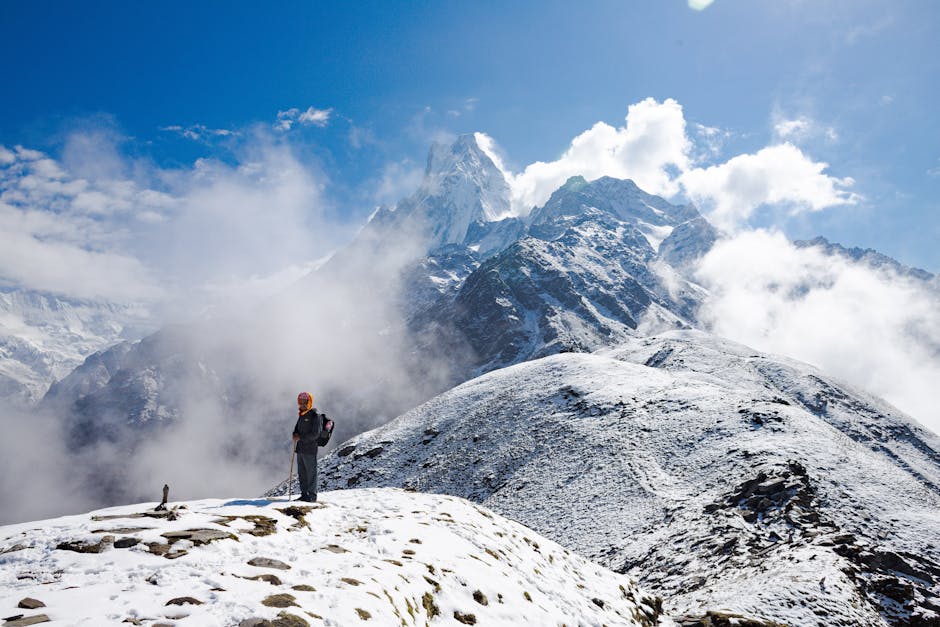
Ascend slowly—no more than 300–500 meters per day above 3,000 meters. Take rest days for acclimatization. Descend immediately if symptoms worsen. Medications like acetazolamide can help prevent illness.
Weather Preparedness
Mountain weather can shift from sunny to stormy in minutes. Hypothermia and heat exhaustion are real risks. Dress in layers and carry rain gear, even if the forecast looks clear.
Avoid exposed ridges during thunderstorms. Lightning strikes are common at high elevations. Seek shelter in valleys or dense forests if storms approach.
Wildlife and Terrain Hazards
Be aware of local wildlife. In North America, carry bear spray and store food properly. In Africa, avoid walking at night due to predators. In the Alps, rockfall and crevasses are hazards on glacier crossings.
Stay on marked trails to prevent getting lost. River crossings can be dangerous—wait for low water levels or use established bridges. Never hike alone in remote areas.
Cultural Respect and Environmental Responsibility
Leave No Trace Principles
Mountain ecosystems are fragile. Follow Leave No Trace principles: pack out all trash, bury human waste 15–20 cm deep and 60 meters from water, and avoid disturbing wildlife.
Use established campsites and fire rings where permitted. In many regions, campfires are banned due to fire risk and environmental damage. Use a camp stove instead.
Engage with Local Communities
Support local economies by hiring local guides, staying in community-run lodges, and buying handmade goods. Learn a few phrases in the local language to show respect.
Avoid intrusive photography of people or sacred sites. Ask permission before taking photos. Remember, you’re a guest in someone else’s home.
Final Thoughts: Making the Most of Your Mountain Adventure
Adventure travel in the mountains is about more than reaching a summit. It’s about the journey—the early morning starts, the shared meals with fellow travelers, the quiet moments watching the sunrise over a valley.
Choose a destination that challenges you but fits your experience level. Prepare thoroughly, respect the environment, and stay flexible. The mountains will test you, but they’ll also reward you with views and memories few places on Earth can match.
FAQ
What’s the best time of year for mountain trekking?
The ideal season varies by region. In the Himalayas and Alps, late spring to early autumn (May–September) offers stable weather. In Patagonia and New Zealand, the Southern Hemisphere summer (December–February) is best. Always research local conditions before booking.
Do I need a guide for mountain adventures?
It depends. In remote or high-risk areas like the Rwenzoris or Karakoram, guides are often required. In more established trails like the JMT or Routeburn Track, independent travel is possible—but a guide can enhance safety and cultural insight.
How can I prevent altitude sickness?
Ascend gradually, stay hydrated, and avoid alcohol. Take rest days every 3–4 days above 3,000 meters. If symptoms develop—headache, nausea, dizziness—descend immediately. Medications like acetazolamide can help, but consult a doctor before use.