
Complete Destination Guide to Mumbai for City Lovers
Mumbai, India’s bustling financial capital, blends colonial grandeur, coastal charm, and relentless energy into one unforgettable urban experience. Whether you’re drawn to historic landmarks, street food, Bollywood, or vibrant markets, this guide covers everything you need to explore Mumbai like a local. From must-see neighborhoods to hidden gems, transportation tips, and cultural etiquette, this comprehensive resource helps city lovers navigate Mumbai with confidence and curiosity.
Why Mumbai Captivates Urban Explorers
Mumbai isn’t just a city—it’s a living, breathing ecosystem of contrasts. Skyscrapers rise beside chawls (traditional tenement housing), and luxury boutiques share streets with roadside chaat stalls. The city pulses with ambition, creativity, and resilience, making it a magnet for travelers who thrive on authenticity and motion.
Unlike more tourist-centric Indian cities, Mumbai rewards those who embrace its pace. It’s not always clean or quiet, but it’s rarely dull. For city lovers, that’s the appeal: real life unfolding in real time.
Best Time to Visit Mumbai
The ideal window to visit Mumbai is between November and February. During these months, temperatures hover between 20°C and 30°C (68°F–86°F), and humidity drops significantly. This makes outdoor exploration—whether walking the Marine Drive promenade or touring the Gateway of India—far more comfortable.
Avoid the monsoon season (June to September) if possible. Heavy rains can flood streets, delay trains, and make sightseeing difficult. Summer (March to May) brings scorching heat and high humidity, which can be exhausting for first-time visitors.
Special Events to Consider
Plan around major festivals for a richer cultural experience. Diwali (October or November) lights up the city with fireworks and sweets, while Ganesh Chaturthi (August or September) features elaborate public processions and idol immersions. These events offer unique photo opportunities and community immersion—but also mean larger crowds and temporary closures.
Getting to Mumbai
Mumbai is well-connected by air, rail, and road. Chhatrapati Shivaji Maharaj International Airport (BOM) serves over 50 million passengers annually and offers direct flights from major global hubs like Dubai, London, Singapore, and New York.
Domestic travelers can reach Mumbai via Indian Railways. The city has two major terminals: Chhatrapati Shivaji Maharaj Terminus (CSMT) for long-distance trains and Mumbai Central for western line services. Both are central and well-linked to local transport.
Arrival Tips
Pre-book airport transfers or use app-based cabs like Uber or Ola to avoid overcharging. Taxis at the airport operate on a coupon system—purchase a ticket from the counter before heading to the pickup zone. Allow extra time during peak hours; traffic near the airport can be heavy even late at night.
Getting Around Mumbai
Mumbai’s public transport system is extensive, affordable, and efficient—if you’re prepared for the crowds. The backbone of local travel is the suburban railway network, with three main lines: Western, Central, and Harbour.
Trains run frequently from early morning until midnight. First-class AC coaches offer a more comfortable ride but cost slightly more. Avoid peak hours (8–10 AM and 6–9 PM) if you’re not used to packed compartments.
Local Trains: What to Expect
Trains are fast and cover long distances quickly. For example, a trip from Churchgate (South Mumbai) to Andheri (West) takes about 45 minutes and costs under ₹20. However, platforms can be chaotic, and signage is often in Marathi or Hindi. Download the “M-Indicator” app for real-time train schedules and platform updates.
Other Transport Options
Auto-rickshaws and taxis are ideal for short hops. Always insist on using the meter or agree on a fare beforehand to avoid disputes. App-based services like Uber and Ola are reliable and often cheaper than traditional taxis.
The Mumbai Metro is expanding rapidly. Line 1 (Versova–Ghatkopar) is fully operational and connects key residential and commercial areas. More lines are under construction, so check for updates before your trip.
Where to Stay in Mumbai
Accommodation in Mumbai ranges from budget hostels to five-star beachfront resorts. Your choice should align with your itinerary and travel style.
South Mumbai: Historic Heart
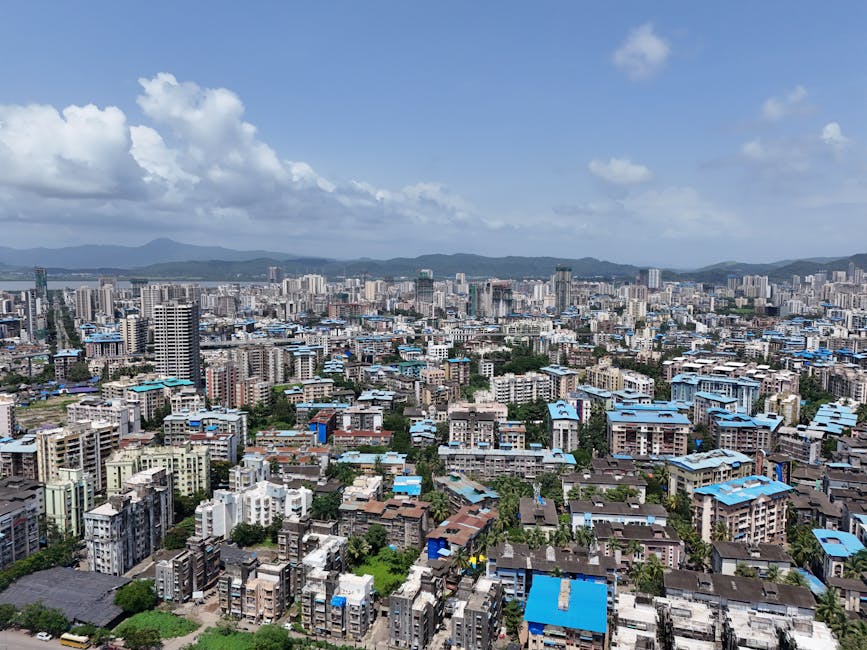
This area includes Colaba, Fort, and Marine Drive. It’s perfect for first-time visitors who want to be close to major attractions like the Gateway of India, Chhatrapati Shivaji Maharaj Terminus, and the Taj Mahal Palace Hotel. Expect higher prices and older buildings, but unmatched walkability.
Recommended stays: The Oberoi Mumbai (luxury), Colaba Causeway Guesthouse (mid-range), Zostel Mumbai (budget).
Western Suburbs: Local Life
Areas like Bandra, Juhu, and Andheri offer a mix of residential charm and urban convenience. Bandra is trendy, with cafes, boutiques, and a lively nightlife scene. Juhu Beach provides a relaxed vibe, while Andheri is a transport hub with easy access to the airport.
Recommended stays: Taj Lands End (luxury), The Resort (mid-range), Backpackers Villa (budget).
Central Suburbs: Practical and Affordable
Ghatkopar, Kurla, and Sion are less touristy but well-connected by metro and train. Ideal for longer stays or business travelers. Accommodation is more affordable, and you’ll experience daily Mumbai life up close.
Top Attractions in Mumbai
Mumbai’s landmarks reflect its layered history and cosmopolitan spirit. Prioritize these must-see sites to understand the city’s identity.
Gateway of India
Built in 1924 to commemorate King George V’s visit, this iconic basalt arch overlooks the Arabian Sea. It’s a popular meeting point and photo spot, especially at sunset. Nearby, the Elephanta Caves ferry departs from the same jetty—book tickets in advance during peak season.
Chhatrapati Shivaji Maharaj Terminus (CSMT)
A UNESCO World Heritage Site, this Victorian Gothic railway station blends Indian and British architecture. Arrive early to admire the intricate stone carvings and stained glass. Trains depart frequently, so it’s also a functional transit hub.
Marine Drive and Chowpatty Beach
Known as the “Queen’s Necklace” for its crescent-shaped promenade lit at night, Marine Drive is perfect for evening strolls. Chowpatty, at the northern end, is famous for street food like bhel puri and pani puri. Avoid swimming—the water isn’t safe.
Elephanta Caves
A short ferry ride from the Gateway of India, these 6th-century rock-cut caves feature stunning Shiva sculptures. The main cave houses a massive Trimurti statue. Wear comfortable shoes—there’s a steep climb to the caves.
Bandra-Worli Sea Link
This modern cable-stayed bridge offers panoramic views of the city skyline and coastline. Drive across it at night for the best lighting. It’s also a symbol of Mumbai’s infrastructural ambition.
Exploring Mumbai’s Neighborhoods
Each neighborhood tells a different story. Spend a day in each to grasp the city’s diversity.
Colaba: Tourist Hub with Colonial Flair
Home to art galleries, antique shops, and cafes, Colaba is walkable and safe. Visit the National Gallery of Modern Art or browse at The Bombay Store for souvenirs. Don’t miss a drink at Leopold Café—a historic spot popularized by the film “Slumdog Millionaire.”
Bandra: The Hip West
Bandra blends old-world charm with modern flair. Hill Road and Linking Road are shopping paradises. For a quieter experience, walk along Carter Road promenade or visit Mount Mary Church during the annual Bandra Fair.
Dharavi: The Reality of Urban Life
One of Asia’s largest slums, Dharavi is also a thriving industrial zone with small-scale recycling, pottery, and leather workshops. Guided tours (book through reputable operators) offer insight into daily life and economic activity. Respect privacy—no photography inside homes.
Kala Ghoda: Arts and Culture District
This pedestrian-friendly zone hosts the annual Kala Ghoda Arts Festival. Explore galleries like Chemould Prescott Road or relax at a sidewalk cafe. The area comes alive at night with music and street performances.
Food and Dining in Mumbai
Mumbai’s food scene is legendary—affordable, diverse, and deeply local. Street food is safe if you follow basic hygiene rules: eat where there’s a high turnover, avoid raw salads, and drink only bottled or filtered water.
Must-Try Street Foods
Start with vada pav—a spicy potato fritter in a bun, often called Mumbai’s burger. Pair it with misal pav, a fiery curry from Maharashtra. For snacks, try pav bhaji (vegetable mash with buttered bread) or sabudana vada (tapioca fritters).
At Chowpatty, sample bhel puri (puffed rice with tamarind sauce) and pani puri (crispy shells filled with spiced water). Finish with kulfi, a dense Indian ice cream.
Restaurant Recommendations
For fine dining, try The Table (Colaba) for modern Indian cuisine or Wasabi by Morimoto (Taj Mahal Palace) for Japanese. Mid-range options include Britannia & Co. (Parsi-Irani) and Trishna (seafood).
Budget travelers should visit local Irani cafes like Kyani & Co. or try thalis at Udipi restaurants for unlimited South Indian meals under ₹200.
Shopping in Mumbai
Mumbai offers everything from high-end fashion to bargain bazaars. Know where to go for what.
High-End and Boutiques
Palladium Mall (Lower Parel) and High Street Phoenix house international brands and designer stores. For Indian couture, visit Good Earth or Sabyasachi in Kala Ghoda.
Markets and Bazaars
Crawford Market (now Mahatma Jyotiba Phule Market) is ideal for spices, fruits, and souvenirs. Chor Bazaar (Thieves’ Market) sells antiques, vintage items, and second-hand goods—bargain hard.
For textiles, head to Mangaldas Market or Fabindia outlets. Don’t forget to pick up Kolhapuri chappals (traditional sandals) or handloom sarees as gifts.
Cultural Etiquette and Tips
Respect goes a long way in Mumbai. Dress modestly when visiting religious sites—cover shoulders and knees. Remove shoes before entering temples or homes.
Greetings are often a namaste (palms together) rather than a handshake, especially with elders. Public displays of affection are frowned upon.
Photography Guidelines
Always ask before photographing people, especially in slum areas or religious settings. Some monuments charge extra for camera use—check signs at entrances.
Language Tips
While English is widely spoken, learning a few Hindi or Marathi phrases helps. “Dhanyavaad” means thank you, and “Kitna hai?” asks for the price. Locals appreciate the effort.
Safety and Practical Advice
Mumbai is generally safe for tourists, but stay alert. Petty theft—like pickpocketing and bag snatching—occurs in crowded areas. Keep valuables secure and avoid flashing expensive gadgets.
Women travelers should use registered cabs at night and avoid isolated areas after dark. Stick to well-lit, busy streets.
Health Precautions
Drink only bottled or boiled water. Avoid ice in drinks unless you’re sure it’s made from purified water. Carry hand sanitizer and use it before eating street food.
Mosquito-borne diseases like dengue are a risk during monsoon. Use repellent and wear long sleeves in the evening.
Day Trips from Mumbai
If you have extra time, consider these nearby escapes.
Alibag
A coastal town 2 hours away by road or ferry, Alibag offers quiet beaches and historic forts like Kolaba. Ideal for a weekend getaway.
Lonavala and Khandala
These hill stations in the Western Ghats are popular for monsoon treks and viewpoints. The Bhaja and Karla Caves are nearby attractions.
Sanjay Gandhi National Park
Located within city limits, this park houses the Kanheri Caves and offers jungle trails. Entry requires a permit—book online in advance.
Final Tips for City Lovers
Mumbai rewards patience and curiosity. Embrace the chaos, talk to locals, and let the city surprise you. Start your day early to beat the heat and crowds. Carry a reusable water bottle and a small daypack for essentials.
Download offline maps and transport apps before arriving. Wi-Fi is available in most hotels and cafes, but mobile data can be spotty in underground stations.
Above all, keep an open mind. Mumbai isn’t perfect—but it’s alive, and that’s what makes it unforgettable.
FAQ
Is Mumbai safe for solo travelers?
Yes, Mumbai is generally safe for solo travelers, including women. Stick to busy areas, use trusted transport, and avoid walking alone late at night. Stay aware of your surroundings.
How many days are enough to explore Mumbai?
A minimum of 3–4 days is recommended to cover major attractions, neighborhoods, and food experiences. Add extra days if you plan day trips or want a slower pace.
Can I use credit cards everywhere in Mumbai?
Credit cards are accepted in malls, restaurants, and hotels, but many street vendors and small shops only take cash. Carry Indian rupees for local purchases.