
Best Travel Tips for Comfortable Road Trip Adventures
Planning a road trip? The key to a smooth journey isn’t just picking the right destination—it’s preparing for comfort, safety, and unexpected moments along the way. Whether you’re driving across states or exploring scenic backroads, these practical travel tips will help you stay relaxed, alert, and ready for anything. From packing essentials to managing fatigue, this guide covers everything you need for a truly enjoyable road trip adventure.
Plan Your Route—But Stay Flexible
Start with a clear route using reliable navigation apps like Google Maps or Waze. These tools offer real-time traffic updates, alternate routes, and estimated arrival times. Input your stops in advance, including gas stations, rest areas, and meal breaks.
However, don’t over-schedule. Allow room for spontaneous detours—like a hidden waterfall or a roadside diner with great pie. Rigid plans can lead to stress when delays happen. A flexible mindset turns hiccups into part of the adventure.
Use Offline Maps as a Backup
Cell service vanishes in rural areas and mountain passes. Download offline maps before you leave. Google Maps allows you to save regions for offline use—just search your destination, tap “Download,” and select the area.
This simple step prevents panic when you lose signal. It’s especially useful on cross-country trips through national parks or remote highways.
Pack Smart: Essentials Over Extras
Overpacking leads to cluttered seats and wasted space. Focus on versatile, multi-use items. A compact cooler, reusable water bottles, and a foldable tote can handle meals, snacks, and souvenirs.
Bring layers instead of bulky jackets. A lightweight fleece, rain shell, and warm hat cover most weather conditions. Roll clothes to save space and reduce wrinkles.
Create a Road Trip Emergency Kit
Your car should carry more than just snacks. Include jumper cables, a flashlight, first-aid supplies, tire inflator, and a basic toolkit. Add a portable phone charger and a paper map as backups.
Don’t forget medications, hand sanitizer, and wet wipes. These small items prevent discomfort during long stretches between stops.
Optimize Your Vehicle for Comfort
Your car is your temporary home. Adjust seats for proper lumbar support and ensure mirrors are set before hitting the road. Use seat cushions or rolled towels if needed.
Keep frequently used items within reach: phone mount, sunglasses, tissues, and a trash bag. A center console organizer helps reduce clutter and makes finding things easier.
Upgrade Your Audio Experience
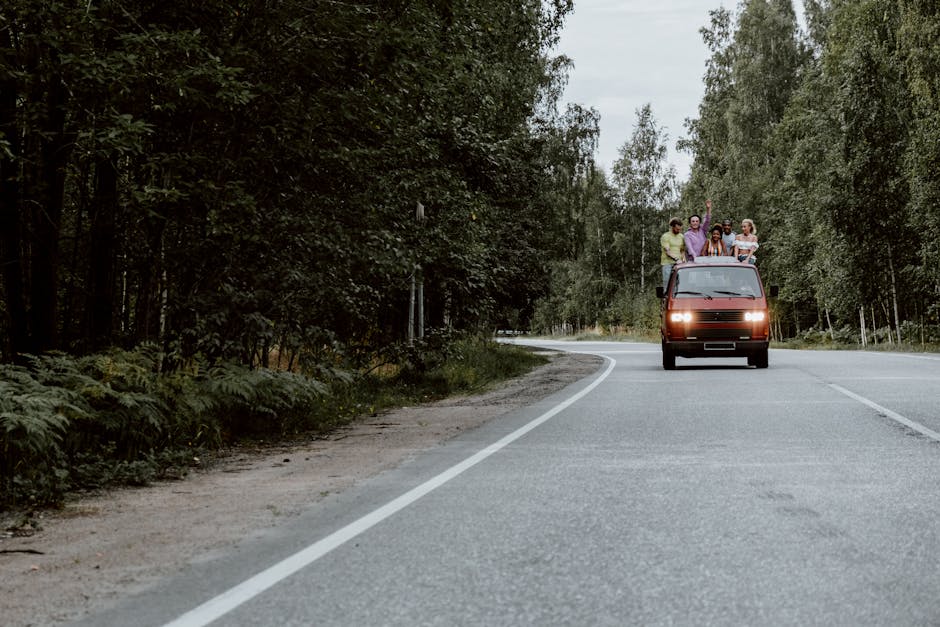
Music, audiobooks, and podcasts keep energy levels up. Create playlists in advance or subscribe to services with offline downloads. Avoid relying solely on radio—signal fades, and ads grow old fast.
Consider noise-canceling headphones for passengers, but never use them while driving. Stay aware of your surroundings at all times.
Take Regular Breaks to Stay Alert
Driving for hours without stopping increases fatigue and reduces reaction time. Aim to stop every two hours or 100 miles. Use rest areas, parks, or scenic overlooks to stretch and reset.
Walk around, do light stretches, and hydrate. Even a 10-minute break can refresh your focus. If you’re sharing driving duties, switch drivers during these stops.
Recognize the Signs of Driver Fatigue
Yawning, heavy eyelids, and drifting between lanes are red flags. If you notice these, pull over immediately. A short nap in a safe location can be more effective than pushing through.
Never rely on caffeine alone to stay awake. It’s a temporary fix, not a substitute for rest.
Stay Hydrated and Eat Well
Dehydration causes headaches, dizziness, and irritability. Keep water bottles in cup holders and sip regularly—even if you don’t feel thirsty.
Avoid sugary drinks and excessive caffeine. They lead to energy crashes. Instead, opt for water, herbal tea, or electrolyte drinks during long drives.
Pack Healthy Snacks
Fast food is convenient but often high in salt and fat. Bring nuts, fruit, granola bars, and cut vegetables. These keep energy stable and reduce post-meal sluggishness.
Pre-portion snacks into small containers to avoid overeating. This also makes sharing easier with passengers.
Manage Motion Sickness Proactively
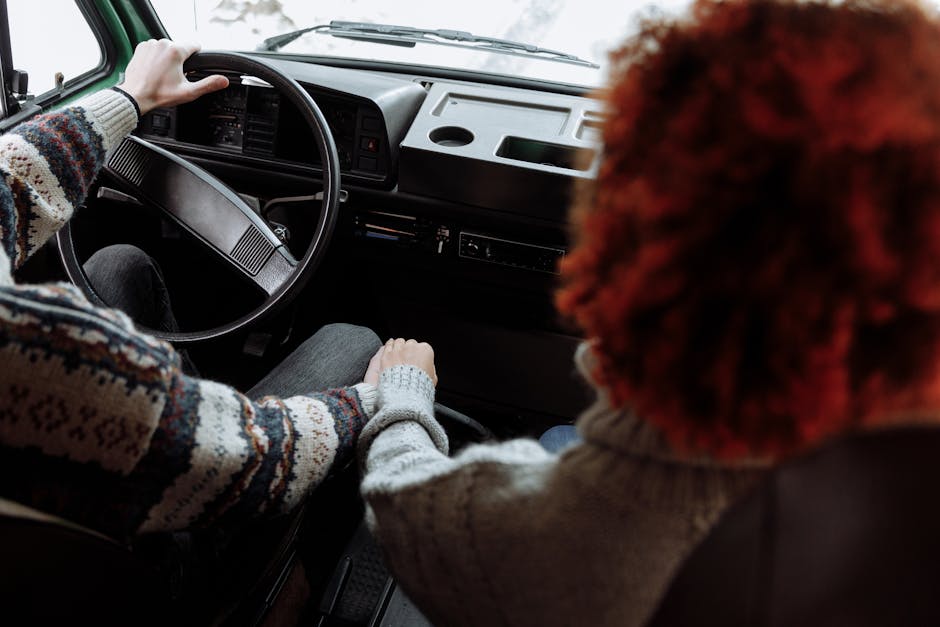
Some travelers feel nauseous, especially in back seats or on winding roads. Sit in the front if possible, and focus on the horizon rather than phones or books.
Ginger candies, acupressure bands, and fresh air through open windows can help. Avoid heavy meals before driving.
Use Technology Wisely
GPS and entertainment systems are helpful, but distractions are dangerous. Set your route before driving. Use voice commands for calls or messages.
Passengers can handle navigation and music changes. If you’re alone, pull over safely before adjusting settings.
Prepare for Weather and Road Conditions
Check the forecast for your entire route. Sudden storms, snow, or heatwaves can affect safety and comfort. Pack accordingly—rain gear, sun hats, or extra blankets.
In winter, carry tire chains and a snow shovel if traveling through mountain regions. Summer trips may require sunshades and extra coolant.
Know Your Vehicle’s Limits
Not all cars handle off-road trails or steep grades well. Stick to paved roads unless your vehicle is equipped for rough terrain. Overestimating capability leads to breakdowns.
Check tire pressure and tread depth before departure. Underinflated tires reduce fuel efficiency and increase blowout risk.
Keep Passengers Entertained and Engaged
Boredom leads to restlessness, especially with kids. Bring travel games, coloring books, or download movies for tablets. Rotate activities to maintain interest.
Encourage conversation and shared experiences. Play “I Spy,” share travel stories, or take turns picking the next song.

Set Ground Rules Early
Discuss expectations before leaving. Agree on music choices, snack sharing, and bathroom break frequency. Clear communication prevents conflicts.
Assign small responsibilities—like navigating or managing snacks—to keep everyone involved.
Document Your Journey Responsibly
Capture memories with photos and short videos, but never while driving. Use a dashboard mount or ask a passenger to record scenic views.
Keep a travel journal or voice notes to reflect on experiences. These personal records add meaning long after the trip ends.
Respect Local Communities
When stopping in small towns, support local businesses. Eat at family-owned restaurants, shop at farmers’ markets, and follow local customs.
Dispose of trash properly and leave natural areas as you found them. Responsible travel ensures these places remain beautiful for future visitors.
Final Pre-Departure Checklist
Before hitting the road, run through this quick list: confirm reservations, charge all devices, check oil and fluids, test lights and wipers, and review your route.
Share your itinerary with a trusted contact. Include estimated arrival times and key stops. This adds a layer of safety, especially on solo trips.
FAQ
How often should I stop during a long road trip?
Aim to stop every two hours or 100 miles. Use these breaks to stretch, hydrate, and rest your eyes. Regular stops improve focus and reduce fatigue.
What should I do if my car breaks down on a remote road?
Stay with your vehicle if it’s safe. Turn on hazard lights, place warning triangles if available, and call for roadside assistance. Keep emergency supplies accessible while waiting.
Can I sleep in my car during a road trip?
Yes, but only in safe, legal locations like rest areas, campgrounds, or designated overnight parking. Never sleep on active highways or private property without permission.