
Ultimate Destination Guide to Delhi for Busy Travelers
Delhi blends ancient history, vibrant culture, and modern energy—all in one fast-paced city. For busy travelers with limited time, navigating India’s capital can feel overwhelming. This guide cuts through the noise with a practical, time-smart itinerary covering must-see sights, efficient transport, local food, and essential tips. Whether you have one day or three, you’ll experience Delhi’s essence without the stress. From Mughal monuments to bustling bazaars and quiet spiritual retreats, we’ve prioritized what matters most so you can explore confidently and efficiently.
Why Delhi Is Worth Your Limited Time
Delhi isn’t just a transit hub—it’s a destination packed with layered history and sensory richness. Unlike other Indian cities, Delhi offers a compact cluster of UNESCO sites, world-class museums, and diverse neighborhoods within easy reach. You can see a 17th-century fort, taste street food from five regions, and attend an evening aarti ceremony—all in one afternoon. For travelers short on time but eager for depth, Delhi delivers unmatched variety and accessibility.
Best Time to Visit Delhi
The ideal window to visit Delhi is between October and March, when temperatures are mild and air quality is relatively better. Winter mornings are crisp, making it perfect for exploring outdoor monuments. Avoid April to June, when heat often exceeds 40°C (104°F), and monsoon season (July–September), which brings humidity and occasional flooding. If you’re passing through during peak summer, plan indoor activities for midday and carry water, sunscreen, and light clothing.
How to Get Around Delhi Efficiently
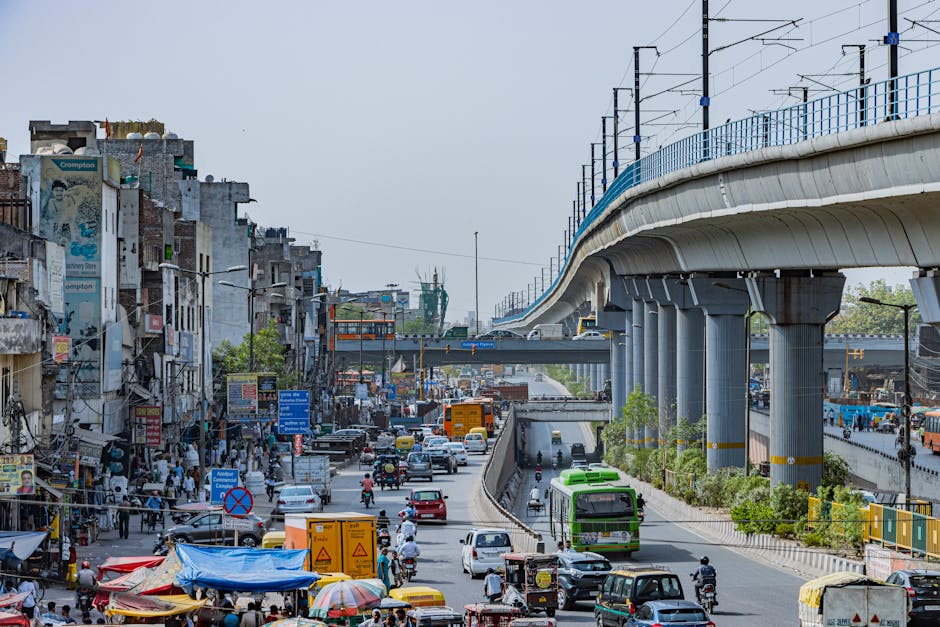
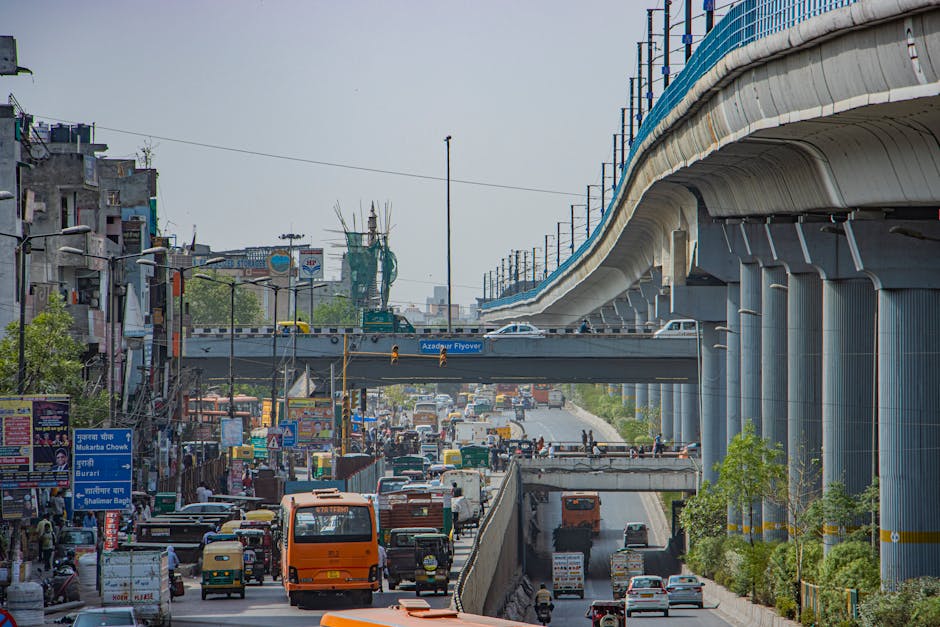
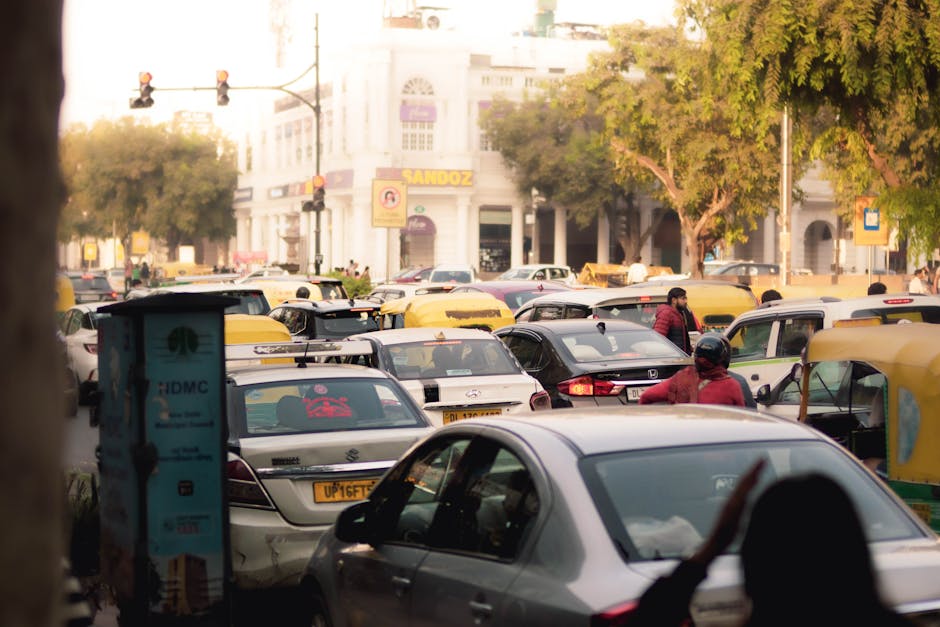
Delhi’s metro system is clean, affordable, and connects major tourist zones. Use the Delhi Metro Rail Corporation (DMRC) app to plan routes—lines like Yellow, Red, and Violet cover key areas including Connaught Place, Chandni Chowk, and Qutub Minar. For short hops, prepaid auto-rickshaws or ride-hailing apps like Uber and Ola are reliable. Avoid driving yourself; traffic is unpredictable and parking is scarce. Always confirm fares before boarding autos to avoid overcharging.
Metro Tips for First-Time Users
Purchase a smart card at any station for seamless transfers and discounts. Women can use reserved coaches during peak hours. Keep your belongings secure—pickpocketing occurs in crowded trains. Stations are well-marked in English and Hindi, and staff are generally helpful. Avoid rush hours (8–10 AM and 6–9 PM) if possible.
Top Attractions for Time-Strapped Travelers
Focus on central clusters to minimize travel time. Spend half a day in Old Delhi for history and flavor, then shift to New Delhi for museums and green spaces. Prioritize based on your interests—architecture, food, spirituality, or shopping—but don’t miss these standout sites.
Old Delhi: A Walk Through Time
Start at Red Fort, a UNESCO site built by Emperor Shah Jahan in 1648. Allocate 60–90 minutes to explore its palaces, gardens, and museum. Just a 10-minute walk away, Jama Masjid—one of India’s largest mosques—offers panoramic views from its minarets. End at Chandni Chowk, where narrow lanes burst with spice shops, sweet stalls, and textile vendors. Try paranthas at Paranthe Wali Gali—a local institution since 1870.
New Delhi: Imperial Grandeur and Modern Life
India Gate and Rashtrapati Bhavan sit along Rajpath, a wide boulevard perfect for a morning stroll. Visit Humayun’s Tomb, a precursor to the Taj Mahal, set in serene gardens. For art and history, the National Museum houses over 200,000 artifacts—focus on the Indus Valley and miniature painting galleries if short on time. Lodi Gardens offers a peaceful escape with tombs from the 15th century.
Spiritual and Cultural Stops
Bangla Sahib Gurudwara welcomes all visitors for free meals and peaceful reflection. Lotus Temple, shaped like a blooming flower, hosts interfaith dialogues and quiet meditation. Both are easily accessible by metro and require modest dress—cover shoulders and knees.
Where to Eat: Quick, Authentic, and Safe
Delhi’s food scene rewards the adventurous but demands caution. Stick to busy stalls with high turnover—freshness is key. In Old Delhi, Karim’s near Jama Masjid serves legendary mutton burra kebabs since 1913. For vegetarian thalis, try Bhojanalya in CP or Saravana Bhavan for South Indian dosas. Avoid raw salads and unpeeled fruits; opt for piping-hot dishes and bottled water.
Street Food Essentials
Must-tries include chaat (spiced potato snack), aloo tikki (fried potato patties), and jalebi (syrupy spirals). Try golgappas (puffed crisps filled with tangy water) at Natraj or Sita Ram Diwan Chand for their iconic chole bhature. Always observe hygiene: look for vendors using gloves and clean utensils.
Smart Itineraries for Different Timeframes
Tailor your trip based on how many hours you have. These sample plans maximize sightseeing while minimizing backtracking.
One Full Day in Delhi
Morning: Red Fort and Jama Masjid (8–11 AM). Late morning: Walk through Chandni Chowk, sample street food. Afternoon: Metro to India Gate and Rashtrapati Bhavan (1–3 PM). Late afternoon: Humayun’s Tomb (3:30–5 PM). Evening: Dinner at Khan Market or Connaught Place.
Two Days: Deeper Exploration
Day 1: Old Delhi circuit plus evening at Chandni Chowk. Day 2: New Delhi—National Museum, Lodi Gardens, and Lotus Temple. Add a sunset visit to Qutub Minar if time allows (open until 5 PM).
Half-Day Option
Focus on one zone: either Old Delhi (Red Fort, Jama Masjid, Chandni Chowk) or New Delhi (India Gate, Humayun’s Tomb, Lodi Gardens). Use metro or taxi to move quickly between sites.
Safety and Cultural Etiquette
Delhi is generally safe for tourists, but stay alert in crowded areas. Keep your bag in front, avoid flashing valuables, and use hotel safes. Women should dress modestly—long pants or skirts and covered shoulders are respectful and practical. Always ask before photographing people, especially in religious spaces.
Common Scams to Avoid
Beware of “free” guides offering tours near monuments—they often demand high fees. Ignore unsolicited help with metro tickets or directions to closed attractions. Only use authorized taxi counters at airports and stations.
Where to Stay: Convenient and Comfortable
Choose accommodations near metro lines for easy access. Connaught Place offers central location and business amenities. Paharganj is budget-friendly and close to Old Delhi. For luxury, look near Chanakyapuri or Saket. Mid-range options like The Claridges or Bloomrooms provide good value and reliable Wi-Fi.
Booking Tips
Book at least two weeks ahead during peak season (October–March). Check recent guest reviews for cleanliness and noise levels. Confirm if breakfast and airport transfers are included.
Essential Packing List for Delhi
Pack light but smart. Essentials include: comfortable walking shoes, lightweight long sleeves and pants, hand sanitizer, reusable water bottle with filter, portable charger, and a small daypack. A scarf or shawl doubles as a head cover for temples. Bring earplugs—Delhi is noisy, even at night.
Connectivity and Communication
Purchase a local SIM card at the airport (Airtel or Jio) with proof of ID and passport photo. Most hotels and cafes offer free Wi-Fi, but mobile data ensures navigation and ride-hailing work smoothly. Download offline maps via Google Maps before heading out.
Final Tips for Busy Travelers
Start early—most sites open by 9 AM and are less crowded. Carry small change for entry fees and tips. Download the UMANG app for government services like metro top-ups. Respect local customs: remove shoes before entering religious sites and avoid public displays of affection.
FAQ
Is Delhi safe for solo travelers?
Yes, Delhi is generally safe for solo travelers who stay aware and follow basic precautions. Stick to well-lit, populated areas, especially at night, and avoid isolated spots. Women traveling alone should consider using registered cabs and sharing itineraries with someone trusted.
How many days do I need to see Delhi properly?
Two full days allow a balanced experience of Old and New Delhi. With only one day, focus on one zone to avoid rushing. Three days let you add day trips like Agra or Neemrana if your schedule permits.
Can I drink tap water in Delhi?
No. Always drink bottled or filtered water. Avoid ice in drinks unless you’re sure it’s made from purified water. Most hotels provide filtered dispensers—refill your bottle there.