
Ultimate Adventure Travel Guide to Desert Journeys
Planning a desert adventure? Whether you’re drawn to the vast dunes of the Sahara, the stark beauty of the Atacama, or the red sands of the Australian Outback, this guide delivers everything you need to prepare, pack, and thrive in one of Earth’s most extreme environments. From essential gear to cultural tips and safety precautions, we’ll walk you through each step so your journey is unforgettable—not dangerous. Desert travel offers raw beauty and profound solitude, but it demands respect for heat, isolation, and unpredictable conditions. With the right planning, your expedition can be both thrilling and safe.
Why Choose a Desert Adventure?
Deserts captivate travelers with their dramatic landscapes, clear night skies, and deep cultural histories. Unlike typical beach or mountain getaways, desert journeys offer a sense of remoteness and introspection that’s hard to match. The silence, the scale, and the simplicity of desert life can be transformative.
Popular destinations like Morocco’s Erg Chebbi, Namibia’s Sossusvlei, and Utah’s Canyonlands attract adventurers seeking both physical challenge and spiritual renewal. These regions also support unique ecosystems and ancient traditions, making them ideal for travelers who value authenticity and sustainability.
Desert travel isn’t just for thrill-seekers. Families, photographers, and solo wanderers alike find value in the slow pace and minimal distractions. Just remember: what looks serene in photos can be unforgiving in reality. Preparation is key.
Top Desert Destinations Around the World
1. Sahara Desert, Morocco
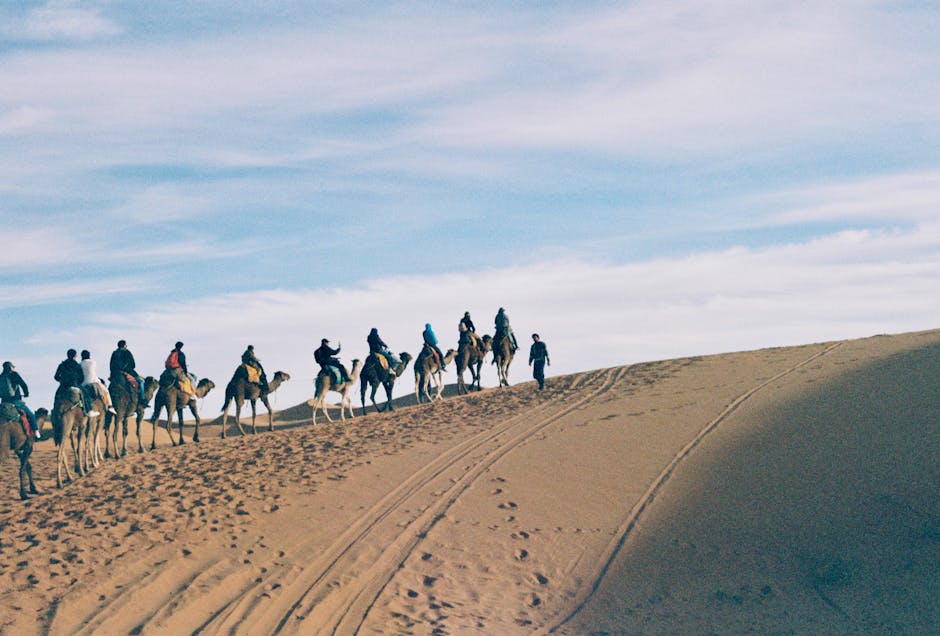
The Sahara is the world’s largest hot desert and a classic choice for first-time desert travelers. Erg Chebbi, near Merzouga, offers accessible dunes perfect for camel treks and overnight stays in Berber camps. Sunset views from the dunes are legendary, and stargazing is exceptional due to minimal light pollution.
Best time to visit: October to April, when temperatures are mild. Summer days can exceed 110°F (43°C), making daytime travel risky.
2. Atacama Desert, Chile
The Atacama is the driest non-polar desert on Earth. Located in northern Chile, it features salt flats, geysers, and high-altitude lagoons. San Pedro de Atacama serves as the main gateway, offering guided tours to Valle de la Luna and El Tatio geysers.
Altitude can reach over 10,000 feet, so acclimatization is essential. Drink plenty of water and avoid strenuous activity on your first day.
3. Namib Desert, Namibia
Home to some of the world’s tallest sand dunes, the Namib Desert is a photographer’s dream. Sossusvlei’s red dunes contrast sharply with white salt pans and dead camel thorn trees. Early morning hikes offer the best light and cooler temperatures.
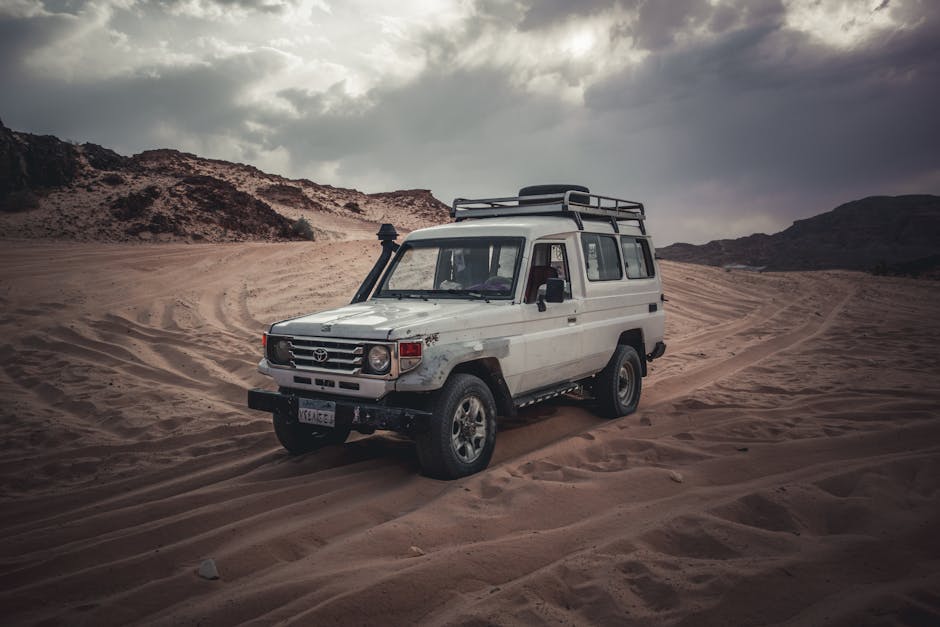
Access is via 4×4 vehicles or guided tours. Self-driving is possible but requires experience with sand driving and recovery techniques.
4. Sonoran Desert, USA (Arizona & California)
The Sonoran Desert spans parts of the southwestern United States and northwestern Mexico. It’s one of the most biologically diverse deserts, home to saguaro cacti, roadrunners, and Gila monsters. Popular areas include Saguaro National Park and Anza-Borrego Desert State Park.
Spring wildflower blooms are a major draw. Summer brings extreme heat, so plan visits between November and March.
5. Wadi Rum, Jordan
Known as the “Valley of the Moon,” Wadi Rum’s red sandstone formations and narrow canyons have made it a filming location for movies like The Martian and Lawrence of Arabia. Bedouin-led tours offer camel rides, jeep safaris, and overnight stays in traditional camps.
Respect local customs: dress modestly and accept hospitality with gratitude. Most guides speak basic English and are deeply knowledgeable about the land.
Essential Gear for Desert Travel
Proper equipment can mean the difference between a great trip and a dangerous one. Desert environments test limits—your gear should support, not hinder, your journey.
Clothing and Footwear
Choose loose, long-sleeved clothing made from breathable, moisture-wicking fabrics like merino wool or synthetic blends. Light colors reflect sunlight, while dark colors absorb heat.
A wide-brimmed hat, UV-blocking sunglasses, and a shemagh (traditional scarf) are non-negotiable. The shemagh protects your face from sun, wind, and sand.
Footwear should be closed-toe, broken-in hiking boots or trail shoes. Sandals may seem tempting, but they offer little protection from sharp rocks or hot ground. Gaiters can help keep sand out of your shoes.
Hydration and Nutrition
Carry at least one gallon (4 liters) of water per person per day. In extreme heat, you may need more. Use insulated water bottles or hydration bladders to keep water cool.
Electrolyte tablets or powders help prevent dehydration and cramping. Avoid alcohol and caffeine, which increase fluid loss.
Pack high-calorie, non-perishable snacks: nuts, dried fruit, energy bars, and jerky. Avoid salty foods that increase thirst.
Shelter and Sleep Systems
If camping, use a tent designed for wind and sand. Secure it with heavy-duty stakes and guylines. A footprint or tarp underneath protects the floor.
Sleeping bags should be rated for the expected nighttime temperatures, which can drop below freezing even in summer. A sleeping pad provides insulation from the cold ground.
For overnight stays in established camps, confirm amenities in advance. Some offer beds and meals; others are more basic.
Navigation and Communication
GPS devices and offline maps (via apps like Gaia GPS or Maps.me) are essential. Paper maps and a compass are backups—batteries die, signals fade.
Carry a satellite communicator (e.g., Garmin inReach) if traveling in remote areas with no cell service. These allow emergency SOS signals and two-way texting.
Always share your itinerary with someone at home. Include route, expected return time, and emergency contacts.
Safety Tips for Desert Travel
Deserts are beautiful but hazardous. Heat exhaustion, dehydration, and getting lost are real risks—even for experienced travelers.
Heat Management
Travel during early morning or late afternoon. Avoid midday sun between 10 a.m. and 4 p.m., when UV radiation peaks.
Take frequent breaks in shade. Use a portable pop-up shelter or tarp if natural shade is unavailable.
Recognize signs of heat exhaustion: dizziness, nausea, headache, rapid pulse. Move to shade, hydrate, and cool the body with wet cloths. Seek medical help if symptoms worsen.
Water Conservation
Drink small amounts regularly rather than large quantities at once. This helps your body absorb water more efficiently.
Avoid sweating unnecessarily. Rest often and move slowly. Wet your hat or scarf to cool your head through evaporation.
Never ration water in hopes of making it last. Dehydration impairs judgment and increases risk of heatstroke.
Vehicle Preparedness (for Overland Trips)
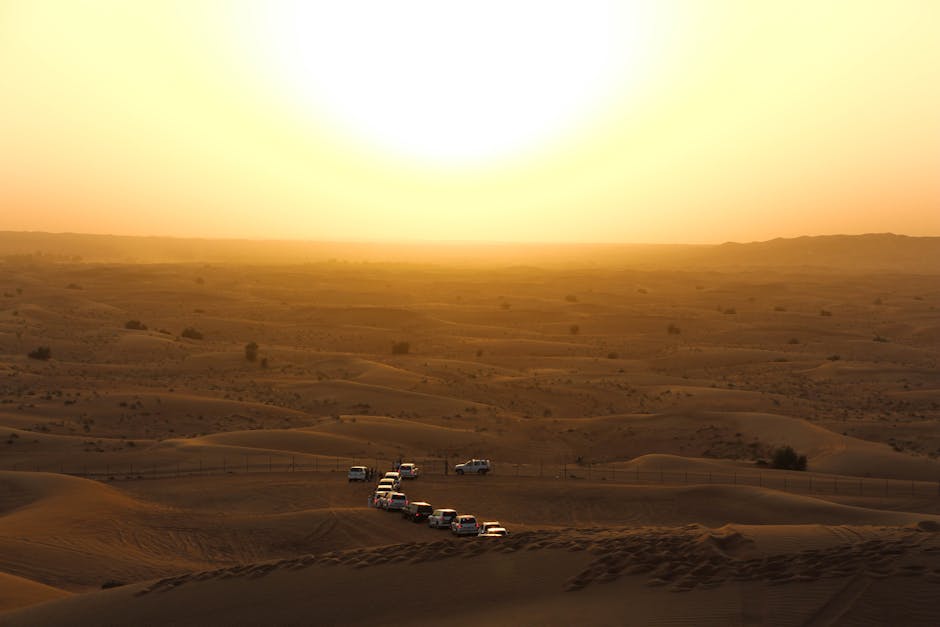
If driving, use a 4×4 vehicle with high clearance. Check tire pressure, coolant levels, and spare parts before departure.
Carry extra fuel, water, and recovery gear (tow straps, shovel, sand ladders). Let someone know your route and check in regularly.
Never drive off marked trails. Getting stuck in soft sand can strand you for days without help.
Cultural Respect and Sustainable Travel
Many desert regions are home to Indigenous communities with deep ties to the land. Respecting their culture and environment is part of responsible travel.
Engage with Local Guides
Hire local guides whenever possible. They offer invaluable knowledge about terrain, weather, and customs. In places like Wadi Rum or the Sahara, Bedouin guides enhance your experience and support the local economy.
Ask permission before photographing people or sacred sites. A smile and a simple greeting in the local language go a long way.
Leave No Trace
Pack out all trash, including biodegradable items like fruit peels. Desert ecosystems recover slowly from disturbance.
Use established campsites and trails. Avoid trampling vegetation or disturbing wildlife.
Minimize fire use. In many deserts, firewood is scarce and open fires are prohibited. Use a camp stove instead.
Planning Your Desert Itinerary
A well-structured itinerary balances adventure with safety. Overambitious plans can lead to exhaustion or danger.
Step 1: Choose Your Destination and Season
Research climate patterns and peak seasons. For example, avoid the Sahara in July or the Atacama during winter storms.
Consider travel time, visa requirements, and local events. Some areas have restricted access during religious holidays.
Step 2: Book Accommodations and Tours
Reserve camps, lodges, or guided tours in advance—especially during high season. Popular spots like Erg Chebbi fill up quickly.
Read reviews and confirm what’s included: meals, transport, equipment, and guide qualifications.
Step 3: Prepare Physically and Mentally
Desert travel can be physically demanding. Build endurance with hikes and heat acclimatization walks before your trip.
Mentally prepare for isolation and discomfort. Bring books, music, or journals to stay engaged during downtime.
Step 4: Final Checks Before Departure
Verify your gear list. Test all equipment, including stoves, lights, and communication devices.
Check weather forecasts and road conditions. Adjust plans if storms or extreme heat are predicted.
Carry printed copies of important documents: passport, insurance, emergency contacts, and itinerary.
Common Challenges and How to Overcome Them
Sand in Everything
Sand gets into shoes, bags, food, and electronics. Use zip-top bags for small items and seal zippers with tape.
At camp, establish a “clean zone” for cooking and sleeping. Shake out gear daily.
Getting Lost
Even with GPS, it’s easy to lose orientation in featureless terrain. Mark waypoints and note landmarks.
If lost, stop, stay calm, and assess. Use your satellite communicator to call for help. Don’t wander—rescuers can locate you faster if you stay put.
Nighttime Cold
Desert temperatures can plummet after sunset. Layer clothing and use a warm sleeping bag.
Sleep in your day clothes and add a hat and gloves. A hot water bottle in your sleeping bag adds comfort.
Final Thoughts
Desert journeys offer some of the most rewarding travel experiences on the planet. The silence, the stars, and the sense of accomplishment are unmatched. But these environments demand preparation, respect, and humility.
With the right gear, knowledge, and mindset, your desert adventure can be safe, enriching, and deeply memorable. Start small if you’re new to desert travel—choose a guided tour or a well-traveled route. As you gain experience, you can venture further into the unknown.
Remember: the desert gives generously to those who prepare well and leave only footprints.
FAQ
What should I pack for a week-long desert trek?
Essentials include 4+ liters of water per day, sun protection (hat, sunglasses, sunscreen), layered clothing, a first-aid kit, navigation tools, a satellite communicator, high-calorie food, and a reliable shelter. Don’t forget a headlamp, extra batteries, and a repair kit.
Is it safe to travel alone in the desert?
Solo travel increases risk due to isolation and lack of immediate help. If you go alone, carry a satellite communicator, share your itinerary, and stick to well-marked routes. For most travelers, joining a guided group is safer and more enjoyable.
How do I avoid dehydration in extreme heat?
Drink water regularly, even if you don’t feel thirsty. Use electrolyte supplements, avoid alcohol and caffeine, and minimize activity during peak heat. Wear breathable clothing and take frequent shade breaks.