
Food and Culinary Travel Ideas for Scenic Food Trips
Scenic food trips blend breathtaking landscapes with unforgettable flavors. Whether you’re winding through vineyard-covered hills, exploring coastal fishing villages, or trekking mountain markets, these journeys offer more than just meals—they deliver cultural immersion. The best culinary travel ideas combine regional specialties, local producers, and stunning backdrops to create experiences that satisfy both palate and perspective. From Tuscan farm-to-table dinners to seafood feasts on Thai islands, scenic food trips turn every bite into a memory.
Planning a trip around food and scenery isn’t just about where you eat—it’s about how the journey shapes the experience. A meal served beside a glacier-fed lake in New Zealand tastes different from the same dish in a city restaurant. The setting, the people, and the story behind the ingredients elevate simple dining into something transformative. This guide offers practical, inspiring food and culinary travel ideas for scenic food trips across continents, with real destinations, seasonal tips, and insider advice.
Why Scenic Food Trips Are Worth the Journey
Food travel has evolved beyond checking off Michelin-starred restaurants. Today’s travelers seek authenticity, connection, and atmosphere. Scenic food trips answer that call by pairing exceptional cuisine with environments that enhance the sensory experience. Imagine sipping saffron-infused tea in a Moroccan oasis or sharing grilled lamb under starlit skies in Patagonia—these moments stick with you long after the last bite.
Natural beauty adds emotional weight to meals. A picnic in a lavender field in Provence or a riverside curry in Kerala feels more intimate and meaningful than indoor dining. The environment influences taste perception, mood, and memory. Studies suggest that eating in visually pleasing settings can enhance flavor recognition and satisfaction. That’s why scenic food trips aren’t just indulgent—they’re deeply satisfying.
Top Destinations for Scenic Food Trips
Certain regions naturally lend themselves to food and scenery. These destinations offer a mix of iconic dishes, local traditions, and landscapes that frame every meal like a postcard.
1. Tuscany, Italy – Rolling Hills and Rustic Flavors
Tuscany is the gold standard for scenic food travel. Vineyards stretch across sun-drenched hills, olive groves shimmer in the breeze, and medieval towns dot the horizon. The cuisine is simple but profound: handmade pici pasta, pecorino cheese aged in caves, and Chianti wine poured straight from the barrel.
Stay on an agriturismo farm where breakfast includes fresh figs, ricotta, and honey from on-site hives. Join a truffle hunt in the autumn woods near San Miniato. Dine alfresco at a family-run trattoria with views of cypress-lined roads. The region’s slow food ethos matches its unhurried pace—perfect for travelers who want to savor every moment.
2. Hokkaido, Japan – Fresh Seafood and Snow-Capped Peaks
Hokkaido’s dramatic seasons and pristine waters make it ideal for scenic food trips. In winter, warm up with miso ramen beside a frozen lake. In summer, feast on uni (sea urchin) and crab at a seaside market in Otaru. The island’s dairy farms produce some of Japan’s creamiest milk and richest ice cream.
Visit a sake brewery in the mountains, where rice fields meet snowdrifts. Take a boat tour through the Shiretoko Peninsula and enjoy a kaiseki meal prepared with foraged herbs and wild salmon. The contrast of cold air and hot broth, of silence and flavor, creates a uniquely Japanese culinary experience.
3. The Amalfi Coast, Italy – Cliffside Dining and Citrus Groves
Perched above the Tyrrhenian Sea, the Amalfi Coast offers some of the world’s most photogenic food settings. Lemon trees cling to terraced hillsides, fishing boats bob in pastel-colored harbors, and family-run restaurants serve spaghetti alle vongole with ocean views.
Take a cooking class in Positano, where you’ll learn to make limoncello using locally grown Sfusato lemons. Hike the Path of the Gods and stop for a picnic of mozzarella di bufala, sun-ripened tomatoes, and crusty bread. The region’s cuisine is bright, acidic, and deeply tied to the sea—perfect for travelers who love fresh, simple ingredients.
4. Oaxaca, Mexico – Mountains, Markets, and Mole
Oaxaca’s rugged Sierra Madre mountains and vibrant markets make it a standout for scenic food trips. The state is known for its seven varieties of mole, hand-ground tortillas, and mezcal distilled in clay pots. Meals here are deeply cultural, often tied to festivals, family, and ancestral recipes.
Visit a coffee farm in the highlands and sip brews grown in volcanic soil. Explore the Mercado de la Merced in Oaxaca City, where vendors sell chapulines (grasshoppers) and chocolate de agua. Take a day trip to Hierve el Agua, a natural rock formation that looks like a petrified waterfall, and enjoy a picnic of tlayudas under the open sky.
5. Queenstown, New Zealand – Alpine Lakes and Farm-to-Table Feasts

Surrounded by snow-capped peaks and glacial lakes, Queenstown offers a dramatic backdrop for food lovers. The region produces world-class lamb, venison, and seafood, often served in lodges with floor-to-ceiling windows.
Dine at a vineyard in Gibbston Valley, where pinot noir is aged in caves beneath the mountains. Take a scenic flight over Fiordland and land for a gourmet picnic on a remote beach. Visit a local cheesemaker and sample blue cheese made from sheep’s milk. The combination of adventure and fine dining makes Queenstown a top pick for active food travelers.
How to Plan Your Scenic Food Trip
Great culinary travel starts with thoughtful planning. It’s not just about booking flights and hotels—it’s about aligning your itinerary with local food seasons, cultural events, and natural rhythms.
1. Choose the Right Season
Timing affects both scenery and food availability. In Tuscany, autumn brings truffle season and grape harvests. In Hokkaido, winter offers the best crab and sake, while summer is ideal for seafood and hiking. Research regional food calendars and weather patterns before you go.
Avoid peak tourist seasons if you prefer quieter experiences. Shoulder months—like May in the Amalfi Coast or September in Oaxaca—often offer better prices, fewer crowds, and more authentic interactions with locals.
2. Prioritize Local and Seasonal Ingredients
The heart of scenic food trips lies in eating what’s grown or caught nearby. Seek out farmers’ markets, family-run eateries, and seasonal menus. Dishes made with local produce, wild herbs, or line-caught fish will always taste better and support sustainable practices.
Ask chefs or food tour guides about ingredient sources. In Queenstown, many restaurants list the farm where their lamb was raised. In Oaxaca, street vendors often grind masa fresh each morning. These details add depth to your meals.
3. Book Experiences, Not Just Meals
Instead of only dining out, participate in food experiences that connect you to the landscape. Join a foraging walk in the forests of Tuscany. Take a boat to a floating market in Thailand’s Mae Kampong village. Learn to make dumplings in a Mongolian ger under the stars.
Hands-on activities deepen your understanding of local cuisine and create lasting memories. Look for small-group tours led by locals who can share stories and traditions behind the food.
4. Respect Cultural and Environmental Norms
Scenic food trips often take place in fragile ecosystems or traditional communities. Always follow local customs—remove shoes before entering homes, dress modestly in religious areas, and avoid single-use plastics in natural parks.
Support businesses that prioritize sustainability. Choose eco-lodges, farm stays, and restaurants that compost, source locally, and treat staff fairly. Your choices can help preserve the places you visit.
Unique Scenic Food Trip Ideas by Region
Beyond the classics, lesser-known destinations offer equally stunning food experiences. These ideas highlight hidden gems and offbeat routes for adventurous eaters.
The Douro Valley, Portugal – Wine Terraces and River Views
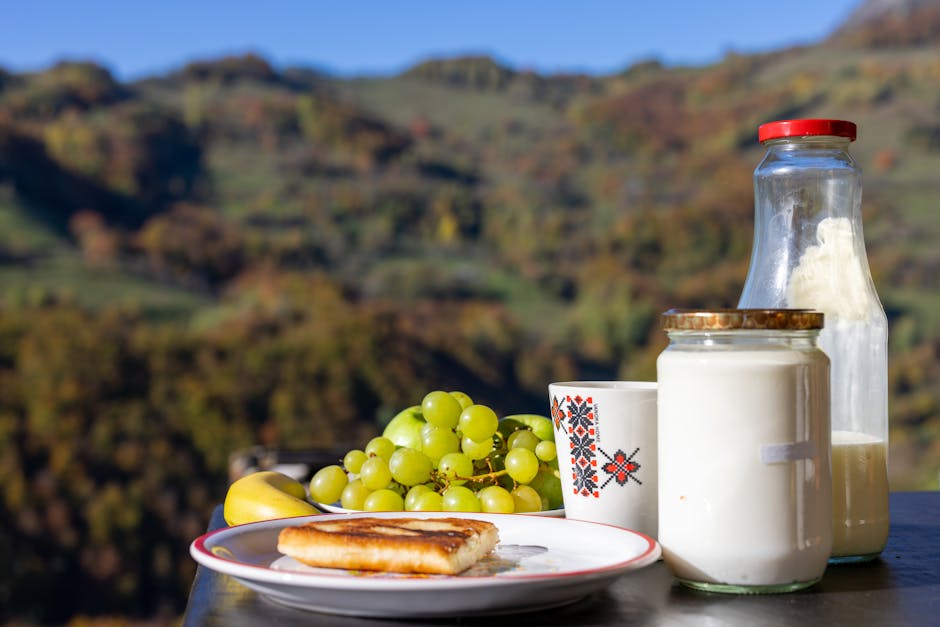
Follow the Douro River through northern Portugal, where steep vineyards produce port and vinho verde. Stay in a converted quinta (wine estate) and dine on salted cod and roasted goat with views of the river below. Take a boat cruise and enjoy a picnic of local cheeses and bread.
Kyoto, Japan – Temple Gardens and Kaiseki Cuisine
While not remote, Kyoto’s temple gardens and mountain temples offer serene settings for traditional meals. Book a kaiseki dinner at a ryokan surrounded by maple trees. Visit the Nishiki Market early in the morning to sample pickles, matcha sweets, and fresh tofu.
The Scottish Highlands – Moorland Hikes and Whisky Tastings
Combine rugged hikes with pub meals and distillery tours. Try haggis with neeps and tatties in a stone cottage near Glencoe. Sample single malts in Speyside, where rivers feed the water used in whisky production. The misty hills and ancient castles add a storybook quality to every bite.
Bhutan – Himalayan Peaks and Red Rice
One of the world’s most scenic countries, Bhutan offers a unique blend of Buddhist culture and mountain cuisine. Stay in a dzong (fortress monastery) and eat ema datshi (chili and cheese stew) with views of prayer flags fluttering in the wind. The country’s focus on Gross National Happiness extends to its food—simple, nourishing, and shared communally.
The Faroe Islands – Cliffs, Sheep, and Fermented Fish
This North Atlantic archipelago is raw, remote, and unforgettable. Hike to sea stacks and eat skerpikjøt (wind-dried lamb) at a cliffside farm. Visit a small fishing village and try ræstur fiskur (fermented fish) with rye bread. The isolation and stark beauty make every meal feel ceremonial.
Tips for Making the Most of Your Scenic Food Trip
A few practical strategies can elevate your experience from good to extraordinary.
Pack Light, Taste Bold
You don’t need fancy gear to enjoy scenic food trips. Bring a reusable water bottle, a small notebook for recipes, and an appetite for the unfamiliar. Avoid overpacking—space in your bag should go to local spices, honey, or a bottle of wine, not extra clothes.
Document, Don’t Distract
Take photos of your meals and surroundings, but don’t let your phone dominate the experience. Put it away during shared meals. Let the flavors, conversations, and views sink in. Some of the best memories come from moments you didn’t capture.
Talk to Locals
Ask for recommendations. A fisherman in Sicily might point you to a hidden cove with the best swordfish. A grandmother in Georgia might invite you to her home for khachapuri. These unplanned moments often become trip highlights.
Stay Flexible
Weather, closures, or language barriers can disrupt plans. Build in buffer time. If a restaurant is closed, explore the market instead. If a trail is muddy, find a cozy café and order the daily special. Some of the best meals happen by accident.
Common Mistakes to Avoid
Even experienced travelers make missteps on scenic food trips. Here’s how to avoid the most common ones.
Over-Scheduling
Packing too many activities into one day leaves little room for spontaneity. You might miss a sunset picnic or a chance encounter with a local chef. Allow downtime. Let meals linger. Travel slower.
Ignoring Food Safety
Scenic settings don’t always mean clean kitchens. In remote areas, check food handling practices. Avoid raw seafood in questionable locations. Drink bottled or filtered water. When in doubt, choose cooked dishes.
Choosing Instagram Over Experience
It’s tempting to chase photogenic meals, but don’t let aesthetics override taste. A dish that looks stunning might be bland. Focus on flavor, texture, and story. The best food memories aren’t always the prettiest.
Final Thoughts
Food and culinary travel ideas for scenic food trips open doors to places and people you’d never meet otherwise. They turn meals into moments, landscapes into stories, and journeys into transformations. Whether you’re sipping wine in a vineyard or sharing bread in a mountain village, the connection between food and place is powerful.
Start small. Pick one destination that excites you. Book a cooking class. Talk to a local. Let the scenery guide your appetite. The world is full of flavors waiting to be tasted—under open skies, beside quiet waters, and atop windswept hills.
FAQ
What makes a food trip “scenic”?
A scenic food trip combines high-quality local cuisine with visually striking natural or cultural settings. The environment enhances the dining experience, whether through mountain views, ocean backdrops, or historic architecture.
How do I find authentic food experiences while traveling?
Look for small, family-run restaurants, local markets, and food tours led by residents. Avoid tourist traps by reading recent reviews and asking locals for recommendations. Participating in cooking classes or farm visits also offers deeper insight.
Is it safe to eat street food during scenic food trips?
Yes, in most cases—especially in countries with strong street food cultures like Thailand, Mexico, or Vietnam. Choose busy stalls with high turnover, watch food being cooked fresh, and avoid raw items if you’re unsure about hygiene standards.