
Best Adventure Travel Routes for Epic Hiking Days
Epic hiking days demand more than just sturdy boots and a backpack. They require well-planned routes that balance challenge, scenery, safety, and accessibility. The best adventure travel routes offer a mix of elevation gain, diverse landscapes, and reliable trail infrastructure—without overcrowding or excessive risk. Whether you’re trekking through alpine meadows, desert canyons, or tropical rainforests, choosing the right path can turn a long hike into a life-changing experience. This guide highlights ten of the world’s most rewarding adventure travel routes, each selected for their unique terrain, seasonal suitability, and real-world feasibility for moderately experienced hikers.
What Makes a Hiking Route Truly Epic?
An epic hiking day isn’t defined by distance alone. It’s the combination of elevation change, panoramic views, and a sense of accomplishment. Routes that climb steadily through varied ecosystems—say, from pine forests to snow-capped ridges—tend to deliver the most memorable experiences. Trail quality matters too: well-marked paths, reliable water sources, and clear signage reduce stress and let you focus on the journey.
Weather patterns and seasonal access are equally important. A route that’s stunning in spring might be dangerously hot in summer. Similarly, trails at high altitude require acclimatization. The best adventure travel routes account for these variables, offering optimal windows for safe passage and maximum enjoyment.
Key Features of Top-Tier Hiking Trails
Look for trails with consistent maintenance, emergency access points, and local support. Trails like the Tour du Mont Blanc or the Inca Trail benefit from mountain huts, ranger stations, and established rescue protocols. These features don’t diminish the adventure—they enhance it by allowing hikers to push further with confidence.
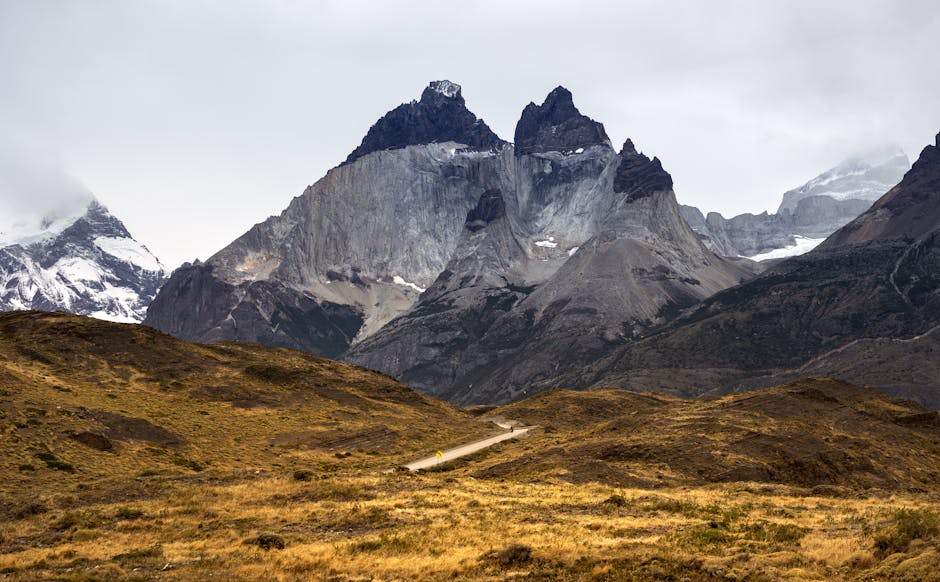
Scenic diversity is another hallmark. Routes that pass through multiple biomes—such as coastal cliffs, river valleys, and high plateaus—keep the experience dynamic. Think of the Kalalau Trail in Hawaii, where jungle meets sea cliffs, or the Torres del Paine W Trek in Chile, where glaciers, lakes, and granite towers converge.
Top 10 Adventure Travel Routes for Unforgettable Hiking
1. Milford Track, New Zealand
Often called “the finest walk in the world,” the Milford Track spans 53.5 kilometers through Fiordland National Park. It takes four days to complete, with daily segments ranging from 12 to 18 kilometers. The route climbs from sea level to over 500 meters at Mackinnon Pass, offering views of waterfalls, alpine lakes, and the dramatic Mitre Peak.
Bookings are required year-round due to limited hut availability. The best time to go is between October and April, when rainfall is lower and temperatures milder. Pack waterproof gear regardless—Fiordland averages over 6 meters of rain annually.
2. Torres del Paine W Trek, Chile
This 71-kilometer route loops through Patagonia’s most iconic landscapes. The “W” shape connects five major valleys, with standout sections like the hike to the base of the Torres, the French Valley, and the Grey Glacier. Most hikers take five to seven days, staying in refugios or camping.
Wind is a constant factor—Patagonia is one of the windiest regions on Earth. Secure all gear and consider a four-season tent if camping. Summer (December to February) offers long daylight hours, but trails can be crowded. Shoulder seasons provide quieter trails and fewer mosquitoes.
3. The Haute Route, France to Switzerland
The classic Chamonix to Zermatt trek covers about 180 kilometers over 10 to 14 days. It traverses high alpine terrain, including the Fenêtre d’Arpette pass at 2,665 meters. Hikers pass through glaciers, meadows, and traditional mountain villages.
This route demands strong fitness and navigation skills. Many choose to do shorter segments, such as the 3-day stretch from Champex to Zermatt. Mountain huts are plentiful, but reservations are essential in July and August.
4. The Inca Trail, Peru
A four-day, 43-kilometer trek ending at Machu Picchu, the Inca Trail is one of the most famous adventure travel routes globally. It climbs to Dead Woman’s Pass at 4,215 meters, then descends through cloud forest to the Sun Gate.
Permits are limited to 500 people per day, including guides and porters, so book six months in advance. The dry season (May to September) is ideal, though nights can drop below freezing. Altitude sickness is a real concern—arrive in Cusco a few days early to acclimatize.
5. The Kalalau Trail, Hawaii, USA
This 22-kilometer coastal trek along Kauai’s Na Pali Coast is not for beginners. The trail includes narrow ledges, steep drop-offs, and river crossings. The full hike to Kalalau Beach takes two days, with camping permitted only at designated sites.
Flash floods and falling rocks are hazards. Check weather conditions before starting. A permit is required for overnight stays. Day hikers can turn back at Hanakāpīʻai Beach, about 3.2 kilometers in.
6. The Snowman Trek, Bhutan
One of the world’s most challenging long-distance hikes, the Snowman Trek covers 330 kilometers through the Bhutanese Himalayas. It takes 25 to 28 days and crosses 11 high passes, some above 5,000 meters.
This route is only feasible from late September to early November. Trekkers must be in excellent physical condition and travel with a licensed guide. The isolation and altitude make it unsuitable for solo hikers.
7. The West Coast Trail, Canada
Located on Vancouver Island, this 77-kilometer trail follows the rugged Pacific coastline. It includes ladders, cable cars, and tidal crossings. Most hikers take six to eight days to complete it.
The trail is open from May to September. Tides are critical—check schedules before crossing beaches. The terrain is muddy and technical; waterproof boots and trekking poles are essential.
8. The Annapurna Circuit, Nepal
Once a classic trek, the Annapurna Circuit has been shortened by road construction but remains a rewarding adventure. The full route is about 230 kilometers, circling the Annapurna massif and crossing Thorong La Pass at 5,416 meters.
The best time to hike is October to November or March to April. Teahouses provide food and lodging, but services are limited at higher elevations. Altitude sickness is a major risk—ascend gradually and monitor symptoms.
9. The Great Ocean Walk, Australia
Stretching 104 kilometers along Victoria’s southern coast, this trail offers dramatic cliffs, rainforests, and secluded beaches. It can be done in sections or as a seven-day thru-hike.
The route is well-marked and suitable for less experienced hikers. Summer (December to February) is warm and busy; autumn offers milder weather and fewer crowds. Camping is permitted at designated sites with advance booking.
10. The Laugavegur Trail, Iceland
This 55-kilometer trail runs from Landmannalaugar to Þórsmörk, crossing volcanic landscapes, hot springs, and glacial rivers. It takes four to five days, with mountain huts available along the way.
Weather changes rapidly—pack layers and a waterproof shell. The trail is usually snow-free from late June to early September. River crossings require caution; use a walking stick and cross with others for stability.
How to Choose the Right Route for Your Fitness Level
Not all epic hikes require elite endurance. Many adventure travel routes offer shorter, equally rewarding alternatives. For example, instead of the full Inca Trail, consider the one-day Salkantay Trek or the train-and-hike option to Machu Picchu.
Assess your experience honestly. Have you completed multi-day hikes with a 15-kilogram pack? Can you navigate with a map and compass? If not, start with well-supported trails like the Milford Track or the Great Ocean Walk.
Training Tips for Long-Distance Hiking
Begin training at least eight weeks before your trip. Focus on building leg strength and cardiovascular endurance. Hike with a loaded backpack on varied terrain—hills, trails, and stairs simulate real conditions.
Include rest days and cross-training. Swimming and cycling improve stamina without joint stress. Practice setting up your tent, filtering water, and using your stove to reduce on-trail delays.
Essential Gear for Adventure Hiking
Invest in quality footwear. Break in boots before your trip to avoid blisters. A lightweight, waterproof shell and insulated layers are non-negotiable, even in summer.
Navigation tools matter. Carry a physical map, compass, and GPS device. Batteries fail; skills don’t. Pack a first-aid kit, headlamp, and emergency shelter. Test all gear before departure.
Safety and Preparation: What Every Hiker Should Know
Research your route thoroughly. Read recent trip reports, check trail conditions, and understand local regulations. Some trails require permits, vaccinations, or guide accompaniment.
Share your itinerary with someone reliable. Include start and end dates, daily checkpoints, and emergency contacts. Check in when possible, especially in remote areas.
Weather and Seasonal Considerations
Mountain weather is unpredictable. Even in summer, temperatures can drop below freezing at high elevations. Afternoon thunderstorms are common in alpine zones—start early and descend before noon.
Desert hikes demand extreme heat precautions. Carry extra water, wear sun protection, and hike during cooler hours. In tropical regions, be aware of monsoon seasons and landslide risks.
Wildlife and Environmental Awareness
Learn about local wildlife. In bear country, carry bear spray and store food properly. In snake-prone areas, watch where you step and avoid tall grass.
Practice Leave No Trace principles. Pack out all trash, stay on marked trails, and respect local cultures. Many adventure travel routes pass through indigenous lands—research customs and obtain permissions when needed.
Making the Most of Your Adventure Travel Experience
Epic hiking days are as much about mindset as mileage. Start each day with a clear goal, but remain flexible. Weather, fatigue, or trail conditions may require changes.
Take time to observe. Stop at viewpoints, listen to the wind, and journal your thoughts. These moments often become the most cherished parts of the journey.
Photography and Documentation
Capture memories without compromising safety. Use a lightweight camera or smartphone with a protective case. Shoot during golden hour for the best light.
Keep a trail journal. Note distances, elevations, and personal reflections. These records help with future trip planning and serve as inspiration for others.
Connecting with Local Communities
Many adventure travel routes pass through rural villages. Support local economies by hiring guides, buying meals, and purchasing handmade goods.
Learn a few phrases in the local language. A simple greeting can open doors and deepen your experience. Respect cultural norms, especially around dress and photography.
Final Thoughts: Planning Your Next Epic Hike
The best adventure travel routes challenge you without overwhelming you. They offer solitude, beauty, and a sense of discovery. Whether you choose a week-long trek in Patagonia or a weekend coastal walk in Australia, preparation is key.
Start small if needed. Build your skills and confidence over time. The goal isn’t to conquer every trail—it’s to enjoy the journey, learn from the landscape, and return safely.
With the right route, gear, and mindset, your next hiking day could be the most epic yet.
FAQ
What is the best time of year for high-altitude hiking?
The ideal window varies by region, but generally, late spring to early autumn (May to September in the Northern Hemisphere, November to March in the Southern Hemisphere) offers stable weather and snow-free passes. Always check local conditions before departure.
Do I need a guide for these adventure travel routes?
It depends on the trail. Routes like the Inca Trail and Snowman Trek require licensed guides. Others, such as the Milford Track or Laugavegur Trail, are well-marked and suitable for independent hikers with proper preparation.
How much should I train before a multi-day hike?
Aim for at least eight weeks of consistent training. Include weekly hikes with a loaded pack, strength exercises, and cardio. Simulate trail conditions as closely as possible to build endurance and confidence.