
Friendly Destination Guide to Marrakech for Markets
Marrakech is a vibrant, sensory-rich city where ancient traditions meet lively commerce in its world-famous markets. Known locally as souks, these bustling bazaars offer everything from handwoven textiles and aromatic spices to intricate lanterns and traditional leather goods. Whether you’re a first-time visitor or returning for another taste of Moroccan culture, navigating Marrakech’s markets can be both thrilling and overwhelming. This guide helps you explore the city’s best markets with confidence, offering practical tips, must-visit locations, and cultural insights to make your shopping experience enjoyable and authentic.
Why Marrakech Markets Are a Must-Visit
Marrakech’s markets are more than just places to shop—they’re cultural hubs where centuries-old trading practices continue to thrive. Unlike modern malls, these souks are organized by craft, with entire alleys dedicated to metalwork, pottery, or textiles. Walking through them feels like stepping into a living museum of Moroccan craftsmanship.
The energy is contagious. Vendors call out greetings, the scent of cumin and mint fills the air, and artisans work in open stalls, shaping leather, hammering brass, or dyeing fabrics. For travelers, this authenticity is what sets Marrakech apart. You’re not just buying souvenirs—you’re supporting local artisans and taking home pieces with real history.
Top Markets to Explore in Marrakech
Souk Semmarine
One of the largest and most popular markets, Souk Semmarine is ideal for first-time visitors. Located near Jemaa el-Fnaa, it’s easily accessible and packed with a wide variety of goods. You’ll find colorful rugs, leather poufs, and decorative lamps here, often at competitive prices.
The layout is relatively straightforward, making it less intimidating than some of the more maze-like souks. It’s a great starting point to get a feel for bargaining and local pricing. Just remember to compare prices across stalls before committing.
Souk Cherratin (Leather Souk)
Dedicated almost entirely to leather goods, Souk Cherratin is a paradise for bag, shoe, and jacket lovers. Tanners work in nearby tanneries, and the smell of curing leather is strong—bring a scarf or handkerchief if you’re sensitive to odors.
Look for high-quality vegetable-tanned leather, which is more durable and eco-friendly than chemically treated alternatives. Many stalls offer custom fittings and monogramming, so consider having a bespoke item made during your stay.
Souk des Teinturiers (Dyers’ Souk)
This colorful market is named for the dyers who still work with natural pigments to color wool and fabric. The alley is a visual feast—bundles of dyed yarn hang from ceilings in vibrant reds, yellows, and blues.
While you won’t find finished garments here, it’s a fascinating glimpse into traditional textile production. Some vendors sell small skeins of yarn or hand-dyed scarves, perfect as unique gifts.
Souk el-Attarine (Perfume and Spice Market)
For a sensory overload, head to Souk el-Attarine. This narrow lane is lined with stalls selling spices, incense, and traditional cosmetics like argan oil and ghassoul clay. The air is thick with the scent of saffron, cinnamon, and rose petals.
Buy small quantities to avoid spoilage, and ask for vacuum-sealed packaging if you’re flying home. Many vendors offer free samples—don’t hesitate to try before you buy.
Souk Haddadine (Blacksmiths’ Market)
Metalworkers dominate this section, crafting everything from ornate lanterns to kitchenware. The rhythmic clanging of hammers on iron creates a soundtrack unique to this souk.
Look for hand-forged brass or iron lanterns, which make stunning home decor. Many can be shipped internationally, but confirm shipping costs and delivery times before purchasing.
How to Navigate Marrakech Markets Like a Local
Start Early
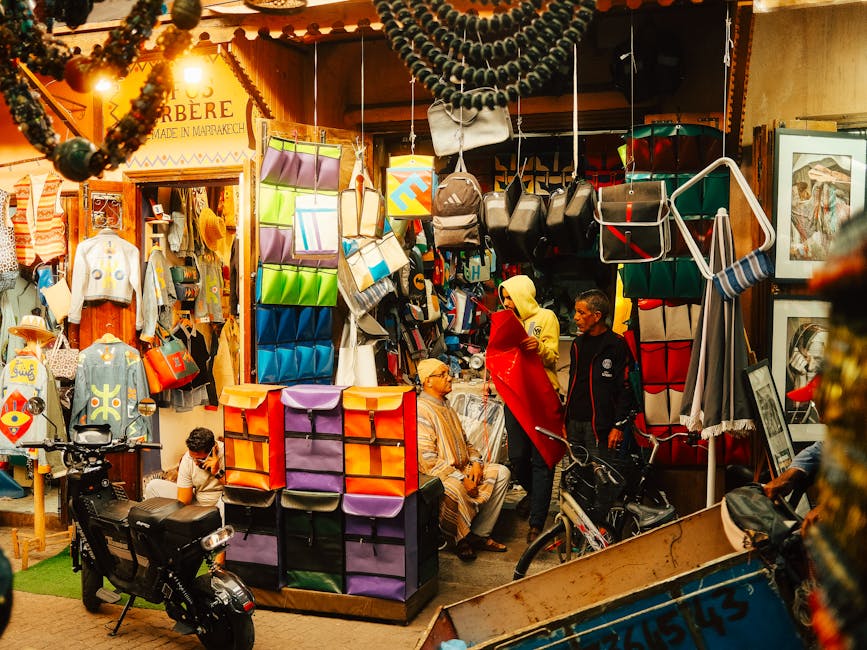
Markets are busiest between 10 a.m. and 2 p.m., especially near Jemaa el-Fnaa. To avoid crowds and heat, arrive by 8 or 9 a.m. Vendors are often more relaxed in the morning, giving you time to browse without pressure.
Early birds also get first pick of fresh goods—especially in the spice and food sections. Plus, you’ll have more time to negotiate before the midday rush.
Learn Basic Bargaining Etiquette
Bargaining is expected in Marrakech’s markets, but it’s not a battle—it’s a conversation. Start by offering 40–50% of the asking price, then work toward a middle ground. Always smile, stay polite, and never walk away abruptly.
If a vendor refuses to lower the price, it may be a sign of fair value. Avoid haggling over small amounts—saving $2 on a $10 item isn’t worth the frustration. Remember, many artisans rely on these sales for their livelihood.
Dress Respectfully
Marrakech is a conservative city, especially in market areas. Cover shoulders and knees, particularly if you’re visiting religious sites nearby. Lightweight, loose clothing in breathable fabrics like cotton works best.
Comfortable shoes are a must—souks are narrow, crowded, and often uneven underfoot. Flip-flops may look tempting, but they offer little protection from spills or sharp objects.
Stay Hydrated and Watch Your Belongings
The heat can be intense, especially between April and October. Carry a refillable water bottle and drink regularly. Many cafes near the markets offer fresh mint tea—a refreshing and culturally immersive break.
Pickpocketing is rare but possible in crowded areas. Keep your bag in front of you, avoid flashing valuables, and use a money belt for cash and cards. Avoid carrying large amounts of cash—most vendors accept small bills only.
What to Buy in Marrakech Markets
Handmade Rugs and Carpets
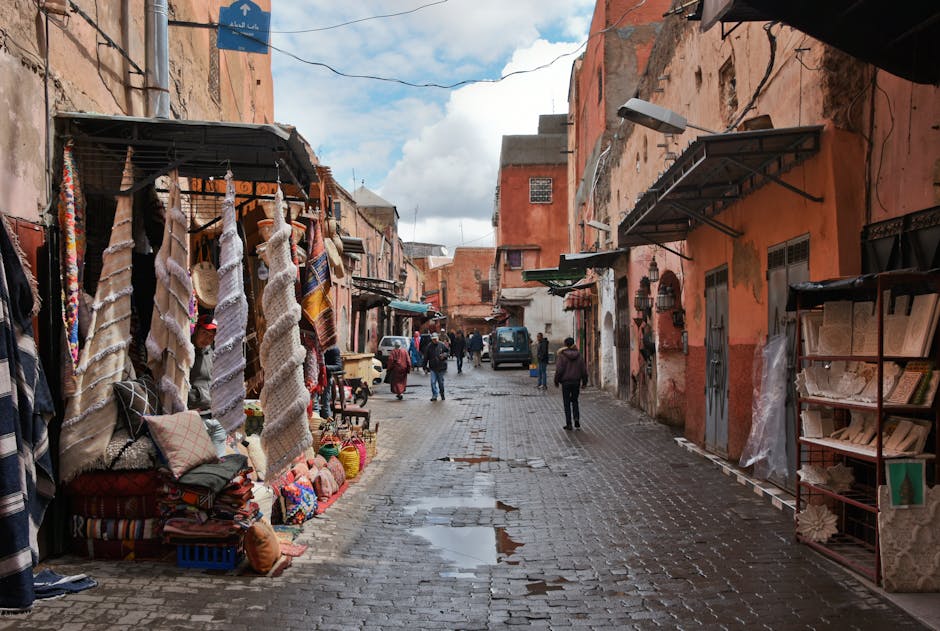
Moroccan rugs are world-renowned for their geometric patterns and durability. Berber rugs from the Atlas Mountains are especially prized. Look for natural wool and hand-knotted construction—these last generations.
Be prepared for a demonstration. Many sellers will unroll several rugs and explain their origins. Take your time—authentic rugs are an investment, not an impulse buy.
Traditional Lanterns
Brass and iron lanterns are iconic Marrakech souvenirs. They come in all sizes, from tiny tea lights to large floor models. Many have intricate cutwork that casts beautiful shadows when lit.
Ask if the lantern includes a bulb or if you’ll need to buy one separately. LED bulbs are recommended for safety and energy efficiency.
Argan Oil and Skincare
Argan oil, produced by Berber women’s cooperatives, is a staple in Moroccan beauty routines. It’s used for cooking, moisturizing skin, and conditioning hair. Buy it in dark glass bottles to preserve freshness.
Check the label for 100% pure argan oil—some products are diluted with cheaper oils. Prices vary widely; expect to pay more for certified organic or fair-trade options.
Spices and Tea
Moroccan mint tea is a national treasure, and the ingredients are easy to take home. Look for fresh mint, gunpowder green tea, and sugar cones. Spices like ras el hanout (a complex blend) and saffron are also popular.
Buy in small quantities and store in airtight containers. Avoid pre-packaged mixes with additives—opt for loose spices from reputable vendors.
Leather Goods
From babouches (traditional slippers) to handbags, leather items are a market staple. Check for quality stitching and soft, supple leather. Avoid items that smell strongly of chemicals—this can indicate poor tanning practices.
Many vendors offer customization. If you want a bag in a specific color or size, ask if it can be made to order. Delivery may take a few days.
Cultural Tips for a Respectful Experience
Photography Guidelines
Always ask before photographing people, especially artisans at work. A simple “May I take your photo?” in French or Arabic goes a long way. Some may expect a small tip in return.
Avoid pointing your camera directly at religious sites or veiled women. When in doubt, err on the side of caution.
Language and Greetings
Learning a few basic phrases in Arabic or French can enhance your experience. “Salam alaikum” (peace be upon you) is a common greeting. “Shukran” means thank you.
Many vendors speak English, but making an effort to communicate in local languages is appreciated. It shows respect and can lead to friendlier interactions.
Tipping and Small Gestures
Tipping isn’t mandatory, but it’s customary for good service. Leave small change for tea served in cafes or for guides who show you around. A few dirhams can make a difference.
Bring small gifts like pens or notebooks for children you meet. Avoid giving money directly—this can encourage begging. Instead, support local schools or charities if you wish to contribute.
Practical Information for Market Visits
Best Time to Visit
Spring (March to May) and fall (September to November) offer the most pleasant weather for exploring markets. Temperatures are mild, and crowds are manageable.
Summer can be extremely hot, with temperatures exceeding 40°C (104°F). If visiting then, plan indoor breaks and stay hydrated. Winter is cooler but still comfortable during the day.
Getting Around
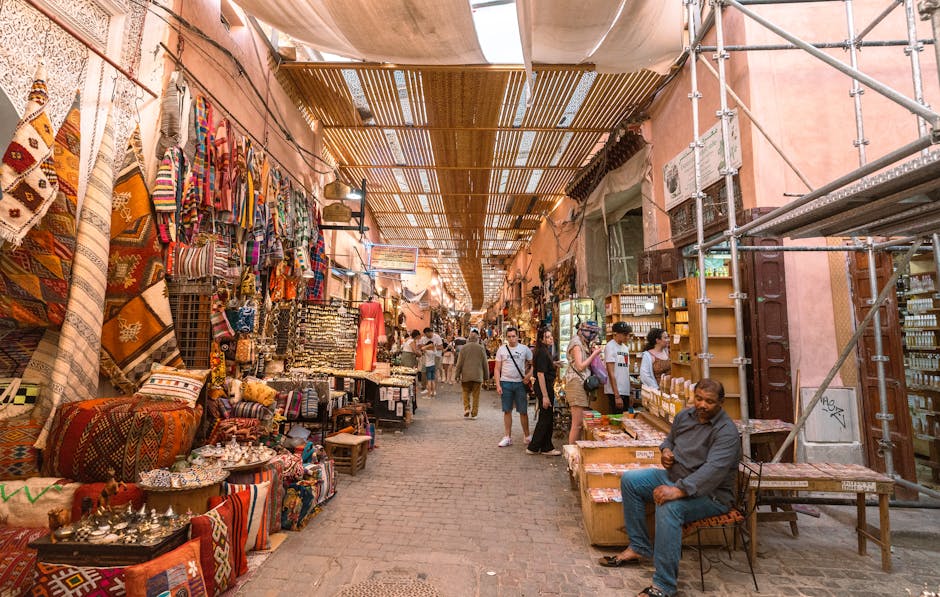
Most markets are within walking distance of Jemaa el-Fnaa, the central square. Wear comfortable shoes and carry a map or use a GPS app. The Medina’s alleys can be confusing—it’s easy to get turned around.
Petit taxis are available for longer distances, but they don’t enter the Medina’s narrow streets. Agree on a fare before starting the ride, or ensure the meter is running.
Safety and Scams
Marrakech is generally safe for tourists, but be aware of common scams. “Friendly” locals may offer to guide you, then demand payment. Politely decline and head to official tourist offices if you need help.
Avoid unmarked tour operators. Book excursions through your hotel or licensed agencies. Keep copies of important documents and store valuables in a hotel safe.
Where to Take a Break
Traditional Cafes
After hours of walking, recharge at a rooftop cafe. Café des Épices offers panoramic views of the souks and serves excellent mint tea. Le Jardin is another favorite, with a lush courtyard and light meals.
Many cafes have WiFi and clean restrooms—useful amenities when you need a pause. Order a glass of freshly squeezed orange juice or a traditional Moroccan breakfast of msemen and honey.
Hammams for Relaxation
For a deeper cultural experience, visit a traditional hammam. These public bathhouses offer steam rooms, exfoliating scrubs, and massages. Les Bains de Marrakech is a popular choice for tourists.
Bring your own towel and toiletries, or rent them on-site. Sessions typically last 1–2 hours and are a great way to unwind after a day of shopping.
Final Tips for a Successful Market Trip
Set a budget before you go and stick to it. It’s easy to get carried away with beautiful items, but remember: you’ll need to transport everything home.
Take photos of items you like but don’t buy immediately. You can return later or search for similar pieces. Keep a list of stall locations or vendor names if possible.
Finally, embrace the chaos. Marrakech’s markets are unpredictable, loud, and wonderfully alive. Let go of rigid plans and allow yourself to get lost—sometimes the best finds happen by accident.
FAQ
Q: Is it safe to shop in Marrakech markets as a solo traveler?
A: Yes, Marrakech’s markets are generally safe for solo travelers. Stick to busy areas during daylight hours, keep your belongings secure, and avoid engaging with overly persistent vendors. Trust your instincts and leave if you feel uncomfortable.
Q: Do I need to bargain at every stall?
A: Bargaining is expected in most souks, especially for non-food items. However, small purchases like tea or snacks may have fixed prices. When in doubt, ask or observe what others are paying.
Q: Can I use credit cards in Marrakech markets?
A: Most vendors only accept cash, especially in smaller stalls. Larger shops or those near tourist areas may accept cards, but expect a surcharge. Withdraw cash from ATMs in secure locations and carry small denominations for easier transactions.