
Top Travel Tips for Easy and Fast Packing Every Time
Packing doesn’t have to be stressful or time-consuming. With the right strategies, you can pack efficiently, avoid overpacking, and breeze through airport security. These top travel tips for easy and fast packing every time focus on smart organization, essential gear choices, and time-saving habits that work whether you’re heading out for a weekend getaway or a two-week international trip.
Start by choosing the right luggage. A lightweight carry-on suitcase or backpack with multiple compartments helps streamline the process. Roll clothes instead of folding to save space and reduce wrinkles. Stick to a color-coordinated wardrobe so every top pairs with every bottom. Limit shoes—two versatile pairs are usually enough. Use packing cubes to separate categories like underwear, tops, and accessories. This keeps items visible and easy to access.
Plan Your Outfits in Advance
One of the biggest packing mistakes is throwing random clothes into a bag without a plan. Instead, lay out your outfits for each day of your trip before you pack. This prevents overpacking and ensures you only bring what you’ll actually wear.
For example, if you’re traveling for five days, plan five full outfits—including accessories and shoes. Choose items that can be mixed and matched. A neutral blazer, for instance, can dress up a casual daytime look or serve as evening wear. This approach reduces bulk and increases outfit flexibility.
Use a Packing Checklist
Create a reusable packing checklist tailored to your destination and trip length. Include categories like clothing, toiletries, electronics, and travel documents. Check off each item as you pack to avoid forgetting essentials.
Digital checklists on your phone work well, but a printed version can be helpful if your battery dies. Update your list after each trip to reflect what you used—and what you didn’t. Over time, this helps you refine your packing habits and eliminate unnecessary items.
Choose the Right Luggage
The type of bag you use has a big impact on packing speed and efficiency. A well-designed carry-on with expandable compartments and durable wheels makes travel smoother. Hard-shell suitcases protect fragile items, while soft-sided bags are lighter and more flexible in tight spaces.
Consider your travel style. Frequent flyers benefit from a lightweight, TSA-approved carry-on that fits in overhead bins. Weekend travelers might prefer a duffel bag with compression straps. Backpacks are ideal for adventure trips or city exploration where you’ll be walking a lot.
Size Matters
Stick to carry-on sizes whenever possible. Most airlines allow bags up to 22 x 14 x 9 inches. This forces you to pack light and avoids checked baggage fees and delays. If you must check a bag, use a medium-sized suitcase with a hard shell for protection.
Test your bag’s capacity before your trip. Pack it at home and carry it around to see how it feels. If it’s too heavy when empty, you’re starting at a disadvantage. Aim for a bag under 7 pounds when empty.
Roll, Don’t Fold
Rolling clothes instead of folding saves space and minimizes wrinkles. This technique works especially well for t-shirts, jeans, and casual wear. It also makes it easier to see every item in your suitcase at a glance.
For dress shirts or blouses, use the bundle wrapping method. Lay the garment flat, fold it in half lengthwise, then roll from the bottom up. Place heavier items like jeans at the bottom of your bag and lighter, rolled items on top.
Use Packing Cubes
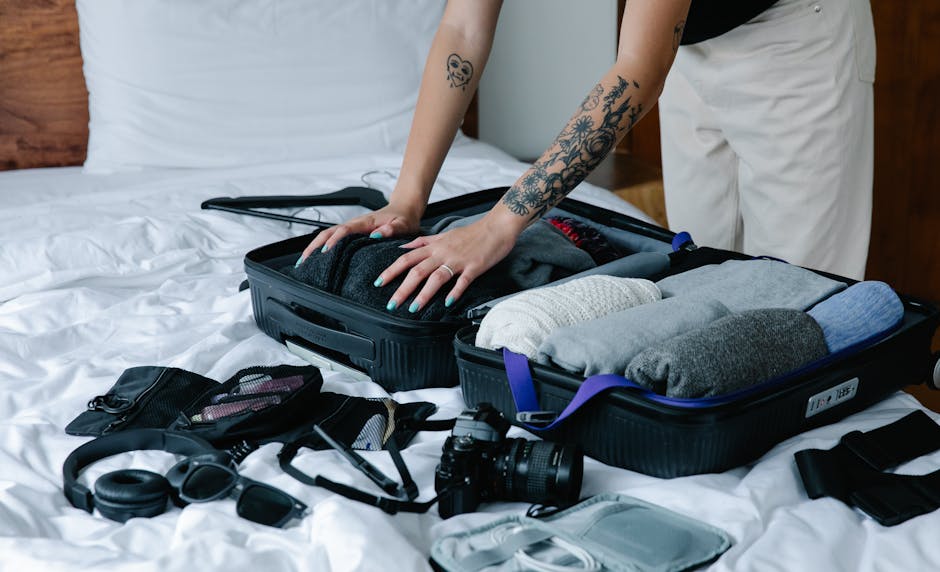
Packing cubes are game-changers for organization. These fabric containers compress clothes and separate categories—like workout clothes, sleepwear, or formal wear. They keep your suitcase neat and make unpacking faster.
Choose cubes in different sizes. Use small ones for socks and underwear, medium for shirts, and large for pants or dresses. Color-coding cubes by category helps you find what you need without rummaging. Many travelers report cutting packing time in half after switching to cubes.
Limit Shoes and Accessories
Shoes take up valuable space and add weight. Most trips require only two pairs: one for walking and one for dressier occasions. Wear your bulkiest shoes—like boots or sneakers—on the plane to save room in your bag.
Pack shoes in reusable shoe bags or shower caps to protect your clothes from dirt. Stuff socks or small items inside shoes to maintain their shape and maximize space.
Accessorize Smartly
Bring only essential accessories. A scarf, belt, or statement necklace can transform an outfit without taking up much room. Avoid packing multiple hats or bulky jewelry unless absolutely needed.
Use a small pouch for jewelry to prevent tangling. Roll delicate pieces in tissue paper or use a travel jewelry roll with individual compartments. This protects items and keeps them organized.
Pack Toiletries Efficiently
Toiletries can quickly bloat your bag. Use travel-sized containers for shampoo, conditioner, and skincare products. Look for leak-proof bottles with secure caps. Many brands offer 3-ounce (100ml) sizes that meet TSA liquid rules.
Store all liquids in a clear, quart-sized zip-top bag. This makes security checks faster and prevents spills. Solid toiletries—like shampoo bars or toothpaste tablets—are even better. They’re lighter, last longer, and don’t count toward liquid limits.
Don’t Forget the Essentials
Pack a small toiletry kit with basics: toothbrush, toothpaste, deodorant, and any medications. Include a mini first-aid kit with band-aids, pain relievers, and motion sickness tablets. Keep prescriptions in their original bottles with labels.
If you wear contact lenses or glasses, bring a spare pair and solution. Pack a small towel or washcloth—compact and quick-drying options are best. Don’t forget sunscreen, lip balm, and hand sanitizer.
Organize Electronics and Cables
Electronics clutter can derail a well-packed bag. Use a dedicated tech pouch to store chargers, adapters, headphones, and power banks. Label cables with colored tape or tags so you can identify them quickly.
Bring only what you’ll use. A phone, portable charger, and noise-canceling headphones cover most needs. Leave bulky items like laptops at home unless necessary. If you do bring a laptop, use a slim sleeve and pack it in an easily accessible outer pocket.
Prepare for Security Checks
Airport security is faster when your electronics are easy to remove. Pack laptops and tablets in a separate, clear section of your bag. Keep liquids and electronics in the top layer or outer pocket.
Wear slip-on shoes and avoid belts or jewelry with metal to speed up the screening process. Have your boarding pass and ID ready. These small steps reduce stress and save time.
Use Compression Bags for Bulky Items
Compression bags are ideal for down jackets, sweaters, or travel blankets. They reduce volume by up to 50% by squeezing out air. Roll the item, place it in the bag, and zip it shut. Then press or roll to remove excess air.
These bags work best for cold-weather gear or items you won’t need until arrival. Avoid over-compressing delicate fabrics. Use them sparingly to maintain garment shape.
Alternative: Vacuum-Seal Bags
Vacuum-seal bags offer even greater compression but require a vacuum cleaner or hand pump. They’re great for long trips or storing seasonal clothing at home. However, they’re less convenient for frequent travelers since resealing isn’t always practical on the go.
For most travelers, standard compression bags strike the best balance between space savings and usability.
Pack a Day Bag Separately
Always bring a small day bag—like a tote, backpack, or crossbody—for daily excursions. This keeps your main luggage secure at the hotel while giving you easy access to essentials like water, snacks, and a camera.
Choose a lightweight, foldable option that fits inside your main bag when not in use. Look for one with a zipper and comfortable straps. A day bag prevents overpacking your pockets and keeps valuables close.
What to Include
Your day bag should hold a water bottle, phone charger, sunscreen, tissues, and a light jacket. Add a small wallet with cash and cards. If you’re traveling internationally, include a copy of your passport and hotel address.
Avoid packing expensive electronics unless necessary. Use a money belt or hidden pocket for extra security in crowded areas.
Weigh Your Bag Before Leaving
Overweight luggage leads to fees and frustration. Weigh your packed bag at home using a bathroom or luggage scale. Most airlines allow 50 pounds (23 kg) for checked bags and 15–20 pounds (7–9 kg) for carry-ons.

If you’re over the limit, remove non-essentials or redistribute weight. Wear heavy items on the plane. Some travelers use a digital scale that attaches to the handle for easy measuring.
Know Airline Policies
Check your airline’s baggage rules before packing. Budget carriers often have stricter size and weight limits. International flights may allow more, but always confirm.
Print or save your baggage policy on your phone. This helps during check-in if there’s a dispute. Knowing the rules in advance prevents last-minute surprises.
Unpack Immediately Upon Return
Unpacking right after a trip prevents clutter and helps you assess what you used. Lay out clothes to air out. Wash items that need it and return toiletries to their storage containers.
Clean your luggage and store it in a dry place. Check for wear and tear—replace zippers or wheels if needed. This maintenance extends your bag’s life and keeps it ready for the next trip.
Reflect and Improve
After each trip, note what worked and what didn’t. Did you use every item? Were there things you forgot? Adjust your packing list accordingly. Over time, this habit leads to faster, smarter packing.
Keep a travel journal or digital note with packing insights. Record weather conditions, activities, and outfit combinations. This data helps you pack more accurately next time.
Final Tips for Stress-Free Packing
Start packing at least two days before your trip. Rushing leads to mistakes and forgotten items. Set a timer and work in 20-minute blocks to stay focused.
Pack your travel documents the night before. Keep your passport, boarding pass, and itinerary in a secure, easy-to-reach place. Use a document organizer or travel wallet.
Stay calm and flexible. Even the best-laid plans can change. If you forget something, most items can be bought at your destination. The goal is to travel light, arrive prepared, and enjoy the journey.
FAQ
How can I pack quickly without forgetting essentials?
Use a reusable packing checklist and pack outfits in advance. Organize items with packing cubes and roll clothes to save time. Start two days early to avoid last-minute stress.
What’s the best way to pack liquids for air travel?
Use travel-sized, leak-proof containers under 3.4 ounces (100ml). Store them in a clear, quart-sized zip-top bag. Solid toiletries like shampoo bars are a great alternative and don’t count toward liquid limits.
How many pairs of shoes should I bring on a trip?
Most trips require only two pairs: one for walking and one for dressier occasions. Wear your bulkiest shoes on the plane to save space. Use shoe bags to protect your clothes.