
Beach and Island Travel Ideas for Scenic Road Trips
Planning a scenic road trip with beach and island destinations offers the perfect blend of open-road freedom and coastal beauty. Whether you’re cruising along the Pacific Coast Highway or exploring the Gulf Islands, combining driving with seaside relaxation creates unforgettable travel experiences. These trips let you move at your own pace, stop at hidden coves, and wake up to ocean views—all without relying on flights or rigid itineraries. From well-marked routes to remote island ferries, there are countless ways to design a coastal adventure that suits your style, budget, and timeline.
Why Choose a Beach and Island Road Trip?
Beach and island road trips stand out for their flexibility and sensory rewards. You control the schedule, choosing when to pause for a sunrise swim or linger over fish tacos at a roadside stand. Unlike flying, driving allows you to pack snorkel gear, beach chairs, and coolers with ease. You also gain access to lesser-known spots that aren’t reachable by air.
These journeys often include a mix of coastal highways, mountain overlooks, and ferry rides, offering varied scenery in a single day. The rhythm of driving—miles unfolding, waves crashing in the distance—creates a meditative travel pace. It’s ideal for travelers who want adventure without the stress of constant planning.
Top Scenic Routes for Beach and Island Road Trips
1. Pacific Coast Highway (California, USA)
The Pacific Coast Highway (PCH), especially Highway 1 from San Francisco to Los Angeles, is one of the most iconic coastal drives in the world. Winding cliffs, redwood forests, and dramatic ocean vistas define this route. Key stops include Big Sur, Monterey, and Santa Barbara.
For island access, consider a detour to the Channel Islands National Park. Ferries depart from Ventura and Santa Barbara, offering day trips or overnight camping on islands like Santa Cruz and Santa Rosa. The islands are car-free, so pack light and prepare for hiking and wildlife spotting.
2. Overseas Highway (Florida Keys, USA)
The Overseas Highway (U.S. Route 1) stretches 113 miles from Miami to Key West, crossing 42 bridges and connecting a string of tropical islands. This drive is flat, fast, and framed by turquoise waters on both sides. Each key—Key Largo, Islamorada, Marathon—offers distinct vibes, from diving hubs to laid-back fishing villages.
Swim at John Pennekamp Coral Reef State Park, snorkel near Looe Key, or watch the sunset from Mallory Square in Key West. Keep an eye on weather forecasts; hurricanes can disrupt travel plans between June and November.
3. Great Ocean Road (Victoria, Australia)
Australia’s Great Ocean Road runs 243 kilometers along the southeastern coast, from Torquay to Allansford. It’s renowned for limestone stacks like the Twelve Apostles, lush rainforests, and surf towns such as Bells Beach. The route is well-maintained, with frequent lookout points and walking trails.
While no islands are directly accessible by car, a short drive inland leads to Port Campbell National Park and the chance to take a boat tour to nearby islands for penguin and seal sightings. Combine the drive with a visit to Phillip Island, a 90-minute detour that offers nightly penguin parades and koala reserves.
4. Ring Road with Westfjords Detour (Iceland)
Iceland’s Ring Road (Route 1) circles the island nation, passing waterfalls, glaciers, and black sand beaches. While not tropical, Iceland’s coastal landscapes are otherworldly. The Westfjords region, reachable via Route 61, offers dramatic fjords and remote fishing villages.
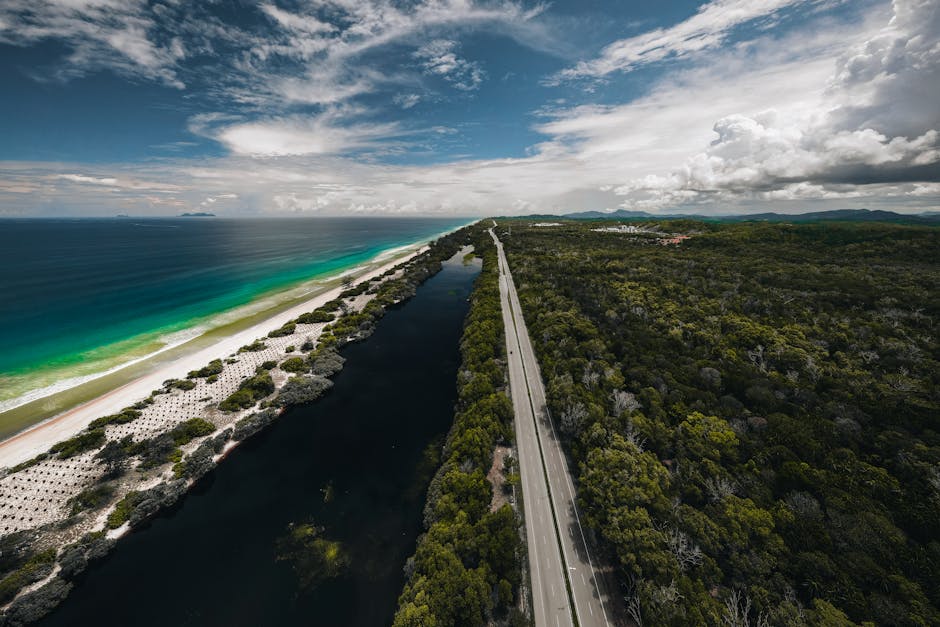
For island access, take a ferry from Stykkishólmur to Flatey Island in the Breiðafjörður archipelago. The island has no cars, so explore on foot or bike. Visit in summer for midnight sun and puffin colonies. Winter travel requires caution due to icy roads and limited daylight.
5. Amalfi Coast (Italy)
The Amalfi Coast drive from Sorrento to Salerno is a narrow, winding road clinging to cliffs above the Tyrrhenian Sea. Towns like Positano, Amalfi, and Ravello perch on hillsides, offering colorful homes, lemon groves, and pebble beaches.
While the mainland route is stunning, nearby islands like Capri and Ischia are accessible by ferry. Capri’s Blue Grotto and Ischia’s thermal spas make excellent day trips. Parking is limited and expensive, so consider leaving your car in Sorrento and using ferries for island exploration.
Planning Your Beach and Island Road Trip
Step 1: Choose Your Route and Season
Start by selecting a region that matches your travel style. Do you prefer tropical warmth, rugged cliffs, or historic seaside towns? Consider the season: summer offers long days but crowds, while shoulder seasons (spring and fall) provide milder weather and lower prices.
Check road conditions and ferry schedules in advance. Some island routes, like those in the San Juan Islands (Washington), only operate seasonally. Winter travel in northern climates may require snow tires or chains.
Step 2: Book Accommodations and Ferries Early
Popular beach towns and island stays fill up quickly, especially in peak season. Reserve lodging—whether beachfront cabins, boutique hotels, or campgrounds—at least two to three months ahead. Look for places with parking, as street parking can be scarce in coastal areas.
Ferry reservations are essential for island access. In places like the Greek Islands or Croatia’s Dalmatian Coast, ferries can sell out weeks in advance. Book round-trip tickets and confirm vehicle size limits, as some ferries restrict large RVs.
Step 3: Pack Smart for Coastal Conditions
Coastal environments demand practical gear. Bring sunscreen, hats, and UV-protective clothing. Pack reef-safe sunscreen to protect marine life. Waterproof bags, quick-dry towels, and sand-resistant phone cases are also smart additions.
Don’t forget car essentials: spare tire, jumper cables, and a paper map. Cell service can be spotty on remote routes. A portable cooler helps keep snacks and drinks fresh during long drives between stops.
Step 4: Respect Local Environments and Cultures
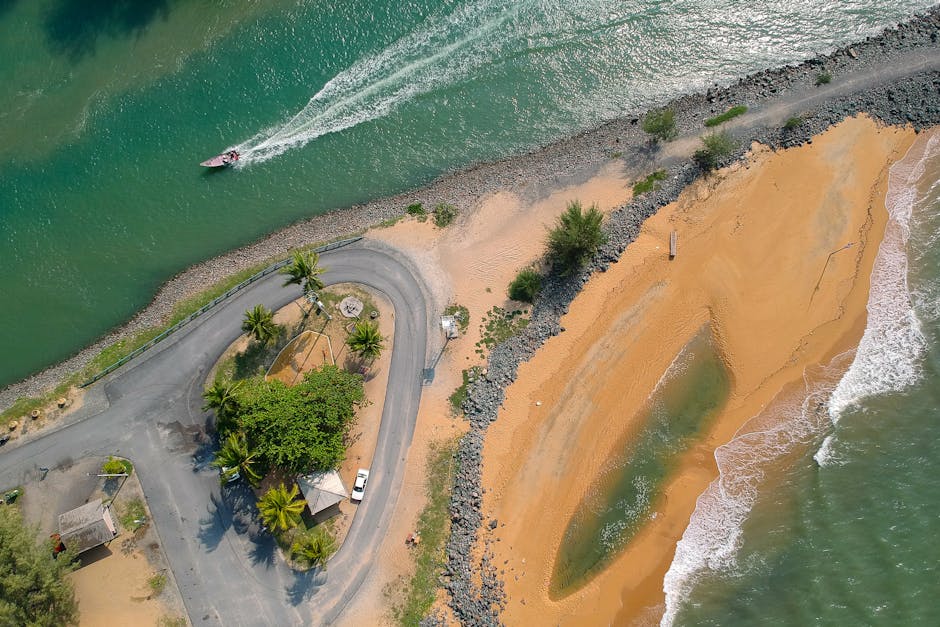
Many beach and island destinations are ecologically sensitive. Avoid stepping on coral, feeding wildlife, or leaving trash on trails. Follow “Leave No Trace” principles, especially in national parks and marine reserves.
In international locations, learn basic phrases and local customs. In places like Hawaii or the Caribbean, cultural sites may have specific rules for photography or access. Supporting local businesses—like family-run restaurants or artisan shops—enriches your experience and benefits the community.
Safety Tips for Coastal Road Trips
Coastal driving presents unique challenges. Narrow roads, sharp curves, and sudden weather changes require extra caution. Always check road conditions before departure, especially after storms.
Be aware of tides if parking near beaches. Some coastal roads flood during high tide, particularly in areas like the Outer Banks (North Carolina) or the Bay of Fundy (Canada). Never drive through flooded areas—just six inches of water can stall a vehicle.
Wildlife crossings are common in rural coastal areas. Watch for deer, seals, or nesting birds. Drive slowly at dawn and dusk when animals are most active. In island regions, be mindful of local driving norms—some places drive on the left, and signage may differ from your home country.
Budgeting for Your Trip
Costs vary widely depending on destination and travel style. Fuel, tolls, and ferry fees can add up, especially on long routes. The Overseas Highway, for example, has several toll bridges, while the Amalfi Coast charges high parking fees in peak season.
To save money, consider camping or staying in vacation rentals instead of hotels. Cook some meals using local markets and seafood stands. Many scenic routes have free public beaches and hiking trails, reducing the need for paid attractions.
Travel insurance is worth considering, particularly for international trips or those involving ferries and rentals. It can cover trip cancellations, medical emergencies, and vehicle breakdowns.
Hidden Gems Along the Way
While famous spots draw crowds, some of the best experiences come from lesser-known detours. In California, explore the Mendocino Coast for quiet coves and artist communities. In Greece, skip the packed beaches of Mykonos and head to Milos for dramatic rock formations and secluded swimming holes.
In New Zealand’s South Island, the Catlins region offers rugged coastlines, waterfalls, and yellow-eyed penguins—without the crowds of Abel Tasman. In Canada, the Cabot Trail in Nova Scotia combines coastal drives with Celtic culture and fresh lobster shacks.
These off-the-beaten-path locations often have lower costs and more authentic interactions. Use local tourism websites or apps like Roadtrippers to discover hidden beaches, scenic overlooks, and family-run eateries.
Making the Most of Your Island Stops
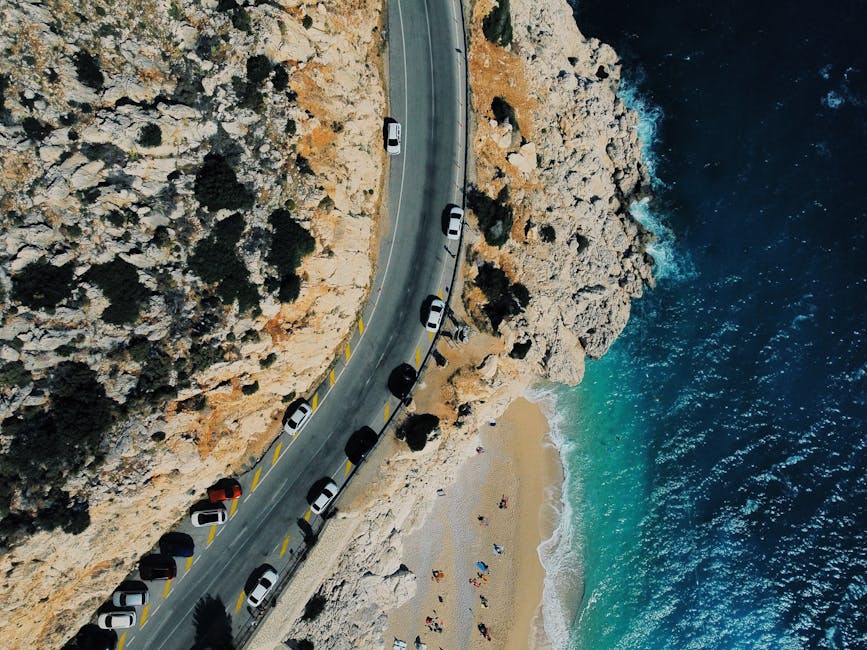
Island time moves slower. Embrace it by planning fewer activities and more downtime. Spend a morning walking a quiet beach, reading under a palm tree, or chatting with locals at a waterfront café.
Many islands have unique ecosystems worth exploring. Join a guided kayak tour in the San Juan Islands to see orcas, or take a snorkeling trip in the Bahamas’ Exuma Cays to swim with nurse sharks. Always choose eco-certified operators who follow sustainable practices.
If your island has limited infrastructure, prepare for basic amenities. Some remote islands lack ATMs, pharmacies, or reliable Wi-Fi. Bring cash, medications, and offline maps.
Eco-Friendly Travel Practices
Beach and island environments are vulnerable to pollution and over-tourism. Reduce your impact by using reusable water bottles, avoiding single-use plastics, and choosing accommodations with green certifications.
Support conservation efforts by visiting national parks and marine protected areas. Your entrance fees help fund trail maintenance, wildlife protection, and educational programs. Volunteer opportunities, like beach cleanups, are available in many coastal communities.
When driving, maintain your vehicle to prevent oil leaks and emissions. Carpool when possible, and consider hybrid or electric vehicles for shorter routes. Offset your carbon footprint through verified programs if traveling long distances.
Final Thoughts
Beach and island road trips offer a rare mix of adventure, relaxation, and natural beauty. With thoughtful planning, they can be both affordable and sustainable. Whether you’re chasing sunsets on the Amalfi Coast or kayaking through icy fjords in Iceland, the journey itself becomes part of the destination.
Start small if you’re new to road travel. A weekend along a nearby coastline can build confidence for longer expeditions. As you gain experience, you’ll learn to read tide charts, navigate ferry systems, and find joy in the unexpected detours that define great travel stories.
FAQ
Q: Do I need a special vehicle for island road trips?
A: Most islands are accessible with standard cars, but check ferry size limits and road conditions. Some remote islands have narrow, unpaved roads better suited for compact vehicles or rentals.
Q: Are ferries reliable for island access?
A: Ferries are generally reliable but can be delayed by weather or high demand. Book in advance during peak season and confirm schedules the day of travel.
Q: What’s the best time of year for a beach road trip?
A: Shoulder seasons (spring and fall) often offer the best balance of good weather, fewer crowds, and lower prices. Avoid hurricane season in tropical regions and winter in northern climates unless prepared for snow and ice.