
Travel Tips for Better Sightseeing Without the Stress
Seeing the world doesn’t have to mean battling crowds, missing must-see spots, or feeling exhausted before lunch. With thoughtful planning and smart strategies, you can enjoy richer, more relaxed sightseeing experiences. This guide shares practical travel tips to help you explore destinations with confidence, avoid common pitfalls, and make the most of your time—without the stress. Whether you’re visiting historic cities, natural wonders, or cultural landmarks, these proven techniques will help you travel smarter.
Plan Ahead, But Stay Flexible
Preparation is the foundation of stress-free sightseeing. Research your destination thoroughly before departure. Identify top attractions, opening hours, ticketing options, and local transit routes. Use official tourism websites and trusted travel resources for accurate, up-to-date information.
Create a rough itinerary, but leave room for spontaneity. Over-scheduling leads to burnout. Aim for two major sights per day, with buffer time between them. For example, visit the Louvre in the morning and take a relaxed afternoon stroll along the Seine instead of rushing to Montmartre.
Use Timed Entry Tickets
Many popular attractions now require or recommend timed entry slots. Book these in advance to skip long lines. The Colosseum in Rome, the Uffizi Gallery in Florence, and the Sagrada Família in Barcelona all offer online reservations that save hours of waiting.
Set calendar reminders for ticket release dates. Some sites open bookings 60 or 90 days ahead. Missing that window could mean paying premium prices or missing out entirely.
Prioritize Early Mornings and Late Afternoons
Beat the crowds by arriving at major sites right when they open. The first hour often offers the quietest experience and best lighting for photos. Alternatively, visit in the late afternoon when day-trippers have left.
At places like Angkor Wat or Machu Picchu, sunrise visits are iconic—and worth the early wake-up call. Just confirm opening times and transportation logistics the night before.
Choose the Right Gear and Packing Strategy
What you carry can make or break your sightseeing comfort. A heavy backpack slows you down and increases fatigue. Opt for a lightweight daypack with padded straps and a waist belt for support.
Pack only essentials: water, snacks, sunscreen, a portable charger, a reusable water bottle, and a compact rain jacket. Leave bulky items at your accommodation. Many museums and historic sites prohibit large bags, so check size restrictions beforehand.
Dress for Comfort and Culture
Wear broken-in walking shoes with good arch support. Blisters can ruin a day faster than a missed bus. Choose breathable, moisture-wicking fabrics, especially in warm climates.
Respect local customs. In many religious sites across Europe, the Middle East, and Asia, shoulders and knees must be covered. Carry a lightweight scarf or shawl to adapt quickly.
Use Technology Wisely
Download offline maps and translation apps before you go. Google Maps works without data in many regions, and apps like Google Translate can help with menus and signs.
Avoid over-reliance on your phone. Constantly checking directions or taking photos distracts from the experience. Set specific times to review your route or capture shots.
Master Public Transportation
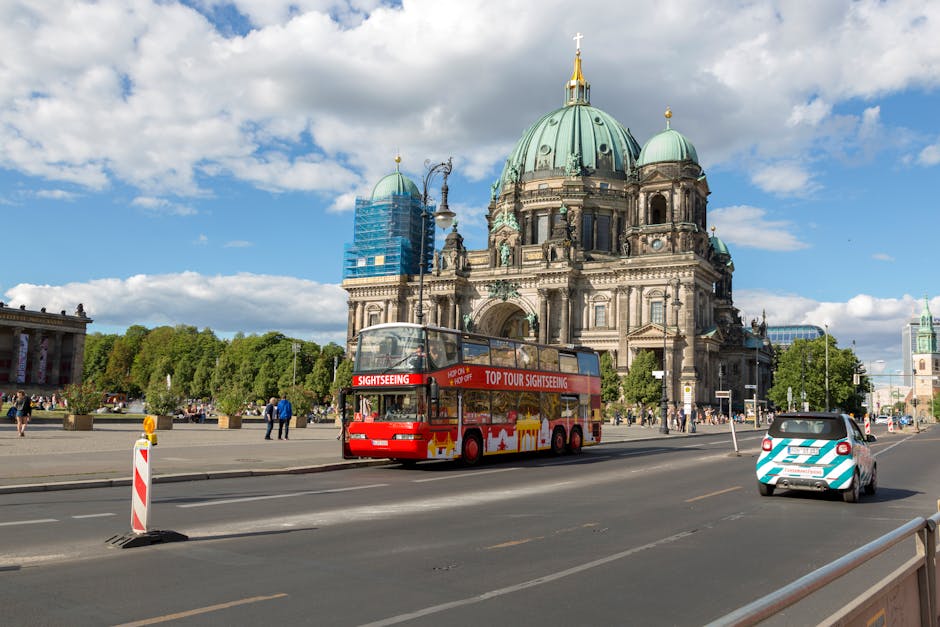
Learning local transit systems saves money and reduces stress. Most cities offer day passes or tourist cards that cover buses, trams, and subways. London’s Oyster Card, Tokyo’s Suica, and Paris’ Navigo Découverte are excellent examples.
Study route maps and schedules in advance. Note peak hours to avoid overcrowded trains. In cities like Bangkok or Mexico City, mid-morning and mid-afternoon are often less busy.
Know When to Walk
Walking is often the best way to discover hidden gems. Narrow alleys, local markets, and neighborhood cafes rarely appear on tourist maps. In compact cities like Prague or Lisbon, many top sights are within a 20-minute walk of each other.
Use pedestrian zones to your advantage. Barcelona’s Gothic Quarter and Kyoto’s Gion district are best explored on foot, with minimal vehicle traffic and rich atmosphere.
Avoid Tourist Traps Near Major Sites
Restaurants and shops directly adjacent to landmarks often charge inflated prices. Walk two or three blocks away for better value and more authentic experiences.
In Rome, skip the cafes near the Trevi Fountain. Head toward Trastevere for genuine Roman cuisine at local prices. In Paris, Montmartre’s side streets offer better bistros than those on Sacré-Cœur’s main plaza.
Manage Your Energy and Expectations
Sightseeing is physically and mentally demanding. Schedule regular breaks. Sit at a park bench, sip coffee at a sidewalk café, or simply people-watch. These pauses recharge your focus and improve your overall experience.
Don’t try to “do it all.” It’s better to deeply enjoy three meaningful sites than rush through ten. Quality over quantity leads to lasting memories.
Stay Hydrated and Nourished
Dehydration causes fatigue, headaches, and irritability—common stress triggers while traveling. Carry a refillable bottle and top up at public fountains or cafes.
Eat balanced meals with protein and complex carbs. Avoid heavy, greasy food before long walks. In countries with different hygiene standards, stick to bottled water and well-cooked meals.
Listen to Your Body
Pushing through exhaustion leads to poor decisions and missed opportunities. If you’re tired, rest. Nap in your room, return early, or swap a museum visit for a scenic boat ride.
Altitude, heat, and jet lag affect everyone differently. In places like Cusco or La Paz, allow a day to acclimate before intense sightseeing.
Respect Local Culture and Environment
Being a mindful traveler enhances your experience and supports sustainable tourism. Learn basic greetings in the local language. A simple “hello” or “thank you” goes a long way.
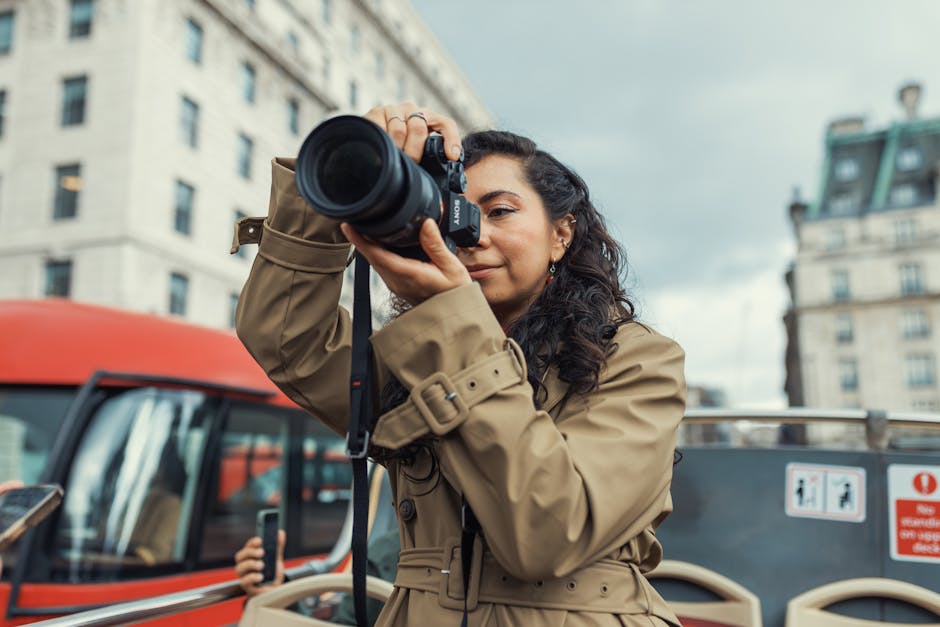
Follow site-specific rules. No flash photography in galleries, silence in sacred spaces, and stay on marked paths in nature reserves. These aren’t restrictions—they’re invitations to engage respectfully.
Support Local Economies
Buy souvenirs from local artisans instead of mass-produced imports. Eat at family-run restaurants. Hire local guides for deeper insights. Your spending directly benefits communities.
In places like Oaxaca or Chiang Mai, guided walking tours led by residents offer authentic perspectives you won’t find in guidebooks.
Leave No Trace
Carry a small trash bag and dispose of waste properly. Avoid touching ancient structures or wildlife. At sites like Petra or the Galápagos, preservation depends on visitor cooperation.
Use reef-safe sunscreen in coastal areas. Chemicals in regular sunscreens harm marine ecosystems, especially in tropical destinations.
Handle Crowds and Delays Gracefully
Even the best plans encounter hiccups. Flights delay, trains cancel, and attractions close unexpectedly. Build flexibility into your mindset.
Have backup options. If the Vatican Museums are too crowded, visit nearby Castel Sant’Angelo. If a beach is packed, explore a coastal trail instead.
Use Queue Strategies
When lines are unavoidable, make them productive. Review your map, plan your next stop, or chat with fellow travelers. In Japan, queuing is orderly and calm—observe and follow local behavior.
Consider paid fast-track options for high-demand sites. The extra cost may be worth it for time-strapped travelers.
Stay Calm During Disruptions
Delays happen. Use airline apps to track real-time updates. At train stations, check electronic boards for platform changes. Keep digital and printed copies of tickets and reservations.
If something goes wrong, approach staff politely. Most are willing to help if you’re respectful. Carry a printed hotel address in the local language for taxi drivers.
Capture Memories Without Missing the Moment
Photos preserve memories, but endless snapping can disconnect you from the experience. Set photo goals: one shot per site, or only during golden hour.
Put the camera down during key moments. Watch the sunset over Santorini without a lens between you and the view. Let the memory form in real time.
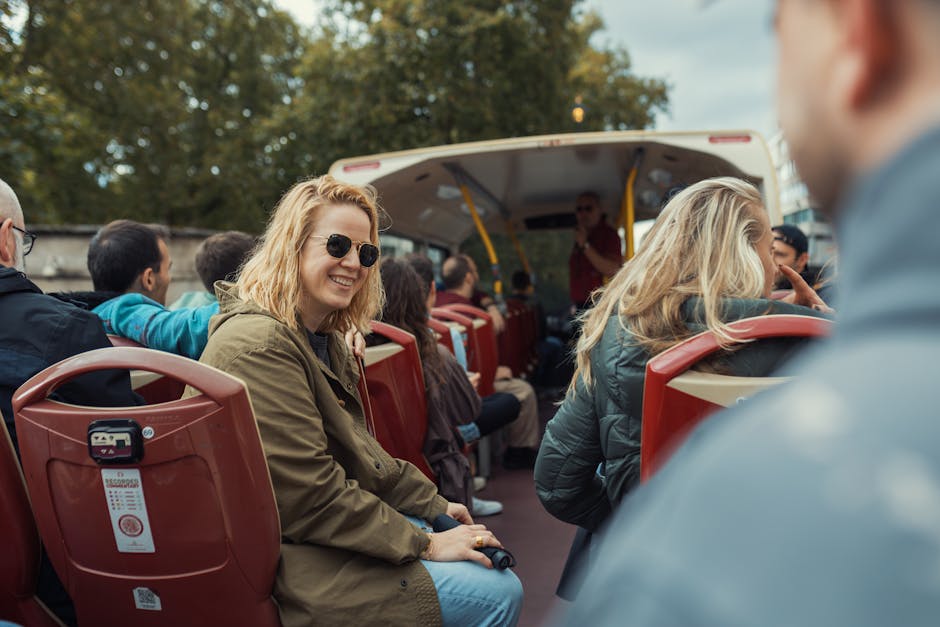
Use a Camera with Manual Settings
Smartphones are convenient, but dedicated cameras offer better low-light performance and zoom. A compact mirrorless camera fits in a small bag and delivers high-quality images.
Learn basic composition rules—rule of thirds, leading lines—to improve your shots without overthinking.
Back Up Your Photos Daily
Don’t risk losing your memories. Use a portable hard drive or cloud storage to back up images each evening. Many hotels offer free Wi-Fi for this purpose.
Label folders by date and location for easy sorting later. A little organization now saves hours of frustration at home.
Know When to Take a Break
Travel fatigue is real. After three or four days of intense sightseeing, schedule a “slow day.” Visit a local market, take a cooking class, or relax at a spa.
In cities like Vienna or Kyoto, spend an afternoon in a quiet garden or library. These moments of calm often become the most cherished parts of a trip.
Use Hotel Amenities
Many accommodations offer more than just a bed. Rooftop terraces, lounges, and concierge services can enhance your stay. Ask staff for personalized recommendations.
Some hotels partner with local attractions for discounts or early access. Always inquire at check-in.
Stay Connected, But Not Too Connected
Check in with family, but avoid spending hours on social media. Comparing your trip to others’ curated posts increases stress. Be present in your own journey.
Designate specific times to respond to messages. Use airplane mode during key experiences to minimize distractions.
FAQ
How can I avoid long lines at popular attractions?
Book timed entry tickets online in advance. Arrive early or visit during off-peak hours. Consider paid fast-track options if available and within budget.
What should I pack for a day of sightseeing?
Bring a lightweight daypack with water, snacks, sunscreen, a portable charger, and weather-appropriate clothing. Wear comfortable walking shoes and carry a small first-aid kit.
Is it better to use public transit or walk?
It depends on distance and city layout. Use public transit for longer distances or between neighborhoods. Walk in compact, pedestrian-friendly areas to discover hidden spots and reduce transit stress.