
Best Beach and Island Travel Spots for Crystal Waters
If you’re dreaming of turquoise waves, powder-soft sand, and water so clear you can see straight to the ocean floor, you’re not alone. Travelers around the world seek out beaches and islands with crystal waters—those rare gems where visibility stretches for meters and the sea glows with vivid blues and greens. These destinations aren’t just beautiful; they’re ideal for snorkeling, swimming, photography, and simply unwinding in nature’s most pristine settings. From the Caribbean to Southeast Asia and the South Pacific, we’ve rounded up the best beach and island travel spots for crystal waters, based on water clarity, accessibility, and overall visitor experience.
What Makes Water “Crystal”?
Crystal-clear water isn’t just about color—it’s about clarity, depth, and purity. The best examples have minimal sediment, low pollution, and strong sunlight penetration, allowing you to see coral reefs, fish, and underwater rock formations with ease. These conditions are often found in protected marine areas, remote islands, or regions with low human impact.
Factors like ocean currents, tides, and nearby vegetation also play a role. For example, lagoons sheltered by coral reefs tend to have calmer, clearer water than open coastlines. Similarly, islands with limited development often preserve water quality better than heavily touristed mainland beaches.
Top Destinations for Crystal-Clear Waters
1. Palawan, Philippines
Palawan is a standout for travelers seeking untouched beauty. El Nido and Coron offer some of the clearest waters in Southeast Asia, with visibility often exceeding 30 meters. The limestone cliffs and hidden lagoons create natural aquariums perfect for snorkeling and kayaking.
Big Lagoon in El Nido is especially renowned for its emerald-green waters and dramatic karst formations. Access is typically by boat, and early morning visits reduce crowds and improve water clarity. Always check local weather conditions—rain can stir up sediment and reduce visibility.
2. Maldives
The Maldives is synonymous with overwater bungalows and impossibly clear lagoons. With over 1,000 coral islands scattered across the Indian Ocean, it’s a top pick for luxury travelers and underwater enthusiasts alike.
Resorts on islands like Maafushi or Biyadhoo offer direct access to house reefs teeming with marine life. The shallow, warm waters are ideal for snorkeling, and many resorts provide guided tours to nearby dive sites. Keep in mind that while the water is consistently clear, visibility can vary slightly depending on the atoll and time of year.
3. Seychelles
This archipelago in the Indian Ocean blends granite boulders, palm-fringed beaches, and crystal-clear waters. Anse Source d’Argent on La Digue Island is one of the most photographed beaches in the world, thanks to its shallow, calm lagoon and striking rock formations.
The waters here are protected by coral reefs, which filter out waves and maintain clarity. Snorkeling near the shore reveals parrotfish, angelfish, and occasional sea turtles. Visit during the dry season (May to September) for the best conditions.
4. Bora Bora, French Polynesia
Bora Bora’s lagoon is a postcard-perfect example of tropical paradise. The water ranges from deep navy to vibrant turquoise, with visibility often exceeding 40 meters. Mount Otemanu rises dramatically from the center of the island, adding to the scenic backdrop.
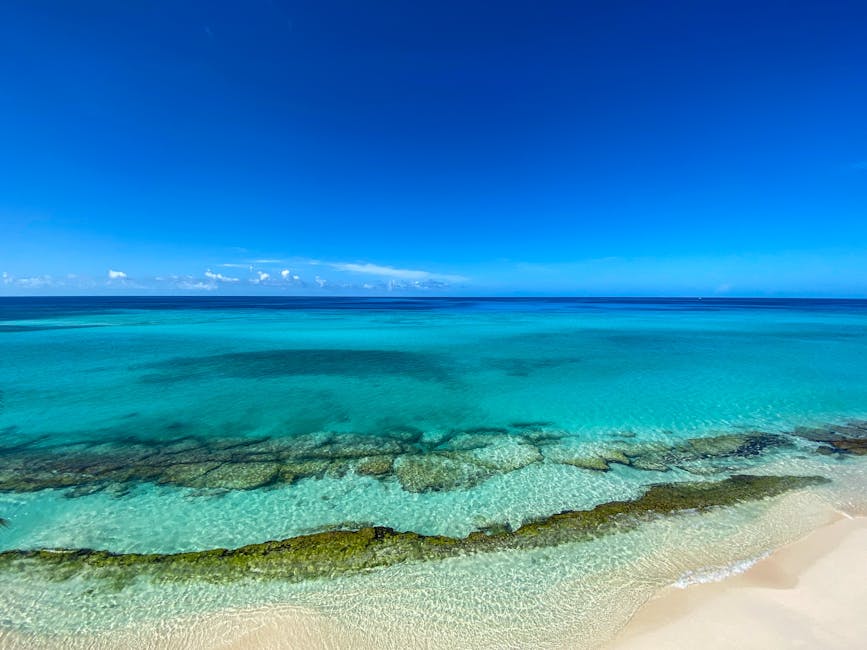
Most visitors stay in overwater villas, but day trips to Matira Beach offer excellent swimming and snorkeling. The coral gardens just offshore are home to rays, reef sharks, and colorful schools of fish. Book excursions in advance, especially during peak season (June to August).
5. The Bahamas
The Bahamas is made up of 700 islands, many with shallow, clear waters ideal for swimming and snorkeling. Exuma Cays Land and Sea Park is a protected area where marine life thrives and water clarity is exceptional.
Thunderball Grotto, featured in James Bond films, offers a unique snorkeling experience inside a natural cave system. The water inside is calm and crystal clear, with sunlight filtering through openings in the rock. Access requires a short boat ride and basic swimming skills.
6. Raja Ampat, Indonesia
Located off the coast of West Papua, Raja Ampat is one of the most biodiverse marine regions on Earth. Its remote location and strict conservation efforts help preserve water clarity and ecosystem health.
Visibility often exceeds 35 meters, making it a top destination for divers. While less accessible than other spots, liveaboard boats and eco-lodges provide sustainable ways to explore. Plan your trip between October and April for the calmest seas and best visibility.
7. Santorini, Greece
While not tropical, Santorini offers stunning blue waters with remarkable clarity, especially around the caldera and nearby islands like Thirassia and Nea Kameni. The volcanic rock and steep cliffs create a dramatic contrast with the Aegean Sea’s deep blues.
Red Beach and White Beach are popular for their unique colors and clear waters. However, water clarity can vary due to boat traffic and seasonal currents. Early morning visits or private boat tours offer the best views.
8. Fiji
Known as the “Soft Coral Capital of the World,” Fiji’s islands boast warm, clear waters and vibrant marine ecosystems. The Yasawa and Mamanuca island chains are particularly popular with travelers seeking both relaxation and adventure.
Beaches like Natadola Beach on the main island of Viti Levu offer calm, shallow waters perfect for families. The nearby coral reefs are easily accessible for snorkeling. Fiji’s dry season (May to October) offers the best conditions for water clarity.
9. Koh Lanta, Thailand
Less crowded than Phuket or Koh Phi Phi, Koh Lanta offers a more relaxed vibe with equally stunning waters. Long Beach and Kantiang Bay are known for their soft sand and clear, shallow lagoons.
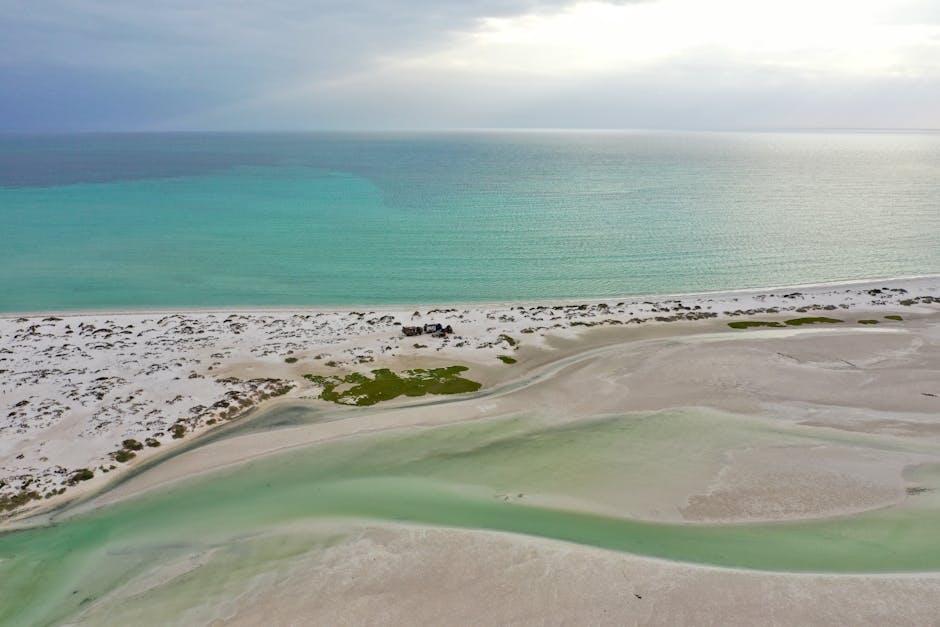
The island is part of a national marine park, which helps protect water quality and marine life. Snorkeling trips to nearby islands like Koh Rok reveal coral gardens and schools of tropical fish. Avoid monsoon season (May to October) for the best visibility.
10. Lord Howe Island, Australia
This UNESCO World Heritage site, located between Australia and New Zealand, is home to the world’s southernmost coral reef. The lagoon on the western side is sheltered and exceptionally clear, with visibility often exceeding 30 meters.
Activities include snorkeling, glass-bottom boat tours, and swimming with turtles. The island limits visitors to 400 at a time, helping preserve its natural beauty. Access is by small plane, and accommodations range from eco-lodges to boutique hotels.
How to Choose the Right Destination
Not every traveler has the same priorities. Some want luxury resorts, while others prefer off-the-grid adventures. Consider what matters most to you before booking.
If you’re traveling with family, look for calm, shallow waters and nearby amenities. Destinations like the Maldives and the Bahamas offer kid-friendly beaches and resort activities. For solo travelers or couples seeking romance, remote islands like Bora Bora or Raja Ampat provide privacy and stunning scenery.
Budget is another key factor. The Maldives and French Polynesia tend to be more expensive, while Thailand and the Philippines offer great value. Always factor in flights, accommodations, and local transportation when comparing costs.
Best Time to Visit for Crystal Waters
Timing can make or break your experience. Water clarity is often best during the dry season, when rainfall is low and ocean currents are calm. In tropical regions, this usually falls between November and April.
For example, the Caribbean and Southeast Asia have their peak clarity during winter months. In contrast, Mediterranean destinations like Santorini are best from late spring to early fall. Always check local weather patterns and avoid hurricane or monsoon seasons.
Even within the ideal season, early mornings typically offer the clearest water. Midday sun increases glare, while afternoon winds can stir up waves and reduce visibility. Plan your beach and snorkeling outings for early in the day when possible.
Tips for Preserving Water Clarity
As travelers, we have a responsibility to protect the places we visit. Pollution, sunscreen chemicals, and physical damage to reefs all contribute to declining water quality.
Use reef-safe sunscreen to avoid harmful chemicals like oxybenzone and octinoxate. These can bleach coral and disrupt marine ecosystems. Many eco-conscious brands now offer mineral-based options that are safer for the ocean.
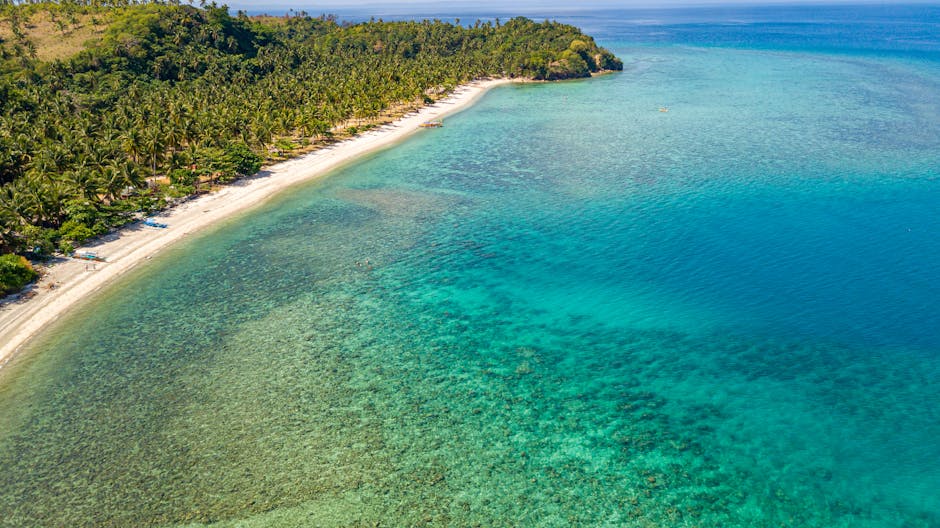
Avoid touching coral or standing on reefs while snorkeling or diving. Even light contact can damage delicate structures that take decades to grow. Stick to designated swim zones and follow local guidelines.
Support eco-friendly accommodations and tour operators that prioritize sustainability. Look for certifications like EarthCheck or Green Globe, which indicate a commitment to environmental responsibility.
What to Pack for a Crystal Water Getaway
Being prepared enhances your experience and helps you make the most of clear waters. Start with a good-quality snorkel mask and fins—renting gear can lead to ill-fitting equipment that fogs or leaks.
A waterproof camera or phone case lets you capture underwater moments without risking your device. Consider a floating wrist strap to prevent accidental drops in the water.
Lightweight, quick-dry clothing and a wide-brimmed hat protect you from sun exposure. Even in clear water, UV rays penetrate deeply, so reapply sunscreen regularly and seek shade during peak hours.
Don’t forget a reusable water bottle and eco-bag. Many islands have limited waste management, and single-use plastics can end up in the ocean. Staying hydrated is also essential, especially in tropical climates.
Common Mistakes to Avoid
One of the biggest mistakes travelers make is overestimating water conditions. Just because a beach looks clear from the shore doesn’t mean visibility will be perfect offshore. Always check recent visitor reviews or ask locals for up-to-date information.
Another pitfall is underestimating travel logistics. Remote islands may require multiple flights, boat transfers, or advance permits. For example, Raja Ampat and Lord Howe Island have limited access, so plan well ahead.
Lastly, don’t assume all “crystal water” spots are swimmable. Some areas have strong currents, sharp rocks, or marine hazards like jellyfish. Always heed warning signs and consult local guides before entering the water.
FAQs
Q: What’s the clearest water destination for snorkeling?
A: The Maldives and Raja Ampat consistently rank among the clearest for snorkeling, with visibility often exceeding 30 meters and vibrant coral reefs easily accessible from shore or short boat rides.
Q: Are crystal water beaches safe for children?
A: Yes, many destinations like the Bahamas, Fiji, and Koh Lanta offer calm, shallow lagoons ideal for kids. Always supervise children and choose beaches with lifeguards or low wave activity.
Q: Can I visit these spots on a budget?
A: Absolutely. Thailand, the Philippines, and parts of Indonesia offer affordable accommodations and local transport. Opt for guesthouses, public ferries, and self-guided tours to save money without sacrificing water quality.