
Best Food and Culinary Travel Spots for Local Snacks
Traveling for food isn’t just about fine dining—it’s about discovering authentic local snacks that define a destination’s culture. The best food and culinary travel spots offer more than just flavor; they provide a window into regional traditions, ingredients, and daily life. Whether you’re wandering through bustling night markets in Taipei or sampling street-side empanadas in Buenos Aires, the true essence of a place often lies in its humble, handheld treats. This guide highlights top destinations where local snacks shine, offering practical tips and must-try bites for curious travelers.
Why Local Snacks Define Culinary Travel
Local snacks are the heartbeat of a region’s food scene. Unlike restaurant meals, snacks are often eaten on the go, made with generations-old recipes, and tied to specific neighborhoods or events. They reflect what people actually eat daily—not just what’s served to tourists.
For example, in Mexico City, elote (grilled corn slathered with mayo, chili, and cheese) is a staple street snack enjoyed by locals of all ages. In contrast, high-end Mexican restaurants might focus on modern interpretations, but the real flavor of the city lives in its street carts.
Choosing destinations known for their snack culture ensures a more immersive travel experience. You’re not just tasting food—you’re participating in local rituals.
Top Destinations for Authentic Local Snacks
Not every city is created equal when it comes to snack diversity and authenticity. Some places have built reputations around their street food scenes, while others offer hidden gems in quiet alleys or morning markets.
Below are standout locations where local snacks take center stage, each offering unique flavors, textures, and cultural context.
Bangkok, Thailand: The Street Food Capital
Bangkok is synonymous with vibrant street food, and for good reason. The city’s sidewalks are lined with vendors serving up everything from pad thai to mango sticky rice. But it’s the smaller, less flashy snacks that often leave the biggest impression.
Try khanom buang, crispy coconut pancakes filled with sweet or savory toppings, or som tam (green papaya salad) from a roadside cart. These snacks are affordable, fast, and deeply rooted in Thai daily life.
Visit during early evening when vendors set up along Sukhumvit or near the Chatuchak Market. Avoid overly touristy areas like Khao San Road, where prices inflate and authenticity fades.
Tokyo, Japan: Precision in Every Bite
Tokyo’s snack culture blends tradition with innovation. From convenience store onigiri to artisanal wagashi (traditional sweets), the city offers snacks for every palate and occasion.
One standout is tamagoyaki, a sweet rolled omelet often sold at train station kiosks. It’s a comforting, portable snack favored by commuters. For something more adventurous, try basashi (raw horse meat) skewers in the back alleys of Shinjuku—though this is best approached with an open mind and a trusted local guide.
Tsukiji Outer Market remains a top spot for fresh seafood snacks like grilled scallops and tamagoyaki. Go early to avoid crowds and enjoy the full experience.
Marrakech, Morocco: Spices and Sweetness
In Marrakech, the Jemaa el-Fnaa square transforms at sunset into a snack lover’s paradise. Vendors grill meats, simmer tagines, and serve steaming bowls of harira soup.
Don’t miss msemen, a flaky, layered flatbread often served with honey or jam for breakfast. It’s a staple in Moroccan homes and widely available from street stalls.
For something sweet, try chebakia, a sesame-coated pastry dipped in honey and flavored with saffron. It’s especially popular during Ramadan but available year-round in bakeries.
Be cautious with raw juices and unpeeled fruits. Stick to freshly cooked items and bottled water to avoid stomach issues.
Mexico City, Mexico: A Snack for Every Hour
Mexico City’s snack scene is as diverse as its neighborhoods. From breakfast tamales to late-night tacos al pastor, there’s always something to eat.
Elote and esquites (corn kernels in a cup) are ubiquitous, but also seek out huaraches—oval-shaped masa boats topped with beans, cheese, and salsa. They’re heartier than tacos and a local favorite.
Visit Mercado de San Juan or Mercado Roma for a curated selection of snacks from trusted vendors. These markets offer cleaner environments and a chance to sample multiple dishes in one visit.
Taipei, Taiwan: Night Market Magic
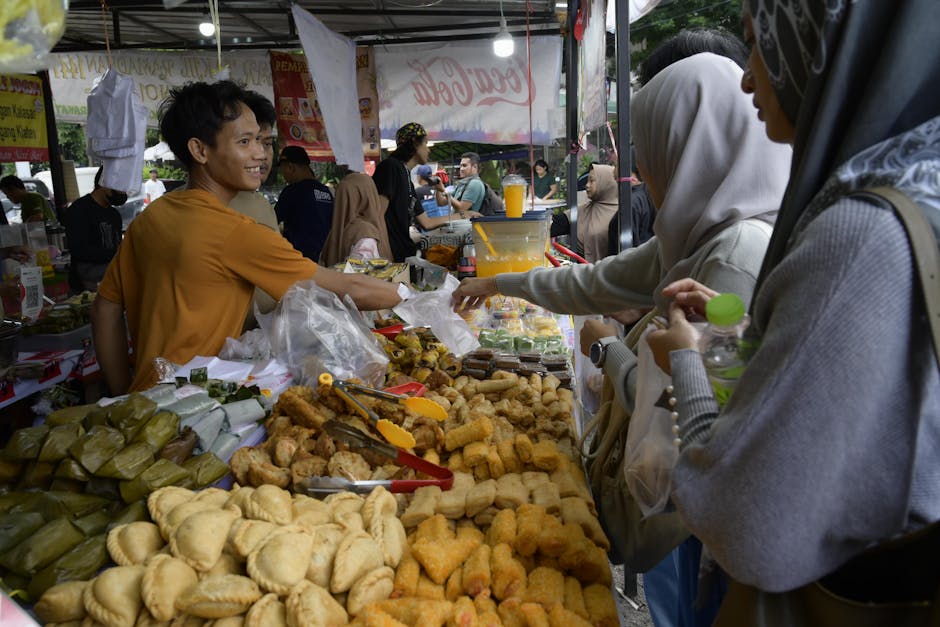
Taipei’s night markets are legendary for their variety and energy. Shilin and Raohe are the most famous, but smaller markets like Ningxia offer a more local vibe.
Must-try snacks include stinky tofu (fermented and deep-fried), oyster omelets, and bubble tea—a Taiwanese invention now global. Don’t shy away from the smell of stinky tofu; the flavor is rich and complex.
Go between 6 and 9 PM when stalls are fully operational. Bring cash, as most vendors don’t accept cards.
Lisbon, Portugal: Simple Pleasures
Lisbon’s snack culture leans toward simplicity and quality. Pastéis de nata (custard tarts) are the star, best enjoyed warm from a local bakery like Manteigaria.
Pair them with a bica (espresso) for a classic Portuguese break. For something savory, try bifana—a pork sandwich marinated in garlic and white wine, served on a soft roll.
Alfama and Bairro Alto neighborhoods have the highest concentration of authentic snack spots. Avoid tourist cafes near major attractions.
How to Find the Best Local Snacks While Traveling
Finding authentic snacks requires more than a Google search. The best bites are often unmarked, unadvertised, and passed down through generations.
Ask Locals, Not Tourists
Strike up a conversation with shopkeepers, taxi drivers, or hotel staff. Ask, “What’s your favorite snack?” or “Where do you eat when you’re in a hurry?” Locals know the hidden gems.
Avoid relying solely on review apps. While helpful, they can skew toward tourist-heavy areas. A 4.8-star stall might be popular with visitors but unknown to residents.
Follow the Crowd
A long line of locals is often the best indicator of quality. If a cart has a queue during lunch hour, it’s likely serving something worth waiting for.
Watch what people are eating. If everyone’s holding the same wrapped bundle or paper cup, that’s your cue to try it.
Visit Markets and Transit Hubs
Markets and train stations are snack hotspots. People eat on the go, so vendors must be fast, fresh, and reliable.
In Seoul, for example, subway stations like Gangnam have entire food courts with kimbap, tteokbokki, and hotteok (sweet pancakes). These aren’t tourist traps—they’re daily fare for commuters.
Learn a Few Key Phrases
Even basic language skills go a long way. Saying “One, please” or “Is this spicy?” in the local language shows respect and helps you navigate menus.
In countries like Vietnam or Turkey, menus may not have English. Pointing and smiling works, but knowing words like “spicy,” “sweet,” or “vegetarian” can prevent mishaps.
Safety Tips for Eating Street Food
Eating local snacks is one of travel’s great joys, but it comes with risks. Foodborne illness can derail a trip, so caution is essential.
Choose Vendors with High Turnover
High turnover means food isn’t sitting out for hours. Look for stalls where ingredients are cooked to order and served immediately.
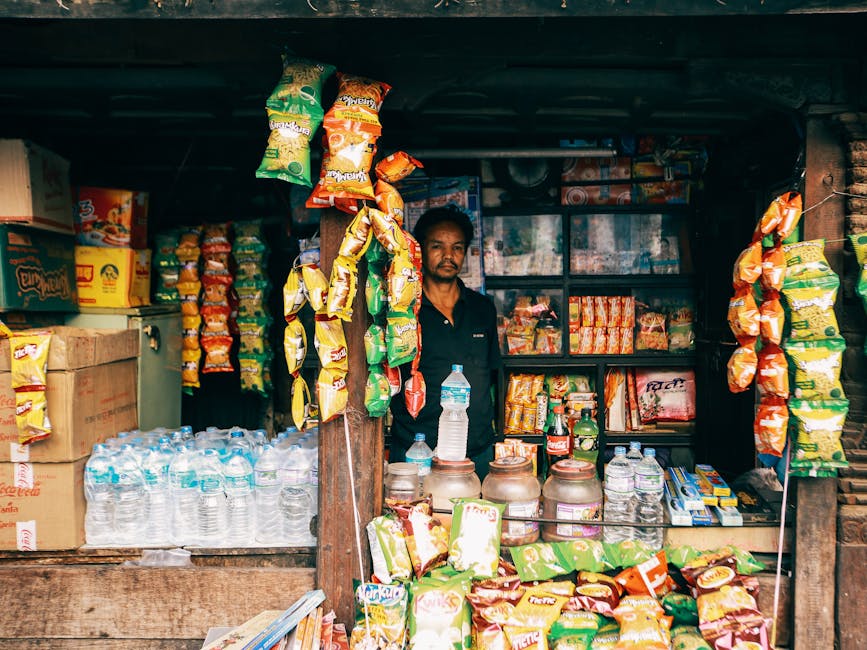
Avoid pre-made dishes that have been sitting under heat lamps, especially in hot climates.
Watch Food Handling Practices
Observe how vendors handle money and food. Ideally, they use separate tools or gloves. If they’re using the same hand to handle cash and wrap food, consider skipping it.
Clean hands and surfaces matter, but so does ingredient freshness. Ask when the oil was last changed if you’re ordering fried items.
Stick to Cooked and Peeled Foods
Raw vegetables, unpeeled fruits, and unpasteurized dairy are common culprits for stomach issues. When in doubt, eat something hot and freshly cooked.
Fruits you can peel yourself—like bananas or oranges—are safer bets than pre-cut fruit cups.
Stay Hydrated—But Carefully
Drink bottled or filtered water, especially in regions where tap water isn’t safe. Avoid ice in drinks unless you’re sure it’s made from purified water.
Dehydration worsens foodborne illness, so keep sipping even if you’re not thirsty.
Seasonal and Festival Snacks to Seek Out
Some of the best local snacks are only available during certain times of year or special events. Timing your trip around these can elevate your culinary experience.
Japan’s Sakura Season
In spring, Tokyo and Kyoto offer sakura mochi and hanami dango—pink and white sweets enjoyed under blooming cherry trees. These are seasonal specialties, not year-round staples.
India’s Diwali Sweets
During Diwali, cities like Delhi and Mumbai are flooded with laddoo, barfi, and jalebi. Many households and shops offer free samples, making it a great time to taste a variety.
Spain’s Feria de Abril
Seville’s April Fair features pescaíto frito (fried fish) and rebujito (sherry with soda). It’s a festive atmosphere with food at the center.
Check local calendars before you travel. Even small towns often have food festivals that highlight regional specialties.
Budget-Friendly Tips for Snack Travelers
One of the best things about local snacks is their affordability. With a little planning, you can eat well without overspending.
Set a Daily Snack Budget
Allocate a set amount—say $10–$15 per day—for snacks. This encourages exploration without breaking the bank.
Many snacks cost less than $2, so you can try multiple items without guilt.
Share with Travel Companions
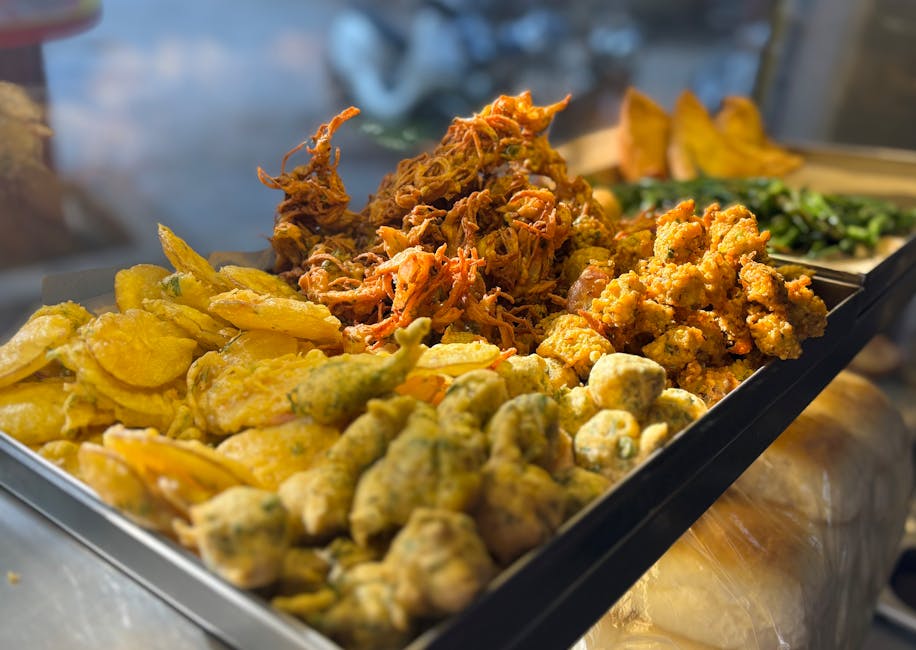
Order small portions or share larger items. This lets you sample more varieties without overeating.
In Bangkok, for example, three people can easily try six different snacks for under $10 total.
Buy from Local Bakeries and Stalls
Avoid hotel breakfasts and tourist cafes. Instead, grab a pastry from a neighborhood bakery or a sandwich from a corner stall.
You’ll save money and get a more authentic taste of daily life.
Cultural Etiquette When Eating Local Snacks
Respect goes a long way in food culture. What’s acceptable in one country might be rude in another.
Eating on the Go
In Japan, it’s considered impolite to eat while walking. Find a spot to stand or sit before enjoying your snack.
In contrast, Mexico City embraces street eating. Walking and snacking is common and encouraged.
Tipping Practices
In many countries, tipping isn’t expected at street food stalls. In others, like the U.S., it’s customary to leave small change.
When in doubt, observe what others do or ask a local.
Handling Money and Food
In some cultures, handing money directly to a vendor while they’re handling food is frowned upon. Use a tray or place cash in a designated box if available.
Final Thoughts: Make Snacks the Heart of Your Trip
The best food and culinary travel spots aren’t always the most famous—they’re the ones where locals gather, recipes are preserved, and every bite tells a story. Local snacks offer a direct connection to culture, history, and community.
By seeking out authentic vendors, respecting local customs, and staying safe, you can turn every meal into a meaningful experience. Pack your appetite, keep an open mind, and let the snacks lead the way.
FAQ
What should I do if I get sick from a local snack?
Stay hydrated, rest, and avoid solid foods until symptoms subside. If symptoms persist for more than 24 hours or include fever or severe pain, seek medical help. Carry a basic travel health kit with oral rehydration salts and antidiarrheal medication.
How can I tell if a street food vendor is safe?
Look for high customer turnover, clean cooking surfaces, and food served hot. Avoid raw or undercooked items in high-risk areas. When in doubt, choose vendors recommended by locals or trusted travel guides.
Are local snacks suitable for vegetarians or people with dietary restrictions?
Many local snacks can be adapted, but it depends on the region. In India, vegetarian options are abundant. In meat-heavy cultures like Argentina, options may be limited. Learn key phrases to explain your dietary needs and research ahead of time.