
Top Adventure Travel Journeys for Desert Explorers
Desert adventures offer some of the most awe-inspiring and transformative travel experiences on Earth. From vast sand seas to rugged canyons, these arid landscapes challenge the body and awaken the spirit. Whether you’re drawn to the silence of the Sahara or the surreal dunes of Namibia, there’s a journey tailored to every level of explorer. This guide highlights the top adventure travel journeys for desert enthusiasts, combining practical advice with real-world itineraries to help you choose your next expedition.
Why Choose a Desert Adventure?
Deserts are often misunderstood as barren wastelands, but they’re teeming with life, culture, and natural wonder. These environments demand respect and preparation, but reward travelers with unmatched solitude, star-filled skies, and landscapes that feel almost otherworldly. Unlike more crowded tourist destinations, deserts offer a rare chance to disconnect and reconnect—with nature, with local communities, and with yourself.
Adventure travel in desert regions isn’t just about endurance; it’s about immersion. You’ll traverse ancient trade routes, sleep under meteor showers, and learn survival skills passed down through generations. The physical challenge is real, but so is the payoff: a deeper understanding of resilience, adaptability, and the raw beauty of Earth’s extremes.
Top Desert Destinations for Adventure Travelers
The Sahara Desert, Morocco
Spanning much of North Africa, the Sahara is the world’s largest hot desert and a classic destination for adventure seekers. Morocco’s portion, particularly around Merzouga and Zagora, offers accessible yet authentic desert experiences. Most travelers begin in Ouarzazate, known as the “Gateway to the Sahara,” before heading into the Erg Chebbi dunes.
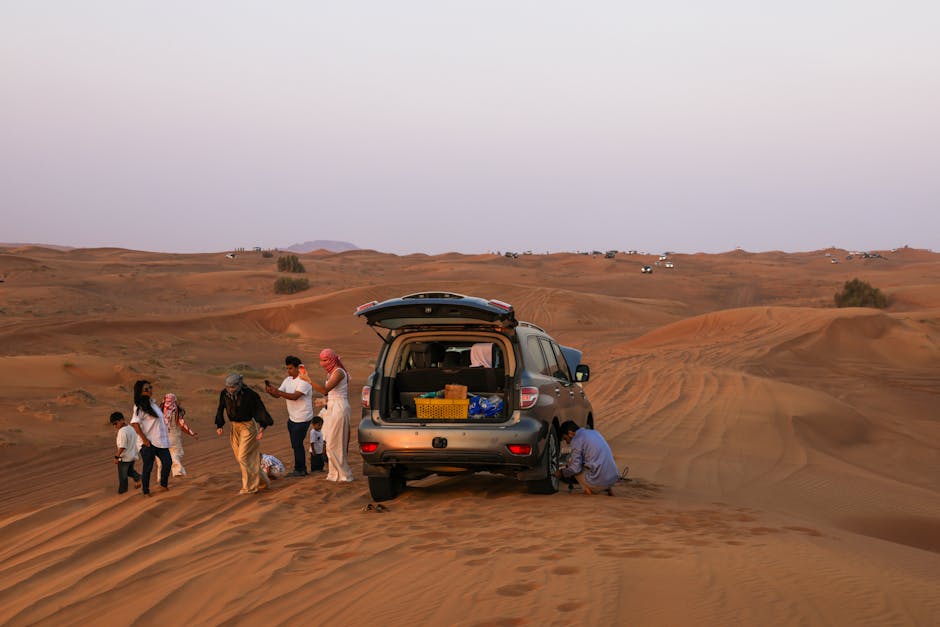
Trekking across towering dunes on camelback is a quintessential Sahara experience. Overnight stays in Berber-style desert camps provide a glimpse into local life, complete with mint tea, traditional music, and meals cooked over open fires. For a more rugged option, multi-day 4×4 expeditions venture deeper into the desert, where mobile camps allow you to explore remote oases and fossil-rich plateaus.
Safety is paramount. Always travel with a licensed guide, carry extra water, and avoid midday heat. The desert’s beauty can be deceptive—temperatures swing drastically between day and night, and navigation without GPS or landmarks is extremely difficult.
Wadi Rum, Jordan
Known as the “Valley of the Moon,” Wadi Rum is a UNESCO World Heritage Site famed for its dramatic sandstone cliffs, narrow canyons, and red sand dunes. Made famous by T.E. Lawrence (“Lawrence of Arabia”), this protected desert reserve offers a mix of adventure and cultural immersion.
Adventure options include guided jeep tours, rock climbing on natural arches, and overnight camping with Bedouin families. Many travelers opt for a two-day itinerary: one day exploring by 4×4, the next hiking through canyons like Khazali and Um Fruth. The silence here is profound—no traffic, no cities, just wind-sculpted rock and endless horizons.
Permits are required and best arranged through licensed tour operators. Respect local customs: dress modestly, ask before photographing people, and avoid littering. The Bedouin communities that call Wadi Rum home are proud custodians of the land, and sustainable tourism supports their way of life.
Namib Desert, Namibia
The Namib is one of the oldest deserts in the world, with dunes reaching heights of over 300 meters. Its most iconic site is Sossusvlei, where rust-colored dunes frame the stark white clay pan of Deadvlei. This surreal landscape has become a magnet for photographers and hikers alike.
Adventure here ranges from sunrise hikes up Dune 45 to multi-day backpacking trips through the Namib-Naukluft Park. For a unique perspective, consider a scenic flight over the Skeleton Coast—where shipwrecks dot the shoreline and desert meets ocean. Guided walking safaris offer close encounters with desert-adapted wildlife, including oryx, springbok, and sidewinder snakes.
Water is scarce, and temperatures can exceed 40°C (104°F) in summer. Travel between October and March requires extra caution. Always carry a satellite communicator, as cell service is nonexistent in most areas. Most visitors base themselves at Sesriem or nearby lodges, which offer guided tours and basic amenities.
Atacama Desert, Chile
Stretching across northern Chile, the Atacama is the driest non-polar desert on Earth. Despite its aridity, it hosts geysers, salt flats, high-altitude lagoons, and some of the clearest skies for stargazing. San Pedro de Atacama serves as the main hub for adventurers.
Popular activities include hiking the Valle de la Luna (Moon Valley), soaking in natural hot springs at El Tatio, and exploring the Altiplano’s volcanic landscapes. For a serious challenge, multi-day treks like the Puritama Trail or ascents of Licancabur Volcano test endurance at over 5,000 meters above sea level.
Altitude sickness is a real concern. Spend at least two days acclimatizing in San Pedro before attempting high-elevation hikes. Drink plenty of water, avoid alcohol, and listen to your body. Many tours include medical checks and oxygen tanks for emergencies.
Arabian Desert, Oman
Oman’s Wahiba Sands offer a more intimate desert experience compared to the vastness of the Sahara. This sea of golden dunes is home to Bedouin tribes and a surprising variety of desert wildlife. Adventure here blends culture, ecology, and adrenaline.
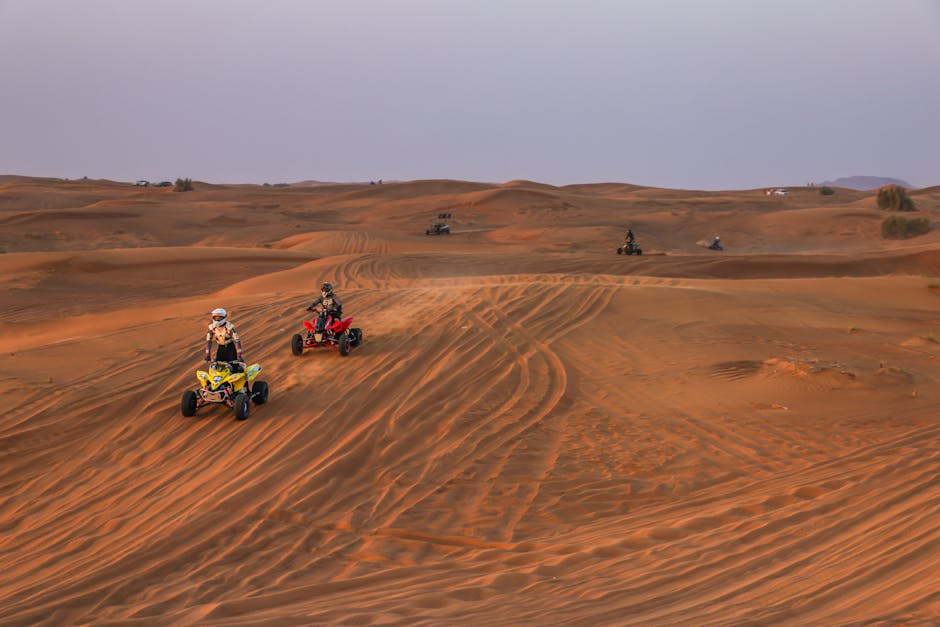
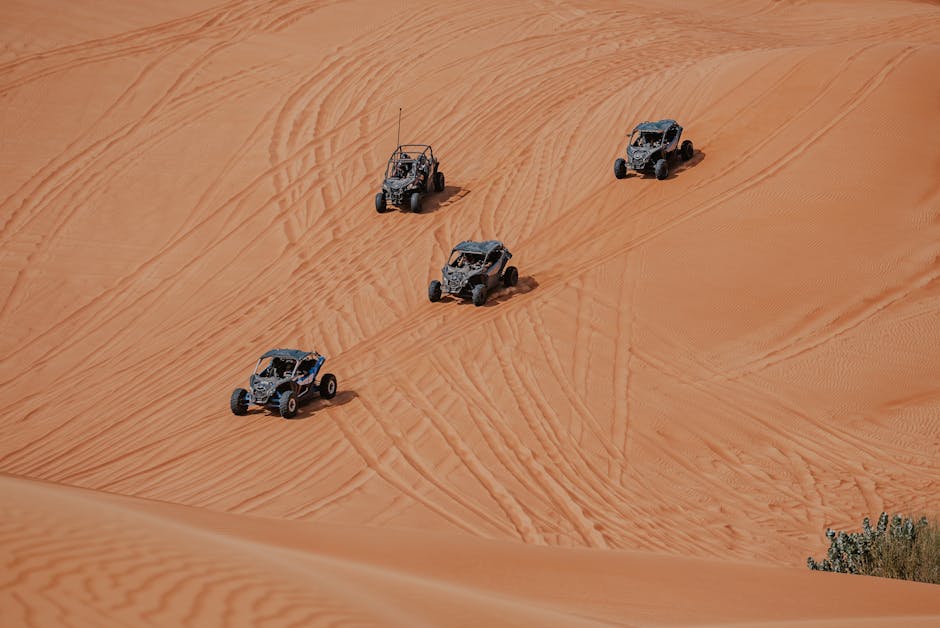
Options include dune bashing in 4×4 vehicles, sandboarding down steep slopes, and guided walks to spot Arabian oryx and desert foxes. Overnight camps often feature traditional Omani cuisine and storytelling under the stars. For a longer journey, combine the desert with a coastal trek along the Ras al Jinz turtle reserve.
Respect tribal boundaries and avoid driving off designated tracks to protect fragile ecosystems. Summer months (June–August) are extremely hot; the best time to visit is October to April. Always travel with a local guide familiar with the terrain and customs.
Essential Preparation for Desert Adventures
Physical and Mental Readiness
Desert travel is physically demanding. Long hikes, extreme temperatures, and limited resources require a baseline level of fitness. Start training months in advance with weighted hikes, heat acclimatization, and endurance exercises. Mental resilience is just as important—long stretches of isolation and discomfort test patience and focus.
Begin with shorter trips if you’re new to desert trekking. A weekend in the Mojave or Sonoran deserts can build confidence before tackling the Sahara or Atacama. Always inform someone of your itinerary and expected return time.
Gear and Packing Essentials
Proper gear can mean the difference between comfort and crisis. Pack lightweight, breathable clothing that covers your skin to prevent sunburn and reduce water loss. A wide-brimmed hat, UV-blocking sunglasses, and high-SPF sunscreen are non-negotiable.
Footwear matters. Choose broken-in hiking boots with ankle support and breathable socks. Bring gaiters to keep sand out. A high-quality sleeping bag rated for cold nights is essential—desert temperatures can drop below freezing, even in summer.
Hydration systems are critical. Carry at least 3–4 liters of water per person per day, plus a filtration or purification method. Collapsible bottles and hydration bladders save space. Include electrolyte supplements to prevent dehydration.
Navigation tools should include a GPS device, physical map, and compass. Mobile phones often lose signal, and batteries drain quickly in the heat. A satellite messenger like a Garmin inReach provides emergency communication.
Choosing the Right Tour Operator
Not all desert tours are created equal. Look for operators with strong safety records, local partnerships, and transparent itineraries. Reputable companies employ certified guides, carry first-aid kits, and have evacuation plans.
Read reviews on trusted platforms like TripAdvisor or Lonely Planet. Ask about group size—smaller groups (6–8 people) offer more personalized attention and less environmental impact. Verify that guides are trained in wilderness first aid and carry emergency communication devices.
Avoid budget operators that cut corners on safety or sustainability. A slightly higher price often reflects better equipment, trained staff, and responsible practices. Ask if they support local communities through employment or conservation initiatives.
Safety Tips Every Desert Explorer Should Know
Desert environments are unforgiving. Heatstroke, dehydration, and hypothermia are real risks, even for experienced travelers. Know the signs: dizziness, nausea, confusion, or shivering in cold nights require immediate action.
Never travel alone. Even short hikes should be done with a partner or guide. Share your route with someone outside your group. Stick to marked trails when possible—getting lost in the desert can be fatal.
Weather changes quickly. Sandstorms can reduce visibility to zero in minutes. If caught in one, cover your face, seek shelter behind rocks, and wait it out. Avoid driving during storms; vehicles can become disoriented or damaged.
Wildlife encounters are rare but possible. Most desert animals avoid humans, but snakes, scorpions, and spiders may be present. Shake out shoes and clothing before use. If bitten, remain calm, immobilize the area, and seek medical help immediately.
Sustainable Desert Travel Practices
Deserts are fragile ecosystems. Off-road driving, littering, and disturbing wildlife can cause long-term damage. Practice Leave No Trace principles: pack out all trash, avoid trampling vegetation, and stay on established paths.
Support eco-friendly lodges and tour operators that use solar power, minimize plastic, and employ local staff. Many desert communities rely on tourism for income—spending money locally helps preserve culture and environment.
Minimize water waste. Use biodegradable soap, and avoid contaminating natural water sources. Respect sacred sites and cultural landmarks—some areas may be off-limits to visitors.
When to Go: Timing Your Desert Adventure
Timing is everything. Most deserts have extreme seasonal variations. The best months are typically spring (March–May) and autumn (September–November), when temperatures are milder and skies are clear.
Summer brings scorching heat—often exceeding 45°C (113°F)—making daytime travel dangerous. Winter nights can be freezing, especially at high elevations like the Atacama or Gobi. Research regional weather patterns before booking.
Consider lunar cycles for stargazing. New moon periods offer the darkest skies, ideal for astronomy enthusiasts. Some camps offer night tours with telescopes and expert guides.
Final Thoughts: Choosing Your Ideal Journey
The best desert adventure depends on your interests, fitness level, and travel style. Are you seeking solitude and spiritual reflection? A cultural exchange with nomadic tribes? Or the thrill of extreme trekking and photography?
Start by identifying your goals. Then match them to a destination: Morocco for classic dunes, Jordan for cinematic landscapes, Namibia for otherworldly beauty, Chile for high-altitude challenges, or Oman for cultural depth.
No matter where you go, approach the desert with humility and preparation. These journeys aren’t just about reaching a destination—they’re about transformation. The desert teaches patience, presence, and respect for the natural world.
FAQ
What should I pack for a desert trek?
Essentials include sun protection (hat, sunglasses, sunscreen), layered clothing, sturdy hiking boots, 3–4 liters of water per day, a GPS or satellite communicator, first-aid kit, and a lightweight sleeping bag. Don’t forget a headlamp and extra batteries.
Is it safe to travel alone in the desert?
No. Solo travel in remote desert areas is strongly discouraged due to risks of dehydration, getting lost, or medical emergencies. Always go with a guide or in a small group, and share your itinerary with someone reliable.
How do I prevent dehydration in extreme heat?
Drink water regularly, even if you don’t feel thirsty. Use electrolyte supplements to replace lost salts. Avoid alcohol and caffeine, which increase dehydration. Wear light, loose clothing and rest in shade during peak heat hours (10 a.m. to 4 p.m.).