
Complete Destination Guide to Budapest for Sightseeing
Budapest, Hungary’s vibrant capital, is a city where history, architecture, and culture converge along the banks of the Danube River. Known for its stunning thermal baths, grand boulevards, and UNESCO-listed landmarks, Budapest offers an unforgettable sightseeing experience for every traveler. Whether you’re drawn to Gothic cathedrals, ruin bars, or panoramic river views, this guide covers everything you need to explore the city efficiently and enjoyably. From must-see attractions to hidden gems, practical tips, and neighborhood insights, this complete destination guide to Budapest for sightseeing ensures you make the most of your visit.
Why Budapest Is a Top Sightseeing Destination
Budapest consistently ranks among Europe’s most beautiful and affordable cities for travelers. Its unique blend of Roman, Ottoman, and Austro-Hungarian influences creates a rich architectural and cultural tapestry. The city is divided by the Danube into Buda—the hilly, historic side—and Pest—the flat, lively urban center. This geographical split allows visitors to experience two distinct atmospheres within walking distance of each other.
With over 100 thermal springs, Budapest is often called the “City of Spas.” Its UNESCO World Heritage sites include the Banks of the Danube, Buda Castle Quarter, and Andrássy Avenue. The city also boasts world-class museums, vibrant nightlife, and a thriving food scene. All of this, combined with relatively low costs compared to Western European capitals, makes Budapest an ideal destination for sightseers on any budget.
Top Must-See Attractions in Budapest
Buda Castle and Castle Hill
Perched atop Castle Hill, Buda Castle dominates the city skyline. Originally built in the 13th century and rebuilt in Baroque style after Ottoman rule, it now houses the Hungarian National Gallery and the Budapest History Museum. The castle complex offers sweeping views of Pest and the Danube, especially stunning at sunset.
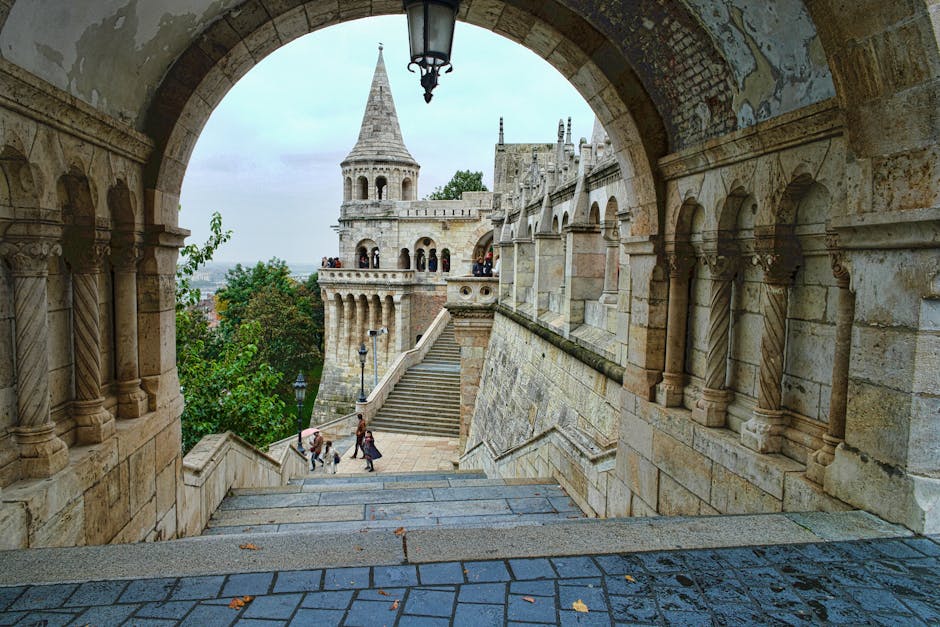
Visitors can reach the castle by foot via the charming Castle District’s cobblestone streets or take the historic Castle Hill Funicular from Clark Ádám Square. Allow at least two hours to explore the grounds, museums, and nearby Matthias Church. The Fisherman’s Bastion, a neo-Gothic terrace with fairytale turrets, is just a short walk away and provides one of the best photo opportunities in the city.
Parliament Building
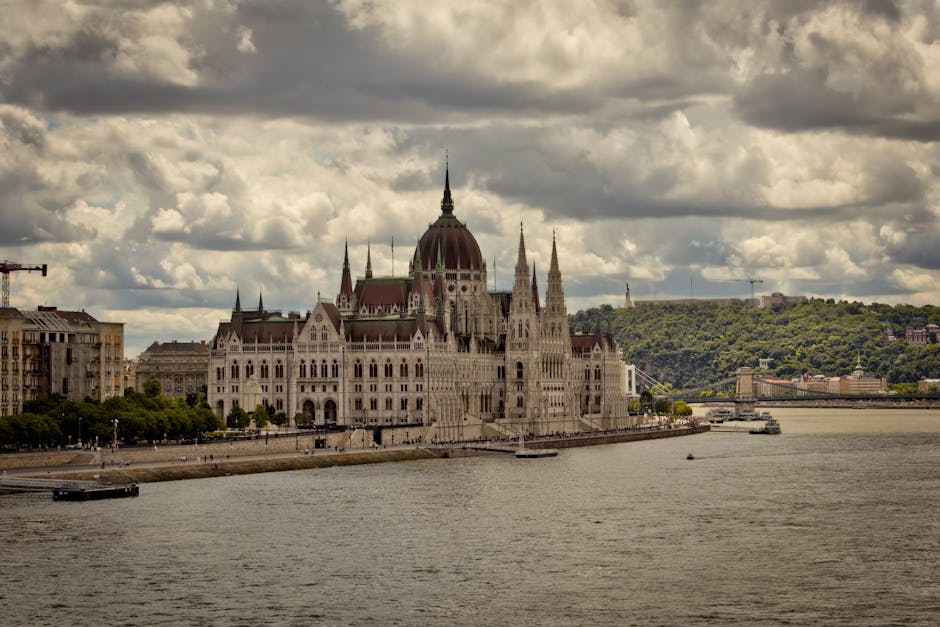
The Hungarian Parliament Building is one of the most iconic landmarks in Budapest. With its 691 rooms, 27 gates, and 268 sculptures, it’s one of the largest legislative buildings in the world. Its Gothic Revival architecture, complete with a central dome and symmetrical wings, is best admired from across the Danube at night, when it’s illuminated.
Guided tours are available in multiple languages and include access to the grand staircase, the central hall, and the Holy Crown of Hungary. Book tickets online in advance, especially during peak season. Security checks are thorough, so arrive 15 minutes early. Photography is allowed in designated areas, but bags may be subject to inspection.
Thermal Baths: Széchenyi and Gellért
Budapest’s thermal baths are not just for relaxation—they’re cultural institutions. The Széchenyi Baths in City Park are the largest medicinal baths in Europe. Built in 1913, they feature 18 pools, including indoor and outdoor sections, saunas, and steam rooms. It’s common to see locals playing chess in the warm waters—a uniquely Hungarian experience.
The Gellért Baths, located in the luxurious Gellért Hotel, offer a more refined atmosphere. Known for their Art Nouveau interiors, mosaic tiles, and stained glass, they’re ideal for those seeking elegance. Both baths require a towel or bathrobe rental, and swimsuits are mandatory. Visit early in the morning or late afternoon to avoid crowds.
St. Stephen’s Basilica
Named after Hungary’s first king, St. Stephen’s Basilica is the country’s largest church. Its neoclassical dome rises 96 meters—matching the height of the Parliament Building, a deliberate architectural balance. Visitors can climb or take an elevator to the cupola for a 360-degree view of Budapest.
Inside, the basilica houses the mummified right hand of St. Stephen, known as the Holy Right Hand. The interior is richly decorated with frescoes, marble columns, and gold leaf. Attend a classical concert in the evening for a memorable cultural experience. Dress modestly, as it’s an active place of worship.
Chain Bridge and the Danube Promenade
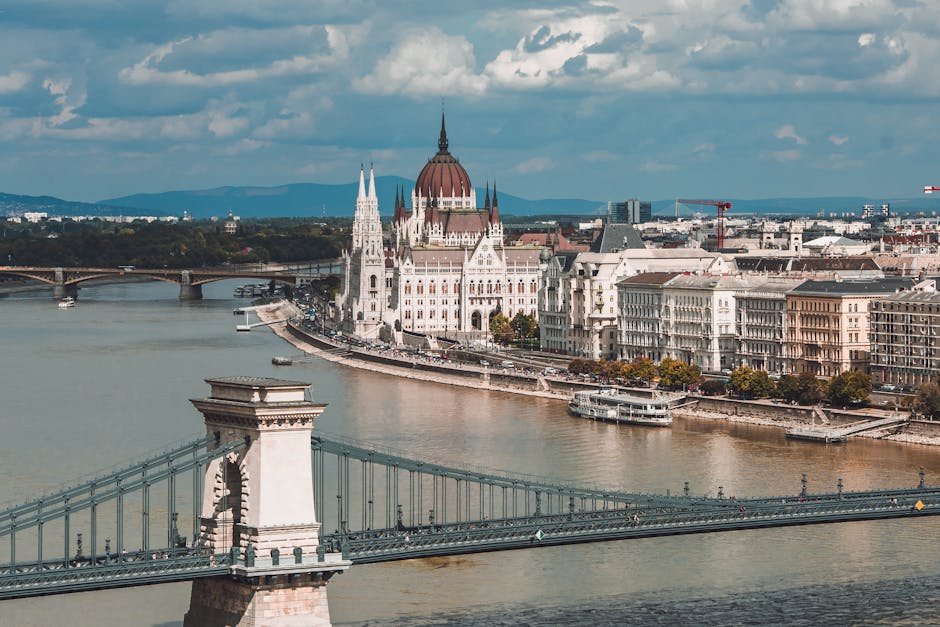
The Széchenyi Chain Bridge, completed in 1849, was the first permanent bridge connecting Buda and Pest. Its stone lions at each end are a beloved symbol of the city. Walk across the bridge at sunset for breathtaking views of the river and skyline.
The Danube Promenade along Pest’s riverside is perfect for a leisurely stroll. Don’t miss the “Shoes on the Danube Bank” memorial, a poignant tribute to Jews executed during WWII. The promenade also leads to Vigadó Concert Hall and the modern Shoes on the Danube sculpture garden.
Exploring Budapest’s Neighborhoods
Buda: Historic Charm and Scenic Views
Buda’s winding streets, pastel-colored buildings, and quiet plazas offer a peaceful contrast to Pest’s energy. Start at Buda Castle, then wander through the Castle District’s artisan shops and cafés. Visit the Hospital in the Rock Museum, a Cold War-era nuclear bunker turned interactive exhibit.
Rudas Baths, a 16th-century Ottoman bath, provides a more authentic thermal experience with fewer tourists. For panoramic views, hike up Gellért Hill or take the scenic path behind the Citadel. The hilltop Liberation Monument commemorates Soviet forces, but the real reward is the view.
Pest: Urban Energy and Cultural Hubs
Pest is the heart of Budapest’s nightlife, shopping, and dining. Andrássy Avenue, a tree-lined boulevard, connects the city center to City Park. Lined with boutiques, cafés, and the Opera House, it’s a prime spot for people-watching.
The Jewish Quarter, centered around Dohány Street Synagogue—the largest in Europe—is rich in history and culture. Explore the synagogues, memorials, and the famous Szimpla Kert ruin bar. The area comes alive at night with bars, live music, and street food.
District VII and the Ruin Bar Scene
Once a neglected part of the city, District VII has transformed into Budapest’s creative epicenter. Ruin bars—unique venues set in abandoned buildings and courtyards—are its signature attraction. Szimpla Kert, the original ruin bar, features eclectic decor, art installations, and weekend farmers’ markets.
Other notable ruin bars include Instant, known for its massive dance floors, and Fogas Ház, which blends vintage furniture with modern design. These bars are best visited in the evening, but some open earlier for coffee and brunch. Be prepared for loud music and crowds on weekends.
Museums and Cultural Experiences
Hungarian National Gallery
Located in Buda Castle, the Hungarian National Gallery showcases Hungarian art from the Middle Ages to the present. Highlights include works by Mihály Munkácsy, Hungary’s most famous painter, and contemporary installations. The museum offers free admission on the first Sunday of each month.
Audio guides are available in English and provide insightful commentary. The rooftop terrace offers quiet views away from the crowds. Plan for 1.5 to 2 hours to explore the permanent collection.
House of Terror Museum
This powerful museum documents the fascist and communist regimes that ruled Hungary from 1944 to 1956. Housed in the former headquarters of the secret police, it features chilling exhibits, including interrogation rooms and prison cells.
The museum is emotionally intense and not recommended for young children. Allow 1.5 hours for the visit. Audio guides are essential for understanding the complex history. It’s located on Andrássy Avenue, near the City Park.
Opera House and Classical Performances
The Hungarian State Opera House is a masterpiece of neo-Renaissance architecture. Even if you don’t attend a performance, take a guided tour to see the gold-leaf interiors, crystal chandeliers, and grand staircase. Tours run daily and last about 45 minutes.
For a cultural evening, book tickets to a ballet or opera. Prices are affordable, starting around €15. Check the schedule in advance, as performances are frequent but can sell out. The Opera House also hosts concerts by the Budapest Festival Orchestra.
Practical Tips for Sightseeing in Budapest
Getting Around: Public Transport and Walking
Budapest has an efficient and affordable public transport system. The metro, trams, and buses cover all major attractions. A 72-hour travel pass costs around €15 and includes unlimited rides on all public transport, including the airport bus.
Walking is the best way to explore the city center. Most attractions in Pest are within a 20-minute walk of each other. Wear comfortable shoes, as cobblestone streets can be uneven. For longer distances, use the M1 (yellow) metro line, which follows Andrássy Avenue.
Best Time to Visit
Spring (April to June) and fall (September to October) offer mild weather, fewer crowds, and lower prices. Summer is peak tourist season, with long days and festivals, but also higher temperatures and hotel rates. Winter brings Christmas markets and thermal baths at their most atmospheric, though some outdoor attractions may have reduced hours.
Avoid major holidays like Hungarian National Day (March 15) and Easter if you prefer quieter sightseeing. Check local event calendars for festivals, as they can affect accommodation availability.
Safety and Etiquette
Budapest is generally safe for tourists, but pickpocketing occurs in crowded areas like markets, public transport, and tourist hotspots. Keep valuables secure and avoid displaying expensive items. Use licensed taxis or ride-sharing apps like Bolt.
Hungarians value politeness. Learn a few basic phrases like “Köszönöm” (thank you) and “Szia” (hello). Tipping 10% in restaurants is standard. Tap water is safe to drink, and public restrooms are available in major squares and transport hubs.
Day Trips and Nearby Attractions
Visegrád and the Danube Bend
Just an hour north of Budapest, the Danube Bend is a scenic curve in the river surrounded by hills and historic towns. Visegrád is famous for its 13th-century royal castle and the Royal Palace ruins. The views from the castle over the river are spectacular.
Combine the trip with a visit to Szentendre, a charming riverside town known for its art galleries, museums, and cobblestone streets. Many tour operators offer full-day excursions from Budapest, including transportation and guided tours.
Etyek Wine Region
For wine lovers, the Etyek region, 30 kilometers west of Budapest, offers excellent white wines and vineyard tours. Known as Hungary’s answer to Champagne, Etyek produces crisp, sparkling wines using traditional methods.
Several wineries offer tastings and cellar tours. Some include lunch or pairings with local cheeses and bread. Rent a bike or join a guided tour to explore multiple vineyards in one day.
Where to Eat and Drink
Traditional Hungarian Cuisine
Don’t leave Budapest without trying goulash, a hearty beef and paprika stew, or lángos, a deep-fried dough topped with sour cream and cheese. For a sit-down meal, visit Central Market Hall, where vendors serve fresh dishes at affordable prices.
For a fine dining experience, try Onyx or Costes, both Michelin-starred restaurants offering modern Hungarian cuisine. Reservations are essential. Vegetarian options are widely available, especially in the Jewish Quarter and City Park.
Cafés and Ruin Bars
Budapest’s café culture dates back to the 19th century. Visit New York Café, often called the “most beautiful café in the world,” for its opulent interiors and rich coffee. Gerbeaud, a historic confectionery, is perfect for afternoon tea and pastries.
For something more contemporary, try Café Kör, known for its art exhibitions and relaxed vibe. In the evening, head to a ruin bar for craft cocktails and live music. Most bars stay open until 4 or 5 a.m.
Accommodation Tips
Budapest offers a wide range of accommodations, from luxury hotels to budget hostels. For sightseeing convenience, stay in District V (Belváros) or near Deák Ferenc Square, a central hub with metro connections to all major attractions.
Boutique hotels in the Castle District offer charm and views but may have limited elevator access. Hostels in District VII are popular with backpackers and offer social atmospheres. Book in advance during summer and major events.
Final Thoughts
Budapest is a city that rewards curiosity and exploration. Its blend of history, culture, and modern energy makes it one of Europe’s most compelling destinations. With careful planning, you can see the highlights in three to four days, but many travelers find themselves returning for more.
Use this complete destination guide to Budapest for sightseeing to create an itinerary that matches your interests and pace. Whether you’re marveling at grand architecture, soaking in thermal waters, or sipping wine at a ruin bar, Budapest delivers unforgettable experiences at every turn.
FAQ
What is the best way to get from Budapest Airport to the city center?
The most convenient option is the 100E bus, which runs directly to Deák Ferenc Square in about 35 minutes. Tickets cost around €4 and can be purchased at the airport kiosk or via the BudapestGO app. Taxis are available but more expensive; use Bolt or Főtaxi for fixed rates.
Do I need to speak Hungarian to get around Budapest?
No. English is widely spoken in tourist areas, hotels, restaurants, and public transport. Signs are often bilingual, and most museum guides and transport staff speak basic English. Learning a few Hungarian phrases is appreciated but not required.
Is Budapest safe for solo travelers?
Yes, Budapest is generally safe for solo travelers, including women. Stick to well-lit, busy areas at night, avoid unlicensed taxis, and keep an eye on your belongings in crowded places. The city has a low violent crime rate, but petty theft can occur in tourist zones.