
Best Beach and Island Travel Trips for Palm Tree Days
Looking for the best beach and island travel trips that deliver sun-soaked palm tree days? You’re in the right place. Whether you’re dreaming of turquoise waters, white-sand coves, or swaying palms under endless blue skies, the destinations below offer the perfect blend of relaxation, adventure, and natural beauty. From the Caribbean to Southeast Asia, these handpicked locations are ideal for travelers seeking authentic island experiences without the overcrowded resorts. Read on to discover where to go for your next palm-lined paradise getaway.
Why Palm Tree Beaches Make the Perfect Escape
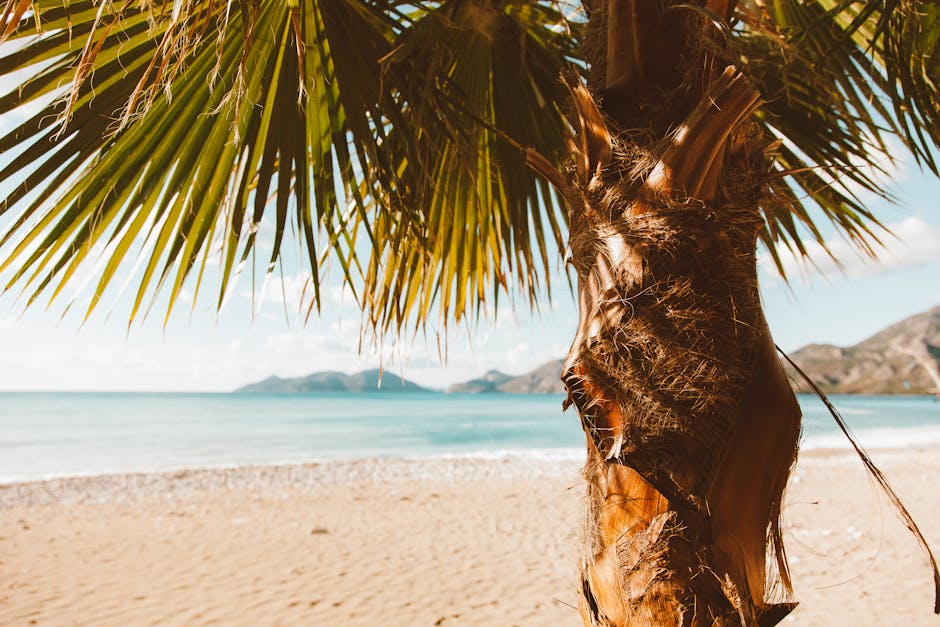
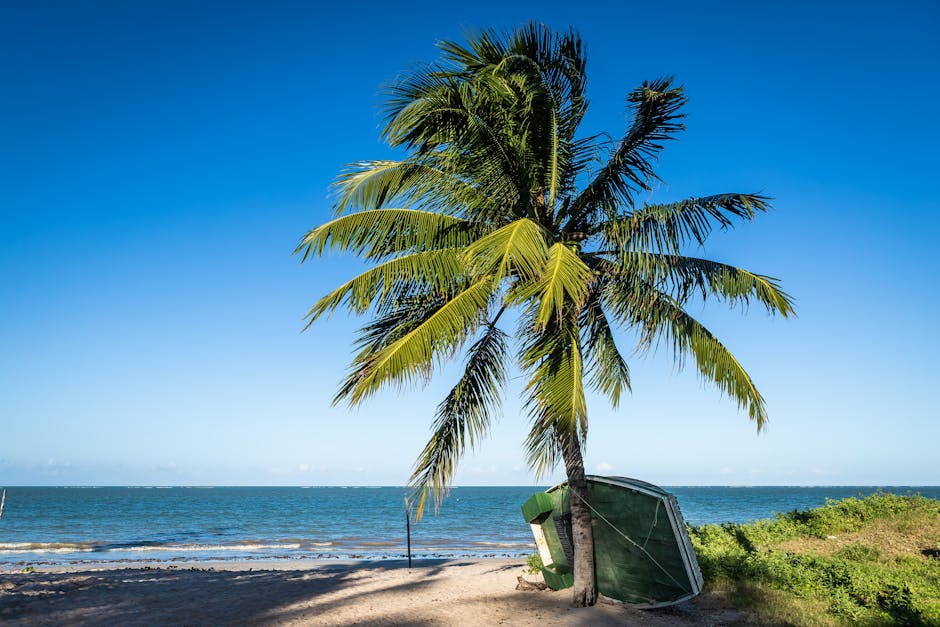
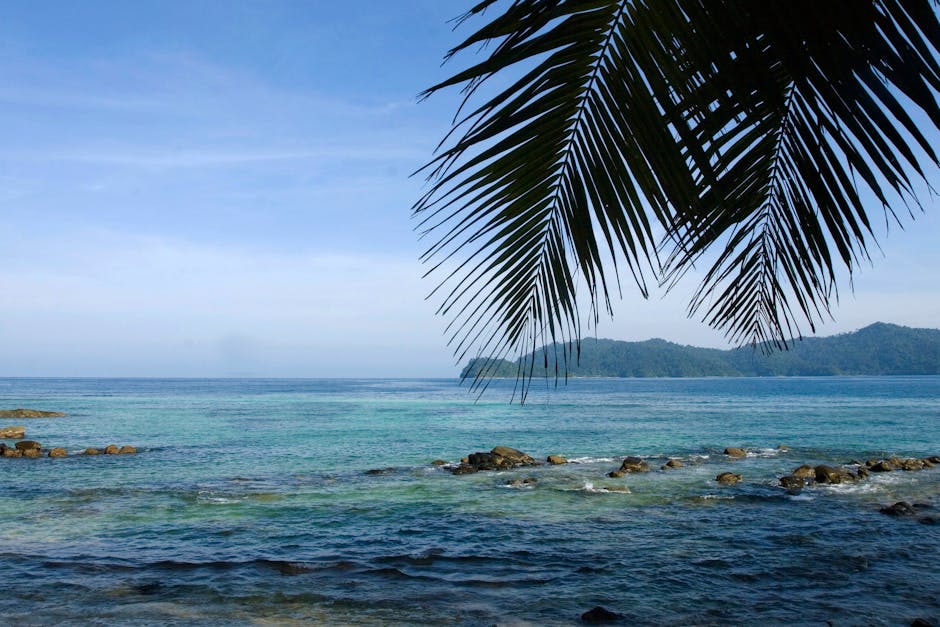
Palm trees are more than just a tropical backdrop—they’re a symbol of tranquility, warmth, and escape. Their presence instantly signals a shift in pace, inviting you to slow down and soak in the moment. Beaches lined with coconut palms, royal palms, or fan palms create natural shade, enhance the scenic beauty, and support local ecosystems.
Beyond aesthetics, palm tree beaches often indicate healthy coastal environments. These areas typically have calm waters, soft sand, and a relaxed atmosphere—perfect for swimming, snorkeling, or simply lounging with a book. When planning your next beach trip, prioritize destinations where palm trees are native and abundant, ensuring both beauty and sustainability.
Top Beach and Island Destinations for Palm Tree Days
1. Maldives: Overwater Bungalows and Coral Atolls
The Maldives is the gold standard for palm-fringed island escapes. With over 1,000 coral islands scattered across the Indian Ocean, this nation offers some of the most photogenic beaches on Earth. Each resort island is typically small, private, and surrounded by shallow lagoons dotted with coconut palms.
Popular islands like Maafushi and Dhigurah offer budget-friendly guesthouses with direct beach access. For luxury travelers, resorts on islands like Soneva Fushi or Gili Lankanfushi provide overwater villas, private beaches, and world-class service. The best time to visit is between November and April, when skies are clear and seas are calm.
2. Bali, Indonesia: Culture Meets Coastal Beauty
Bali blends stunning beaches with rich culture and lush landscapes. While inland areas like Ubud are famous for rice terraces, the island’s southern and western coasts boast palm-lined shores ideal for relaxation. Seminyak and Canggu offer trendy beach clubs, while quieter spots like Nusa Lembongan provide a more secluded experience.
Nusa Penida, a short boat ride from Bali, features dramatic cliffs and hidden coves like Crystal Bay and Atuh Beach. These spots are less developed, with natural palm groves and fewer crowds. For a complete island-hopping adventure, combine Bali with nearby Lombok or the Gili Islands, where palm trees line quiet, sandy paths.
3. Seychelles: Granite Boulders and Pristine Shores
An archipelago of 115 islands in the Indian Ocean, Seychelles is a dream destination for travelers seeking untouched beauty. Unlike many tropical destinations, Seychelles features unique granite rock formations alongside white-sand beaches and towering takamaka palms.
Praslin Island, home to Anse Lazio, is often ranked among the world’s most beautiful beaches. The combination of smooth boulders, clear water, and palm shade makes it ideal for swimming and photography. La Digue offers a slower pace, with bicycle-friendly roads and secluded bays like Anse Source d’Argent. Visit between April and May or October and November for fewer tourists and pleasant weather.
4. Fiji: Authentic Island Hospitality
Fiji is made up of over 300 islands, many of which remain largely untouched by mass tourism. The Mamanuca and Yasawa island chains are particularly known for their palm-lined beaches, coral reefs, and warm Fijian hospitality. Islands like Taveuni and Kadavu offer lush interiors and excellent diving opportunities.
Resorts such as Likuliku Lagoon Resort provide overwater bures with direct lagoon access, while smaller eco-lodges offer a more intimate experience. Fiji’s dry season, from May to October, is the best time to visit, with lower humidity and minimal rainfall. Don’t miss a traditional kava ceremony—a cultural highlight that adds depth to your island stay.
5. The Bahamas: Easy Access with Island Charm
Just a short flight from the U.S. East Coast, the Bahamas offers convenience without sacrificing authenticity. With over 700 islands, there’s no shortage of palm-strewn beaches to explore. The Exumas, in particular, are famous for their crystal-clear waters and swimming pigs at Big Major Cay.
Harbour Island, known for its pink sand beaches, combines natural beauty with historic charm. Eleuthera offers a mix of quiet coves and dramatic cliffs, while Nassau and Paradise Island cater to those seeking resorts and nightlife. For a true escape, consider staying on a private island like Little Ragged Island or Stocking Island.
6. Thailand: Affordable Island Hopping
Thailand’s southern coast is a haven for budget-conscious travelers seeking palm tree days. The Andaman Sea islands—like Phuket, Krabi, and Koh Lanta—offer a mix of bustling beach towns and hidden gems. Railay Beach, accessible only by boat, features towering limestone cliffs and palm-shaded shores.
For a quieter experience, head to Koh Lipe or Koh Phayam, where development is limited and natural beauty shines. The Gulf of Thailand islands, such as Koh Samui, Koh Phangan, and Koh Tao, are also popular, with palm-lined beaches and vibrant nightlife. Visit between November and March for the best weather.
7. Hawaii, USA: Volcanic Landscapes and Cultural Richness
Hawaii offers a unique blend of tropical beauty and cultural depth. While all islands have palm-lined beaches, each has its own character. Maui’s Kaanapali Beach is perfect for families, with calm waters and beachfront resorts. The Road to Hana leads to secluded coves like Waiʻānapanapa State Park, where black sand meets swaying palms.
Kauai, known as the Garden Isle, features lush valleys and dramatic coastlines. Poipu Beach and Hanalei Bay are ideal for swimming and snorkeling. The Big Island offers black sand beaches like Punalu’u, where sea turtles rest under palm trees. For a more authentic experience, consider staying in a vacation rental rather than a resort.
8. Philippines: Over 7,000 Islands to Explore
The Philippines is an archipelago of stunning diversity, with beaches that range from developed tourist spots to untouched wilderness. Palawan is often called the “Last Frontier” and is home to El Nido and Coron, both famous for limestone cliffs, lagoons, and palm-lined shores.
Siargao, known as the surfing capital of the Philippines, offers a laid-back vibe with coconut groves and reef breaks. Boracay, once overcrowded, has rebounded with stricter environmental policies and now offers cleaner beaches and better-regulated tourism. The best time to visit is during the dry season, from November to May.
9. Costa Rica: Pacific and Caribbean Shores
Costa Rica offers two coastlines—Pacific and Caribbean—each with distinct beach experiences. On the Pacific side, Manuel Antonio National Park combines rainforest trails with pristine beaches shaded by coconut palms. Tamarindo and Nosara are popular for surfing and yoga retreats.
The Caribbean coast, particularly Puerto Viejo and Cahuita, offers a more Afro-Caribbean culture and quieter beaches. While palm trees are abundant, the region sees more rainfall, so plan accordingly. The dry season, from December to April, is ideal for beach travel.
10. Greece: Mediterranean Palm Retreats
While not traditionally tropical, Greece offers Mediterranean charm with pockets of palm-lined beaches. Crete, the largest island, has areas like Elafonissi with pink-tinged sand and low-lying palm groves. The island of Zakynthos features Navagio Beach (Shipwreck Beach), surrounded by cliffs and dotted with tamarisk trees that resemble palms.
The Ionian Islands, such as Corfu and Kefalonia, have a greener landscape and more shade trees, including palm-like species. These destinations offer a blend of history, culture, and coastal relaxation. Visit between June and September for warm weather and clear skies.
How to Choose the Right Island Trip for You
With so many options, selecting the best beach and island travel trip depends on your priorities. Consider what matters most: relaxation, adventure, culture, or budget. If you want total seclusion, look for lesser-known islands or eco-lodges. For families, prioritize destinations with calm waters and nearby amenities.
Think about travel time and ease of access. Some islands require multiple flights and boat transfers, which can be tiring. Others, like the Bahamas or Hawaii, are easier to reach from North America. Also, consider the local climate and peak seasons to avoid crowds and high prices.
Lastly, research sustainability practices. Many island destinations are vulnerable to environmental damage. Choose accommodations that support local communities, protect marine life, and minimize plastic use. Responsible travel ensures these palm tree paradises remain beautiful for future visitors.
Essential Tips for a Smooth Island Getaway
Pack light but smart. Bring reef-safe sunscreen, a wide-brimmed hat, and lightweight clothing. A waterproof phone case and dry bag are essential for boat trips and beach days. Don’t forget a reusable water bottle to stay hydrated and reduce plastic waste.
Book accommodations and transport in advance, especially during peak seasons. Many islands have limited lodging, and last-minute bookings can be expensive or unavailable. Use trusted platforms and read recent reviews to avoid surprises.
Respect local customs and environments. On many islands, removing coral, feeding wildlife, or walking on sensitive dunes is prohibited. Learn a few basic phrases in the local language—it goes a long way in building rapport with residents.
What to Avoid When Planning Your Trip
Avoid over-scheduling your itinerary. Island time moves slower, and the best experiences often happen spontaneously—like a sunset swim or a conversation with a local fisherman. Leave room for relaxation and exploration.
Don’t assume all beaches are public. In some destinations, beach access is restricted to resort guests. Research beforehand to avoid disappointment. Also, be cautious with water activities—always check safety conditions and use certified operators.
Steer clear of single-use plastics. Many island communities struggle with waste management. Bring your own utensils, bags, and containers to minimize your impact. Supporting plastic-free initiatives helps preserve these fragile ecosystems.
Final Thoughts
The best beach and island travel trips are those that balance beauty, comfort, and authenticity. Whether you’re lounging under a coconut palm in the Maldives, exploring hidden coves in the Philippines, or surfing in Costa Rica, these destinations offer unforgettable palm tree days. With thoughtful planning and a respect for local environments, your island escape can be both rejuvenating and responsible.
Start by identifying your travel style and priorities. Then, choose a destination that aligns with your vision of paradise. With the right preparation, your next beach getaway could be the most relaxing and memorable yet.
FAQ
What is the best time of year to visit tropical islands for palm tree beach days?
The best time varies by region, but generally, the dry season offers the most reliable weather. For the Caribbean and Southeast Asia, aim for November to April. The Maldives and Seychelles are ideal from November to April, while Hawaii and the Bahamas are best from December to April.
Are palm tree beaches safe for swimming and water activities?
Most palm-lined beaches have calm, shallow waters ideal for swimming. However, always check local conditions, especially during monsoon seasons or in areas with strong currents. Use certified guides for snorkeling, diving, or boat tours to ensure safety.
How can I travel sustainably to island destinations?
Choose eco-friendly accommodations, avoid single-use plastics, support local businesses, and respect wildlife and marine protected areas. Offset your carbon footprint when possible and travel during off-peak seasons to reduce overcrowding.