
Best Travel Tips for First Time Road Trip Travelers
Planning your first road trip can feel overwhelming, but with the right preparation, it can become one of the most rewarding travel experiences. Whether you’re driving across states or exploring a scenic coastal route, these practical travel tips will help you stay safe, save money, and make the most of your journey. From packing essentials to handling unexpected delays, this guide covers everything a beginner needs to know before hitting the road.
Plan Your Route in Advance
Before you leave, map out your route using a reliable GPS app or physical atlas. While spontaneity has its charm, having a general plan reduces stress and helps you avoid getting lost in unfamiliar areas. Identify major highways, rest stops, and towns along the way.
Include alternate routes in case of road closures or heavy traffic. For example, if you’re traveling from Denver to Moab, consider both I-70 and US-6 as options depending on weather conditions. Planning ahead also lets you book accommodations in advance, especially in popular destinations during peak season.
Use Multiple Navigation Tools
Relying solely on your phone’s GPS can be risky—signal drops happen, especially in rural or mountainous regions. Always carry a backup: download offline maps on Google Maps or use a dedicated GPS device like Garmin. These tools often provide real-time traffic updates and rerouting suggestions.
Print a physical copy of your route as a last resort. It may seem old-fashioned, but it’s invaluable when technology fails. Keep it in the glove compartment or center console for easy access.
Prepare Your Vehicle
Your car is your lifeline on a road trip, so ensure it’s in top condition before departure. Schedule a pre-trip inspection with a trusted mechanic to check brakes, tires, fluids, battery, and lights. Even minor issues can escalate into major problems miles from the nearest service station.
Don’t forget to verify your spare tire, jack, and tire iron are present and functional. A flat tire in the middle of nowhere is inconvenient at best and dangerous at worst. If your vehicle is older or has high mileage, consider roadside assistance coverage through AAA or your insurance provider.
Pack a Roadside Emergency Kit
An emergency kit can turn a breakdown into a minor delay. Include jumper cables, a flashlight with extra batteries, first-aid supplies, a reflective warning triangle, and basic tools like pliers and a screwdriver. Add non-perishable snacks, bottled water, and a portable phone charger.
For colder climates, pack a blanket, ice scraper, and sand or kitty litter for traction. In desert areas, extra coolant and a sunshade can prevent overheating and interior damage.
Pack Smart and Light
Overpacking leads to clutter, reduced fuel efficiency, and unnecessary stress. Focus on versatile clothing that can be layered—think moisture-wicking base layers, a warm jacket, and comfortable shoes. Roll clothes instead of folding to save space and reduce wrinkles.
Use packing cubes or compression bags to organize items by category. Keep daily essentials like medications, chargers, and toiletries in a separate bag for easy access. Limit shoes to two pairs: one for driving and one for walking or hiking.

Bring Entertainment and Comfort Items
Long drives can get monotonous, especially for passengers. Create playlists or download podcasts and audiobooks in advance. Apps like Spotify and Audible allow offline downloads, so you won’t lose access in areas with poor reception.
Bring travel pillows, eye masks, and lightweight blankets for naps during stops. If traveling with kids, pack small toys, coloring books, or tablets loaded with movies. Avoid fragile or messy items that could distract the driver.
Manage Your Budget Wisely
Road trips can be affordable, but costs add up quickly if you’re not careful. Start by estimating fuel expenses based on your vehicle’s mileage and current gas prices. Use apps like GasBuddy to find the cheapest stations along your route.
Set a daily spending limit for food, lodging, and activities. Cooking some meals instead of eating out can save hundreds of dollars. Invest in a portable cooler and reusable containers to store groceries from local markets.
Save on Accommodations
Hotels aren’t your only option. Consider camping, RV parks, or budget motels for overnight stays. Apps like Hipcamp and RV Parks by Allstays help you find affordable and scenic overnight spots. If you’re comfortable sleeping in your car, look for safe, legal rest areas or Walmart parking lots (where permitted).
Book accommodations with free cancellation in case your plans change. This flexibility is especially useful if you decide to extend your stay in a place you love.
Stay Safe on the Road
Safety should always be your top priority. Never drive while fatigued—take a break every two hours or 100 miles. Pull over in a safe, well-lit area if you feel drowsy. Switch drivers if possible, or consider stopping for the night.
Avoid driving at night in unfamiliar areas, especially on rural roads with poor lighting or wildlife crossings. If you must drive after dark, stay alert and reduce speed in high-risk zones.
Protect Your Belongings
Keep valuables out of sight. Store luggage, electronics, and bags in the trunk or cover them with a blanket. Never leave your car unattended in high-crime areas, and always lock doors when parked.
Use a money belt or hidden pouch for cash, cards, and important documents. Make digital copies of your ID, insurance, and itinerary and store them in a secure cloud service.
Eat Like a Local
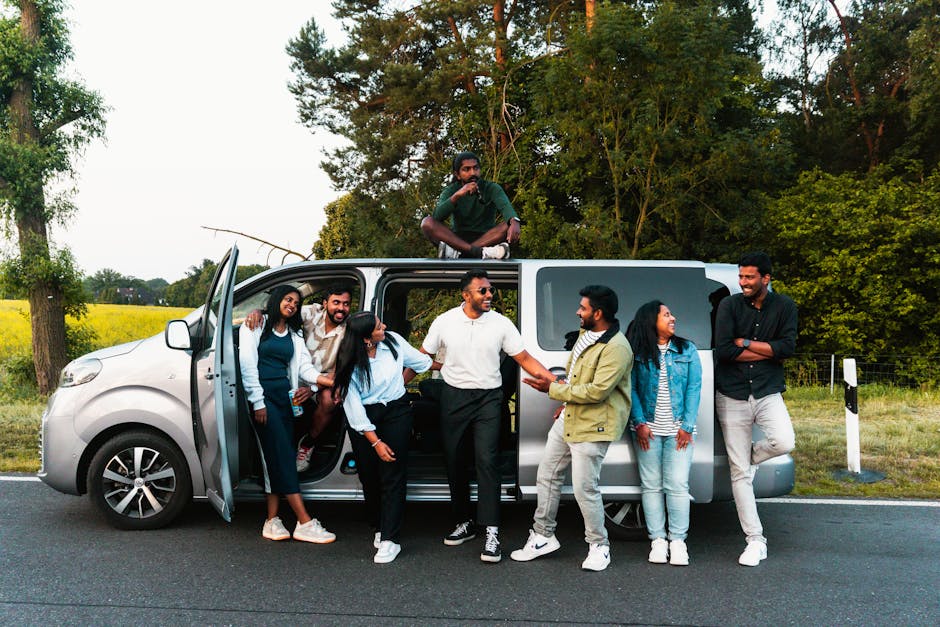
One of the joys of road tripping is discovering regional cuisine. Instead of sticking to chain restaurants, seek out local diners, food trucks, and farmers’ markets. Ask locals for recommendations—they often know the best hidden gems.
Try iconic dishes unique to each region. In the South, sample shrimp and grits or barbecue. In the Pacific Northwest, enjoy fresh seafood and craft coffee. These experiences add flavor to your trip beyond the drive itself.
Stay Hydrated and Eat Healthy
It’s easy to rely on fast food and sugary snacks on long drives, but this can lead to energy crashes and discomfort. Pack plenty of water, fruits, nuts, and whole-grain snacks. A reusable water bottle with a filter can save money and reduce plastic waste.
Plan meal stops at parks or scenic overlooks to stretch your legs and enjoy your food with a view. This breaks up the drive and makes eating more enjoyable.
Document Your Journey
Capturing memories enhances the road trip experience. Bring a camera or use your smartphone to take photos of landscapes, roadside attractions, and candid moments. Create a travel journal to record thoughts, funny encounters, and favorite stops.
Consider making a short video diary or compiling a digital photo album. These mementos become more valuable over time, especially when shared with family and friends.
Share Responsibly on Social Media
While it’s tempting to post updates in real time, avoid sharing your exact location or travel plans publicly. This can alert thieves that your home is empty. Save posts for after you’ve left an area or use privacy settings to limit visibility.
Use hashtags like #RoadTripAdventure or #FirstTimeTraveler to connect with others, but prioritize safety over social engagement.
Handle Unexpected Situations
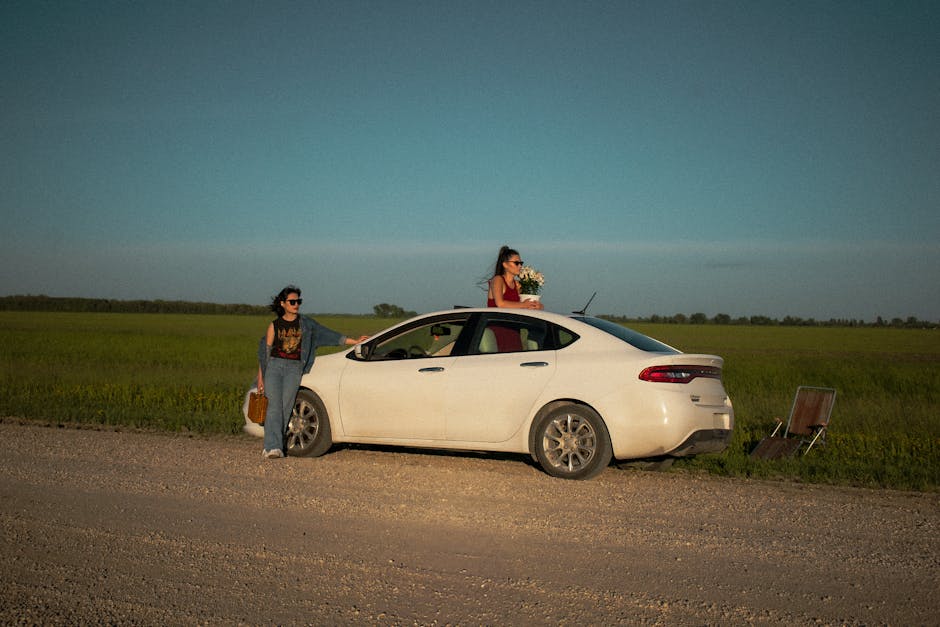
No matter how well you plan, things can go wrong. Flat tires, missed exits, or sudden weather changes are part of the adventure. Stay calm and assess the situation before acting. Keep emergency contacts saved in your phone and written down.
If you break down, move your vehicle to a safe location, turn on hazard lights, and call for help. If you’re in a remote area, stay with your car—it’s easier for rescuers to find you than if you wander off.
Know Your Insurance and Roadside Assistance
Review your auto insurance policy to understand what’s covered. Does it include towing, rental reimbursement, or trip interruption? If not, consider adding coverage or signing up for a service like AAA. These plans often pay for themselves with one tow or lockout service.
Keep the contact number and your membership ID in multiple places: phone, wallet, and glove box. Test the service before your trip if possible.
Respect the Environment
Road trips can have a big environmental impact, but small choices make a difference. Dispose of trash properly, recycle when possible, and avoid single-use plastics. Bring reusable bags, utensils, and containers to minimize waste.
Stick to marked trails when exploring natural areas. Follow Leave No Trace principles: pack out what you pack in, respect wildlife, and leave nature undisturbed. Choose eco-friendly accommodations when available.
Offset Your Carbon Footprint
Driving emits greenhouse gases, but you can balance this by supporting carbon offset programs. Many organizations allow you to calculate your trip’s emissions and contribute to reforestation or clean energy projects. It’s a small step toward sustainable travel.
Consider carpooling or choosing a fuel-efficient vehicle for future trips. Even driving at moderate speeds improves fuel economy.
Enjoy the Journey, Not Just the Destination
It’s easy to focus so much on reaching your final stop that you miss the beauty along the way. Take detours to small towns, national parks, or quirky roadside attractions. Some of the best memories come from unplanned moments—like a sunset over a desert or a conversation with a local shop owner.
Allow time for spontaneity. If you stumble upon a charming café or scenic overlook, stop and enjoy it. Flexibility is one of the greatest advantages of road travel.
FAQ
Q: How much should I budget for a week-long road trip?
A: Budgets vary, but a reasonable estimate is $50–$100 per person per day, covering gas, food, lodging, and activities. Adjust based on your destination and travel style.
Q: Is it safe to drive alone on a road trip?
A: Yes, with proper preparation. Share your itinerary with someone, check in regularly, and avoid risky areas. Stay aware of your surroundings and trust your instincts.
Q: What should I do if my car breaks down in a remote area?
A: Stay with your vehicle, call for roadside assistance, and use emergency signals. Keep water, food, and warm clothing in your car in case you need to wait for help.