
Ultimate Destination Guide to Dublin for Pub Culture
Dublin is world-renowned for its vibrant pub culture, blending centuries-old traditions with lively modern energy. Whether you’re drawn to historic taverns, traditional music sessions, or craft beer innovation, the city offers an authentic and immersive experience. From the cobbled lanes of Temple Bar to quiet neighborhood gems, Dublin’s pubs serve as cultural hubs where stories are shared, songs are sung, and connections are made. This guide walks you through the best spots, local customs, and practical tips to help you navigate Dublin’s pub scene like a seasoned visitor.
Why Dublin Stands Out for Pub Culture
Dublin’s pub culture is more than just drinking—it’s a cornerstone of Irish social life. Pubs here are community centers, music venues, and historical landmarks rolled into one. Unlike many cities where bars cater primarily to tourists, Dublin’s pubs maintain a strong local presence, offering genuine interactions and a sense of place.
The city boasts over 750 licensed pubs, many dating back centuries. Some, like The Brazen Head, claim to be Ireland’s oldest pub, operating since 1198. These establishments preserve architectural details, original signage, and even old brewing equipment, giving visitors a tangible link to the past.
A Blend of Tradition and Innovation
While tradition runs deep, Dublin’s pub scene isn’t stuck in the past. A new wave of craft breweries and gastropubs has emerged, offering locally brewed stouts, ales, and seasonal menus. Places like The Porter House and 3Folds combine classic Irish hospitality with modern flavors and global influences.
This balance ensures that whether you’re seeking a pint of Guinness in a 300-year-old tavern or a sour ale with a gourmet burger, Dublin delivers. The city’s pubs reflect its evolving identity—rooted in heritage but open to change.
Top Pubs to Visit in Dublin
With so many options, narrowing down the best pubs can be challenging. Below are standout venues that represent the breadth of Dublin’s pub culture, from iconic landmarks to hidden local favorites.
The Brazen Head
Located just outside the city center in Dublin 8, The Brazen Head is often cited as Ireland’s oldest pub. Its low ceilings, stone walls, and candlelit corners create an atmosphere steeped in history. Live music is a nightly staple, often featuring traditional Irish folk bands.
Arrive early on weekends, as the pub fills quickly. Try the house stout or a whiskey flight to complement the ambiance. The outdoor courtyard is especially charming on mild evenings.
The Temple Bar Pub
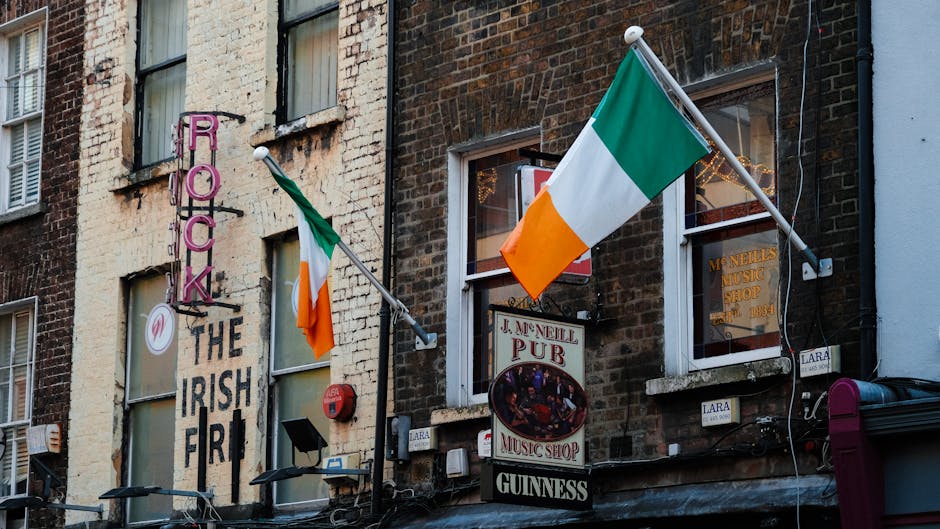
Situated in the heart of the Temple Bar district, this pub is one of the most photographed in Dublin. While the area can be tourist-heavy, The Temple Bar Pub maintains a lively, authentic vibe with regular trad sessions and a well-curated drink menu.
It’s a great starting point for first-time visitors, offering guided whiskey tastings and live performances seven nights a week. Just be prepared for higher prices and crowds during peak hours.
Mulligan’s
For a quieter, more local experience, head to Mulligan’s on Poolbeg Street. This no-frills pub has been serving Dubliners since 1782 and is a favorite among journalists and politicians due to its proximity to RTÉ and government buildings.
The interior is simple—wooden benches, dim lighting, and a long bar—but the atmosphere is warm and unpretentious. It’s an ideal spot to enjoy a pint of Guinness without the tourist buzz.
The Long Hall
This Victorian-era pub on George’s Street is a masterpiece of preserved architecture. With its ornate plasterwork, stained glass, and long mirrored bar, it feels like stepping into a 19th-century painting.
The Long Hall serves excellent pints and offers a solid food menu, including Irish stew and fish and chips. It’s popular with both locals and visitors, so arrive before 6 PM to secure a seat.
Against the Grain
A modern addition to Dublin’s pub scene, Against the Grain specializes in craft beer and elevated pub fare. Located near Trinity College, it attracts a younger, food-savvy crowd.
The rotating tap list features local and international brews, and the kitchen turns out dishes like duck confit poutine and stout-braised beef. It’s a great example of how Dublin’s pubs are evolving without losing their social core.
Understanding Irish Pub Etiquette
To fully enjoy Dublin’s pub culture, it helps to understand a few local customs. These aren’t strict rules, but observing them will enhance your experience and help you blend in.
Ordering at the Bar
In most Dublin pubs, you order and pay at the bar rather than waiting for table service. This is standard practice, even if you’re sitting down. Approach the bar confidently, make eye contact with the bartender, and place your order clearly.
Tip: If the pub is busy, wait your turn rather than calling out. Patience is appreciated, and pushing in line is frowned upon.
Toasting and Socializing
It’s common to say “Cheers” (or “Sláinte” in Irish) before taking the first sip. Toasting is a sign of goodwill and is especially common in groups. Don’t be surprised if strangers raise their glasses to you—it’s part of the friendly atmosphere.
Conversation is central to the pub experience. Don’t hesitate to chat with locals or fellow travelers. Topics like sports, music, and travel are safe bets. Avoid overly personal or political discussions unless invited.
Music Sessions and Participation
Traditional music sessions, or “trad sessions,” are a hallmark of Irish pub culture. These are usually informal gatherings where musicians play jigs, reels, and ballads. Participation is encouraged but not required.
If you’re not a musician, simply listen and enjoy. Clapping along is welcome, but avoid talking loudly during performances. Some pubs post session times on their websites or social media.
Best Times to Visit Dublin Pubs
Timing can greatly affect your pub experience. Knowing when to go helps you avoid crowds, enjoy live music, and interact with locals.
Weekday Evenings
Tuesdays through Thursdays are ideal for a relaxed visit. Pubs are less crowded, and you’re more likely to strike up a conversation with regulars. Many venues offer midweek drink specials or discounted food menus.
Friday and Saturday Nights
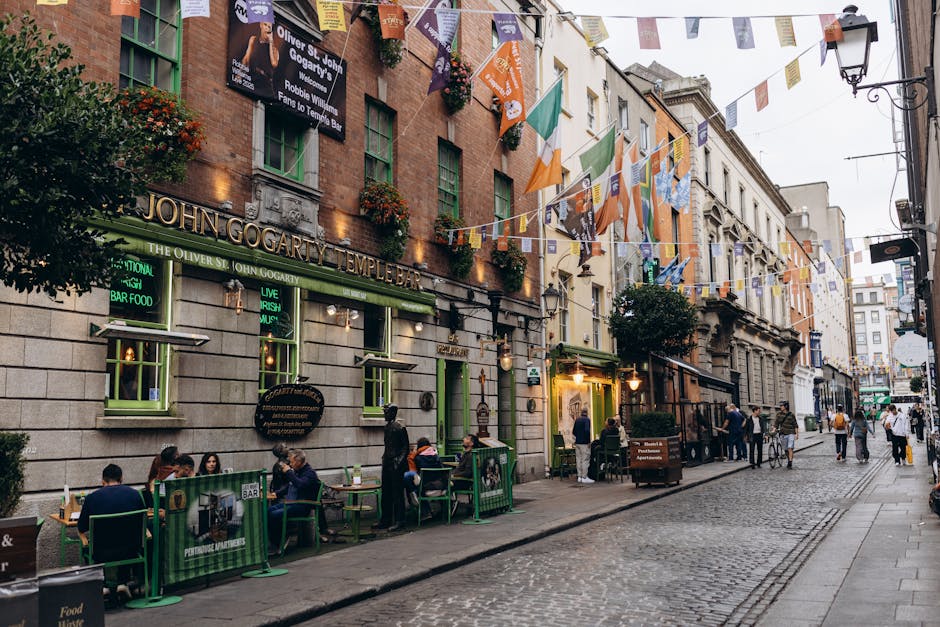
Weekends bring energy and larger crowds, especially in areas like Temple Bar and Harcourt Street. Live music is more frequent, but expect longer waits and higher prices. Arrive early to secure a spot, or consider visiting neighborhood pubs outside the city center.
Sunday Sessions
Sundays often feature afternoon trad sessions, making them perfect for a laid-back cultural experience. Pubs like O’Donoghue’s in Merrion Row are known for their Sunday music gatherings. These are family-friendly and less rowdy than weekend nights.
What to Drink in Dublin
Dublin’s drink scene offers more than just Guinness. While the iconic stout is a must-try, exploring local specialties enhances your visit.
Guinness
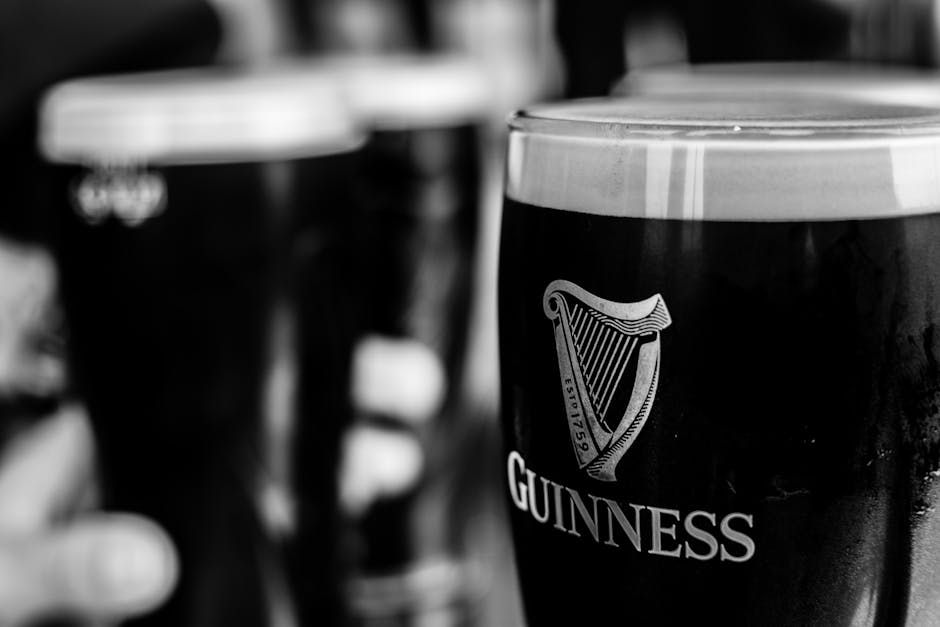
No trip to Dublin is complete without a pint of Guinness. Served in a 20-ounce imperial pint, it’s poured with care—often in two stages to achieve the perfect head. The creamy texture and rich flavor pair well with pub classics like bangers and mash or a beef pie.
Tip: Avoid shaking the glass or drinking too quickly. Let it settle for a minute after pouring for the best taste.
Irish Whiskey
Dublin is home to historic distilleries like Jameson and Teeling. Many pubs offer whiskey flights, allowing you to sample different expressions. Neat or with a splash of water is the traditional way to enjoy it.
Popular local brands include Powers, Paddy, and Midleton. Ask the bartender for recommendations based on your taste preferences.
Craft Beer and Cider
The craft beer movement has flourished in Dublin. Breweries like Galway Bay, Kinnegar, and Dublin Brewing Company supply many city pubs with rotating taps. Look for IPAs, stouts, and seasonal ales.
Irish cider, particularly from brands like Bulmers (known as Magners outside Ireland), is also widely available. Served over ice, it’s a refreshing alternative on warm days.
Non-Alcoholic Options
Most pubs now offer quality non-alcoholic drinks, including alcohol-free beers, craft sodas, and mocktails. Brands like BrewDog Nanny State and Lucky Saint are increasingly common. Don’t hesitate to ask—bartenders are usually happy to accommodate.
Food to Pair with Your Pint
Dublin’s pubs serve more than just drinks. Many offer hearty, comforting meals that reflect Irish culinary traditions.
Classic Pub Grub
Dishes like Irish stew, shepherd’s pie, and fish and chips are staples. Made with local lamb, beef, and seafood, these meals are filling and flavorful. The Long Hall and Mulligan’s are known for their traditional offerings.
Gastropub Innovations
Modern gastropubs elevate pub food with gourmet techniques and global influences. Think duck breast with red cabbage, or halloumi burgers with harissa mayo. Against the Grain and 3Folds lead this trend.
Vegetarian and Vegan Options
Vegetarian and vegan menus are now standard in most Dublin pubs. Look for dishes like mushroom and ale pie, lentil stew, or plant-based burgers. Many venues clearly label allergens and dietary options.
Snacks and Sharing Platters
For lighter fare, try a sharing platter with cheese, cured meats, olives, and bread. Some pubs also offer homemade crisps or pork scratchings. These are perfect for grazing during a long session.
Safety and Practical Tips
While Dublin is generally safe, a few precautions ensure a smooth experience.
Drinking Responsibly
Pace yourself, especially if you’re trying multiple drinks. Irish pints are larger than standard servings, and alcohol content can vary. Alternate with water and avoid drinking on an empty stomach.
Transportation
Public transport, taxis, and ride-sharing apps are widely available. The Luas tram and Dublin Bus serve most areas. If planning a pub crawl, plan your route in advance and avoid walking alone late at night in poorly lit areas.
Payment Methods
Most pubs accept credit and debit cards, but some smaller venues may be cash-only. It’s wise to carry a mix of payment options. Contactless payments are common and convenient.
Language and Communication
English is the primary language, but you may hear Irish (Gaeilge) on signs or in toasts. Locals are generally patient with visitors, but speaking clearly and politely goes a long way.
Seasonal Highlights and Events
Dublin’s pub culture shines during festivals and seasonal celebrations.
St. Patrick’s Festival
Held in mid-March, this five-day festival transforms the city. Pubs host special events, live music, and themed menus. Expect larger crowds and extended hours, but also a uniquely festive atmosphere.
Culture Night
Every September, Culture Night offers free events across Dublin, including pub performances, poetry readings, and art installations. Many pubs participate with extended hours and live entertainment.
Christmas and Winter Markets
During December, pubs like The Church and The Stag’s Head decorate with lights and serve mulled wine and hot whiskey. Seasonal menus feature roasted meats and spiced desserts.
Beyond the Pubs: Cultural Context
To appreciate Dublin’s pub culture fully, it helps to understand its roots. Pubs have long served as gathering places for storytelling, political debate, and community bonding. During times of censorship and social restriction, they were vital spaces for free expression.
Writers like James Joyce and Brendan Behan frequented Dublin’s pubs, drawing inspiration from the conversations and characters they encountered. Today, that literary legacy lives on in the city’s atmosphere and artistic spirit.
FAQ
What is the legal drinking age in Dublin?
The legal drinking age in Ireland is 18. You may be asked to show ID if you appear younger than 25.
Do I need to tip in Dublin pubs?
Tipping is not mandatory but appreciated for good service. Rounding up the bill or leaving €1–€2 per round is common.
Are Dublin pubs open every day?
Most pubs are open seven days a week, though hours vary. Some close on Mondays or have reduced hours on Sundays. Always check ahead, especially during holidays.