
Adventure Travel Escapes for National Park Lovers
If you’re drawn to wild landscapes, rugged trails, and the quiet majesty of nature, adventure travel in national parks offers some of the most rewarding experiences on earth. From backpacking through alpine meadows to kayaking beside glacial lakes, these escapes blend physical challenge with profound natural beauty. Whether you’re a seasoned hiker or a first-time camper, national parks provide accessible yet awe-inspiring settings for outdoor adventure. This guide highlights top destinations, practical planning tips, and essential safety advice to help you make the most of your next park-based journey.
Why National Parks Are Perfect for Adventure Travel
National parks protect some of the planet’s most dramatic and diverse ecosystems. They offer maintained trails, ranger-led programs, and established campgrounds—making them ideal for travelers seeking both challenge and security. Unlike remote wilderness areas, parks often provide visitor centers, emergency services, and clear signage, reducing risks while preserving wild character.
Adventure travel here isn’t just about extreme sports. It includes multi-day hikes, wildlife photography expeditions, rock climbing, whitewater rafting, and silent canoe trips at dawn. The key is matching your activity level to the park’s terrain and regulations. For example, backpacking in Yosemite requires permits, while day hikes in Great Smoky Mountains are more flexible.
Top National Parks for Adventure Seekers
Yosemite National Park, California
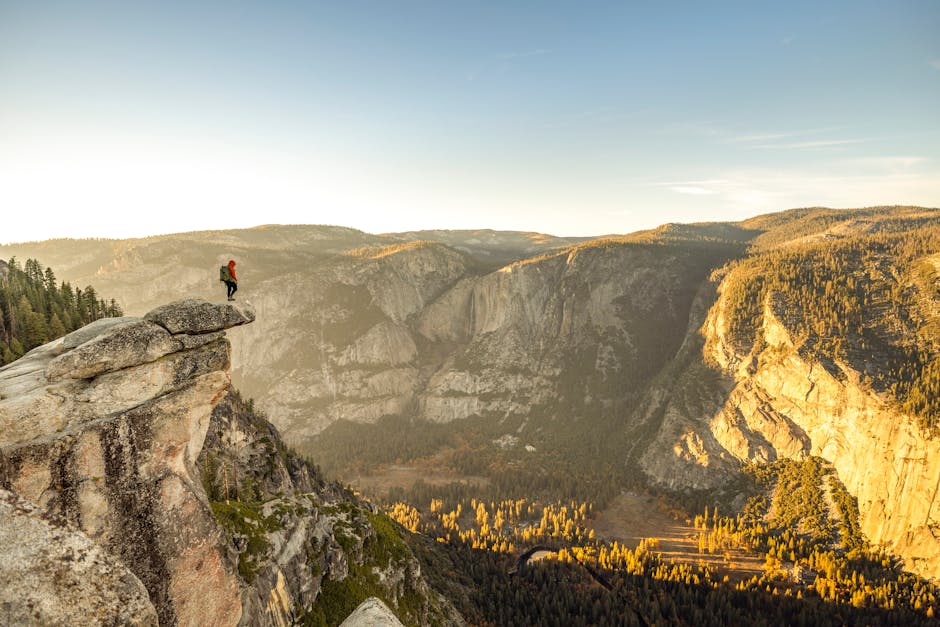
Yosemite is a mecca for climbers, hikers, and waterfall chasers. Iconic routes like Half Dome and El Capitan draw global attention, but quieter trails like the Tuolumne Meadows loop offer solitude and high-country beauty. Spring and early summer are best for waterfalls; fall brings crisp air and fewer crowds.
Backpackers should apply for wilderness permits months in advance. Day hikers can explore Mist Trail or Glacier Point without reservations. Always carry bear-resistant food containers—required in most backcountry zones.
Grand Canyon National Park, Arizona
The Grand Canyon delivers epic rim-to-river hikes and river rafting adventures. The South Kaibab Trail offers steep, scenic descents into the canyon, while the North Rim provides cooler temperatures and dense forests. River trips down the Colorado River require advance booking through authorized outfitters.
Heat is a major hazard from May to September. Hikers should start early, carry ample water, and avoid midday travel below the rim. Overnight stays below the rim need backcountry permits.
Glacier National Park, Montana
Known for its pristine lakes, jagged peaks, and grizzly bear habitat, Glacier is a backpacker’s dream. The Highline Trail runs 11.8 miles along the Continental Divide with sweeping views. Many trails remain snow-covered into July, so check conditions before heading out.
Wildlife safety is critical. Carry bear spray, make noise on trails, and store food properly. The park limits backcountry camping to designated sites—permits are competitive and recommended six months ahead.
Zion National Park, Utah
Zion blends red-rock canyons with thrilling slot hikes. The Narrows—wading upstream through the Virgin River—is a bucket-list experience. Angels Landing requires a permit and involves chains on exposed ridges; it’s not for those afraid of heights.
Shuttle buses are mandatory in spring through fall. Arrive early to secure parking. Flash floods can occur suddenly—check weather forecasts and avoid narrow canyons during storms.
Acadia National Park, Maine
Acadia offers coastal hikes, rocky shorelines, and ocean kayaking. Cadillac Mountain is the first place in the U.S. to see sunrise. The Park Loop Road connects key sites, but biking or hiking reveals hidden gems like Ship Harbor Trail.
Weather changes quickly. Layer clothing and watch for ticks, especially in wooded areas. Winter brings cross-country skiing and snowshoeing on groomed trails.
Planning Your National Park Adventure
Choose the Right Season
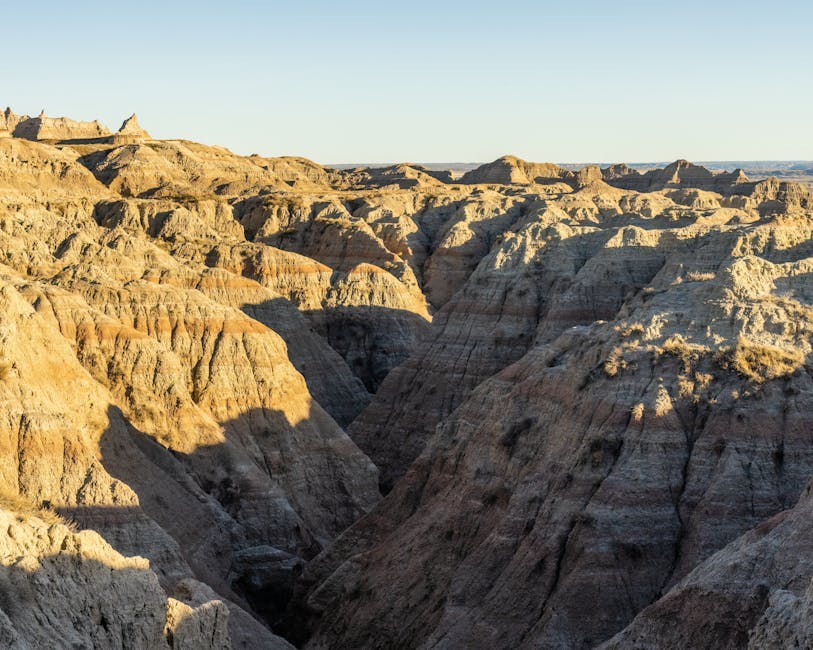
Timing affects trail access, weather, and crowd levels. Summer is peak season but also busiest. Shoulder seasons—spring and fall—offer milder weather and fewer visitors. Winter opens unique opportunities like snowshoeing in Yellowstone or ice climbing in Rocky Mountain.
Check each park’s website for seasonal closures. Some high-elevation trails in Colorado or Montana may not open until July. Coastal parks like Olympic remain accessible year-round but require rain gear.
Secure Permits and Reservations
Many parks require permits for backcountry camping, popular hikes, or vehicle entry. Yosemite, Zion, and Rocky Mountain use lottery systems for high-demand trails. Reserve campsites early—some fill a year in advance.
Use Recreation.gov for federal reservations. Third-party outfitters handle river trips and guided tours. Always confirm cancellation policies.
Pack Smart and Light
Base your gear on activity and duration. A three-season backpacking kit includes a lightweight tent, sleeping bag rated for expected lows, stove, water filter, and layered clothing. For day hikes, focus on hydration, sun protection, and navigation tools.
Test gear before departure. Break in hiking boots to prevent blisters. Pack calorie-dense food and a first-aid kit. Leave no trace: carry out all trash, including food scraps.
Safety Tips for Park Adventures
Know Your Limits
Choose trails that match your fitness and experience. A 10-mile hike with 3,000 feet of elevation gain is strenuous—don’t underestimate it. Turn back if conditions worsen or fatigue sets in.
Tell someone your itinerary and expected return time. Cell service is unreliable in most parks. Carry a map and compass, and know how to use them.
Respect Wildlife
Observe animals from a distance. Never feed bears, elk, or birds. Store food in bear boxes or hang it properly. Make noise while hiking to avoid surprising wildlife.
In bear country, carry bear spray and know how to deploy it. In snake-prone areas like Big Bend, watch where you step and avoid tall grass.
Prepare for Weather Extremes
Desert parks like Joshua Tree can exceed 100°F in summer. High-altitude parks like Rocky Mountain see afternoon thunderstorms and snow even in June. Check forecasts daily and adjust plans accordingly.
Hypothermia and heat exhaustion are real risks. Dress in layers, stay hydrated, and seek shade or shelter when needed.
Eco-Friendly Adventure Practices
Protecting parks ensures they remain wild and accessible. Follow Leave No Trace principles: pack out trash, stay on trails, and minimize campfire impact. Use established campsites to reduce soil erosion.
Support park conservation through entrance fees or donations to nonprofits like the National Park Foundation. Volunteer for trail maintenance or citizen science projects when possible.
Avoid single-use plastics. Bring reusable water bottles and utensils. Choose eco-certified outfitters for guided trips.
Gear Essentials for Different Adventures
Backpacking
Invest in a quality backpack (50–70 liters), sleeping pad, and tent. A water filter or purification tablets are non-negotiable. Navigation tools include a topographic map, compass, and GPS device.
Clothing should be moisture-wicking and quick-drying. Avoid cotton, which retains water. Include a headlamp, multi-tool, and emergency whistle.
Day Hiking
A daypack (20–30 liters) suffices for most outings. Carry the 10 essentials: navigation, sun protection, insulation, illumination, first-aid supplies, fire starter, repair kit, nutrition, hydration, and emergency shelter.
Wear broken-in footwear with ankle support. Trekking poles help on steep or uneven terrain.
Water-Based Adventures
For kayaking or rafting, wear a life jacket at all times. Dry bags protect electronics and clothing. Check river flow rates and rapids class before launching.
In cold water, a wetsuit or drysuit prevents hypothermia. Always go with a partner and inform others of your route.
Hidden Gems and Lesser-Known Parks
While iconic parks draw crowds, quieter alternatives offer equally stunning adventures. North Cascades in Washington features glacier-fed lakes and remote peaks with minimal development. Congaree National Park in South Carolina protects old-growth forest and offers paddling through floodplain swamps.
Great Basin National Park in Nevada has ancient bristlecone pines and dark skies perfect for stargazing. Isle Royale in Michigan is a backpacker’s island wilderness accessible only by boat or seaplane.
These parks often have fewer permits and lower fees. Research trail conditions and access points—some require long drives or ferry rides.
Combining Multiple Parks in One Trip
Road trips let you experience several parks efficiently. The Southwest Circuit includes Zion, Bryce Canyon, Capitol Reef, and Arches—all within a few hours’ drive. Plan fuel stops and lodging in gateway towns like Moab or Springdale.
In the Pacific Northwest, link Olympic, Mount Rainier, and North Cascades. Allow extra time for mountain passes and ferry crossings. Use apps like Roadtrippers to map routes and find campsites.
Consider regional passes like the America the Beautiful Annual Pass ($80), which covers entrance fees at all federal recreation sites.
Photography and Journaling on the Trail
Capture memories without disturbing nature. Use a lightweight camera or smartphone with a protective case. Golden hour—just after sunrise or before sunset—offers the best light.
Keep a trail journal to record sights, sounds, and reflections. Note wildlife sightings, weather patterns, and personal insights. Digital apps like Gaia GPS or AllTrails log routes and photos.
Respect quiet zones and avoid using drones, which are banned in most national parks.
Family-Friendly Adventure Options
Many parks offer junior ranger programs, easy nature trails, and ranger-led walks. Yellowstone’s boardwalks allow safe geyser viewing. Shenandoah’s Skyline Drive has pull-offs with short, paved paths.
Choose campsites with restrooms and water access. Pack games, books, and snacks to keep kids engaged. Start with short hikes and gradually increase distance.
Teach children Leave No Trace basics and wildlife safety. Make it fun with scavenger hunts or nature bingo.
Seasonal Highlights Across the U.S.
Spring brings wildflowers to Death Valley and migrating birds to Everglades. Summer opens high trails in Alaska’s Denali and whitewater in Glacier. Fall colors peak in Acadia and Great Smoky Mountains.
Winter transforms parks into snowy wonderlands. Yosemite’s Horsetail Fall glows orange at sunset in February. Yellowstone’s geysers steam against snow-covered ground.
Match your travel dates to natural events. Check park calendars for ranger programs, astronomy nights, or wildlife migrations.
Final Tips for a Successful Adventure
Start small if you’re new to adventure travel. Try a one-night backpacking trip or a guided tour before going solo. Build skills gradually—navigation, camp cooking, and weather reading take practice.
Stay flexible. Weather, trail closures, or personal energy may require changes. Have backup plans and alternative routes.
Above all, embrace the journey. National parks reward patience, preparation, and presence. The memories you make—standing atop a ridge, watching a bear fish in a stream, or falling asleep under a sky full of stars—are what adventure travel is all about.
FAQ
Do I need a permit for day hikes in national parks?
Most day hikes do not require permits, but some popular trails—like Angels Landing in Zion or Half Dome in Yosemite—do. Check the park’s official website before your trip.
What’s the best way to avoid crowds in popular parks?
Visit during shoulder seasons (spring or fall), arrive early in the morning, or explore lesser-known trails. Consider nearby national forests or state parks for similar scenery with fewer people.
Can I bring my dog on national park trails?
Pets are allowed in some areas but restricted on most trails and in backcountry zones. They must be leashed and are not permitted in wilderness areas. Check individual park rules before bringing your dog.