
Ultimate Adventure Travel Guide to River Rafting
River rafting is one of the most exhilarating ways to experience nature’s raw power and beauty. Whether you’re navigating Class II rapids on a family-friendly stretch or battling Class V whitewater in remote mountain terrain, this guide covers everything you need to plan a safe, memorable rafting adventure. From choosing the right river to packing essentials and understanding safety protocols, we’ll walk you through each step so you can focus on the thrill of the ride.
Why Choose River Rafting for Your Next Adventure?
River rafting combines physical challenge, teamwork, and immersion in stunning natural landscapes. Unlike passive sightseeing, rafting puts you in the heart of the action—literally floating through canyons, forests, and desert gorges that are often inaccessible by foot. It’s also highly scalable: beginners can enjoy gentle floats with scenic views, while seasoned adventurers seek out technical rapids and multi-day expeditions.
The sport fosters camaraderie. Paddling in sync with your crew builds trust and communication, making it ideal for friends, families, or corporate retreats. Plus, many rafting destinations offer side activities like hiking, wildlife spotting, or camping, turning a single-day trip into a full outdoor experience.
Understanding River Classifications
Not all rivers are created equal. The International Scale of River Difficulty ranks rapids from Class I (easy) to Class VI (extremely dangerous, often unrunnable). Knowing these classifications helps you match your skill level to the right river.
Class I–II: Beginner-Friendly Waters
Class I features small, regular waves and clear channels. Ideal for first-timers, children, or relaxed scenic floats. Class II includes moderate rapids with wider passages and occasional obstacles—still manageable for novices with basic instruction.
Examples: The Lower Salmon River (Idaho) and the Colorado River through Glen Canyon (Arizona/Utah) offer gentle stretches perfect for families or those new to whitewater.
Class III–IV: Intermediate Challenges
Class III rapids have stronger currents, tighter maneuvers, and require precise paddling. Waves may reach 2–3 feet, and scouting rapids beforehand is recommended. Class IV demands advanced skills: powerful hydraulics, complex routes, and quick decision-making under pressure.
Popular options include the Gauley River (West Virginia) in fall release season and the Upper Animas River (Colorado), both known for consistent, challenging flows.
Class V–VI: Expert-Only Terrain
Class V rapids are long, violent, and require expert navigation. Rescue scenarios are common, and swims can be life-threatening. Class VI is considered unrunnable—reserved for extreme expeditions with high risk of injury or fatality.
Only attempt these with certified guides and proven experience. The Futaleufú River (Chile) and the Grand Canyon’s Lava Falls (Arizona) are legendary Class V runs best left to professionals.
Top River Rafting Destinations Around the World
From North America to Nepal, some rivers have earned global reputations for their scenery, challenge, and accessibility. Here are standout locations worth adding to your bucket list.
Colorado River, USA
Flowing through the Grand Canyon, this iconic river offers multi-day expeditions combining thrilling rapids with awe-inspiring geology. Trips typically last 6–18 days, with camping on sandy beaches and side hikes to waterfalls and ancient ruins.
Permits are required and highly competitive—apply up to four years in advance through the National Park Service lottery system.
Zambezi River, Zimbabwe/Zambia
The Lower Zambezi below Victoria Falls delivers some of Africa’s most intense whitewater. Class V rapids like “Oblivion” and “Stairway to Heaven” test even veteran rafters, while elephants and hippos frequent the riverbanks.
Best run from July to November during dry season when water levels are stable and wildlife viewing peaks.
Bhote Koshi River, Nepal
Just hours from Kathmandu, this steep-gradient river drops over 200 meters in 10 kilometers. With continuous Class IV–V rapids and dramatic Himalayan backdrops, it’s a favorite among adrenaline seekers.
Most operators offer day trips, making it accessible for travelers on tight schedules.
Futaleufú River, Chile
Known for its turquoise waters and consistent flow, the Futaleufú hosts international rafting competitions. The river features everything from technical boulder gardens to long, powerful rapids ideal for high-speed runs.
Visit between November and March (summer in the Southern Hemisphere) for optimal conditions.
Noce River, Italy
Flowing from the Dolomites, the Noce offers a mix of alpine scenery and challenging rapids. Popular among European rafters, it’s well-supported with local outfitters and shuttle services.
Spring snowmelt (May–June) brings peak flows, but summer months offer calmer, scenic runs.
How to Choose the Right Rafting Trip for You
Selecting the perfect trip depends on your experience, group composition, time available, and comfort with risk. Ask yourself these key questions before booking.
What’s Your Skill Level?
Be honest about your paddling ability. Most commercial trips label difficulty clearly, but don’t overestimate. A Class III run can feel like Class V if you’re unprepared or fatigued.
If you’ve never rafted, start with a guided half-day trip on a Class II river. Many outfitters offer beginner clinics that teach basic strokes and safety commands.
Who’s in Your Group?
Families with young children should look for “family-friendly” or “scenic float” options. These often include splash zones and wildlife commentary, with minimal risk.
Groups with mixed abilities can find compromise rivers like the Rogue River (Oregon), which offers both calm sections and exciting rapids within the same trip.
How Much Time Do You Have?
Day trips are common and convenient, especially near tourist hubs. For deeper immersion, consider overnight or multi-day expeditions that include camping and meals.
International destinations may require more planning—factor in travel time, visas, and seasonal availability.
Essential Gear and What to Pack
Most reputable outfitters provide core safety equipment, but personal items matter too. Packing smart ensures comfort and safety on the water.
Provided by Outfitters
Expect to receive a high-quality raft, paddles, personal flotation device (PFD), helmet, and sometimes wetsuits or splash jackets depending on water temperature.
Always confirm what’s included when booking. Reputable companies maintain gear rigorously and replace worn items regularly.
What to Bring Yourself
Pack quick-drying clothing—avoid cotton, which retains water and causes chills. Synthetic layers, swimwear, and a hat with a strap work well.
Footwear should grip wet rocks: water shoes, old sneakers, or specialized rafting sandals. Never go barefoot.
Don’t forget sunscreen (water-resistant), sunglasses with retention straps, and a dry bag for phones, snacks, and extra clothes. Lip balm and a small first-aid kit are also wise additions.
Safety First: Rules and Best Practices
River rafting is inherently risky, but following safety protocols drastically reduces danger. Treat every trip as a serious outdoor activity—not a casual boat ride.
Listen to Your Guide
Guides are trained in rescue techniques, river reading, and emergency response. Pay close attention during the pre-trip safety briefing and follow commands immediately.
Common commands include “forward,” “back paddle,” “high side,” and “hold on.” Miscommunication can lead to capsizing or injury.
Wear Your PFD and Helmet at All Times
Even in calm water, sudden swells or unexpected obstacles can cause falls. A properly fitted PFD keeps you afloat, while a helmet protects against rocks and collisions.
Never remove safety gear until the raft is securely docked and the guide gives the all-clear.
Know What to Do If You Fall In
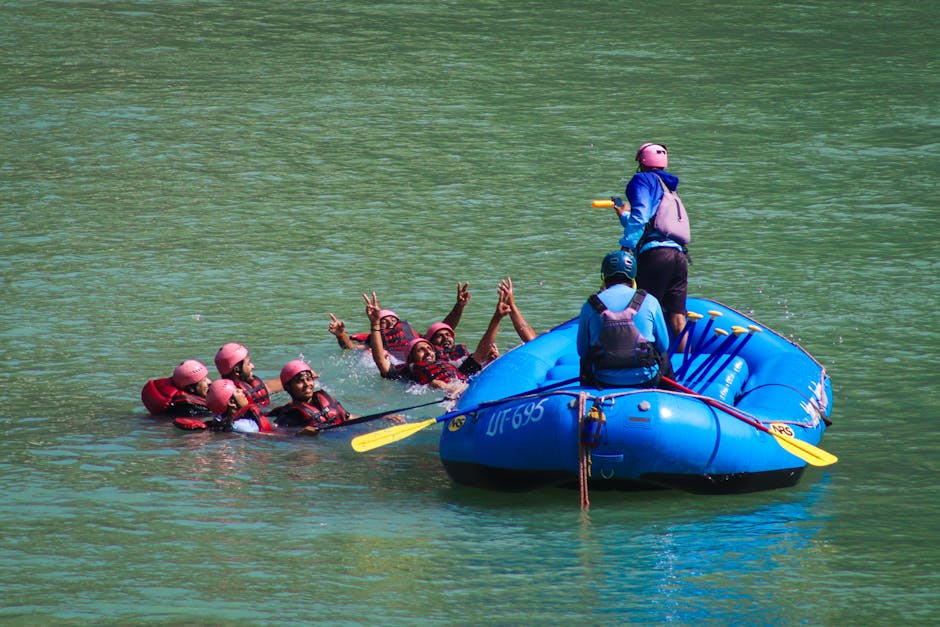
If you go overboard, stay calm. Float on your back with feet up and pointed downstream—this helps avoid foot entrapment and allows you to see obstacles.
Signal for help by waving an arm. Guides are trained to perform rescues, but staying visible and composed increases your chances of a quick recovery.
Environmental Responsibility on the River
Rivers are fragile ecosystems. Responsible rafting means leaving no trace and respecting wildlife and local communities.
Practice Leave No Trace Principles
Pack out all trash, including food scraps and biodegradable items like orange peels. Use designated restroom facilities or carry a portable toilet system on multi-day trips.
Avoid disturbing vegetation or wildlife. Keep noise levels low, especially near nesting areas or sensitive habitats.
Support Local Economies
Choose locally owned outfitters when possible. They often have deeper knowledge of the river and reinvest in community conservation efforts.
Tip guides appropriately—they rely on wages and gratuities, especially in regions where tourism is a primary income source.
Planning Your Trip: Logistics and Tips
A successful rafting adventure starts with solid planning. From timing your visit to booking the right outfitter, small details make a big difference.
Best Time to Go
Seasonality varies by region. In temperate zones, late spring to early fall offers warm weather and stable flows. In monsoon-influenced areas like Nepal or India, avoid rainy seasons when rivers swell unpredictably.
Check historical flow data and weather forecasts before finalizing dates. Some rivers, like the Arkansas in Colorado, have regulated releases that create predictable rafting windows.
Booking with a Reputable Outfitter
Look for companies certified by national associations (e.g., American Whitewater, British Canoeing) or with strong safety records. Read recent reviews and ask about guide qualifications.
Confirm cancellation policies, especially for international trips. Weather or water conditions may force rescheduling.
Transportation and Accommodation
Many rivers are remote. Arrange shuttles or car drops in advance. Some outfitters offer package deals including lodging, meals, and transport.
If flying in, check baggage policies for gear. Most airlines allow PFDs and helmets in checked bags, but confirm size and weight limits.
Frequently Asked Questions
Is river rafting safe for beginners?
Yes, as long as you choose a trip matched to your skill level and go with a certified guide. Most commercial outfitters offer beginner-friendly routes with thorough safety instruction.
What should I wear on a rafting trip?
Wear quick-drying clothes, secure footwear, and a hat. Avoid cotton and jewelry. Bring sunscreen, sunglasses with a strap, and a dry bag for personal items.
Can I raft if I can’t swim?
Yes, but you must wear a properly fitted PFD at all times. Inform your guide beforehand so they can provide extra support and choose appropriate rapids.