
Top Travel Tips for Easy Travel With Teenagers
Traveling with teenagers doesn’t have to be stressful. With thoughtful planning, clear communication, and a few smart strategies, families can enjoy smooth, enjoyable trips that teens actually look forward to. The key is balancing structure with flexibility, respecting their growing independence, and involving them in the planning process. Whether you’re heading to a beach resort, a European city, or a national park, these practical tips will help you navigate the unique challenges of traveling with teens—keeping everyone happy and the trip running smoothly.
Involve Teens in the Planning Process
One of the most effective ways to ensure teen buy-in is to let them help plan the trip. When teens have a say in destinations, activities, or dining choices, they’re more likely to stay engaged and cooperative during the journey. Start by asking them to suggest a few places they’d like to visit or experiences they’d enjoy.
For example, if you’re considering a trip to Japan, ask whether they’d prefer visiting Tokyo’s tech districts, exploring Kyoto’s temples, or spending time in nature. Giving them real choices—not just yes-or-no questions—fosters ownership and reduces resistance later.
Use Collaborative Tools
Use shared digital tools like Google Docs, Pinterest boards, or travel apps such as TripIt or Rome2Rio to build the itinerary together. These platforms allow everyone to add ideas, vote on options, and see the full plan in one place. This transparency helps prevent misunderstandings and keeps expectations aligned.
Teens especially appreciate having access to real-time updates and being able to contribute on their own schedule. It also teaches them valuable skills in research, budgeting, and decision-making.
Pack Smart for Teen Comfort and Independence
Packing efficiently is crucial when traveling with teens, who often have specific preferences and growing needs for personal space and privacy. Encourage each teen to pack their own bag with a checklist you provide. This builds responsibility and ensures they don’t forget essentials like chargers, medications, or favorite snacks.
Include a small personal kit with items like hand sanitizer, lip balm, earbuds, and a reusable water bottle. These small comforts can make a big difference during long travel days.
Limit Luggage and Prioritize Mobility
Avoid overpacking. Teens are more likely to lose or mismanage large suitcases. Opt for carry-on luggage or backpacks that are easy to maneuver through airports, train stations, and city streets. Rolling backpacks or duffel bags with shoulder straps offer a good balance of capacity and portability.
Remind them to keep important items—like passports, tickets, and phones—in a secure, easily accessible pocket. A money belt or crossbody bag can help prevent theft in crowded areas.
Balance Structure with Free Time
Teens thrive on routine but also crave autonomy. Over-scheduling a trip can lead to burnout and rebellion, while too little structure can result in boredom or disengagement. Aim for a mix of planned activities and open blocks of time.
For instance, schedule a morning museum visit or guided tour, then leave the afternoon free for exploring, shopping, or relaxing at a café. This balance allows teens to decompress and make their own choices, which is essential for their emotional well-being during travel.
Create a Flexible Daily Framework
Instead of a rigid minute-by-minute itinerary, use a loose daily framework. Outline must-see attractions, meal times, and transportation, but leave room for spontaneity. Share this framework with your teen so they know what to expect without feeling micromanaged.

If they want to spend extra time at a skate park or arcade, allow it—within reason. Flexibility shows trust and can turn a potentially tense moment into a positive memory.
Manage Technology Use Wisely
Smartphones and tablets are both a blessing and a challenge when traveling with teens. While they can be lifelines for navigation, translation, and entertainment, excessive screen time can lead to disconnection from the travel experience and family interactions.
Set clear, reasonable guidelines before the trip. For example, allow device use during long flights or train rides, but encourage offline activities during meals or group outings. Consider using apps like Screen Time (iOS) or Digital Wellbeing (Android) to set daily limits.
Encourage Digital Detox Moments
Designate tech-free zones or times, such as during dinner or while visiting historical sites. Instead, suggest alternative activities like journaling, sketching, or playing a travel-sized board game. These moments foster connection and help teens engage more deeply with their surroundings.
You might also introduce a “photo challenge” where each family member takes turns capturing the best shot of the day. This turns screen time into a creative, shared experience rather than passive scrolling.
Choose Teen-Friendly Accommodations
Where you stay can significantly impact the success of your trip. Look for accommodations that offer privacy, convenience, and amenities that appeal to teens. Hotels with separate sleeping areas, hostels with private rooms, or vacation rentals with multiple bedrooms give everyone space to unwind.
Consider proximity to public transportation, cafes, and entertainment. A centrally located Airbnb near a park or shopping district gives teens options for independent exploration while keeping them within reach.
Check for Youth-Friendly Features
Some hotels cater specifically to families with teens. Look for properties with game rooms, pools, free Wi-Fi, or organized activities. Resorts with teen clubs or supervised evening events can provide safe, engaging downtime while parents relax.
Always read recent reviews from other families to gauge how well the accommodation meets the needs of older children. A pool might sound great, but if it’s only open during limited hours, it could lead to disappointment.
Plan Engaging and Age-Appropriate Activities
Teenagers are at a stage where they seek adventure, social connection, and personal growth. Choose activities that align with these interests. Avoid overly touristy or passive experiences that might feel childish or boring.
Instead, opt for interactive museums, outdoor adventures, local workshops, or cultural experiences. For example, a cooking class in Italy, a street art tour in Berlin, or a snorkeling trip in Bali can be far more memorable than a standard bus tour.
Mix Education with Fun
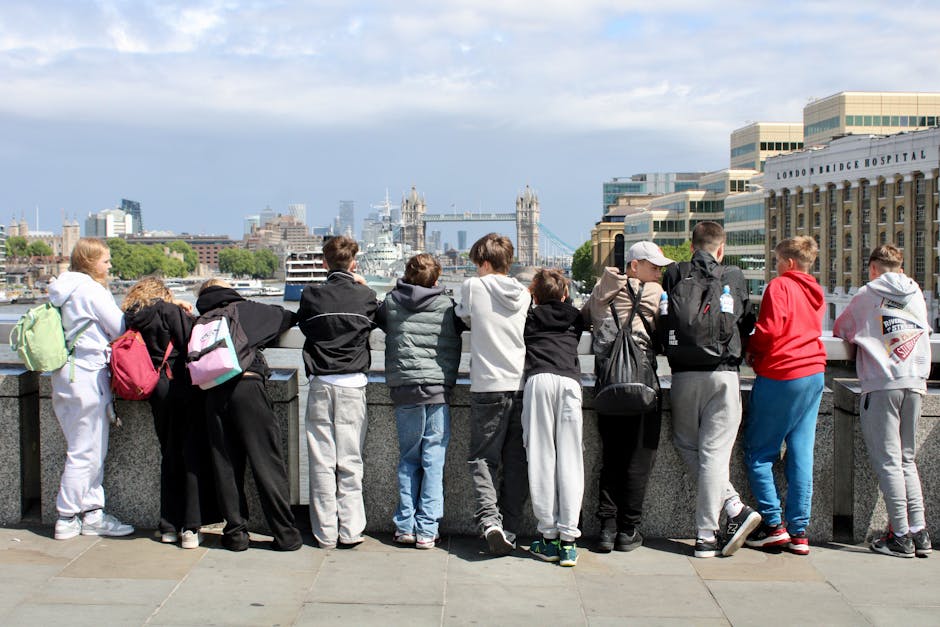
Teens are more receptive to learning when it’s hands-on and relevant. Visit historical sites with augmented reality features, attend a local music performance, or take a guided nature hike. These experiences spark curiosity without feeling like a school assignment.
If your teen is interested in photography, fashion, or food, tailor parts of the trip to those passions. A visit to a fashion district in Seoul or a food market in Bangkok can turn a simple outing into a meaningful exploration.
Prepare for Emergencies and Unexpected Changes
Even the best-planned trips can hit snags. Flights get delayed, weather shifts, or a teen might feel unwell. Being prepared for the unexpected reduces stress and helps the family adapt quickly.
Carry a basic first-aid kit, copies of important documents, and a list of emergency contacts. Ensure your teen knows how to reach you and what to do if separated. Teach them basic local phrases for help, such as “Where is the hospital?” or “I need assistance.”
Have a Backup Plan
Identify alternative activities in case your primary plan falls through. If a museum is closed, know about a nearby park, cinema, or indoor market. Having a few backup options prevents wasted time and frustration.
Also, consider travel insurance that covers trip cancellations, medical emergencies, and lost luggage. While it’s an added cost, it provides peace of mind—especially for international travel.
Communicate Expectations and Set Boundaries
Clear communication before and during the trip prevents misunderstandings. Discuss expectations around behavior, curfews, spending money, and communication. For example, agree on how late they can stay out, how often they’ll check in, and what expenses are covered.
Use a family meeting or a shared document to outline these guidelines. This isn’t about control—it’s about safety and mutual respect. When teens understand the “why” behind rules, they’re more likely to follow them.
Address Peer Pressure and Social Dynamics
Travel can amplify social anxieties, especially if your teen is traveling with siblings or in a group. Be aware of potential conflicts and check in regularly. Encourage open conversations about how they’re feeling and whether they’re enjoying the trip.
If they’re feeling left out or overwhelmed, offer support without judgment. Sometimes a quiet walk or a one-on-one meal can make a big difference.
Make Meals and Snacks a Priority
Hunger and low energy can quickly derail a good mood. Teens often have big appetites and specific food preferences, so plan meals thoughtfully. Research restaurants in advance and look for places with diverse menus that can accommodate picky eaters or dietary restrictions.
Pack healthy snacks like nuts, granola bars, fruit, or protein shakes for travel days. These help maintain energy levels and prevent meltdowns during long waits or delays.

Involve Teens in Food Choices
Let teens choose at least one meal per day. Whether it’s trying a local specialty or picking a favorite chain restaurant, giving them control over food decisions reduces resistance and adds fun.
If you’re in a new country, encourage them to try one new dish—but don’t force it. The goal is exposure, not pressure. A positive food experience can become a highlight of the trip.
Use Technology to Enhance the Experience
While limiting screen time is important, technology can also enhance travel when used wisely. Use apps for real-time translation, offline maps, and local recommendations. Google Translate, Maps.me, and Tripadvisor are reliable tools for navigating foreign environments.
Encourage your teen to document the trip through photos, videos, or a travel blog. This not only preserves memories but also gives them a creative outlet. You might even create a shared family album where everyone contributes.
Stay Connected Safely
If your teen will be using their phone abroad, consider an international data plan or a local SIM card. This allows them to stay in touch without incurring huge roaming fees. Teach them to use messaging apps like WhatsApp or Signal for free communication over Wi-Fi.
Remind them about online safety—avoid sharing real-time location publicly and be cautious about connecting to unsecured networks.
Encourage Responsibility and Independence
Travel is a great opportunity for teens to practice real-world skills. Assign them small responsibilities like navigating public transit, ordering food in a foreign language, or managing a daily budget for souvenirs.
These tasks build confidence and competence. Even something as simple as carrying their own passport or keeping track of the hotel key fosters accountability.
Celebrate Their Contributions
Acknowledge when your teen handles a situation well—whether it’s helping a younger sibling, solving a transportation issue, or staying calm during a delay. Positive reinforcement encourages continued responsibility and strengthens family bonds.
After the trip, reflect on what went well and what could be improved. This conversation helps prepare for future travels and shows that their input matters.
FAQ
How can I keep my teenager engaged during long travel days?
Bring a mix of entertainment options like audiobooks, podcasts, travel games, and downloaded movies. Rotate activities every hour to prevent boredom. Let them choose some of the content to increase interest.
What should I do if my teen refuses to participate in planned activities?
Stay calm and listen to their concerns. Offer alternatives or allow them to opt out of one activity in favor of something they prefer. Compromise shows respect for their autonomy while maintaining family cohesion.
Is it safe to let teenagers explore destinations on their own?
It depends on the location, your teen’s maturity, and local safety conditions. Start with short, supervised outings and gradually increase independence. Always establish check-in times and emergency plans.