
Useful Destination Guide to Munich for Beer Festivals
Munich is world-famous for its beer festivals, especially Oktoberfest, but the city hosts several other vibrant celebrations throughout the year. This guide helps travelers plan a smooth, enjoyable trip to Munich during major beer festivals, covering timing, logistics, accommodations, local customs, and practical tips. Whether you’re attending Oktoberfest, Starkbierfest, or a smaller neighborhood event, knowing what to expect ensures you make the most of your visit.
Why Munich Is the Ultimate Beer Festival Destination
Munich’s beer culture runs deep, shaped by centuries of brewing tradition and Bavarian pride. The city is home to six major breweries—Augustiner, Hacker-Pschorr, Hofbräu, Löwenbräu, Paulaner, and Spaten—all of which play central roles in local festivals. These breweries adhere to the Reinheitsgebot, Germany’s 1516 beer purity law, ensuring high-quality lagers and wheat beers.
Beyond Oktoberfest, Munich hosts seasonal beer events that reflect regional tastes and traditions. Starkbierfest in spring celebrates strong, dark ales, while smaller festivals like the Auer Dult offer a more relaxed, local atmosphere. Each event showcases Munich’s commitment to beer as both a cultural staple and a social experience.
Major Beer Festivals in Munich
Oktoberfest: The World’s Largest Beer Festival
Oktoberfest runs for 16 to 18 days, typically from late September to the first weekend in October. Held at the Theresienwiese (commonly called “Wiesn”), it attracts over six million visitors annually. The festival features 14 large beer tents, each operated by one of Munich’s historic breweries, serving one-liter mugs of beer brewed specifically for the event.
Each tent has its own character. The Augustiner-Festhalle is known for traditional music and a local crowd, while the Hofbräu-Festzelt draws international tourists with lively party vibes. Arrive early—tents open at 9 a.m. on weekdays and 10 a.m. on weekends, and seating fills quickly.
Starkbierfest: Munich’s Strong Beer Celebration
Held in March and April, Starkbierfest (Strong Beer Festival) honors high-alcohol lagers traditionally brewed by monks during Lent. Paulaner’s Salvator is the flagship beer, with an alcohol content around 7.9%. The festival takes place in the Paulaner am Nockherberg hall and other brewery venues.
Unlike Oktoberfest, Starkbierfest is less crowded and more focused on beer appreciation. It’s ideal for travelers seeking a more authentic, less tourist-heavy experience. Pair your beer with hearty Bavarian fare like roast pork and potato dumplings.
Auer Dult: The Local’s Market and Beer Festival
The Auer Dult is a traditional flea market and fair held three times a year (May, July, and October) in the Mariahilf district. While not a full-scale beer festival, it features small beer gardens and food stalls, offering a glimpse into everyday Munich life.
This event is perfect for visitors who want to avoid crowds while still enjoying local beer and culture. Try a Maß (liter) of wheat beer at one of the outdoor stands and browse vintage goods and handmade crafts.
When to Visit Munich for Beer Festivals
Timing your trip correctly is crucial. Oktoberfest is the most popular, but it also brings the largest crowds and highest prices. If you prefer a quieter experience, consider Starkbierfest or the October Auer Dult.
Average temperatures during Oktoberfest range from 8°C to 18°C (46°F to 64°F), so pack layers. Spring festivals are milder, with temperatures between 10°C and 20°C (50°F to 68°F). Always check the official festival dates in advance, as they can shift slightly each year.
How to Get to Munich and Around During Festivals
Arriving in Munich
Munich Airport (MUC) is located 28 kilometers northeast of the city center and is well-connected by public transport. The S-Bahn (suburban train) lines S1 and S8 run directly to the city center, taking about 40–45 minutes. Taxis and ride-sharing services are available but can be expensive during peak festival times.
For budget travelers, the Lufthansa Airport Bus offers direct service to Hauptbahnhof (central station) for a fixed fare. Book tickets online to save time and avoid queues.
Getting Around During Festivals
Munich’s public transportation system—U-Bahn, S-Bahn, trams, and buses—is efficient and reliable. During Oktoberfest, extra night services run on weekends. A single ticket costs €3.60, but day passes (Tageskarte) for €8.80 offer better value for multiple trips.
Walking is also a great option in the city center, especially around Theresienwiese and Marienplatz. Avoid driving during festivals—parking is limited, and traffic is heavy. Many roads near festival grounds are closed to private vehicles.
Where to Stay in Munich During Beer Festivals
Accommodation Options
Hotels in Munich fill up months in advance during Oktoberfest. Book early to secure a room, especially in central districts like Maxvorstadt, Ludwigsvorstadt, or near Hauptbahnhof. Expect prices to double or triple during peak festival dates.
Alternative options include hostels, Airbnb rentals, and guesthouses in neighborhoods like Schwabing or Haidhausen. These areas are quieter and often more affordable, with good transit links to festival sites.
Tips for Booking
Use booking platforms with free cancellation in case your plans change. Read recent reviews focusing on cleanliness, noise levels, and proximity to public transport. Avoid accommodations near Theresienwiese if you’re sensitive to noise—music and crowds can last late into the night.
Consider staying slightly outside the city center and commuting in. For example, Giesing or Trudering offer budget-friendly stays with direct U-Bahn access to the festival grounds.
What to Eat and Drink at Munich Beer Festivals
Traditional Bavarian Food
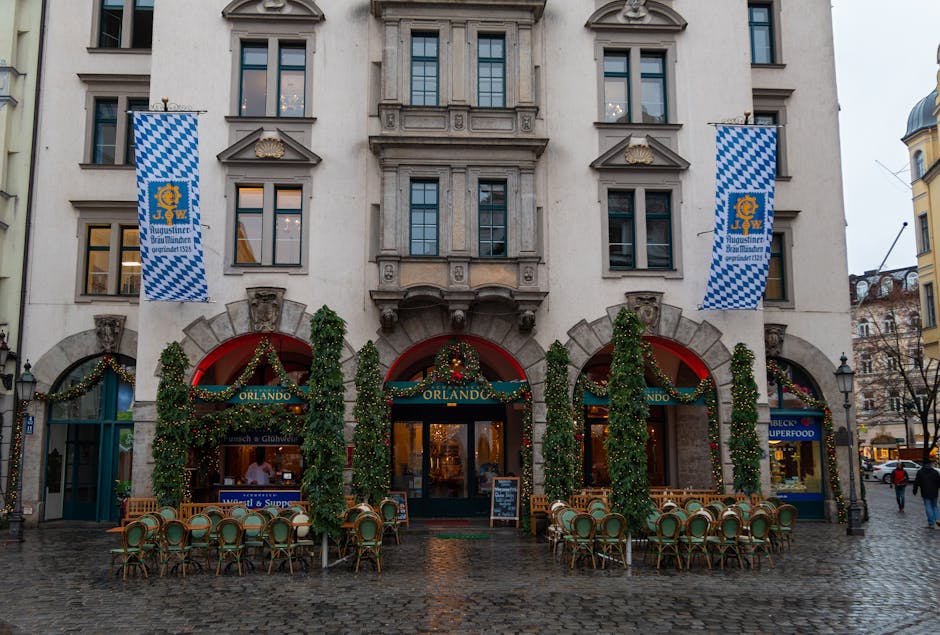
Beer and food go hand in hand at Munich festivals. Classic dishes include Hendl (roast chicken), Schweinshaxe (pork knuckle), Brezen (pretzels), and Käsespätzle (cheese noodles). Most tents serve a set menu, so you can order a full meal without leaving your seat.
Vegetarian options are limited but improving. Look for Obatzda (cheese spread), potato salad, or veggie dumplings. Always inform staff of dietary restrictions—some dishes may contain hidden meat or alcohol.
Beer Styles and Serving Customs
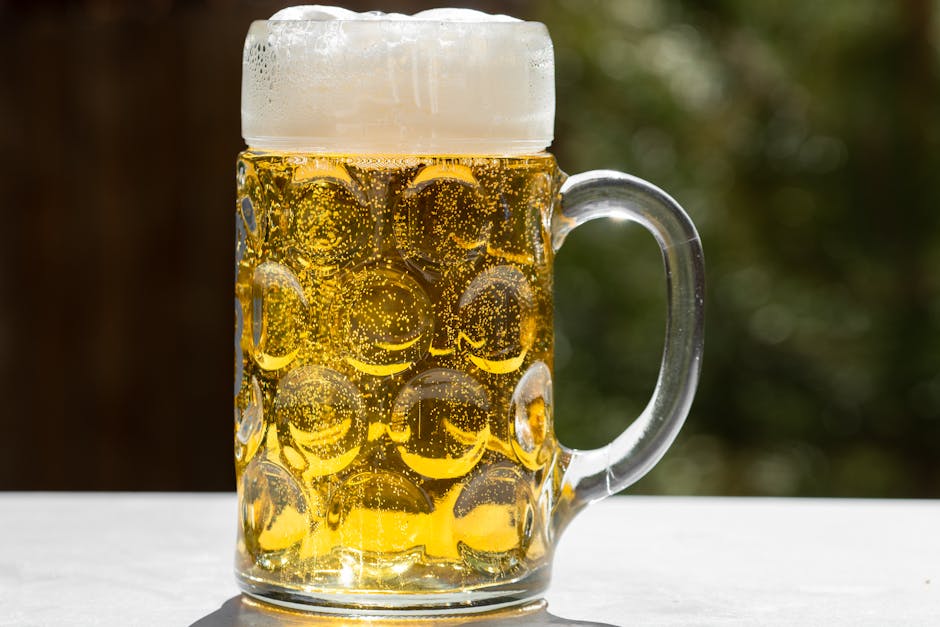
Festival beer is typically a strong lager, around 6% ABV, served in one-liter glass mugs called Maß. Each brewery has its own tent and beer recipe, so tasting different varieties is part of the fun. Augustiner and Paulaner are known for smoother, malt-forward flavors, while Hofbräu is crisper and more hoppy.
Drink responsibly. The high alcohol content and large serving size can lead to overconsumption quickly. Pace yourself, drink water between beers, and avoid mixing with other alcoholic beverages.
Festival Etiquette and Cultural Tips
Dress Code and Traditions
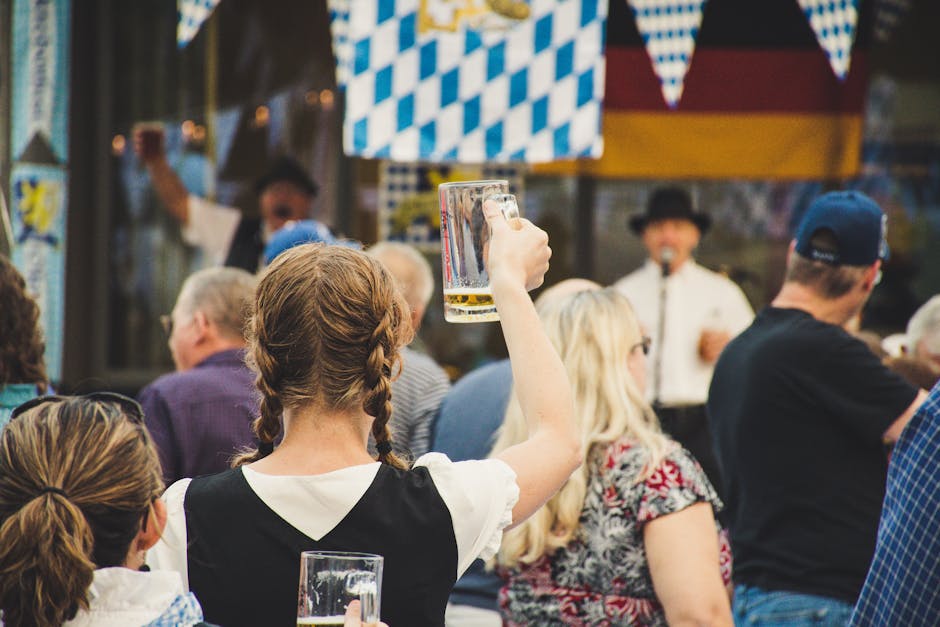
While not required, many attendees wear traditional Bavarian clothing. Men wear Lederhosen (leather shorts), and women wear Dirndl dresses. Renting or buying a set adds to the experience and helps you blend in.
Note that the way a Dirndl apron is tied indicates relationship status: left for single, right for taken, center for virgin, and back for widow. This is mostly symbolic today but still observed by locals.
Behavior in Beer Tents
Beer tents are communal spaces. Share tables with strangers—it’s expected and part of the social experience. Waiters bring beer directly to your seat, so you don’t need to order at the bar.
Never stand on tables or chairs, even during songs. While common in movies, it’s frowned upon and can result in removal from the tent. Singing along to traditional tunes like “Ein Prosit” is encouraged, but keep noise levels respectful.
Safety and Practical Considerations
Staying Safe in Crowds
Oktoberfest draws massive crowds, so stay aware of your surroundings. Keep valuables in front pockets or use a money belt. Avoid carrying large amounts of cash—most tents accept cards, but some smaller vendors may not.
Designate a meeting spot in case you get separated from your group. Cell service can be spotty in crowded tents, so agree on a plan beforehand.
Health and Hydration
Dehydration is a real risk. Drink water regularly, especially if you’re dancing or spending long hours in tents. Many tents offer non-alcoholic beer (Malz) and soft drinks.
If you feel unwell, seek help immediately. Medical stations are located throughout the festival grounds. Don’t hesitate to ask staff or security for assistance.
Beyond the Beer: Other Activities in Munich
Explore Munich’s Attractions
While beer festivals are the main draw, Munich offers plenty to see between events. Visit the historic Marienplatz, watch the Glockenspiel at the New Town Hall, or tour the Residenz palace. The English Garden, one of Europe’s largest urban parks, is perfect for a post-festival stroll.
Art lovers should check out the Alte Pinakothek or the Pinakothek der Moderne. Both are easily accessible by public transport and offer world-class collections.
Day Trips from Munich
If you have extra time, consider a day trip to Neuschwanstein Castle (2.5 hours by train and bus) or the Dachau Concentration Camp Memorial Site (30 minutes by S-Bahn). Both offer deep historical context and are popular among visitors.
The Alps are also within reach. Garmisch-Partenkirchen, a scenic mountain town, is about 1.5 hours away by train and offers hiking, skiing, and traditional Bavarian charm.
Final Tips for a Successful Trip
Plan ahead: Book accommodations and transport early, especially for Oktoberfest. Arrive at festival grounds early to secure seating. Respect local customs and drink responsibly. Bring cash for tips and small vendors, and download offline maps in case of poor signal.
Most importantly, embrace the spirit of Gemütlichkeit—Bavarian warmth and hospitality. Whether you’re clinking mugs in a packed tent or sipping beer at a quiet garden, Munich’s beer festivals offer an unforgettable experience.
FAQ
When is the best time to visit Munich for beer festivals?
The best time depends on your preferences. Oktoberfest (late September to early October) is the most famous, while Starkbierfest in March–April offers a more local vibe. Both are excellent, but Oktoberfest requires earlier planning due to high demand.
Do I need to book Oktoberfest tent seats in advance?
Yes, most large tents require reservations, especially for groups. Book directly through the brewery websites months in advance. Walk-in seating is available but extremely limited and competitive.
Can I visit Munich beer festivals without drinking alcohol?
Absolutely. Many tents serve non-alcoholic beer, soft drinks, and hearty food. The festivals are as much about music, culture, and atmosphere as they are about beer. You can fully enjoy the experience without drinking.