
Best Adventure Travel Destinations for Cave Tours
For travelers who crave the thrill of exploring hidden worlds beneath the Earth’s surface, cave tours offer a unique blend of adventure, geology, and natural beauty. From towering limestone chambers to underground rivers and ancient rock formations, these destinations provide unforgettable experiences for both novice explorers and seasoned spelunkers. Whether you’re drawn to the mystery of deep caverns or the awe of bioluminescent caves, the best adventure travel destinations for cave tours span every continent and climate. This guide highlights top locations where safety, accessibility, and natural wonder come together to create exceptional underground adventures.
Why Cave Tours Are the Ultimate Adventure Experience
Cave tours go beyond typical sightseeing. They immerse you in environments shaped over millions of years, where every stalactite and underground stream tells a story of geological time. These excursions often require physical effort, mental focus, and a sense of curiosity—making them ideal for travelers seeking more than passive tourism.
Unlike surface hikes or city tours, cave exploration introduces you to ecosystems that exist in near-total darkness. Blind fish, rare insects, and unique mineral deposits thrive in these isolated spaces. Guided tours ensure you witness these wonders safely while learning about cave conservation and the science behind karst formations.
What to Expect on a Cave Tour
Most commercial cave tours are designed with safety and accessibility in mind. Expect to walk on marked trails, wear helmets, and follow guides through well-lit passages. Some caves feature boardwalks and handrails, while others require climbing, crawling, or wading through shallow water.
Tour lengths vary from 30-minute introductory walks to multi-day expeditions. Always check the difficulty level before booking. Family-friendly caves often have shorter routes with educational displays, while advanced tours may involve rappelling or navigating tight squeezes.
Top Cave Tour Destinations Around the World
1. Mammoth Cave National Park, USA
Located in Kentucky, Mammoth Cave is the world’s longest known cave system, with over 400 miles of mapped passageways. It’s a UNESCO World Heritage Site and a premier destination for cave enthusiasts. The park offers a range of tours, from the easy Historic Tour to the physically demanding Wild Cave Tour.
Visitors can explore massive chambers like the Rotunda and Frozen Niagara, where delicate flowstone formations glisten under electric lights. The cave’s rich history includes use by Native Americans and 19th-century saltpeter mining during the War of 1812. Guided tours run year-round and are led by knowledgeable park rangers.
2. Waitomo Glowworm Caves, New Zealand
Famous for its bioluminescent glowworms, the Waitomo Caves on New Zealand’s North Island offer a magical underground experience. The highlight is a silent boat ride through the Glowworm Grotto, where thousands of tiny lights illuminate the ceiling like a starry night.
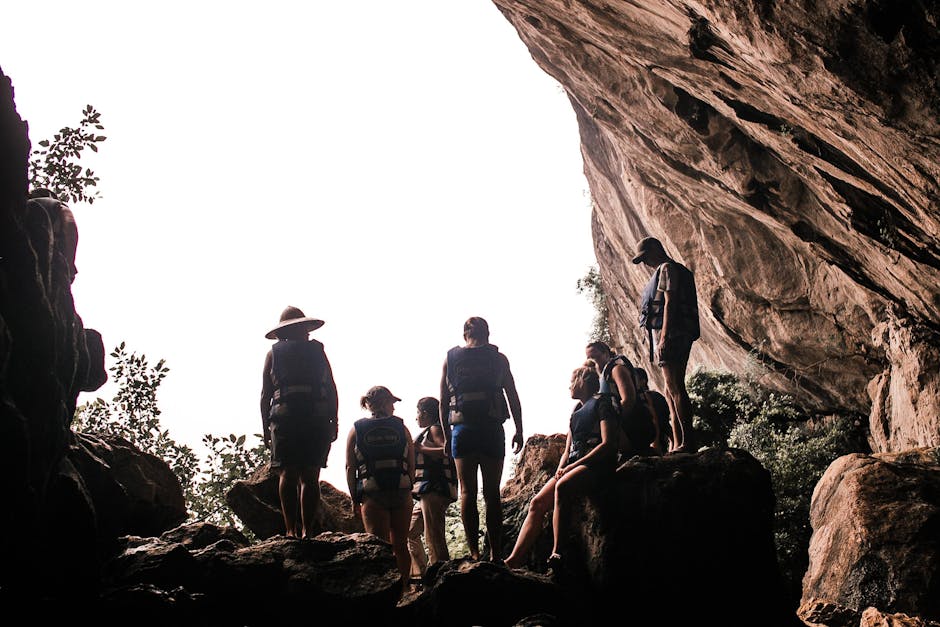
In addition to the glowworm tour, Waitomo features the Ruakuri Cave, known for its spiral entrance and underground waterfall. Adventure seekers can try black water rafting—floating on inner tubes through the cave’s subterranean rivers. All tours are operated by local Māori guides, adding cultural depth to the journey.
3. Škocjan Caves, Slovenia
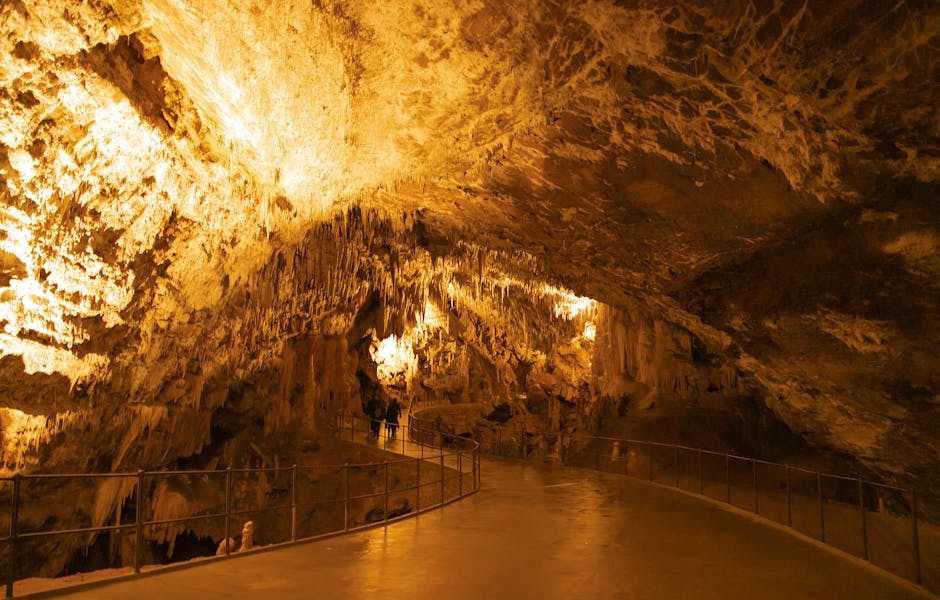
Part of a UNESCO World Heritage Site, the Škocjan Caves in southwestern Slovenia showcase one of the largest underground canyons in the world. The Reka River disappears into the cave system, creating dramatic echoes and mist-filled chambers.
The tour includes a walk across a 100-foot-high gorge suspended by a metal bridge. The cave’s ecosystem supports rare species found nowhere else on Earth. Due to its scientific importance, access is limited, and tours must be booked in advance. The site also offers educational programs on karst hydrology.
4. Son Doong Cave, Vietnam
Discovered in 1991 and first explored in 2009, Son Doong in Vietnam’s Phong Nha-Ke Bang National Park is the world’s largest cave by volume. It contains its own jungle, river, and climate system, with sections so vast that helicopters are used during expeditions.
Access is highly restricted—only about 1,000 visitors per year are allowed—and tours require a two-day trek to reach the entrance. The journey includes zip-lining into the cave and camping inside its colossal chambers. This is not a casual tour; it’s a full-scale adventure requiring physical fitness and prior booking through authorized operators.
5. Cueva de los Cristales, Mexico
Located in Naica, Chihuahua, this cave houses some of the largest natural crystals ever discovered—gypsum beams up to 39 feet long and 13 feet wide. Formed over 500,000 years in mineral-rich water, the crystals are a geological marvel.
Due to extreme heat and humidity—temperatures exceed 136°F with 100% humidity—the cave is not open to the public. However, scientific expeditions and limited documentary filming allow rare glimpses. For most travelers, nearby caves like Cueva de las Brujas offer safer, equally fascinating alternatives with stalactite forests and underground lakes.
6. Eisriesenwelt Ice Cave, Austria
Meaning “World of the Ice Giants,” this cave in the Austrian Alps is the largest ice cave in the world. Each winter, snow and ice accumulate in the limestone chambers, creating frozen waterfalls, walls, and sculptures that last into summer.
Tours run from May to October and include a cable car ride to the entrance. The cave’s icy formations change with the seasons, offering a different experience each visit. Guides explain the science of ice formation and the cave’s role in local folklore, including tales of ice giants and hidden treasures.
7. Jenolan Caves, Australia
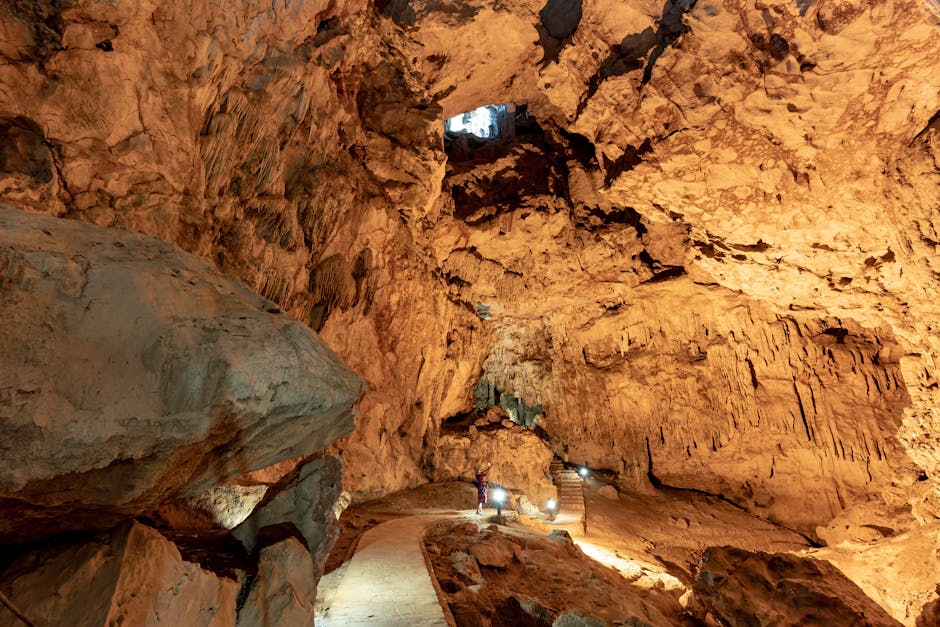
Situated in the Blue Mountains of New South Wales, Jenolan is Australia’s most famous cave system and one of the oldest known caves in the world—estimated at over 340 million years old. It features 11 show caves, each with distinct formations and themes.
The Lucas Cave is the most popular, featuring the Cathedral Chamber, one of the tallest cave rooms in the Southern Hemisphere. The Imperial Cave offers a gentler experience with wheelchair-accessible paths. Night tours and ghost walks add a spooky twist for adventurous visitors.
8. Carlsbad Caverns, USA
Located in New Mexico’s Chihuahuan Desert, Carlsbad Caverns National Park is home to more than 119 caves, with the main attraction being the Big Room—a limestone chamber over 4,000 feet long and 625 feet high.
Visitors can take a self-guided walk along paved paths or join ranger-led tours that descend 750 feet below ground. The cave is famous for its “bat flight program,” where thousands of Brazilian free-tailed bats emerge at dusk from May to October. The park also offers backcountry caving for experienced cavers.
How to Choose the Right Cave Tour for You
Not all cave tours are created equal. Your ideal destination depends on your fitness level, interests, and travel goals. Beginners should look for caves with paved paths, lighting, and short tour durations. Families with children will appreciate sites with interactive exhibits and minimal physical demands.
Adventure seekers may prefer caves that involve climbing, swimming, or overnight stays. Always verify the physical requirements before booking. Some tours require participants to be a certain age or weight, and medical conditions like claustrophobia or heart issues may restrict access.
Factors to Consider Before Booking
- Difficulty Level: Check if the tour involves stairs, ladders, or tight spaces.
- Duration: Tours range from 30 minutes to several days. Match the length to your schedule.
- Accessibility: Some caves are wheelchair-friendly; others are not.
- Seasonality: Ice caves may only be open in summer, while others operate year-round.
- Guided vs. Self-Guided: Most caves require a guide for safety and conservation reasons.
Safety Tips for Cave Exploration
Safety should always be a top priority when exploring caves. Even in commercial tours, underground environments present unique risks. Always follow your guide’s instructions and wear provided safety gear, including helmets and sturdy footwear.
Never touch formations. Oils from your skin can damage delicate mineral structures and disrupt cave ecosystems. Stay on marked paths to avoid getting lost or damaging fragile areas. Inform someone of your plans if venturing into remote caves.
What to Bring on a Cave Tour
- Comfortable, non-slip shoes
- Light jacket (caves are often cool and damp)
- Water bottle
- Small backpack
- Camera (if allowed—flash photography may be restricted)
Avoid bringing large bags or valuables. Many caves have lockers, but it’s best to travel light. If you have medical conditions, carry necessary medications and inform your guide beforehand.
Conservation and Responsible Cave Tourism
Caves are fragile environments. Microorganisms, minerals, and ecosystems can take thousands of years to form—and seconds to destroy. Responsible tourism helps preserve these natural wonders for future generations.
Stick to designated trails, avoid littering, and never remove rocks or souvenirs. Support caves that follow conservation guidelines and employ local guides. Some sites limit visitor numbers to reduce environmental impact—book early and respect capacity rules.
How to Minimize Your Impact
- Use restrooms before entering the cave.
- Pack out all trash, including biodegradable items.
- Do not feed or disturb wildlife.
- Respect photography rules—some caves ban flash or tripods.
FAQs About Cave Tours
Are cave tours safe for children?
Many caves offer family-friendly tours suitable for children as young as 5. These routes are shorter, well-lit, and avoid strenuous activity. Always check age and height requirements before booking. Supervise children closely, as caves can be slippery and disorienting.
Do I need special equipment for a cave tour?
Most commercial tours provide helmets, lights, and sometimes gloves. Wear closed-toe shoes with good grip. Avoid sandals or high heels. Dress in layers, as cave temperatures are typically cooler than surface conditions. For advanced tours, specialized gear may be required.
Can people with claustrophobia go on cave tours?
It depends on the individual and the cave. Some caves have wide, open chambers and short tours that may be manageable. Others involve narrow passages and long descents. Discuss your concerns with the tour operator beforehand. Many offer alternative routes or shorter experiences.