
Best Adventure Travel Places for Outdoor Thrill Seekers
For outdoor thrill seekers, the world is a playground of adrenaline-pumping destinations. Whether you’re into rock climbing, white-water rafting, or high-altitude trekking, certain locations stand out for their raw natural power and adventure-ready infrastructure. This guide highlights the top adventure travel destinations that deliver unforgettable experiences—safely, sustainably, and with maximum excitement.
Why Adventure Travel Matters
Adventure travel isn’t just about extreme sports—it’s about pushing personal limits in awe-inspiring environments. These trips build resilience, deepen connection with nature, and often support local communities through responsible tourism.
Unlike conventional vacations, adventure travel demands preparation, physical readiness, and respect for natural forces. Choosing the right destination ensures you get the challenge you crave without unnecessary risk.
Top Adventure Travel Destinations for Thrill Seekers
Queenstown, New Zealand – The Adventure Capital of the World
Queenstown earns its reputation as the adventure capital for good reason. Nestled on the shores of Lake Wakatipu and surrounded by the Southern Alps, it offers bungee jumping, skydiving, jet boating, and alpine hiking within minutes of the town center.
The Kawarau Bridge is the birthplace of commercial bungee jumping. For climbers, the Remarkables mountain range provides multi-pitch routes with stunning views. In winter, nearby ski fields like Coronet Peak add another layer of adventure.
Best time to visit: December to February for summer activities; June to August for skiing.
Patagonia, Chile & Argentina – Rugged Wilderness at the End of the World
Patagonia’s vast, untamed landscapes attract serious hikers, climbers, and mountaineers. Torres del Paine National Park in Chile and Los Glaciares National Park in Argentina offer glacier trekking, ice climbing, and multi-day treks like the W Trek and O Circuit.
Weather is unpredictable—strong winds and sudden storms are common. Proper gear and guided tours are strongly recommended, especially for glacier crossings.
For climbers, Cerro Torre and Mount Fitz Roy present legendary technical challenges. Wildlife spotting, including guanacos and condors, adds to the experience.
Nepal – The Ultimate Himalayan Playground
Nepal is synonymous with high-altitude adventure. The country offers everything from Everest Base Camp treks to technical climbs on peaks like Ama Dablam.
Trekking routes range from moderate to extreme. The Annapurna Circuit challenges hikers with high passes and remote villages, while Langtang Valley provides a less crowded alternative.
Permits and experienced guides are essential. Altitude sickness is a real danger—acclimatization days are non-negotiable. Most trekkers spend 10–14 days on major routes.
Moab, Utah, USA – Desert Thrills and Red Rock Challenges
Moab is a mecca for off-roading, mountain biking, and rock climbing. Arches and Canyonlands National Parks offer dramatic sandstone formations, narrow slot canyons, and panoramic desert vistas.
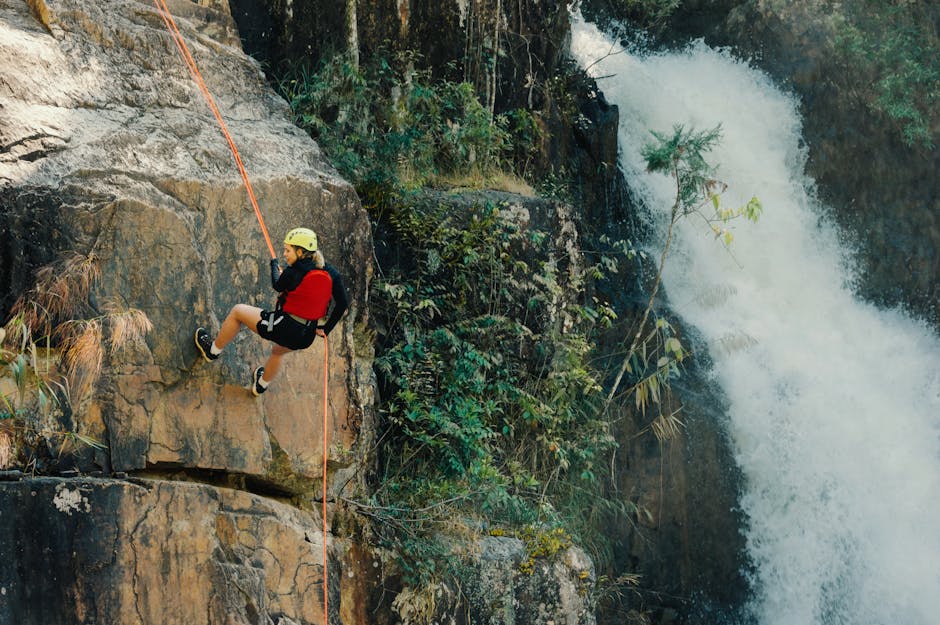
The Slickrock Bike Trail is world-famous for its grippy sandstone surface and steep, technical climbs. Rock climbers tackle routes on Wall Street and the Ancient Arts tower.
Summer temperatures exceed 100°F (38°C)—spring and fall are ideal. Always carry extra water and let someone know your route.
Costa Rica – Jungle, Volcanoes, and Ocean Adventures
Costa Rica blends rainforest exploration with ocean-based thrills. Zip-lining through Monteverde Cloud Forest, white-water rafting on the Reventazón River, and surfing in Tamarindo offer diverse adrenaline fixes.
Active volcanoes like Arenal provide hiking and hot spring relaxation. Manuel Antonio National Park combines wildlife watching with beach breaks.
Rainy season (May–November) can affect trail conditions, but also means fewer crowds and lush scenery. Always use certified guides for river and canopy tours.
Norway – Fjords, Northern Lights, and Arctic Challenges
Norway’s dramatic fjords and Arctic terrain attract climbers, kayakers, and winter sports enthusiasts. Trolltunga and Preikestolen (Pulpit Rock) are iconic hikes with sheer drops and breathtaking views.
In winter, Lofoten Islands offer ice climbing and northern lights viewing. Dog sledding and snowmobiling are popular in regions like Tromsø.
Weather changes fast in the north. Dress in layers and check avalanche reports before heading into remote areas.
South Africa – Safari Meets Extreme Sports
South Africa combines wildlife adventures with high-octane activities. Bungee jump from the Bloukrans Bridge—the highest commercial jump in the world at 216 meters.
Shark cage diving in Gansbaai offers close encounters with great whites. For climbers, the Drakensberg Mountains provide rugged peaks and traditional routes.
Kirstenbosch Canopy Tour near Cape Town features zip lines through ancient forest. Always go with licensed operators for marine and wildlife activities.
Bhutan – High-Altitude Culture and Trekking
Bhutan limits tourism to preserve its culture and environment, making it a unique destination for mindful adventurers. The Snowman Trek is one of the world’s most challenging multi-day hikes, crossing high mountain passes in the Himalayas.
Trekkers pass remote villages, Buddhist monasteries, and yak herds. The journey takes 25+ days and requires excellent fitness and preparation.
A daily tourism tariff applies, which includes guides, lodging, and meals. This supports sustainable travel and local communities.
Peru – Ancient Ruins and Andean Adventures
Peru offers a mix of cultural exploration and physical challenge. The Inca Trail to Machu Picchu is a bucket-list trek, but requires permits and physical conditioning.
For more solitude, the Salkantay Trek offers stunning mountain scenery without the crowds. Rock climbers head to the Cordillera Blanca for granite spires and alpine routes.
Altitude affects most visitors. Spend a few days in Cusco (3,400m) before trekking. Drink coca tea and avoid alcohol to ease acclimatization.
Canada – Wilderness from Coast to Coast
Canada’s vast wilderness supports every kind of outdoor adventure. Banff and Jasper National Parks in Alberta offer rock climbing, ice climbing, and backcountry skiing.
In British Columbia, Whistler is a year-round destination for mountain biking and skiing. The West Coast Trail on Vancouver Island is a rugged 77-km coastal hike for experienced trekkers.
Wildlife safety is critical—carry bear spray and know how to use it. Weather in the Rockies can shift rapidly, even in summer.
How to Choose the Right Adventure Destination
Assess Your Skill Level
Not all adventures are created equal. Beginners should start with guided tours and well-marked trails. Experienced adventurers can tackle technical climbs or remote expeditions.
Be honest about your fitness, experience, and comfort with risk. Overestimating ability leads to dangerous situations.
Consider Season and Weather
Timing affects safety and enjoyment. Monsoon seasons, snowmelt, and extreme heat can close trails or increase hazards.
Research seasonal conditions for your destination. For example, Everest Base Camp is best trekked in spring (March–May) and autumn (September–November).
Prioritize Safety and Local Guides
Local guides know the terrain, weather patterns, and emergency protocols. They also support the local economy and often provide cultural insights.
Reputable operators are certified by national tourism boards or international bodies like the International Federation of Mountain Guide Associations (IFMGA).

Pack Smart and Travel Light
Adventure travel demands functional, durable gear. Invest in quality footwear, weather-appropriate clothing, and a reliable backpack.
Essential items include a first-aid kit, headlamp, water purification system, and navigation tools. Avoid overpacking—every gram counts on long treks.
Responsible Adventure Travel Practices
Thrill seekers have a responsibility to protect the environments they explore. Follow Leave No Trace principles: pack out all trash, stay on marked trails, and avoid disturbing wildlife.
Support eco-certified tour operators and community-based tourism initiatives. These businesses prioritize sustainability and fair wages for local staff.
Avoid single-use plastics and respect local customs. In many adventure destinations, cultural sensitivity is as important as physical preparation.
Final Tips for a Successful Adventure Trip
- Train in advance—build endurance and strength specific to your activity.
- Get travel insurance that covers high-risk activities.
- Share your itinerary with someone at home.
- Carry emergency communication devices in remote areas.
- Stay hydrated and fuel your body with nutritious food.
Adventure travel rewards preparation and respect for nature. With the right mindset and planning, these destinations offer life-changing experiences.
FAQ
What is the safest adventure travel destination for beginners?
Costa Rica is ideal for beginners due to its well-developed tourism infrastructure, certified guides, and range of activities from zip-lining to gentle rafting. Many tours are designed for first-timers and include safety briefings.
Do I need special training before visiting high-altitude destinations like Nepal?
While formal training isn’t required for trekking, building cardiovascular fitness and practicing with a loaded backpack helps. Altitude acclimatization is critical—most guides enforce rest days to prevent illness.
How can I ensure my adventure trip is environmentally responsible?
Choose eco-certified operators, minimize plastic use, stay on designated trails, and support local communities by hiring local guides and buying local products. Always follow Leave No Trace guidelines.