
Top Food and Culinary Travel Escapes for Local Meals
Traveling for food isn’t just about luxury dining or Michelin stars. Some of the most memorable meals happen in humble kitchens, bustling markets, and family-run eateries far from tourist trails. Whether you’re savoring street-side tacos in Oaxaca, sharing a home-cooked tagine in Marrakech, or learning to fold dumplings in a Beijing hutong, local meals offer an authentic taste of culture. This guide highlights top food and culinary travel escapes where travelers can experience genuine regional cuisine—often prepared with generations-old recipes and served with warmth and hospitality.
Why Local Meals Matter in Culinary Travel
Local meals provide more than sustenance—they’re a window into a destination’s history, values, and daily life. Unlike standardized hotel buffets or international chain restaurants, neighborhood eateries reflect what people actually eat at home. These experiences foster deeper connections, support small businesses, and often deliver superior flavor through fresh, seasonal ingredients.
For travelers, seeking out local meals means moving beyond the guidebook. It’s about asking a taxi driver where they eat lunch, following the smell of grilling meat through a narrow alley, or joining a cooking class taught by a local grandmother. These moments create lasting memories and often become the highlight of a trip.
Top Destinations for Authentic Local Meals
Oaxaca, Mexico: The Soul of Mexican Cuisine
Oaxaca is often called the culinary capital of Mexico, and for good reason. The city’s markets—like Mercado 20 de Noviembre—overflow with moles, tlayudas, and fresh cheeses. One of the best ways to experience local food is through a guided market tour followed by a cooking class in a family home.
Try the seven varieties of mole, each with complex layers of chilies, spices, and chocolate. Don’t miss elote asado (grilled corn) from street vendors or a late-night mezcal tasting in a quiet courtyard. For a truly local meal, join a comida corrida—a multi-course lunch served family-style at small fondas.
Marrakech, Morocco: Spices, Tagines, and Hospitality
In Marrakech, food is woven into the rhythm of daily life. The Jemaa el-Fnaa square transforms at dusk into an open-air food court where locals gather for harira soup, grilled lamb skewers, and sweet mint tea. While tourists flock to rooftop restaurants, the real magic happens in residential neighborhoods.
Book a home dining experience through platforms like Eatwith or local tour operators. You’ll be welcomed into a riad, seated on floor cushions, and served a traditional tagine slow-cooked with saffron, apricots, and almonds. These meals often include storytelling, music, and a chance to learn about Berber traditions.
Kyoto, Japan: Seasonal Simplicity and Tea Culture
Kyoto’s cuisine reflects the Japanese philosophy of shun—eating with the seasons. Local meals here emphasize balance, presentation, and subtle flavors. While kaiseki (multi-course haute cuisine) is renowned, everyday Kyoto food shines in humble settings.
Visit Nishiki Market to sample pickled vegetables, matcha sweets, and fresh tofu. For a true local experience, join a Buddhist temple vegetarian meal (shojin ryori) or take a class in making yudofu (tofu hot pot) in a machiya (traditional townhouse). These meals are quiet, meditative, and deeply rooted in Zen principles.
Bangkok, Thailand: Street Food as Art Form
Bangkok’s street food scene is legendary, but the best dishes aren’t always in tourist-heavy areas like Khao San Road. Locals flock to spots like Thipsamai for their iconic pad thai or Jay Fai for her crab omelet cooked over charcoal. These vendors often have decades of experience and loyal followings.
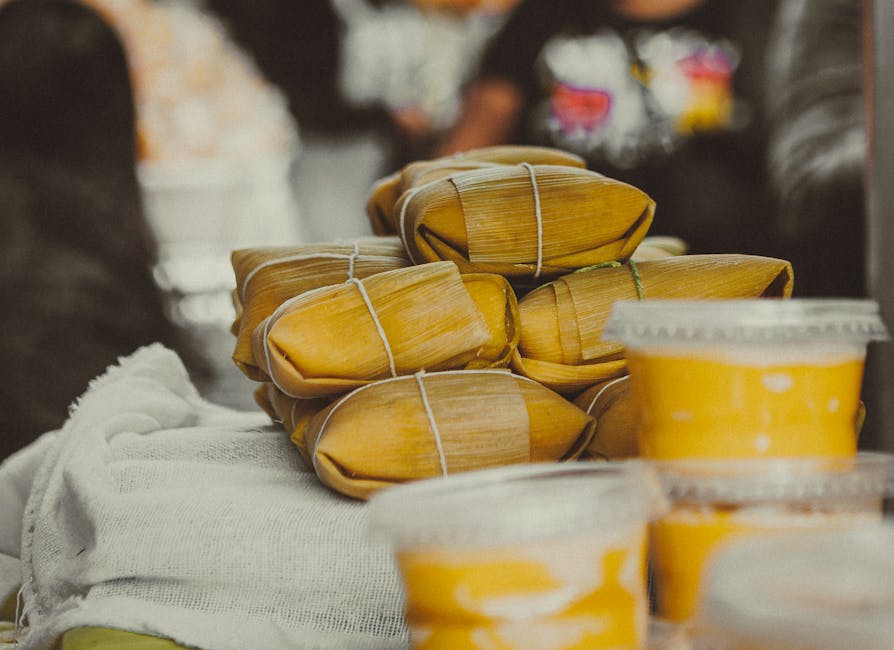
To eat like a local, arrive early—many stalls sell out by noon. Order from vendors with long lines of Thai customers, and don’t be afraid to point and smile. A typical local meal might include som tam (green papaya salad), grilled chicken with sticky rice, and a sweet coconut dessert.
Lisbon, Portugal: Seafood, Sardines, and Neighborhood Taverns
Lisbon’s food scene blends maritime traditions with Moorish and African influences. While pastéis de nata (custard tarts) draw crowds, the real local meals happen in small tascas (taverns) tucked into Alfama’s winding streets.
Order grilled sardines with boiled potatoes and green salad—a summer staple. Try bacalhau à brás (shredded cod with eggs and potatoes) or a simple bowl of caldo verde (kale soup). Pair it with a glass of vinho verde and enjoy the unhurried pace of a Portuguese lunch.
Hanoi, Vietnam: Noodles, Herbs, and Family Traditions
Hanoi is the birthplace of pho, but the city’s culinary identity runs deeper. Local meals often center around rice noodles, fresh herbs, and light broths. Unlike Saigon’s sweeter, bolder flavors, Hanoi cuisine is subtle and aromatic.
Start your day with a bowl of bun cha—grilled pork with rice noodles and dipping sauce—at a sidewalk stall. For lunch, try banh cuon (steamed rice rolls) or cha ca (turmeric fish with dill). Many of these dishes are best enjoyed in tiny, family-run spots where recipes haven’t changed in decades.
How to Find and Enjoy Local Meals While Traveling
Talk to Locals
The simplest way to discover authentic meals is to ask residents where they eat. Hotel concierges, taxi drivers, and shopkeepers often know hidden gems. A phrase like “Where do you eat with your family?” can lead to unforgettable experiences.
Use Local Apps and Platforms
Apps like Eatwith, Withlocals, and ShowMe Local connect travelers with home cooks and small food businesses. These platforms offer everything from market tours to private dinners in homes. They’re especially useful in cities where language barriers might make independent exploration difficult.
Visit Neighborhood Markets
Markets are the heartbeat of local food culture. They’re where ingredients are sourced, recipes are shared, and community bonds are formed. Spend a morning wandering stalls, tasting samples, and chatting with vendors. In many cities, markets also host food courts where you can try multiple dishes in one visit.
Take a Cooking Class
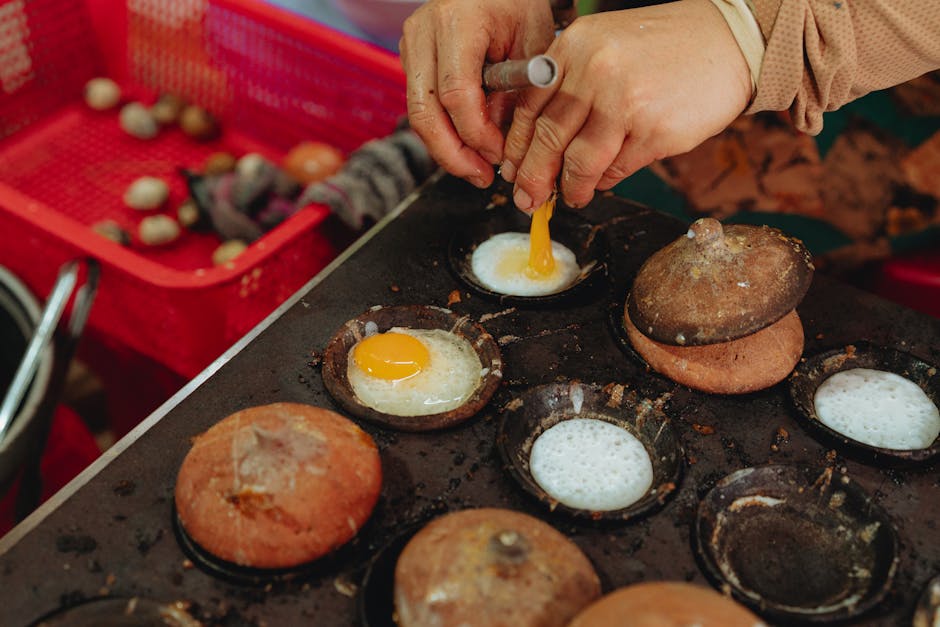
Cooking classes taught by locals offer hands-on insight into regional techniques and ingredients. Look for small-group or private sessions that include a market visit. You’ll not only learn to make a dish but also understand its cultural significance.
Eat at Non-Touristy Hours
Tourist restaurants often cater to foreign palates and inflated prices. To eat like a local, dine during off-peak hours—early lunch or late dinner. You’ll find better service, fresher food, and a more authentic atmosphere.
Tips for Respecting Local Food Culture
Observe Dining Etiquette
Every culture has its own food customs. In Japan, slurping noodles is a sign of enjoyment. In Morocco, eating with your right hand is expected. In India, sharing food from a common plate is common. Take time to observe and follow local practices.
Be Mindful of Dietary Restrictions
While adventurous eating is part of the fun, respect religious and cultural dietary laws. In Muslim-majority countries, avoid alcohol and pork. In Hindu regions, beef may be off-limits. Always ask about ingredients if you have allergies or restrictions.
Support Sustainable and Ethical Practices
Choose eateries that source ingredients locally and treat workers fairly. Avoid places that exploit animals or contribute to overtourism. Your spending power can support communities and preserve culinary traditions.
Common Challenges and How to Overcome Them
Language Barriers
Menus in foreign languages can be intimidating. Use translation apps like Google Translate, but also learn a few food-related phrases. Pointing to photos or asking for “chef’s recommendation” can go a long way.
Food Safety Concerns
Stick to busy stalls with high turnover—this ensures freshness. Avoid raw or undercooked foods in areas with questionable water quality. When in doubt, choose cooked dishes served hot.
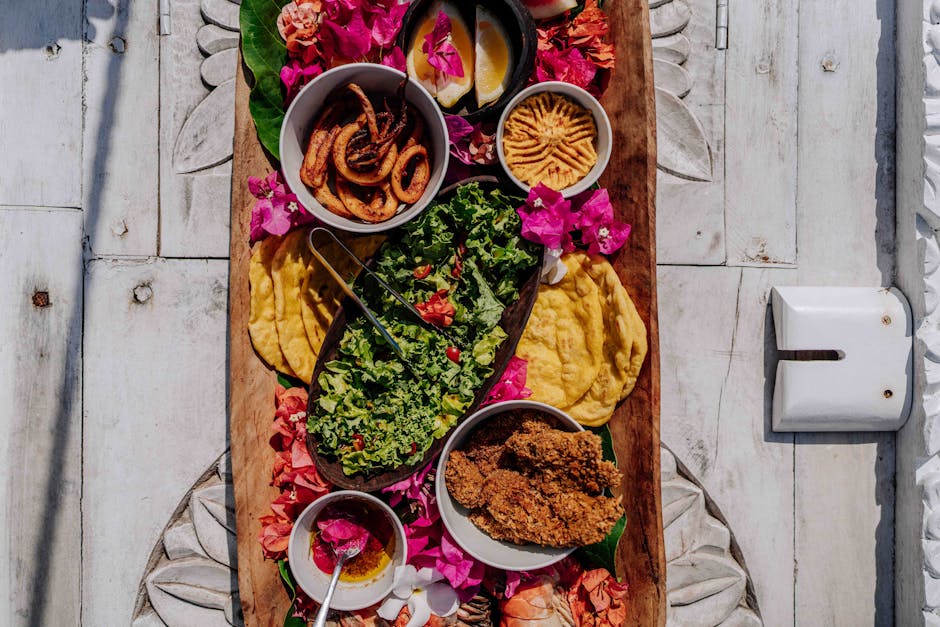
Overcoming Fear of the Unknown
It’s natural to hesitate before trying something unfamiliar. Start with milder versions of local dishes, then gradually expand your palate. Remember, even locals were once first-time eaters.
Planning Your Culinary Travel Escape
To make the most of your food-focused trip, plan ahead—but leave room for spontaneity. Research top local dishes and must-visit neighborhoods, but also allow time to wander and follow your instincts. Pack light, bring an appetite, and keep an open mind.
Consider timing your visit around food festivals or harvest seasons. In Italy, that might mean truffle season in Piedmont. In Mexico, it could be the Day of the Dead, when pan de muerto fills bakeries. These events offer unique culinary experiences you won’t find any other time of year.
Final Thoughts
The best food and culinary travel escapes aren’t about chasing trends or Instagrammable plates. They’re about slowing down, connecting with people, and tasting the world as it’s truly lived. Whether you’re sipping tea in a Kyoto garden or sharing a meal with a family in Marrakech, local meals remind us that food is one of the most universal languages.
By seeking out authentic, everyday cuisine, you’ll not only eat well—you’ll travel deeper.
FAQ
How can I find authentic local meals without speaking the language?
Use translation apps, look for eateries with long lines of local customers, and consider booking experiences through platforms like Eatwith that offer English-speaking hosts. Observing where locals eat is often the best guide.
Is it safe to eat street food while traveling?
Yes, in most cases—especially in countries with strong street food cultures like Thailand or Mexico. Choose busy stalls with high turnover, avoid raw ingredients, and opt for food served hot. Trust your instincts and prioritize cleanliness.
What should I do if I have dietary restrictions while traveling?
Research local dishes in advance, learn key phrases in the local language (e.g., “I am vegetarian” or “no nuts”), and consider staying in accommodations with kitchen access. Many local hosts are happy to accommodate dietary needs if informed ahead of time.