
Food and Culinary Travel Tips for Tasting Like Locals
Want to eat like a local when you travel? Skip the tourist traps and discover how real food culture works in any destination. This guide gives you practical, field-tested strategies to find authentic flavors, eat where locals eat, and savor dishes the way they were meant to be enjoyed. From market navigation to mealtime etiquette, these tips help you connect with a place through its food—deeply and deliciously.
Why Eating Like a Local Matters
Food is more than fuel—it’s a window into culture, history, and daily life. When you eat what locals eat, you experience a destination beyond postcard views. You taste regional ingredients, learn about traditions, and often support small businesses that keep culinary heritage alive.
Tourist-focused restaurants often simplify or alter dishes to suit foreign palates. While convenient, they rarely capture the true essence of a cuisine. In contrast, neighborhood eateries serve food shaped by generations of local taste and technique.
Eating like a local also deepens your connection to a place. Sharing a meal at a family-run stall or joining office workers for lunch builds moments of genuine interaction. These experiences often become the most memorable parts of any trip.
How to Find Authentic Local Eats
Follow the Crowd, Not the Signs
One of the simplest ways to find good food is to observe where people are eating. If a small restaurant or street stall has a line of locals during lunch, it’s likely worth trying. Tourists tend to cluster around brightly lit spots with English menus and photos—avoid these when possible.
In cities like Bangkok or Mexico City, the best tacos or curries are often sold from unmarked carts in busy neighborhoods. Look for places with high turnover, especially around midday. Fresh ingredients and constant service are signs of quality.
Use Local Apps and Word of Mouth
Instead of relying solely on international review platforms, try apps popular in the region. In Japan, Tabelog helps locate highly rated neighborhood eateries. In France, The Fork (La Fourchette) lists local favorites, often with reservation options.
Ask hotel staff, shopkeepers, or even fellow diners for recommendations. A simple “What do you eat here?” can lead to hidden gems. Locals often know the best spots for specific dishes—like where to find the city’s best ramen or empanadas.
Visit Local Markets
Markets are treasure troves of regional flavors. From Marrakech’s Jemaa el-Fnaa to Bangkok’s Chatuchak, markets offer everything from fresh produce to ready-to-eat street food. They’re also great places to sample small bites without committing to a full meal.
Arrive early for the best selection and freshest food. In many Asian markets, breakfast stalls open before dawn, serving steaming bowls of noodles or congee to early risers. In Europe, weekend farmers’ markets showcase seasonal specialties like truffles in Italy or smoked fish in Scandinavia.
Timing Your Meals Like a Local
Eat When Locals Eat
Meal times vary widely across cultures. In Spain, lunch is often after 2 p.m., and dinner doesn’t start until 9 or 10 p.m. In contrast, many Southeast Asian countries eat earlier, with dinner wrapping up by 8 p.m.
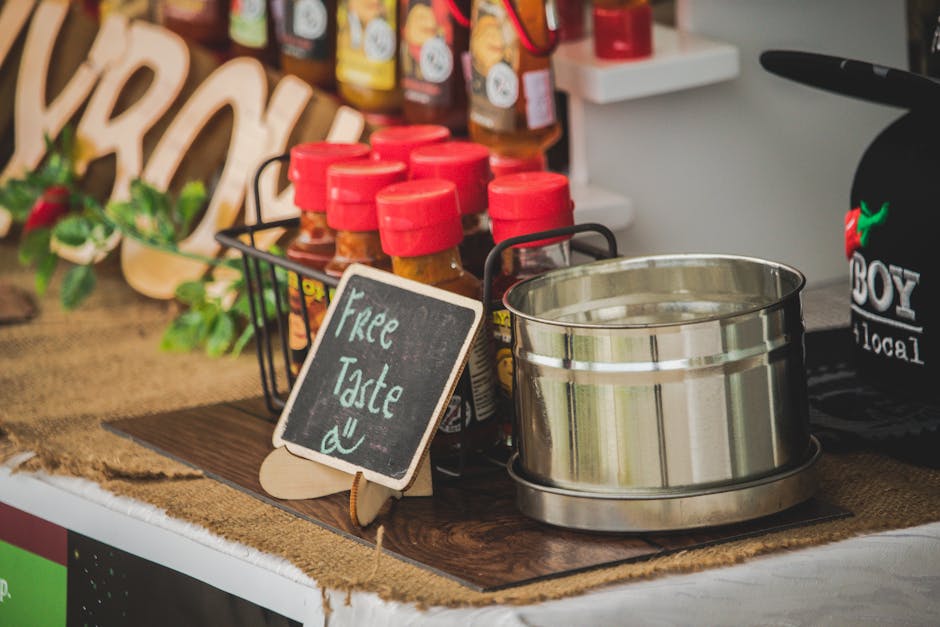
Adjust your schedule to match local rhythms. Eating at the right time increases your chances of finding open restaurants and fresh food. It also helps you avoid empty dining rooms where dishes may have been sitting out.
Avoid Tourist Meal Hours
Tourists often eat earlier than locals—around 6 or 7 p.m.—which can mean missing out on the best food. Many local chefs prepare fresh batches for the dinner rush, which starts later. In Italy, for example, trattorias may not fire up the pasta station until 8 p.m.
Waiting a bit longer can pay off with hotter food, better service, and a more authentic atmosphere. Plus, you’ll blend in more with the local crowd.
Navigating Menus and Orders
Learn Key Food Phrases
Even basic language skills go a long way. Phrases like “What do you recommend?” or “Is this spicy?” show respect and help you make better choices. In many countries, servers appreciate the effort and may guide you toward regional specialties.
Carry a small phrasebook or use a translation app with offline capabilities. Google Translate’s camera feature can help decode menus by pointing your phone at the text.
Order Seasonal and Regional Dishes
Menus often highlight what’s fresh and local. In coastal Portugal, look for grilled sardines in summer. In Japan, try sakura-themed dishes in spring. Seasonal eating ensures better flavor and supports sustainable practices.
Avoid ordering the same meals you eat at home. Instead, embrace the unfamiliar. In Morocco, try tagine with preserved lemons. In Vietnam, sample bún chả with fresh herbs. These dishes define the local palate.
Share and Sample
Many cultures eat family-style, with dishes shared among the table. Even in places where individual plates are common, sharing allows you to taste more varieties. In India, order a thali or a mix of small plates to experience diverse flavors.
Street food is especially conducive to sampling. In Istanbul, try a few bites of simit, balık ekmek, and manti across different vendors. Just pace yourself—overordering can lead to food fatigue.
Street Food: Safe and Savory
Know What to Look For
Street food is often the heart of a local food scene—but safety matters. Choose stalls with high turnover, clean cooking surfaces, and visible hygiene practices. Food that’s cooked to order and served hot is generally safer.
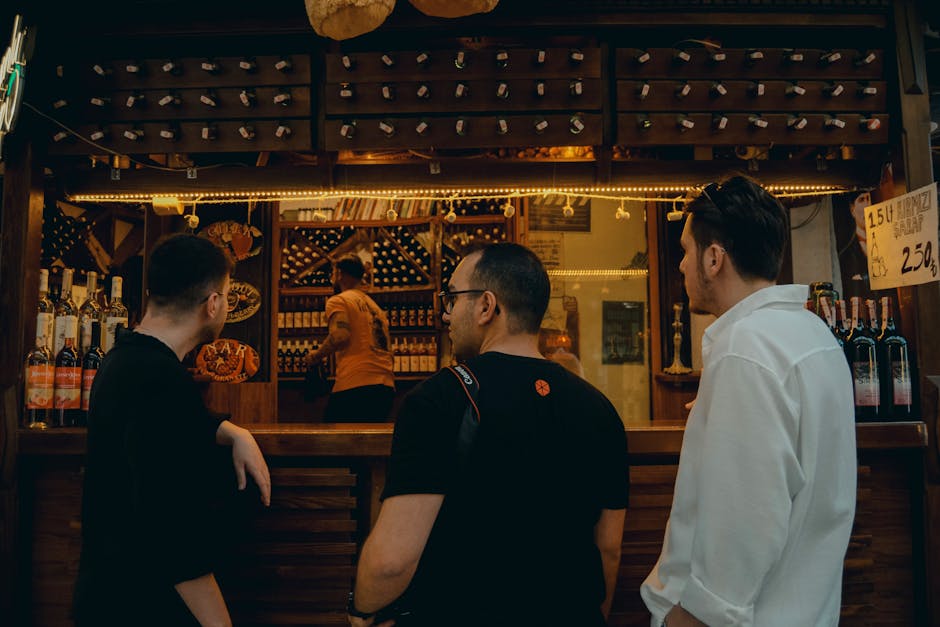
In countries like Thailand or Peru, street food is not only safe but celebrated. Vendors often specialize in one dish, perfected over years. Look for crowds, short menus, and smoke from grills—these are good signs.
Start Mild, Then Explore
If you’re new to a cuisine, begin with milder dishes before diving into fiery curries or fermented specialties. In Mexico, start with al pastor tacos before trying habanero-laced salsas. In Korea, try bibimbap before attempting kimchi jjigae.
Drink bottled or boiled water, and avoid ice unless you’re sure of the source. Carry hand sanitizer and use it before eating. These small steps reduce risk without limiting your experience.
Dining Etiquette Around the World
Observe and Adapt
Eating customs vary widely. In Japan, slurping noodles is a sign of enjoyment. In Ethiopia, meals are often eaten with hands from a shared platter. In France, keep your hands visible and avoid cutting salad with a knife.
Watch how locals behave and follow their lead. When in doubt, ask politely. Most people appreciate the effort to respect their traditions.
Tipping and Payment Norms
Tipping practices differ by country. In the U.S., 15–20% is standard. In Japan and South Korea, tipping can be seen as rude. In many European countries, a service charge is included, and rounding up is sufficient.
Carry small bills or local currency for street vendors and small restaurants. Mobile payments are common in places like China and Sweden, but cash remains king in many markets.
Building Relationships Through Food
Talk to Chefs and Vendors
Many food artisans take pride in their craft. A simple compliment or question about ingredients can spark a conversation. In Oaxaca, Mexico, mezcal producers often share stories behind their bottles. In Naples, pizza makers may explain the secrets of their dough.
These interactions add depth to your experience. You’ll learn about sourcing, techniques, and cultural significance—details no guidebook can provide.
Join a Food Tour or Cooking Class
Guided food tours offer curated tastings and local insights. Look for small-group tours led by residents, not just guides reciting facts. In Lisbon, a fado-and-food evening combines music with petiscos. In Chiang Mai, a night market tour introduces you to northern Thai specialties.
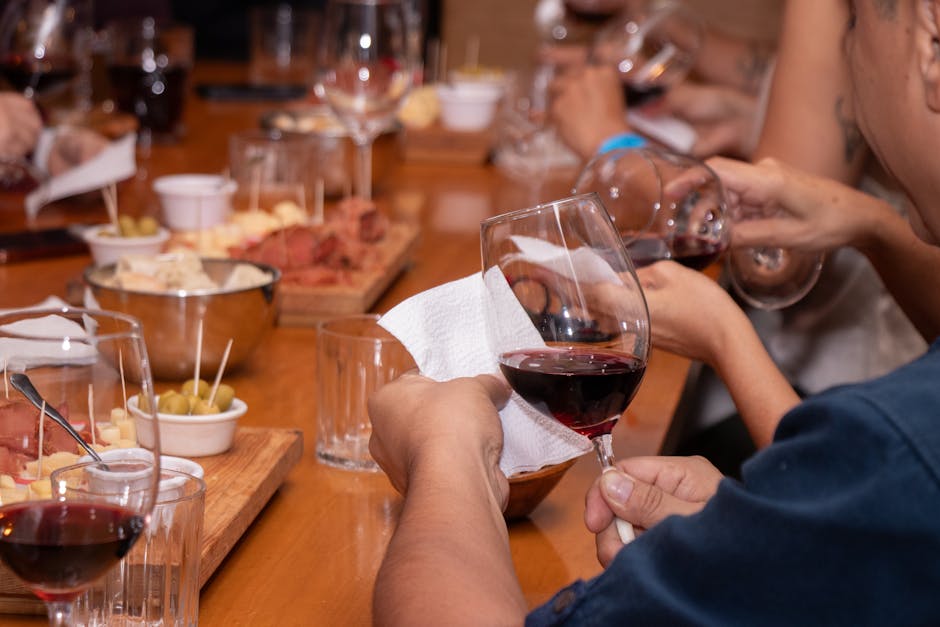
Cooking classes let you take a piece of the culture home. Learn to make pasta in Bologna, dumplings in Chengdu, or curry in Colombo. Hands-on experience deepens your appreciation and gives you skills to recreate dishes later.
Common Mistakes to Avoid
Sticking to What You Know
It’s tempting to seek out familiar foods when traveling—especially if you’re picky or have dietary restrictions. But limiting yourself to burgers or pasta means missing the point of culinary travel.
Instead, approach new foods with curiosity. Try one new dish per day. Even if you don’t love it, you’ll gain insight into local tastes and ingredients.
Overplanning Every Meal
While research helps, rigid itineraries can backfire. Restaurants close unexpectedly, and the best meals often happen by chance. Leave room for spontaneity—wander through neighborhoods and follow your nose.
Some of the most memorable meals come from unplanned stops: a hole-in-the-wall in Lisbon serving the best bifana, or a roadside stall in Vietnam with perfectly crispy banh xeo.
Ignoring Dietary Needs
If you have allergies or restrictions, prepare in advance. Learn how to explain your needs in the local language. In countries with high gluten or dairy use, research safe options beforehand.
Many cultures accommodate dietary preferences when asked politely. In India, vegetarianism is common, making it easier to find plant-based meals. In Israel, kosher and vegan options are widely available.
Making the Most of Your Culinary Journey
Eating like a local isn’t about perfection—it’s about presence. Show up with an open mind, a willingness to try, and respect for the culture you’re visiting. The best meals often happen off the map, in places without names, served by people who’ve been doing it for decades.
Take notes, take photos, and take time to savor. Food connects us across borders. When you taste like a local, you don’t just eat—you belong, even if only for a moment.
FAQ
How can I eat safely while trying local street food?
Choose busy stalls with high turnover, eat food served hot and freshly cooked, and avoid raw items like unpeeled fruit or untreated water. Carry hand sanitizer and start with milder dishes to test your tolerance.
What’s the best way to find authentic restaurants in a new city?
Look for places filled with locals, especially during peak meal times. Use regional apps like Tabelog in Japan or The Fork in France, and ask residents for recommendations. Avoid spots with English-only menus and photo galleries.
Should I tip when eating locally in foreign countries?
It depends on the country. In the U.S., tip 15–20%. In Japan and South Korea, tipping is not expected. In many European countries, service is included, so rounding up is enough. Research local customs before you go.