
Top Adventure Travel Experiences for Ocean Lovers
Ocean lovers seeking adventure have more options than ever—from diving with sharks in crystal-clear waters to kayaking through bioluminescent bays. Whether you’re drawn to underwater exploration, coastal treks, or wildlife encounters, the world’s oceans offer thrilling experiences that blend excitement with natural beauty. This guide highlights the most unforgettable ocean-based adventures, complete with practical tips, safety considerations, and real-world examples to help you choose your next great escape.
Why Ocean Adventures Stand Out
Unlike land-based travel, ocean adventures immerse you in dynamic, ever-changing environments. Saltwater, tides, and marine life create unpredictable conditions that demand preparation and respect. These experiences often combine physical challenge with awe-inspiring scenery—think sunrise paddleboarding over coral reefs or swimming alongside sea turtles in remote lagoons.
What sets ocean adventures apart is their ability to connect travelers with nature on a visceral level. The ocean’s vastness fosters humility, while close encounters with marine species inspire lasting memories. For many, these trips become transformative, blending personal challenge with environmental awareness.
Top Destinations for Ocean Adventure Travel
1. Raja Ampat, Indonesia – World-Class Scuba Diving
Raja Ampat, off West Papua, is renowned as the global epicenter of marine biodiversity. With over 1,500 fish species and 75% of the world’s known corals, it’s a diver’s paradise. Sites like Cape Kri and Manta Sandy offer schools of barracuda, reef sharks, and graceful manta rays.
Best visited between October and April, Raja Ampat requires liveaboard trips or eco-lodges due to its remote location. Divers should be certified and prepared for strong currents. Always dive with local guides who understand the tides and marine behavior.
2. Palau – Swim with Jellyfish and Explore Blue Holes
Palau’s Jellyfish Lake on Eil Malk Island lets swimmers float among thousands of harmless golden jellyfish—a surreal, bucket-list experience. The lake is isolated from the ocean, allowing the jellyfish to evolve without predators.
Beyond the lake, Palau’s blue holes and WWII wreck dives attract advanced divers. The Rock Islands offer kayaking through limestone caves and lagoons. Visit between November and May for calm seas and optimal visibility.
3. Galápagos Islands, Ecuador – Snorkel with Sea Lions and Penguins
The Galápagos offer one of the few places where penguins and tropical fish coexist. Snorkeling at Kicker Rock or Punta Vicente Roca brings you face-to-face with sea lions, marine iguanas, and flightless cormorants.
Most travelers join small-group cruises or day tours from Santa Cruz or San Cristóbal. Water temperatures vary—wetsuits are recommended year-round. Strict conservation rules apply: never touch wildlife or step off marked paths.
4. Big Island, Hawaii – Night Kayaking in Bioluminescent Bays
On the Big Island’s east coast, kayakers paddle through glowing waters where dinoflagellates light up with every stroke. The brightest displays occur on moonless nights, especially in summer.
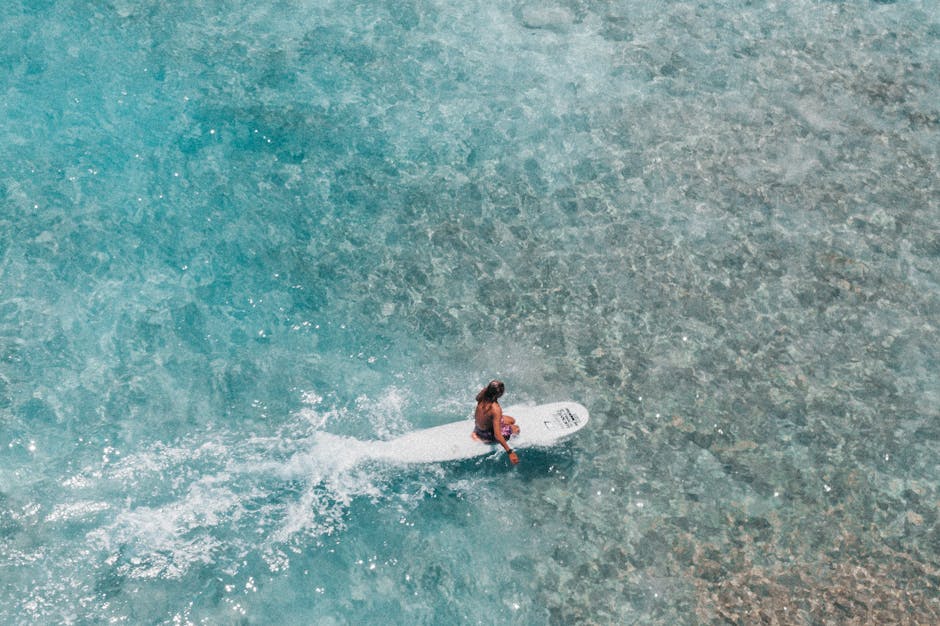
Choose guided tours from companies like KapohoKine Adventures for safety and local insight. Avoid touching the water or disturbing the organisms. Bring a waterproof flashlight and wear a life jacket—conditions can change quickly.
5. Socorro Islands, Mexico – Diving with Giant Manta Rays
Part of the Revillagigedo Archipelago, the Socorro Islands are a UNESCO site known for large pelagic species. Divers regularly encounter giant manta rays, bottlenose dolphins, and humpback whales.
Access is via liveaboard trips departing from Cabo San Lucas, typically lasting 10–14 days. Conditions are best from November to May. Strong currents and deep dives require advanced certification.
6. Tasmania, Australia – Cold-Water Diving and Coastal Hiking
Tasmania’s rugged coastline and cold waters host unique species like weedy sea dragons and Australian fur seals. The Tinderry Marine Reserve offers drift dives through kelp forests and underwater pinnacles.
Combine diving with the Three Capes Track, a 46-kilometer coastal hike with dramatic sea cliffs. Water temperatures range from 12–16°C (54–61°F)—a 7mm wetsuit is essential. Plan trips between December and March.
7. Norway – Fjord Kayaking and Whale Watching
Norway’s fjords, especially around Tromsø and the Lofoten Islands, offer calm waters ideal for sea kayaking. Paddle beneath towering cliffs and past cascading waterfalls while scanning for orcas and humpback whales.
Whale-watching season runs from October to February. Kayak tours often include dry suits and safety briefings. Always check weather forecasts—fjords can become hazardous in sudden storms.
Essential Gear and Preparation Tips
Choosing the Right Equipment
Your gear depends on the activity. Scuba divers need a well-fitted wetsuit, BCD, regulator, and dive computer. Snorkelers benefit from a full-face mask, fins, and a rash guard. Kayakers should invest in a dry bag, bilge pump, and personal flotation device.
Rent gear locally when possible—this reduces travel hassle and ensures equipment is suited to regional conditions. Always inspect rentals for wear and proper function.
Physical and Safety Readiness
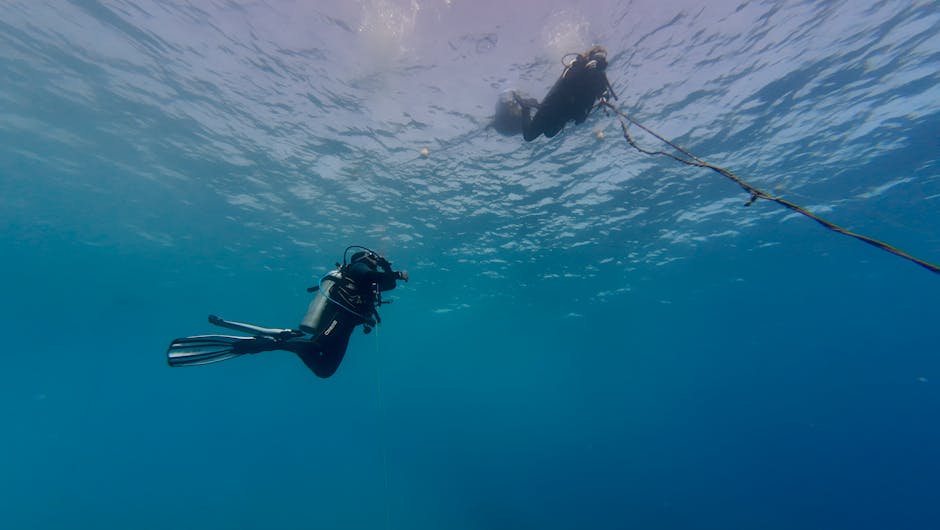
Ocean adventures demand fitness and comfort in water. Swimmers should be able to tread water for at least 10 minutes. Non-swimmers should avoid open-water activities or take lessons beforehand.
Learn basic first aid and CPR. Carry a waterproof communication device, especially on remote trips. Inform someone of your itinerary and expected return time.
Environmental Responsibility
Protect marine ecosystems by avoiding sunscreen with oxybenzone and octinoxate—these chemicals harm coral. Use reef-safe alternatives instead.
Never feed or chase wildlife. Maintain a safe distance from animals and follow local guidelines. Support operators with eco-certifications like Green Fins or Blue Flag.
How to Choose the Right Adventure for You
Assess Your Skill Level
Beginners should start with guided snorkeling or calm-water kayaking. Intermediate travelers can try drift diving or multi-day coastal hikes. Advanced adventurers may pursue technical dives or solo expeditions.
Honesty about your abilities prevents accidents and enhances enjoyment. Many tour operators offer skill assessments before booking.
Consider Season and Weather
Research regional seasons carefully. The Caribbean has a hurricane season from June to November, while Southeast Asia faces monsoons from May to October. Polar regions like Norway are best in summer.
Check historical weather patterns and water temperatures. Avoid peak storm seasons unless you’re experienced in rough conditions.
Budget and Logistics
Ocean adventures can be costly due to travel, gear, and guide fees. Liveaboard trips in remote areas often exceed $3,000. Compare packages and read reviews to avoid hidden costs.
Factor in travel time and visa requirements. Some destinations, like Palau, require advance permits. Book flights and accommodations early, especially for small-group tours.
Real Stories from Ocean Adventurers
In 2022, a group of divers in Raja Ampat spent three hours circling a cleaning station, watching over 200 reef fish interact with resident sharks. “It felt like being in a documentary,” one traveler recalled. “The water was so clear, you could see every stripe and fin.”
Another adventurer kayaked 12 miles along Tasmania’s coast, camping on remote beaches. “We saw seals playing in the surf at sunrise,” she said. “No roads, no noise—just the ocean and us.”
These stories highlight the emotional depth of ocean travel. It’s not just about adrenaline—it’s about connection, solitude, and wonder.
Safety Warnings and Common Mistakes
Never underestimate the ocean. Rip currents, sudden weather shifts, and marine life encounters can turn dangerous quickly. Always dive or paddle with a buddy.
Avoid alcohol before water activities. Dehydration and sun exposure increase fatigue. Drink plenty of water and wear UV-protective clothing.
Common mistakes include overestimating abilities, ignoring local advice, and skipping safety briefings. Even experienced travelers should heed warnings from guides familiar with the area.
Planning Your Next Ocean Adventure
Start by identifying your interests: wildlife, diving, kayaking, or cultural immersion. Match these to destinations with strong reputations for safety and sustainability.
Use trusted platforms like PADI Travel, REI Adventures, or local eco-tour operators. Read recent traveler reviews and verify certifications.
Prepare physically and mentally. Practice swimming, build endurance, and study basic marine safety. The more prepared you are, the more you’ll enjoy the experience.
FAQ
Q: What’s the best time of year for ocean adventure travel?
A: It varies by region. Tropical destinations like Palau and the Galápagos are best from November to May. Norway and Tasmania favor summer months (December–March). Always research local seasons and weather patterns.
Q: Do I need special certifications for ocean adventures?
A: Yes, for activities like scuba diving. Open Water Diver certification is the minimum for most dive sites. Kayaking and snorkeling typically don’t require formal certs, but guided tours often include training.
Q: How can I travel sustainably while enjoying ocean adventures?
A: Choose eco-certified operators, use reef-safe sunscreen, avoid single-use plastics, and never touch or feed marine life. Support conservation efforts through donations or volunteer programs.