
Helpful Destination Guide to Krakow for Old Town Charm
Krakow’s Old Town is one of Europe’s best-preserved medieval city centers, offering a captivating blend of history, culture, and vibrant street life. As a UNESCO World Heritage Site, the area invites visitors to wander cobbled lanes, admire Gothic spires, and soak in centuries of Polish heritage. Whether you’re drawn to royal castles, lively plazas, or quiet courtyards, this guide helps you experience the authentic charm of Krakow’s historic heart with practical tips and must-see highlights.
Why Krakow’s Old Town Stands Out
Unlike many European capitals that underwent heavy modernization, Krakow’s Old Town retains its original 13th-century layout. The city center is compact and walkable, making it easy to explore on foot. Its architectural diversity—from Romanesque churches to Renaissance townhouses—reflects over 700 years of continuous urban life.
Compared to Prague or Budapest, Krakow feels more intimate and less tourist-saturated, especially in early mornings or late afternoons. The Main Market Square, Europe’s largest medieval town square, anchors the district and pulses with energy from street performers, outdoor cafes, and horse-drawn carriages.
Top Attractions in Krakow’s Old Town
Main Market Square (Rynek Główny)
The Main Market Square spans 3.8 hectares and is the social and historical center of Krakow. It hosts the Cloth Hall, St. Mary’s Basilica, and numerous cafes and souvenir stalls. Visit early to avoid crowds and enjoy the square in relative peace.
Don’t miss the hourly trumpet call from St. Mary’s tower—a tradition dating back to the 13th century. The sound breaks off mid-note, commemorating a medieval trumpeter who was shot while warning of an approaching invasion.
St. Mary’s Basilica
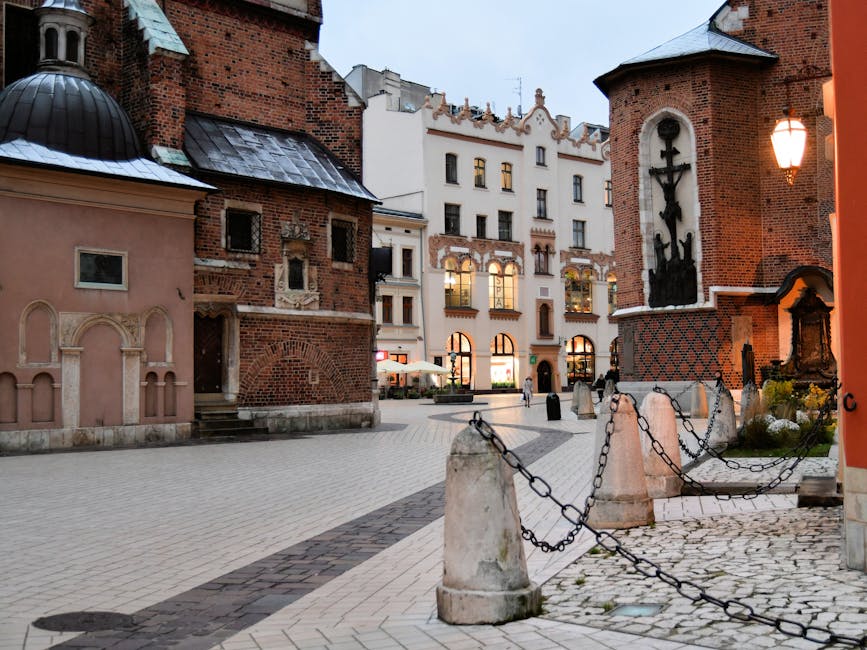
This Gothic church dominates the square with its asymmetrical towers and ornate interior. The main altar, carved by Veit Stoss in the 15th century, is a masterpiece of late Gothic art. Entry costs around 12 PLN, and photography is allowed inside.
Climb the taller tower for panoramic views over the Old Town. The ascent is narrow and steep, so wear comfortable shoes and be mindful of your step.
The Cloth Hall (Sukiennice)
Once a major trading hub for textiles, the Cloth Hall now houses a mix of souvenir shops, art galleries, and a museum on the upper floor. The Renaissance-style building has been restored to its 19th-century appearance.
Even if you don’t shop, the interior arcade offers a cool respite on hot days. Look for traditional Polish amber jewelry and hand-painted Easter eggs among the stalls.
Wawel Royal Castle and Cathedral
Perched on a limestone hill overlooking the Vistula River, Wawel is the former residence of Polish kings. The castle complex includes museums, royal chambers, and the Crown Treasury. The cathedral is the burial site of national heroes like Copernicus and Chopin.
Book tickets online in advance, especially during peak season. The Dragon’s Den cave beneath the castle adds a mythical touch—especially fun for families with children.
Walking Routes to Maximize Your Time
Classic Half-Day Loop
Start at the Barbican, a fortified outpost from the 15th century. Walk through Floriańska Street, lined with boutiques and cafes, toward the Main Market Square. Visit St. Mary’s Basilica and the Cloth Hall, then head up to Wawel Castle.
This route takes 3–4 hours and covers the core highlights. Wear comfortable walking shoes—cobblestones can be uneven.
Quiet Courtyards and Hidden Alleys
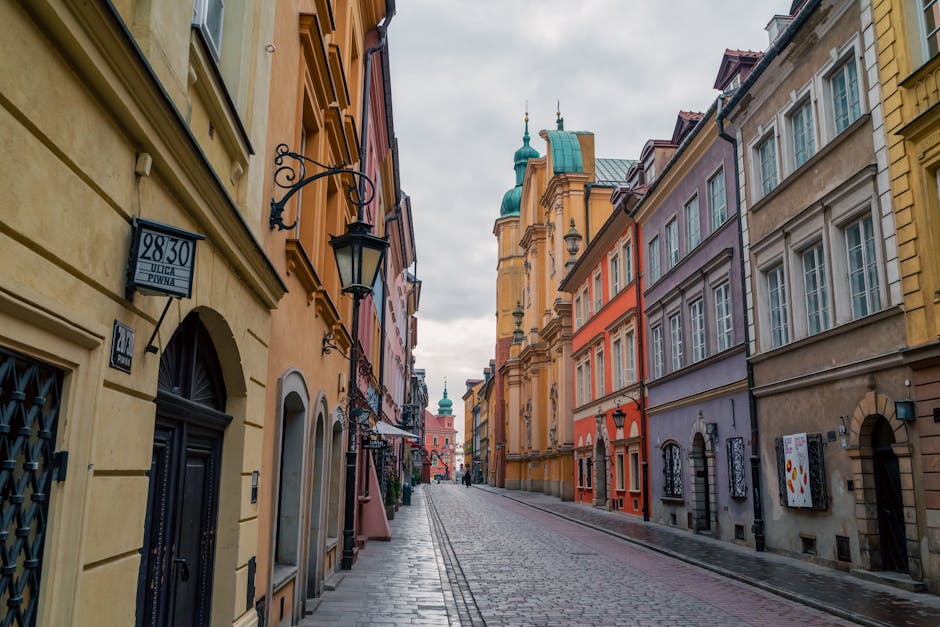
Escape the crowds by exploring side streets like Grodzka and Kanonicza. These lanes hide charming courtyards, artisan workshops, and tucked-away bookshops. The Church of St. Peter and Paul, with its Baroque facade and statues of the apostles, is a quiet gem.
Try a coffee at Café Lisinski, a local favorite with a garden courtyard. It’s less touristy than square-side cafes and offers excellent Polish pastries.
Best Times to Visit and Avoid Crowds
Early mornings (8–10 AM) offer the best light for photography and fewer people. Many shops and museums open at 10 AM, so you can wander freely before the day begins.
Afternoons get busy, especially near the square and Wawel. Evenings are lively but less congested—ideal for dinner or a drink at a rooftop bar like Alchemia or Harris Piano Jazz Bar.
Avoid major holidays like Easter and Christmas, when the city sees peak visitor numbers. Summer weekends are also crowded, particularly in July and August.
Local Food and Drink to Try
Traditional Polish Dishes
Sample pierogi (dumplings) filled with cheese, potato, or meat at Zapiekanka or Pod Aniołami. For a heartier meal, try bigos (hunter’s stew) or żurek (sour rye soup served in a bread bowl).
Don’t leave without tasting oscypek, a smoked sheep’s milk cheese from the Tatra Mountains. It’s often grilled and served with cranberry sauce.
Coffee Culture and Craft Beer
Krakow has a thriving café scene. Try C.K. Browar for craft beer in a historic brewery setting, or Starka for a mix of Polish vodka and live music. For coffee, head to Coffee Truck or Drukarnia, both known for quality brews and relaxed atmospheres.
Many cafes offer outdoor seating in summer, perfect for people-watching in the square. Tip 10% at restaurants, though it’s not mandatory.
Getting Around the Old Town
The Old Town is entirely walkable, with most attractions within a 15-minute stroll of each other. Public trams and buses connect the area to other districts, but driving is not recommended due to limited parking and pedestrian zones.
Bike rentals are available, though cobblestones make cycling less comfortable. Electric scooters are popular but restricted in the main square—check local rules before riding.
For luggage storage, use services at the train station or private lockers near the square. Many hostels and hotels also offer day storage for guests.
Safety and Practical Tips
Krakow is generally safe, but pickpocketing occurs in crowded areas like the square and public transport. Keep valuables secure and avoid displaying large amounts of cash.
Most signs are in Polish, but English is widely spoken in tourist areas. Download an offline map like Maps.me to navigate without data.
Tap water is safe to drink. Public restrooms are available in the Cloth Hall and near major churches—expect a small fee (2–5 PLN).
Day Trips from the Old Town
Use Krakow as a base for exploring nearby attractions. Auschwitz-Birkenau is a sobering but important visit, best done with a guided tour (half-day, ~4 hours). The Wieliczka Salt Mine, a UNESCO site, features underground chapels and tunnels carved from rock salt (half-day trip).
Both sites require advance booking. Trains and buses depart regularly from Krakow, with journey times under 90 minutes.
For nature lovers, the Tatra Mountains offer hiking and scenic views. Zakopane, a mountain town, is a popular day trip but best visited with a car or organized tour.
Accommodation Options in the Old Town
Staying within the Old Town puts you steps from major sights. Boutique hotels like Hotel Pod Różą and Hotel Stary blend historic charm with modern comfort. Mid-range options include Hotel Wentzl and Hotel Copernicus.
Hostels like Greg & Tom and Hostel Booze & Rooms offer budget-friendly stays with social atmospheres. Book early in summer—rooms fill quickly.
Apartments on Airbnb or Booking.com provide kitchen access and more space, ideal for families or longer stays. Check reviews for noise levels—some buildings face busy streets.
Seasonal Highlights and Events
Spring (April–June) brings mild weather and blooming parks. The Krakow Flower Festival in May fills the square with floral displays. Summer hosts outdoor concerts and film screenings in the square.
Autumn (September–October) offers golden light and fewer tourists. The Sacrum Profanum music festival in September showcases avant-garde performances. Winter transforms the Old Town with Christmas markets and ice skating rinks.
New Year’s Eve is lively, with fireworks over the castle. Book accommodations well in advance if visiting during holidays.
Photography Tips for Capturing the Charm
Golden hour (just after sunrise or before sunset) enhances the warm tones of brick and stone buildings. The square is especially photogenic when lit by soft morning light.
Use a wide-angle lens to capture the full scale of St. Mary’s towers or the Cloth Hall interior. For portraits, the shaded arcades of the Cloth Hall provide even lighting.
Avoid tripods in crowded areas—they can obstruct foot traffic. Always ask before photographing locals, especially in traditional dress.
Sustainable Travel in Krakow
Support local businesses by eating at family-run restaurants and buying souvenirs from independent artisans. Avoid mass-produced items sold in tourist traps near the square.
Carry a reusable water bottle—refill stations are available at the train station and in parks. Use public transport or walk to reduce your carbon footprint.
Respect quiet hours in residential areas, especially near churches and historic buildings. Many structures are still active places of worship.
Final Thoughts
Krakow’s Old Town offers a rare blend of authenticity and accessibility. Its preserved architecture, rich history, and vibrant culture make it a standout destination in Central Europe. With thoughtful planning, you can enjoy its charm without the overwhelm of mass tourism.
Take time to wander beyond the main sights. The true magic lies in the quiet corners, local interactions, and the sense of stepping back in time. Whether you’re visiting for a weekend or a week, the Old Town rewards curiosity and slow exploration.
FAQ
What is the best time of day to visit Krakow’s Old Town?
Early morning (8–10 AM) is ideal for fewer crowds and better photo lighting. The Main Market Square is peaceful before shops and tours begin.
Do I need to book tickets in advance for Wawel Castle?
Yes, especially from May to September. Online booking saves time and guarantees entry, particularly for the royal chambers and cathedral.
Is Krakow’s Old Town safe for solo travelers?
Yes, it’s generally safe with low crime rates. Stay aware in crowded areas, keep belongings secure, and avoid poorly lit alleys at night.