
Food and Culinary Travel Tips for Smart Food Planning
Traveling is about more than sights and experiences—it’s also about taste. Smart food planning ensures you enjoy authentic local flavors without compromising your health, budget, or schedule. Whether you’re exploring street markets in Bangkok or fine dining in Lyon, thoughtful preparation helps you eat well, avoid foodborne illness, and make the most of every meal. This guide covers practical food and culinary travel tips to help you plan smarter, eat better, and travel confidently.
Why Food Planning Matters When Traveling
Food is a core part of any travel experience. It connects you to culture, history, and local life. Yet many travelers overlook meal planning, leading to rushed decisions, food waste, or stomach troubles.
Smart food planning reduces stress and enhances your trip. It helps you balance indulgence with nutrition, stay within budget, and avoid common pitfalls like food poisoning or overpriced tourist traps. With a few strategies, you can enjoy authentic dishes while staying healthy and energized.
Save Money and Avoid Tourist Traps
Restaurants near major attractions often charge premium prices for average food. Planning ahead lets you identify local favorites that offer better value and quality.
For example, instead of eating at a restaurant near the Eiffel Tower, walk a few blocks into a residential neighborhood. You’ll likely find a family-run bistro with affordable, traditional French dishes. Use apps like Google Maps or Yelp to read recent reviews and check prices before you go.
Maintain Energy and Avoid Digestive Issues
Travel disrupts routines, including eating habits. Skipping meals or relying on processed snacks can leave you sluggish. Planning ensures you have access to balanced meals and safe food options.
If you have dietary restrictions or sensitivities, planning is essential. Research local ingredients and learn key phrases to communicate your needs. In Japan, for instance, many dishes contain dashi (fish stock), which isn’t vegetarian. Knowing this helps you ask for alternatives.
Research Local Cuisine Before You Go
Understanding a destination’s food culture enhances your experience and helps you make informed choices. Start by learning about staple ingredients, popular dishes, and regional specialties.
For example, in Mexico, corn, beans, and chili peppers form the foundation of most meals. In Italy, pasta, olive oil, and fresh vegetables dominate regional cuisines. Knowing these basics helps you identify authentic dishes and avoid imitations.
Use Reliable Food Blogs and Travel Guides
Look for trusted sources like food-focused travel blogs, culinary magazines, or local tourism websites. These often highlight must-try dishes and hidden gems.
Websites like Eater, Serious Eats, and local food blogs provide up-to-date recommendations. They may also warn about seasonal closures or changes in menu offerings due to holidays or festivals.
Learn Key Food-Related Phrases
Even basic language skills can improve your dining experience. Learn how to say “no spicy,” “vegetarian,” or “check, please” in the local language.
In Thailand, saying “mai pet” means “not spicy.” In Spain, “la cuenta, por favor” gets you the bill. These small efforts show respect and help you communicate clearly.
Pack Smart: Essentials for Food-Safe Travel
What you bring can make a big difference in your food safety and comfort. Packing a few key items helps you stay prepared without overloading your luggage.
Must-Have Items for Your Packing List
Include a reusable water bottle with a built-in filter. This is especially useful in countries where tap water isn’t safe to drink. Brands like LifeStraw or Brita offer compact options.
Pack hand sanitizer and disinfectant wipes. Use them before eating, especially if you’re eating street food or traveling in areas with limited hygiene facilities.
Bring a small first-aid kit with antacids, anti-diarrheal medication, and oral rehydration salts. These can be lifesavers if you experience digestive upset.
Snacks for Energy and Emergencies
Carry non-perishable snacks like nuts, granola bars, or dried fruit. They’re useful during long travel days, flight delays, or when local food options are limited.
Choose snacks with protein and fiber to keep you full longer. Avoid sugary options that lead to energy crashes. In remote areas, having your own snacks ensures you’re never stuck hungry.
Dine Like a Local: Where to Eat and What to Avoid
One of the best ways to experience a culture is through its food. But not all restaurants offer the same quality or authenticity. Knowing where to eat—and where to avoid—can elevate your trip.
Seek Out Local Favorites
Ask hotel staff, tour guides, or locals for recommendations. They often know the best spots that aren’t in guidebooks. Look for places with a steady flow of local customers—this is usually a sign of good food and fair prices.
In Vietnam, try a family-run pho stall in Hanoi’s Old Quarter. In Morocco, visit a local market in Marrakech for fresh tagine and mint tea. These experiences offer more than a meal—they offer connection.
Be Cautious with Street Food
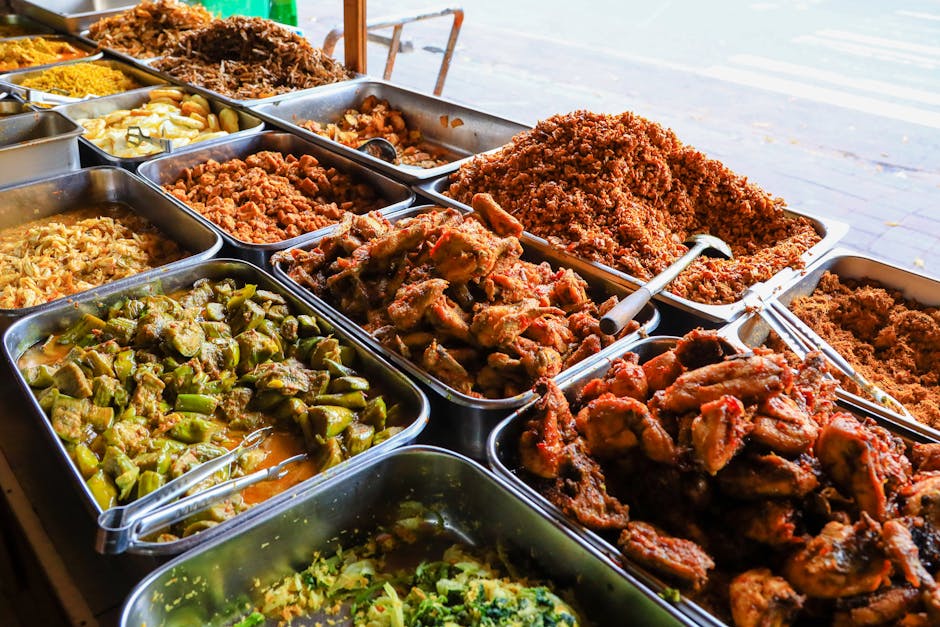
Street food is often delicious and affordable, but it can pose health risks if not handled properly. Choose vendors with high turnover, as this means food is fresh.
Look for stalls where food is cooked to order and served hot. Avoid raw vegetables, unpeeled fruits, or items left uncovered. In India, for example, stick to freshly cooked chaat or samosas rather than salads.
Avoid Overpriced Tourist Restaurants
Restaurants with English menus and pictures of food are often geared toward tourists and may lack authenticity. They may also use lower-quality ingredients.
Instead, look for places with menus in the local language and minimal English. If locals are eating there, it’s a good sign. In Paris, a café with no English menu is likely more authentic than one near the Louvre with a photo menu.
Plan Meals Around Your Itinerary
Your daily schedule affects when and where you eat. Planning meals around your activities saves time and ensures you don’t miss out on local specialties.
Map Out Meal Times
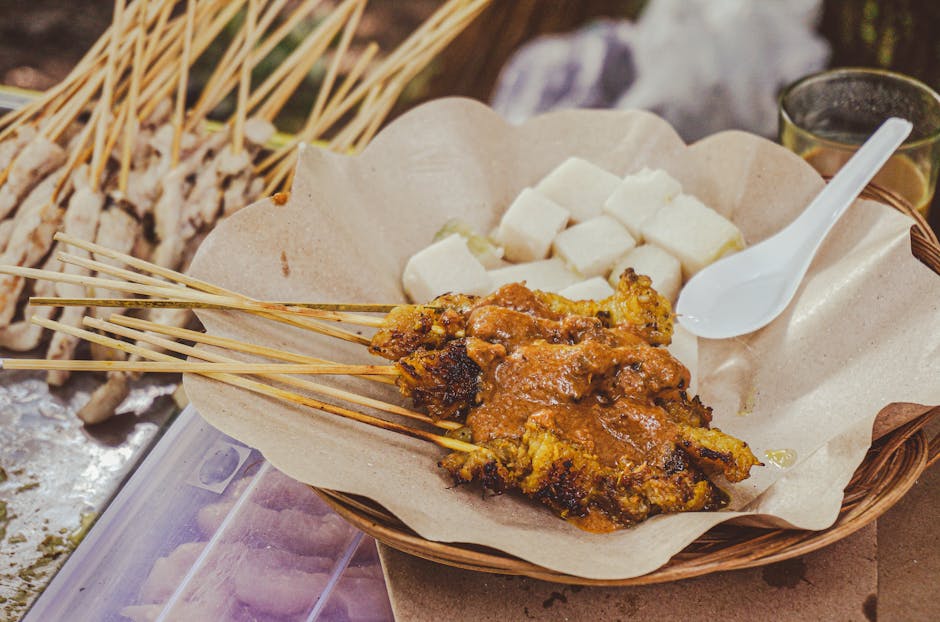
Breakfast, lunch, and dinner should align with your sightseeing plans. For example, if you’re visiting a morning market in Bangkok, plan to eat there. Street vendors offer fresh mango sticky rice, grilled satay, and coconut ice cream—perfect for a morning treat.
If you’re hiking in the Andes, pack a picnic with local bread, cheese, and fruit. This lets you eat at scenic viewpoints without searching for a restaurant.
Book Popular Restaurants in Advance
In cities like Tokyo, New York, or Barcelona, top restaurants fill up weeks ahead. Make reservations early, especially for fine dining or tasting menus.
Use platforms like OpenTable, Resy, or the restaurant’s own website. Some places require deposits or have strict cancellation policies, so read the details carefully.
Stay Safe: Food Safety Tips for Travelers
Foodborne illness can ruin a trip. While it’s impossible to eliminate all risk, smart choices reduce your chances of getting sick.
Drink Safe Water
In many countries, tap water isn’t safe to drink. Stick to bottled water, boiled water, or water filtered through a reliable system.
Avoid ice in drinks unless you’re sure it’s made from purified water. In Southeast Asia, for example, ice in tourist areas is often safe, but it’s best to confirm.
Wash Hands and Use Sanitizer
Hand hygiene is one of the simplest ways to prevent illness. Wash your hands with soap before eating, especially after using public transport or handling money.
If soap and water aren’t available, use hand sanitizer with at least 60% alcohol. Carry a small bottle in your day bag for convenience.
Be Mindful of Food Handling
Observe how food is prepared. Is it cooked thoroughly? Are raw and cooked foods kept separate? Are utensils and surfaces clean?
In rural areas or at festivals, food safety standards may vary. Trust your instincts—if something looks or smells off, skip it.
Budget Wisely for Food Expenses
Food costs can add up quickly, especially in expensive cities. Planning helps you stay within budget without sacrificing quality.
Set a Daily Food Budget
Decide how much you’re willing to spend per day. Include meals, snacks, and drinks. In cities like Zurich or Oslo, budget $50–$70 per day. In Southeast Asia, $15–$25 may be sufficient.
Track your spending with a notebook or app. This helps you adjust if you overspend early in the trip.
Mix High-End and Budget Meals
You don’t need to eat cheaply every day. Balance a splurge at a renowned restaurant with affordable street food or market meals.
For example, enjoy a multi-course dinner in Rome one night, then eat pizza al taglio (by the slice) the next. This approach lets you experience variety without overspending.
Take Advantage of Hotel Breakfast
Many hotels offer free or included breakfast. Even if it’s simple, it saves money and time. Use it as an opportunity to fuel up before a busy day.
In some countries, hotel buffets include local specialties. In Turkey, for instance, you might find fresh olives, cheeses, and simit (sesame bread rings).
Embrace Local Markets and Cooking Classes
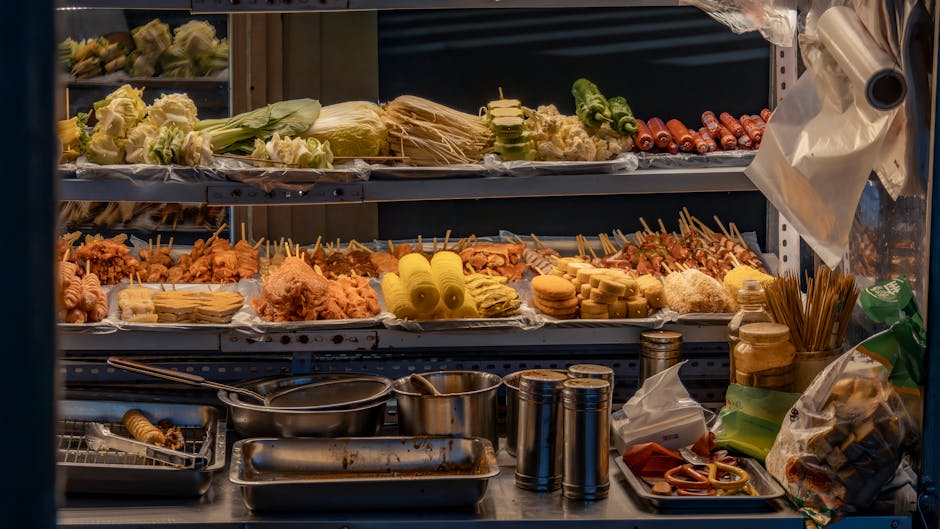
Markets and cooking experiences offer deeper insight into a destination’s food culture. They’re also fun, interactive ways to learn and taste.
Visit Local Markets
Markets are hubs of local life. You’ll find fresh produce, spices, snacks, and prepared foods. In Barcelona, La Boqueria offers jamón ibérico, fresh seafood, and tropical fruits.
Walk through with an open mind. Try a small portion of something new—like durian in Malaysia or escamoles (ant larvae) in Mexico. Even if you don’t love it, it’s part of the adventure.
Join a Cooking Class
Cooking classes teach you how to make local dishes and often include a market tour. They’re great for solo travelers, couples, or families.
In Chiang Mai, Thailand, many classes start with a visit to a local market. You’ll learn to make pad thai, green curry, and mango sticky rice. The skills you gain can be used long after your trip.
Handle Dietary Restrictions with Confidence
Traveling with food allergies, intolerances, or dietary preferences requires extra planning. With the right approach, you can enjoy safe and satisfying meals.
Research Local Ingredients
Some ingredients are common in certain cuisines but may not be obvious. In Japan, fish sauce and bonito flakes appear in many dishes, even vegetarian ones.
In India, ghee (clarified butter) is used widely, which may affect those avoiding dairy. Learn which dishes are typically safe and which to avoid.
Carry a Dietary Card
A dietary card lists your restrictions in the local language. You can show it to servers or chefs to explain your needs.
Websites like SelectWisely offer customizable cards for allergies, vegetarianism, or religious diets. Print a few copies or save one on your phone.
Communicate Clearly
Don’t assume staff will understand your dietary needs. Be specific and polite. Say, “I cannot eat gluten,” rather than “I’m on a diet.”
If unsure, ask to speak with the chef. In many restaurants, especially in Europe, chefs are happy to accommodate special requests.
FAQ
How can I avoid food poisoning while traveling?
Choose freshly cooked, hot foods. Avoid raw vegetables, unpeeled fruits, and tap water. Wash hands frequently and use hand sanitizer. Stick to busy vendors with high turnover.
What’s the best way to find authentic local food?
Ask locals, avoid tourist-heavy areas, and look for restaurants with menus in the local language. Visit markets and try street food from busy stalls.
Should I book restaurant reservations in advance?
Yes, especially in popular cities or for fine dining. Use apps like OpenTable or Resy. For casual meals, walk-ins are usually fine, but booking ensures you get a table.