
Beach and Island Travel Tips for Stress Free Beach Days
Planning a beach or island getaway should be exciting, not overwhelming. The key to truly relaxing days by the water lies in smart preparation and thoughtful choices. Whether you’re heading to a tropical paradise or a local coastal spot, these beach and island travel tips will help you avoid common pitfalls and maximize your enjoyment. From packing essentials to timing your visit, we’ve covered the practical steps that make all the difference.
Plan Ahead for a Smooth Arrival
Arriving at your destination without a plan often leads to frustration—long lines, crowded beaches, and missed opportunities. Start by researching your destination’s peak seasons and local events. For example, visiting Maui in late April means missing both winter crowds and summer heat, offering calmer beaches and better availability.
Book accommodations with beach access or within walking distance. Resorts with private beach areas, like those in the Maldives or the Bahamas, reduce the stress of finding space and securing amenities. Confirm check-in times and transportation options in advance to avoid last-minute scrambles.
Check Local Weather and Tides
Weather can change quickly near the coast. Use reliable apps like Windy or AccuWeather to monitor forecasts, especially for rain, wind, or UV index. High winds can make swimming unsafe, while sudden downpours may ruin outdoor plans.
Tide schedules matter too. Low tide often reveals tide pools and sandbars perfect for exploration, while high tide brings calmer waters for swimming. In places like the San Juan Islands, timing your beach walk with low tide opens up hidden coves and marine life viewing.
Reserve Beach Equipment Early
Popular islands often have limited rental supplies. Reserve beach chairs, umbrellas, snorkel gear, or kayaks ahead of time—especially during holidays or summer months. In destinations like Santorini or the Amalfi Coast, walk-up rentals may be fully booked by mid-morning.
Consider bringing your own compact gear when possible. A lightweight beach tent or quick-dry towel takes up little space in luggage but adds comfort and convenience. This is especially helpful on remote islands with few services.
Pack Smart: Essentials for Comfort and Safety
Overpacking leads to heavy bags and cluttered beach setups. Stick to a streamlined list of must-haves. A well-organized beach bag with compartments makes it easy to find sunscreen, snacks, or a phone quickly.
Include reef-safe sunscreen, a wide-brimmed hat, UV-protective clothing, and polarized sunglasses. These items protect against sunburn and glare, letting you stay longer in the sun without discomfort.
Choose the Right Footwear
Sandy beaches are easy to walk on, but rocky shores or coral reefs require protection. Water shoes with sturdy soles prevent cuts and slips on sharp surfaces. Brands like Croc or Aleader offer durable, quick-drying options ideal for island hopping.
Flip-flops are fine for lounging, but avoid thin soles on uneven terrain. In places like Kauai or the Greek Islands, trails to hidden beaches often involve rocky paths where proper footwear is essential.
Stay Hydrated and Nourished
Dehydration sneaks up fast in hot, humid climates. Carry a reusable water bottle and refill it throughout the day. Many beach resorts and public areas now have water stations to reduce plastic waste.
Pack light snacks like nuts, fruit, or granola bars. Avoid heavy meals that can cause sluggishness. On islands like Bali or Phuket, local markets offer fresh coconut water and tropical fruit—great for quick energy and hydration.
Respect the Environment and Local Culture
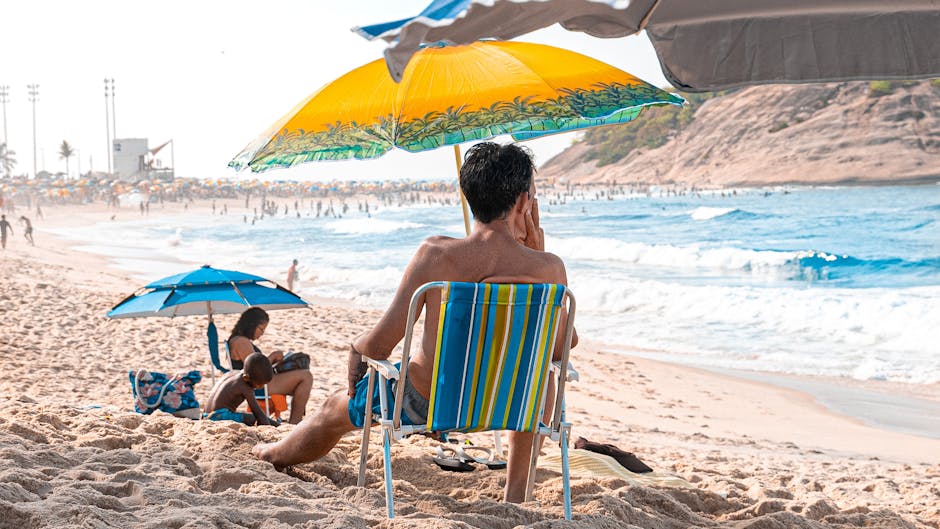
Beach and island ecosystems are fragile. Always follow the “pack it in, pack it out” rule. Bring a small trash bag and collect any litter you see—even if it’s not yours. Plastic waste harms marine life and degrades the natural beauty everyone comes to enjoy.
Avoid touching coral reefs, stepping on sea grass, or disturbing wildlife. In places like the Great Barrier Reef or the Galápagos, strict guidelines protect biodiversity. Use reef-safe sunscreen to prevent chemical damage to marine environments.
Learn Basic Local Etiquette
Each island has its own customs. In Hawaii, removing shoes before entering a home or certain shops is expected. In the Caribbean, greeting locals with a friendly “good morning” goes a long way.
Dress modestly when away from the beach. Many coastal towns have religious or cultural sites where revealing clothing is inappropriate. A lightweight cover-up or sarong doubles as beachwear and respectful attire.
Time Your Beach Visits Strategically
Early mornings offer the calmest conditions and fewest crowds. Arrive at the beach by 8 a.m. to secure a prime spot and enjoy cooler temperatures. This is also the best time for photography, with soft light and empty shorelines.
Afternoons often bring stronger sun and wind. If you’re swimming or snorkeling, mid-morning to early afternoon provides the best visibility. Avoid peak sun hours (10 a.m. to 4 p.m.) unless you’re under shade or wearing protective clothing.
Use Technology to Your Advantage
Apps like Tide Chart or Sun Surveyor help you plan around tides and sun position. GPS-enabled maps can guide you to lesser-known beaches with better privacy and scenery. In remote areas like the Seychelles or Fiji, offline maps are essential in case of poor signal.
Set phone reminders to reapply sunscreen every two hours. Many travelers forget this simple step, leading to painful burns and ruined trips.
Stay Safe in the Water and Sun
Ocean conditions vary widely. Always check for warning flags—red for dangerous conditions, yellow for caution, green for safe swimming. In Australia, rip currents are common; learn how to spot and escape them by swimming parallel to shore until free.
Never swim alone. Use the buddy system, especially in unfamiliar waters. If snorkeling, stay within designated areas and avoid touching marine life. In places like the Red Sea or the Philippines, strong currents can develop quickly.
Protect Your Skin and Eyes
Sunscreen is non-negotiable. Use SPF 30 or higher and apply 15–30 minutes before sun exposure. Reapply after swimming or sweating. Mineral-based sunscreens with zinc oxide are gentler on skin and reefs.
UV-protective clothing, like rash guards or long-sleeve swim shirts, offers consistent coverage without constant reapplication. Brands like Coolibar and Patagonia design stylish, functional options for all ages.
Manage Crowds and Expectations
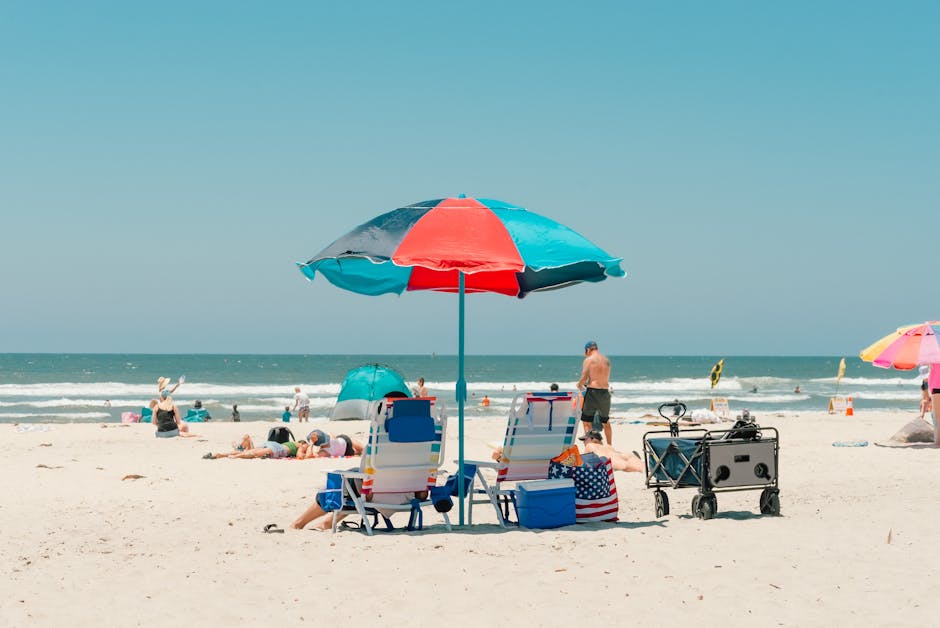
Famous beaches draw large crowds. Instead of fighting for space at hotspots like Waikiki or Bondi, explore nearby alternatives. In Oahu, Lanikai Beach offers quieter vibes and stunning views with fewer people.
Visit mid-week when possible. Tuesdays and Wednesdays typically see fewer tourists than weekends. This applies to both domestic and international destinations.
Embrace Flexibility
Even the best plans can change. A sudden storm, ferry cancellation, or packed beach doesn’t have to ruin your day. Have a backup plan—indoor activities, a nearby café, or a scenic drive along the coast.
In the Caribbean, many islands have cultural centers or botanical gardens that offer shade and local history. In Greece, ancient ruins near the coast provide both education and relief from the heat.
Travel Light and Efficiently
Islands often involve multiple transfers—flights, ferries, shuttles. Pack only what you need. A carry-on suitcase or large backpack is easier to manage than checked bags, especially when navigating narrow docks or uneven paths.
Use packing cubes to organize clothes and gear. This keeps your bag tidy and makes it easy to find items without unpacking everything. Roll clothes instead of folding to save space and reduce wrinkles.
Minimize Electronics
While phones and cameras are useful, too many devices add weight and distraction. Bring only what’s necessary—phone, portable charger, and maybe a waterproof camera. Leave laptops and tablets at home unless required for work.
Invest in a waterproof phone case or dry bag. Sand and saltwater can damage electronics quickly. In destinations like the Maldives or Tahiti, many resorts offer secure storage for valuables while you swim.
Know the Local Rules and Regulations
Some beaches prohibit alcohol, glass containers, or drones. In national parks like those in Hawaii or New Zealand, permits may be required for certain activities. Check local guidelines before arriving.
Fines for littering or damaging coral can be steep. In the Great Barrier Reef Marine Park, penalties exceed $1,000 AUD for harmful behavior. Awareness prevents costly mistakes.
Understand Beach Access Rights
In many countries, beaches are public property up to the high-tide line. However, private resorts may restrict access beyond certain points. In Florida, for example, the public can walk along the shore but not cross private dunes.
When in doubt, ask a lifeguard or local official. They can clarify boundaries and help you enjoy the beach legally and respectfully.
Make the Most of Your Island Experience
Beyond sunbathing, explore what makes each island unique. Take a guided nature walk, try local cuisine, or join a cultural event. In Bali, sunrise yoga on the beach combines wellness with stunning views. In the Azores, whale watching tours offer unforgettable wildlife encounters.
Support local businesses. Buy souvenirs from artisans, eat at family-run restaurants, and hire local guides. This enriches your experience and contributes to sustainable tourism.
Capture Memories Responsibly
Photography enhances travel memories, but avoid intrusive shots of people or sacred sites. Always ask permission before photographing locals, especially in indigenous communities.
Use natural light and avoid flash when possible. Early morning and golden hour provide the best conditions for beach photos without harsh shadows.
Prepare for the Return Home
Don’t wait until the last minute to pack up. The night before departure, gather all gear, charge devices, and confirm transportation. This reduces morning stress and prevents forgotten items.
Clean and dry all beach equipment before packing. Sand and moisture can damage bags and clothing. A quick rinse of snorkel gear or sandals extends their lifespan.
Reflect and Reset
Take time to unwind after returning. Jet lag and travel fatigue are real. Stay hydrated, rest, and ease back into routines gradually. This helps preserve the calm you found on your beach days.
Share your experience with friends or on social media—but avoid over-posting during the trip. Being present enhances enjoyment more than constant updates.
Frequently Asked Questions
What should I pack for a beach day on a remote island?
Bring essentials like sunscreen, water, snacks, a first-aid kit, and a reusable bag. Include a map, flashlight, and emergency contact info. Pack light but prepare for limited services.
How can I avoid crowds at popular beaches?
Visit early in the morning, go mid-week, or choose lesser-known beaches nearby. Research alternatives before you arrive and use local insights to find hidden gems.
Is it safe to swim at any beach?
Not always. Check for warning flags, rip currents, and local advisories. Swim near lifeguard stations when possible and never go in alone. Always assess conditions before entering the water.