
Friendly Destination Guide to Split for Coastal Views
Split, Croatia’s second-largest city, blends ancient history with stunning Adriatic scenery. Nestled along a rugged coastline, it offers panoramic sea vistas, cliffside promenades, and easy access to nearby islands. Whether you’re strolling through Diocletian’s Palace or hiking Marjan Hill, coastal views are never far away. This guide highlights the best spots, hidden gems, and practical tips to make the most of Split’s shoreline beauty—without the tourist crowds.
Why Split Stands Out for Coastal Views
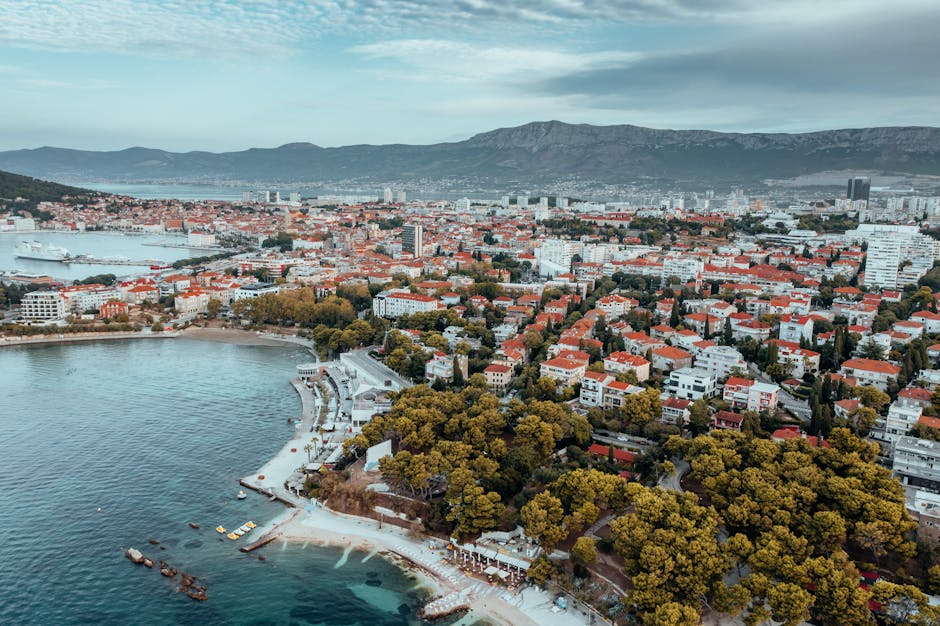
Unlike more commercialized Mediterranean destinations, Split balances authenticity with accessibility. The city’s natural harbor, framed by limestone hills and pine forests, creates a dramatic backdrop for daily life and sightseeing. Its compact size means you’re rarely more than a 15-minute walk from the water.
Compared to Dubrovnik’s walled heights or Hvar’s island glamour, Split feels grounded and lived-in. You’ll find fishermen mending nets beside luxury yachts, and locals sipping espresso with views of the open sea. This blend of tradition and natural beauty makes it ideal for travelers seeking both culture and coastal serenity.
Top Coastal Viewpoints in Split
Split rewards those who explore beyond the main squares. While the Riva waterfront is iconic, several lesser-known spots offer equally breathtaking—and often quieter—perspectives.
Marjan Hill: The City’s Green Lung
Rising 178 meters above the city, Marjan Hill is Split’s most beloved natural landmark. A network of shaded trails leads to multiple lookout points, each offering a different angle of the harbor and surrounding islands.
The western summit provides the best sunset views, with the Kaštela Riviera glowing in the distance. Bring water and wear sturdy shoes—the paths can be steep and rocky. Early morning visits offer crisp light and fewer people.
Bacvice Beach: Urban Meets Shoreline
Just a 10-minute walk from the historic center, Bacvice is Split’s most famous urban beach. While it gets busy in summer, the long pebble stretch and shallow waters make it perfect for a midday dip.
Walk east along the shore toward the fishing port for quieter spots and better photo opportunities. The view of the city skyline from the water—especially at golden hour—is unmatched.
Kašjuni Beach: Secluded and Serene
Tucked beneath Marjan’s southern slopes, Kašjuni feels worlds away from the city center. Accessed via a short trail or a downhill walk from the hilltop, this pebble beach has crystal-clear water and minimal facilities.
It’s popular with locals but rarely crowded. Arrive before 10 a.m. to secure a good spot. The surrounding pine trees provide natural shade, and the view of the open Adriatic is unobstructed.
Znjan Beach: Local Favorite with a View
Located about 3 kilometers southeast of the center, Znjan is where Split residents go to relax. The beach has a mix of pebbles and sand, with clear water and a gradual slope—ideal for families.
Walk to the eastern end for a quiet stretch and a view of the Brač coastline. There are small cafes and showers, but no major tourist infrastructure. It’s best reached by bike or local bus.
Best Times to Visit for Coastal Views
Timing can dramatically affect your experience of Split’s coastline. Summer offers long days and warm water, but also peak crowds and haze that can obscure distant views.
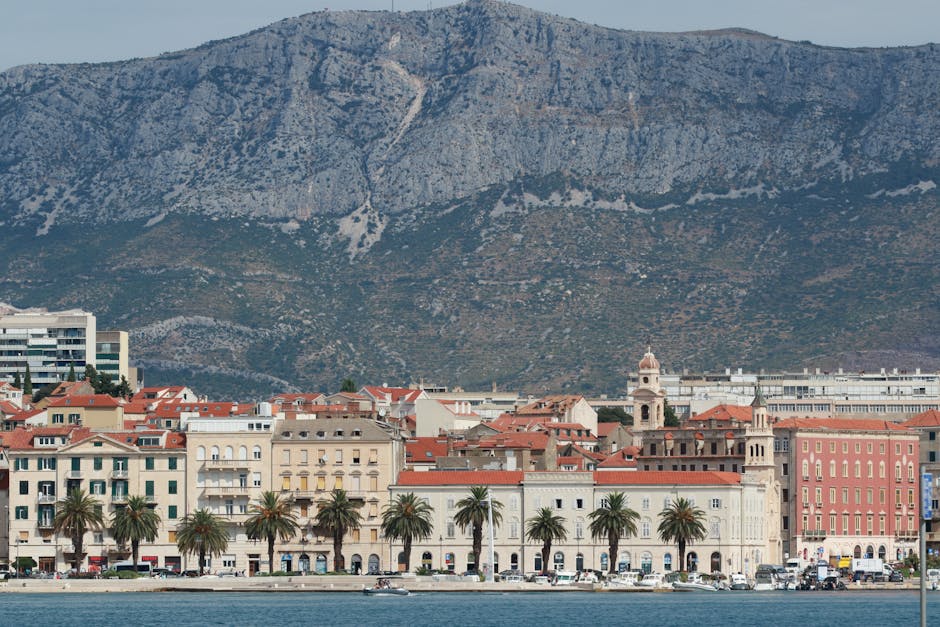
Late spring (May–June) and early autumn (September–October) provide the best balance. The light is softer, the sea is still warm, and the viewpoints are less congested. Sunrise and sunset offer the most dramatic lighting, especially from elevated spots like Marjan.
Sunrise Spots
For early risers, the eastern edge of Marjan Hill offers a front-row seat to the sun rising over the islands. The path from the Jazine entrance is well-marked and safe. Bring a headlamp if arriving before dawn.
The viewpoint near the Marjan Observatory is particularly photogenic, with the city waking up below and the sea shimmering in the first light.
Sunset Spots
The western side of Marjan is the go-to for sunset. The trail from the Sustipan Monastery leads to a grassy plateau with 180-degree views. Arrive 30 minutes early to claim a spot.
Alternatively, head to the Riva promenade near the ferry terminal. The reflection of the sun on the water, combined with the silhouette of the palace, creates a classic Split moment.
How to Explore Split’s Coastline Responsibly
Split’s natural beauty is fragile. Over-tourism has led to erosion on some trails and litter on remote beaches. Responsible travel ensures these views remain intact for future visitors.
Stick to marked paths on Marjan Hill. Avoid stepping on vegetation or disturbing wildlife. Pack out all trash—there are limited bins on the trails.
Use reef-safe sunscreen to protect marine life. Many local dive shops and eco-groups promote this practice, and it’s increasingly expected by environmentally conscious travelers.
Nearby Coastal Gems Within Day Trip Distance
Split’s location makes it a perfect base for exploring the Dalmatian coast. Several nearby destinations offer even more dramatic coastal scenery.
Šolta Island: Quiet and Authentic
A 45-minute ferry ride from Split, Šolta retains a traditional fishing village feel. The island’s western coast has secluded coves and olive groves sloping down to the sea.
Visit Maslinica for its harbor views and waterfront konobas (taverns). Rent a scooter to explore the island’s rugged coastline at your own pace.
Brač Island: Iconic Beaches and Cliffs
Home to the famous Zlatni Rat (Golden Horn) beach, Brač offers some of the Adriatic’s most photographed coastal scenery. The beach shifts shape with the wind, creating a dynamic landscape.
Beyond the beach, the island’s southern cliffs near Sumartin provide panoramic views of the open sea. Hike the trail from Povlja for a less crowded experience.
Vis Island: Remote and Rugged
The farthest of the nearby islands, Vis requires a 2-hour ferry or a speedboat transfer. Its isolation has preserved its natural beauty and slow pace of life.
The village of Komiža offers dramatic cliff walks and views of the open Adriatic. The Blue Cave on the nearby islet of Biševo is a must-see, though boat tours can be crowded in summer.
Practical Tips for Coastal View Seekers
Getting the most out of Split’s coastline requires a bit of planning. Here’s what locals and seasoned travelers recommend.
Transportation
Walking is the best way to explore the city center and nearby beaches. For farther spots like Znjan or the ferry terminals, use the local bus (lines 6, 8, and 12) or rent a bike.
Ferries to the islands depart from the main port. Buy tickets in advance during peak season. Jadrolinija is the main operator, with schedules posted online.
Packing Essentials
Bring a reusable water bottle—Split has excellent public fountains. A lightweight scarf or hat helps against sun and wind, especially on hilltops.
Comfortable footwear is non-negotiable. Many coastal paths are uneven or rocky. Flip-flops won’t cut it on Marjan’s trails.
Safety and Etiquette
Swim only in designated areas. Some rocky coves have strong currents or hidden drop-offs. Always check local signs.
Respect quiet zones on beaches and trails. Loud music and large groups can disturb both wildlife and residents. Keep voices low, especially in the early morning or evening.
Where to Eat with a View
Dining with a coastal backdrop enhances any meal. Split has several spots where the view is as memorable as the food.
Konoba Matejuška
Located in the Matejuška harbor, this family-run tavern serves fresh seafood with a view of bobbing boats. Try the grilled octopus or black risotto. Reservations are recommended.
Zrno Soli
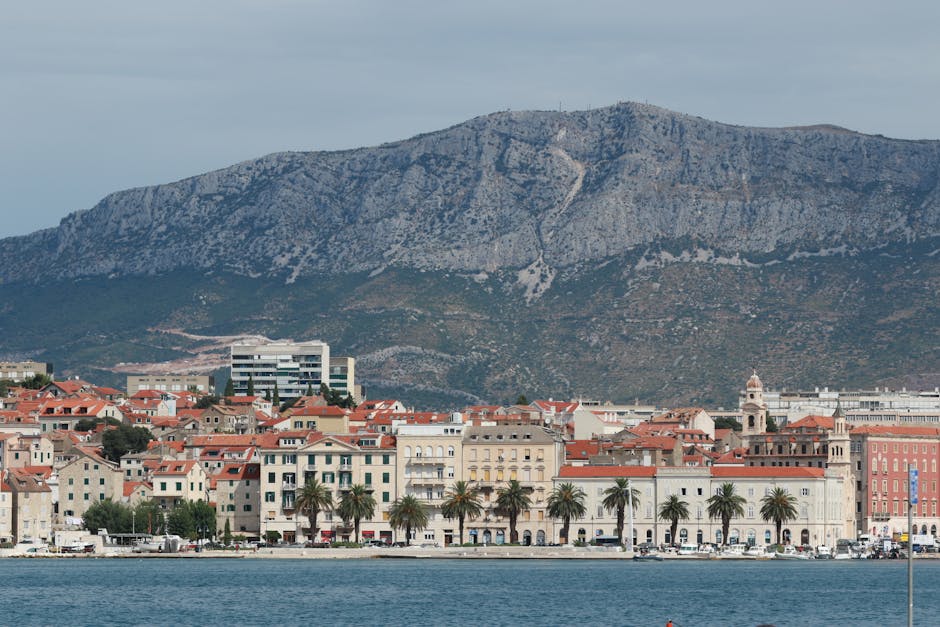
A modern bistro on the Riva, Zrno Soli offers Mediterranean dishes with a creative twist. The outdoor seating faces the sea, making it ideal for a sunset dinner.
Konoba Varos
Tucked in the Varos neighborhood, this spot blends traditional Dalmatian cuisine with a rooftop terrace. The view of the city and sea from above is stunning, especially at night.
Photography Tips for Coastal Views
Capturing Split’s coastline requires attention to light and composition. The Adriatic’s clarity and the city’s geometry offer endless opportunities.
Use a polarizing filter to reduce glare on the water and enhance sky contrast. Shoot during the golden hour for warm, soft light that flatters both sea and stone.
Include foreground elements like rocks, boats, or palm trees to add depth. The reflection of the city in the harbor at dusk makes for a compelling shot.
Common Mistakes to Avoid
Many visitors miss the best views by sticking to the obvious spots. The Riva is beautiful, but it’s often crowded and lacks elevation.
Don’t underestimate the heat. Summer temperatures can exceed 35°C (95°F), especially on exposed trails. Start early and carry water.
Avoid planning too many island trips in one day. Ferries can be delayed, and rushing diminishes the experience. Pick one or two destinations and savor them.
Final Thoughts
Split’s coastal views are more than postcard scenery—they’re woven into the city’s daily rhythm. From fishermen’s harbors to hilltop lookouts, the sea is always present.
By exploring beyond the main attractions and respecting the local environment, you’ll discover a side of Split that feels both timeless and alive. Whether you’re here for a weekend or a week, the coastline will leave a lasting impression.
FAQ
What is the best time of day to see coastal views in Split?
Sunrise and sunset offer the most dramatic lighting. Early morning provides clear skies and fewer crowds, while sunset casts a golden glow over the sea and city. Midday can be hazy in summer.
Are there free coastal viewpoints in Split?
Yes. Marjan Hill, Bacvice Beach, and Kašjuni Beach are all free to access. No permits or fees are required for hiking or swimming in these areas.
Can I see coastal views without leaving the city center?
Absolutely. The Riva promenade, Diocletian’s Palace cellars, and the walkway near the ferry terminal all offer sea views within a 10-minute walk of the main square.