
Beach and Island Travel Destinations for Clear Waters
Clear, turquoise waters are a hallmark of the world’s most breathtaking beach and island destinations. Whether you’re snorkeling among vibrant coral reefs, lounging on powdery white sand, or kayaking through calm lagoons, water clarity can make or break a tropical getaway. This guide highlights top beach and island travel destinations for clear waters, focusing on locations where visibility exceeds 30 feet and marine life thrives. From the Caribbean to Southeast Asia, these spots offer unforgettable experiences for swimmers, divers, and sunseekers alike.
Why Water Clarity Matters in Beach Travel
Water clarity directly affects your experience at the beach. Clear waters enhance safety, especially for families with children, by allowing you to see underwater hazards like rocks or strong currents. For snorkelers and divers, visibility determines how much of the underwater world you can enjoy—coral formations, fish species, and shipwrecks are only visible in pristine conditions.
Pollution, sediment runoff, and algae blooms can reduce clarity. That’s why choosing destinations with protected marine environments or low tourist density often leads to better water quality. Locations with coral reefs also tend to have clearer water, as healthy reefs filter particles and support balanced ecosystems.
Top Global Destinations for Crystal-Clear Waters
The Maldives: A Paradise of Transparency
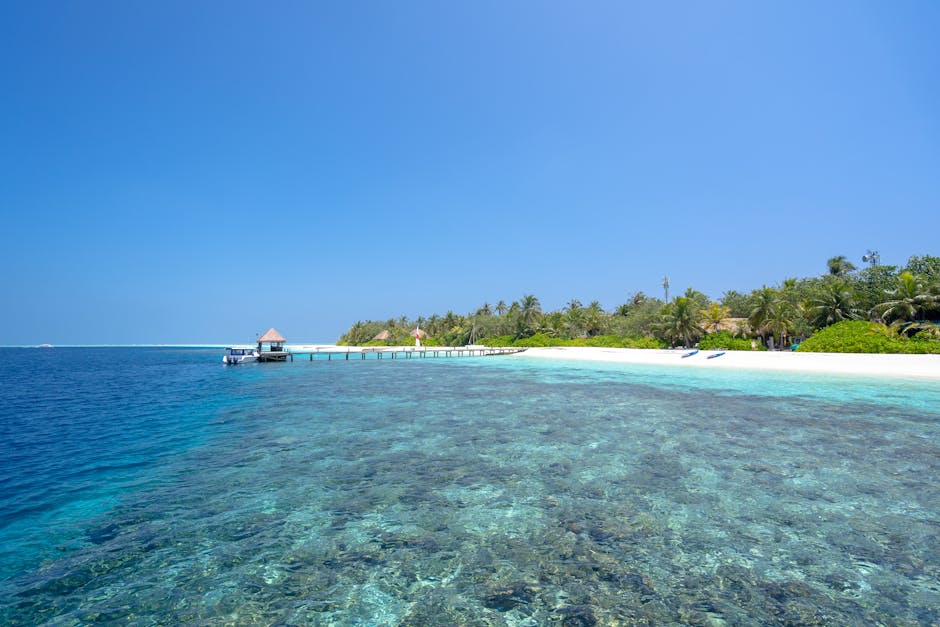
The Maldives consistently ranks among the best beach and island travel destinations for clear waters. With visibility often exceeding 100 feet, its atolls offer some of the most transparent seas on Earth. The shallow lagoons and protected marine reserves minimize sediment disturbance, preserving water clarity year-round.
Resorts like Soneva Fushi and Gili Lankanfushi provide direct access to house reefs where guests can snorkel alongside manta rays and reef sharks. The dry season from November to April offers the calmest seas and best visibility. Travelers should book early, as overwater villas fill quickly during peak months.
Palawan, Philippines: Nature’s Aquarium
Palawan’s El Nido and Coron regions are renowned for their emerald lagoons and glass-like waters. The area’s limestone karsts act as natural breakwaters, reducing wave action and keeping sediment low. Snorkeling at Big Lagoon or diving at Barracuda Lake reveals vibrant coral gardens in waters so clear you can see down 60 feet.
Tourism is carefully managed to prevent overcrowding. Visitors must obtain an environmental certificate and follow strict guidelines to protect the fragile ecosystem. While typhoons can affect travel from June to October, the dry season from November to May delivers ideal conditions.
Bonaire, Caribbean: A Diver’s Haven
Bonaire, part of the ABC islands in the southern Caribbean, is a protected marine park with some of the clearest waters in the region. Its location outside the hurricane belt ensures stable weather and minimal storm runoff. The island’s “shore diving” policy allows divers to enter the water directly from the beach, with visibility often reaching 100 feet.
The Bonaire National Marine Park enforces no-anchor zones and limits boat traffic, preserving water quality. Popular dive sites like Karpata and Salt Pier offer schools of tropical fish, sea turtles, and healthy staghorn coral. Even non-divers will appreciate the calm, clear shallows perfect for swimming and paddleboarding.
Milne Bay, Papua New Guinea: Remote and Pristine
For travelers seeking untouched beauty, Milne Bay offers some of the clearest waters in the Pacific. This remote region is home to over 60% of the world’s coral species and visibility that regularly exceeds 130 feet. The lack of mass tourism and strong conservation efforts keep the waters exceptionally clear.
Liveaboard dive trips are the best way to explore the area, with sites like the Conflict Group and D’Entrecasteaux Islands offering muck diving alongside reef exploration. Access requires planning—flights from Port Moresby are limited—but the reward is an uncrowded underwater paradise.
Anse Source d’Argent, Seychelles: Iconic Clarity
Located on La Digue Island, Anse Source d’Argent is famous for its granite boulders, pink sand, and impossibly clear shallow waters. The protected bay limits wave action, creating a calm environment ideal for swimming and photography. Visibility here averages 50–80 feet, with sunlight penetrating deeply to illuminate the seabed.
While the beach can get crowded, early morning visits offer solitude and better light for underwater shots. Nearby islands like Île Cocos and Grand Anse provide quieter alternatives with equally clear waters. The Seychelles’ strict environmental policies help maintain water quality across its archipelago.
How to Choose the Best Clear-Water Destination for You
Not all clear-water destinations suit every traveler. Consider your priorities: Are you diving, snorkeling, or simply relaxing? Do you prefer luxury resorts or eco-friendly lodges? Climate and travel logistics also play a role.
For families, calm, shallow waters like those in the Maldives or Bonaire are ideal. Adventure seekers might prefer Milne Bay or Palawan for their rich marine biodiversity. Couples looking for romance may favor the Seychelles’ scenic beauty. Always check seasonal weather patterns—peak clarity often aligns with dry seasons.
Compare Visibility and Accessibility
Water clarity varies by location and time of year. The Maldives and Bonaire offer consistently high visibility, while destinations like Palawan can fluctuate during monsoon months. Use dive shop reports and traveler reviews to gauge current conditions before booking.
Accessibility matters too. The Maldives requires a seaplane transfer, which adds cost but ensures exclusivity. Bonaire is reachable via direct flights from the U.S., making it more convenient for short trips. Remote locations like Milne Bay demand more time and budget but deliver unmatched solitude.
Evaluate Environmental Impact
Clear waters often result from strong conservation. Choose destinations with marine protected areas, sustainable tourism practices, and low plastic use. The Seychelles and Bonaire lead in eco-certifications, while Palawan has faced challenges with overtourism in recent years.
Support local efforts by avoiding single-use plastics, using reef-safe sunscreen, and respecting wildlife. Some islands, like those in the Maldives, ban oxybenzone-based sunscreens to protect coral. Always follow local guidelines to help preserve these fragile ecosystems.
Tips for Maximizing Your Clear-Water Experience
Even in the clearest waters, preparation enhances your trip. Pack a waterproof camera or GoPro to capture underwater scenes. Bring a snorkel mask with a purge valve for easy clearing, and consider a full-face mask if you’re not comfortable with traditional gear.
Early mornings often offer the calmest seas and best visibility. Midday sun increases glare, making it harder to see underwater. Avoid touching coral or stirring up sand, which can cloud the water and damage marine life.
What to Pack for Clear-Water Beaches
- Reef-safe sunscreen (SPF 30+)
- UV-protective rash guard
- Anti-fog snorkel mask
- Water shoes for rocky shores
- Dry bag for electronics
Many resorts rent gear, but bringing your own ensures a proper fit. Water shoes protect your feet on sharp coral or hot sand, while a dry bag keeps phones and cameras safe during boat trips.
Safety Considerations in Clear Waters
Clear water can create a false sense of security. Strong currents, rip tides, and sudden depth changes still pose risks. Always check local conditions and heed warning flags. Swim near lifeguard stations when possible, and avoid swimming alone.
Marine life, while beautiful, can be dangerous. Avoid touching jellyfish, sea urchins, or unfamiliar fish. If you’re diving, get certified and dive with a guide—especially in remote areas like Milne Bay where emergency services are limited.
Sustainable Travel for Clearer Waters
Tourism impacts water clarity. Overdevelopment, sewage discharge, and boat anchors can degrade marine environments. Choose eco-certified accommodations and tour operators that prioritize sustainability.
Support local conservation by participating in beach cleanups or citizen science programs. In the Maldives, some resorts offer coral planting activities for guests. In Palawan, community-based tourism helps fund marine protection.
Travel during off-peak seasons when possible. Fewer visitors mean less strain on local infrastructure and better water quality. You’ll also enjoy lower prices and more personal experiences.
When to Visit for Optimal Clarity
Timing is key. Most clear-water destinations have a dry season with calm seas and minimal rainfall. In the Caribbean, this runs from December to April. In Southeast Asia, it’s typically November to March. The Indian Ocean islands, including the Maldives and Seychelles, see peak clarity from January to April.
Avoid hurricane and monsoon seasons. Heavy rains increase runoff, clouding the water and increasing the risk of storms. Check historical weather data and consult local tourism boards for the most accurate forecasts.
Even within peak seasons, conditions vary. Weekly weather reports and dive shop updates can help you choose the best week for your trip. Flexibility in travel dates often leads to better deals and clearer waters.
Hidden Gems for Clear Waters
Beyond the famous spots, lesser-known islands offer equally clear waters with fewer crowds. Consider:
Koh Rong, Cambodia: With visibility up to 80 feet, this island features pristine beaches and vibrant coral reefs. Accessible by ferry from Sihanoukville, it’s ideal for backpackers and eco-tourists.
Isla Holbox, Mexico: This car-free island in the Yucatán has shallow, clear lagoons perfect for swimming with whale sharks (May–September). The lack of development preserves water quality and local charm.
Taveuni, Fiji: Known as the “Garden Island,” Taveuni offers clear waters and world-class diving at the Rainbow Reef. The island’s remote location and strong community stewardship protect its marine environment.
Final Thoughts on Choosing Your Destination
Clear waters define the best beach and island travel experiences. Whether you’re drawn to the luxury of the Maldives, the adventure of Papua New Guinea, or the charm of the Caribbean, prioritize destinations with strong environmental protections and reliable visibility.
Research thoroughly, travel responsibly, and respect local ecosystems. The clearest waters are not just a visual delight—they’re a sign of a healthy, thriving environment worth preserving for future travelers.
FAQ
What causes clear water at beaches and islands?
Clear water results from low sediment, minimal pollution, and healthy marine ecosystems. Protected areas, coral reefs, and calm seas contribute to high visibility.
Which month is best for clear water travel?
The dry season varies by region: December–April in the Caribbean and Maldives, November–March in Southeast Asia. Avoid monsoon and hurricane seasons.
Are clear-water destinations safe for swimming?
Generally yes, but always check for currents, marine life, and local warnings. Clear water improves visibility but doesn’t eliminate hazards like rip tides or sharp coral.