
Food and Culinary Travel Trips for Cheese Lovers
Cheese is more than a topping or snack—it’s a cultural cornerstone in many regions, with centuries-old traditions shaping unique flavors and textures. For food lovers, exploring the world through its cheeses offers an authentic taste of place. Food and culinary travel trips for cheese lovers combine hands-on experiences, expert tastings, and visits to artisan dairies, turning a simple interest into a rich, sensory journey. Whether you’re sampling aged Manchego in Spain or learning to stretch mozzarella in Italy, these trips deepen your appreciation for craftsmanship and terroir.
Why Cheese-Centric Travel Is Worth Your Time
Cheese reflects geography, climate, and local heritage in ways few foods can match. A wheel of Comté from the Jura Mountains carries the essence of alpine pastures, while creamy Brie de Meaux tells the story of French monastic traditions. Traveling to meet cheesemakers offers insight into sustainable farming, animal husbandry, and time-honored techniques.
Unlike generic food tours, cheese-focused trips often include behind-the-scenes access. You might watch a cheesemaker ladle curds into molds, taste fresh chèvre straight from the vat, or join a foraging walk for wild herbs used in rind development. These moments create lasting memories and a deeper connection to what you eat.
Top Destinations for Cheese Lovers
France: The Birthplace of Terroir
France is synonymous with cheese excellence, boasting over 1,000 varieties and a protected designation system (AOC/AOP) that safeguards regional authenticity. The Auvergne region is ideal for fans of firm, earthy cheeses like Salers and Cantal, often made from raw milk and aged in stone caves.
In Normandy, dairy-rich pastures support the production of Camembert de Normandie, best experienced at family-run farms near Pont-l’Évêque. Many producers offer half-day workshops where visitors milk cows, shape cheese, and enjoy a rustic lunch paired with local cider.
Italy: From Alpine Grana to Southern Burrata
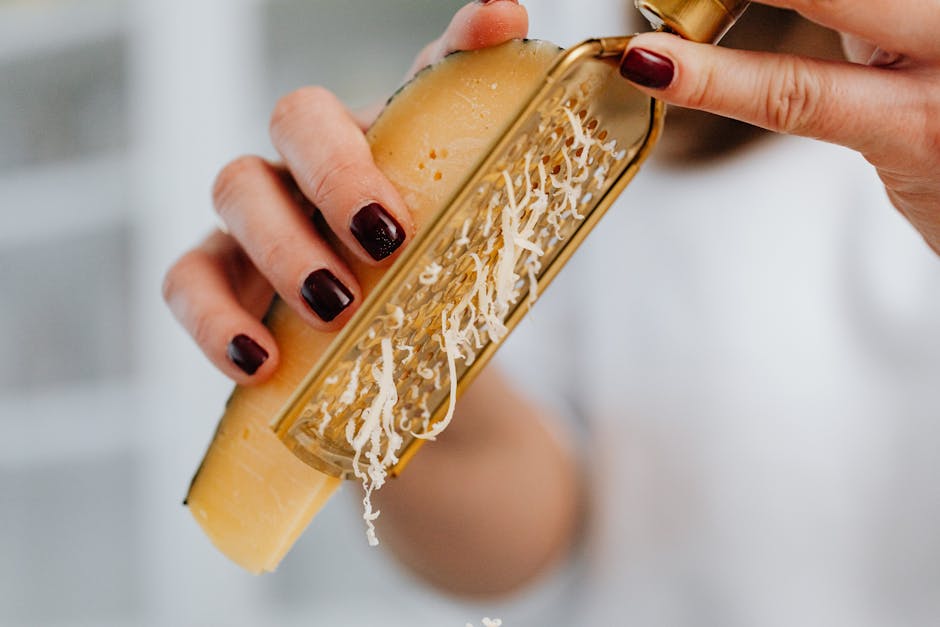
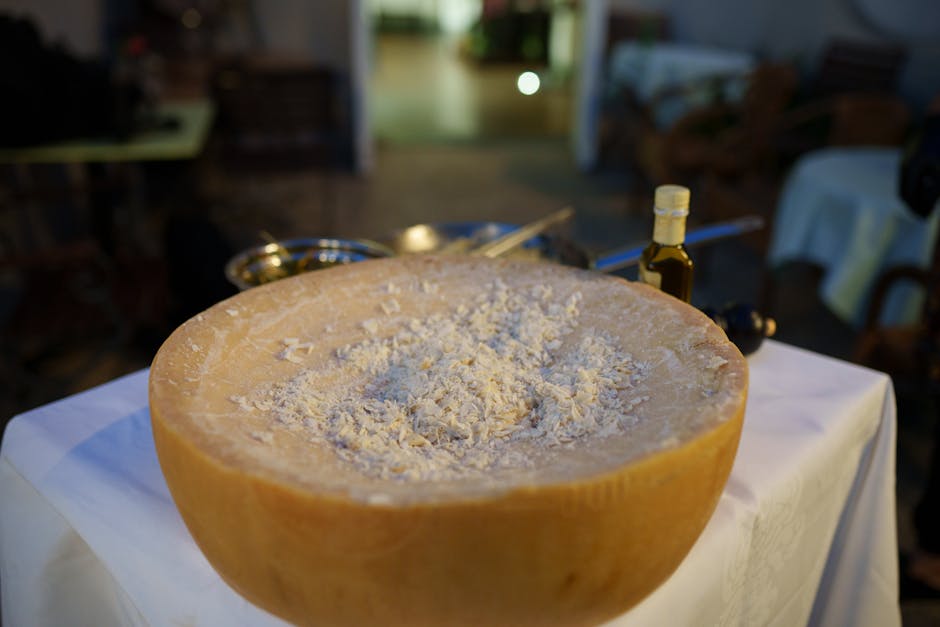
Italy’s cheese diversity mirrors its regional cuisines. In the north, the Piedmont and Lombardy regions produce Parmigiano Reggiano and Grana Padano—hard cheeses aged for years and grated over pasta or enjoyed with pear and honey.
Head south to Puglia for burrata, a fresh, creamy delicacy best eaten within hours of production. Towns like Andria host burrata festivals in summer, featuring live demonstrations and farm-to-table feasts. In Sicily, don’t miss pecorino siciliano, a sheep’s milk cheese often smoked or infused with saffron.
Spain: Bold Flavors and Mountain Traditions
Spain’s cheese scene blends Moorish influences with rugged mountain culture. La Mancha is home to Manchego, a firm, nutty sheep’s milk cheese often served with quince paste. Many dairies in the region welcome visitors for tastings and tours, some dating back to the 1800s.
In the Pyrenees, artisans craft Idiazábal, a smoked cheese made from raw sheep’s milk. The nearby Basque Country offers txistorra (spiced sausage) and Idiazábal pairings in cozy mountain inns. Look for agriturismos—rural guesthouses—that include cheese-making demos in their stays.
Switzerland: Alpine Craftsmanship and Fondue Culture

Swiss cheese travel often centers on the Alps, where cows graze on high-altitude grasses rich in wildflowers. Emmental and Gruyère are the stars here, both produced in copper vats using methods unchanged for generations.
Many alpine dairies (alpages) operate seasonally, opening to tourists from June to September. Visitors can hike to these remote huts, watch the milking process, and enjoy a pot of fondue made with locally aged cheese. The village of Gruyères offers a dedicated cheese museum and factory tours with tastings.
United Kingdom: Revival of Artisan Dairies
Once known mainly for Cheddar and Stilton, the UK has seen a renaissance in farmhouse cheesemaking. The West Country remains the heart of traditional Cheddar production, with caves in Cheddar Gorge used for aging since the 12th century.
In Scotland, Isle of Mull’s Hebridean cheeses blend sheep and cow milk for complex, buttery results. Wales offers Caerphilly, a crumbly, citrusy cheese once favored by miners. Many small dairies now offer weekend retreats with cheese pairing dinners and foraging walks.
How to Choose the Right Cheese Tour
Consider Your Travel Style
Are you looking for luxury or authenticity? High-end operators like Epicurean Expeditions offer private tastings with affineurs and stays at boutique inns. Budget-friendly options include self-guided agritourism routes, such as Italy’s Strada del Formaggio or France’s Route du Fromage.
Families may prefer interactive experiences—think goat milking in Vermont or cheese sculpting in Wisconsin. Solo travelers might enjoy small-group tours with like-minded foodies, often led by local chefs or food historians.
Timing Matters
Cheese production follows seasonal rhythms. In alpine regions, summer is peak season when cows are on high pasture, yielding milk with complex flavors. Winter tours focus on aged cheeses and indoor aging cellars.
Avoid major holidays when dairies may be closed. In France, August sees many producers on vacation. In Switzerland, some alpages close by early October. Check regional calendars and book tastings in advance.
Look for Educational Depth
The best tours go beyond sampling. Seek experiences that explain the science of fermentation, the role of bacteria and molds, and how aging affects texture and taste. Some dairies offer short courses on affineur techniques—turning, brushing, and humidity control.
Ask whether the tour includes a meet-and-greet with the cheesemaker. Personal stories add context and make the experience more meaningful than a standard factory visit.
What to Expect on a Cheese-Focused Culinary Trip
Typical Itinerary Elements
Most multi-day cheese tours include 3–5 dairy visits, a cheese and wine pairing dinner, and a market tour. In Italy, you might start in Parma for Parmigiano, then head to Modena for balsamic vinegar pairings. In France, a Loire Valley tour could feature goat cheeses, Sauvignon Blanc, and château visits.
Many tours incorporate cooking classes. Learn to make ricotta from whey, or prepare a traditional cheese board with local charcuterie and fruit preserves. These hands-on sessions reinforce what you’ve learned and give you skills to take home.
Transportation and Logistics
Group tours typically provide transport between sites, often in minibuses with refrigerated compartments for cheese purchases. Self-drive itineraries require planning—some dairies are remote and accessible only by narrow roads.
If you’re flying, check airline policies on transporting cheese. Hard, aged cheeses are usually allowed in carry-on luggage, but soft cheeses may be flagged. Vacuum-sealed packaging helps, and declaring items at customs avoids issues.
Packing Tips for Cheese Travelers
Bring a small cooler bag for purchases, especially if traveling between multiple dairies. Reusable wax paper or beeswax wraps keep cheese fresh longer than plastic. A compact cheese knife and tasting notebook enhance the experience.
Wear comfortable shoes—many dairies involve walking through barns or cellars. Layers are wise, as aging rooms can be chilly. And don’t forget a camera: the textures, colors, and craftsmanship are worth documenting.
Safety and Etiquette Tips
Respect farm rules: wash hands before tastings, don’t touch equipment unless invited, and ask before photographing people. Some dairies prohibit raw milk tastings due to health regulations—don’t be offended if samples are limited.
If you have dietary restrictions, inform your tour operator in advance. Many cheeses contain lactose, though aged varieties like Parmigiano are naturally low. Vegan options are rare on traditional tours, but some regions now offer plant-based alternatives.
Sustainable and Ethical Considerations
Support dairies that prioritize animal welfare and environmental stewardship. Look for certifications like organic, pasture-raised, or biodynamic. Smaller farms often use traditional breeds and avoid antibiotics, resulting in higher-quality milk.
Avoid over-purchasing. While it’s tempting to buy every cheese you taste, remember that many don’t travel well. Focus on a few standout pieces and enjoy them within a week of return. Sharing with friends extends the experience.
Beyond Europe: Emerging Cheese Destinations
New Zealand and Australia have developed strong artisan cheese scenes, with producers in Tasmania and the Waikato region winning international awards. Try aged Gouda-style cheeses or blue veins made from cow’s milk.
In the U.S., Vermont and Wisconsin lead in farmhouse production. The Green Mountain State hosts an annual cheese trail with over 30 stops, including Cabot Clothbound Cheddar and Jasper Hill’s award-winning blues. California’s Central Coast offers goat cheeses and wine pairings in scenic settings.
Creating Your Own Cheese Road Trip
You don’t need a guided tour to explore cheese regions. Start by mapping dairies along your route using resources like Slow Food guides or local tourism boards. Book visits ahead—many require appointments.
Pair your trip with local food events. France’s Fête du Fromage in Bra, Italy’s Cheese Festival in Bra (yes, same name!), and the American Cheese Society conference offer networking and tasting opportunities. These events often feature rare or experimental cheeses not available elsewhere.
Final Thoughts
Food and culinary travel trips for cheese lovers offer more than great flavors—they connect you to people, landscapes, and traditions. Whether you’re sipping wine with a wheel of aged Pecorino in Sardinia or learning to press Cheddar in Somerset, these journeys deepen your understanding of food as culture.
Start small. Pick one region, book a two-day tour, and let your taste buds guide you. The world of cheese is vast, but every journey begins with a single bite.
FAQ
Q: Can I bring cheese back on a plane?
A: Yes, but rules vary. Hard, aged cheeses are generally allowed in carry-on luggage. Soft cheeses may be restricted. Always check TSA or your airline’s guidelines and declare items at customs.
Q: Are cheese tours suitable for children?
A: Many are, especially those with interactive elements like milking or shaping cheese. Check with the provider for age recommendations and activity levels.
Q: Do I need to speak the local language to enjoy a cheese tour?
A: Not necessarily. Most guided tours in tourist areas offer English-speaking guides. Self-guided visits may require basic phrases, but many dairies welcome visitors with visual tours and sample boards.