
Top Food and Culinary Travel Trips for Culture Lovers
For travelers who see food as a gateway to culture, the world offers some of the most immersive experiences imaginable. From street food tours in Bangkok to wine tastings in Tuscany, culinary journeys reveal the soul of a place through flavor, tradition, and community. These trips go beyond dining—they connect you with local farmers, chefs, and families who preserve centuries-old recipes. Whether you’re sampling mole in Oaxaca or learning to make fresh pasta in Bologna, food-focused travel deepens your understanding of a destination in ways sightseeing alone never could.
Why Food Travel Matters for Cultural Understanding
Food is more than sustenance—it’s history on a plate. Every dish carries stories of migration, trade, climate, and belief. When you eat a steaming bowl of pho in Hanoi or share a communal meal in a Moroccan riad, you’re participating in living traditions. These experiences foster empathy and curiosity, helping you connect with people across language barriers.
Culinary travel also supports local economies. By choosing family-run eateries, visiting farmers’ markets, or joining cooking classes, you contribute directly to communities. This form of tourism values authenticity over mass production, encouraging sustainable practices and cultural preservation.
Top Destinations for Food and Culture Immersion
Japan: A Harmony of Flavor and Tradition
Japan’s culinary scene blends precision, seasonality, and deep respect for ingredients. In Kyoto, participate in a kaiseki dinner—a multi-course meal that reflects the aesthetics of Japanese tea ceremony. Each dish is a work of art, often featuring locally foraged herbs and seafood from nearby waters.
Visit Tokyo’s Tsukiji Outer Market for a morning of fresh sushi, grilled scallops, and matcha soft serve. Then, take a sushi-making class with a master chef who explains the importance of rice temperature and fish selection. For a rural experience, stay in a ryokan in the Japanese Alps and enjoy farm-to-table meals featuring mountain vegetables and river fish.
Italy: Regional Diversity on a Plate
Italy’s food varies dramatically from north to south. In Emilia-Romagna, known as the country’s culinary heartland, learn to make fresh tagliatelle and Parmigiano-Reggiano cheese. Visit a family-run acetaia to taste aged balsamic vinegar, some aged over 25 years.
In Sicily, explore Arab-Norman influences through dishes like caponata and arancini. Join a street food tour in Palermo to sample panelle (chickpea fritters) and sfincione (Sicilian pizza). Don’t miss a cooking class in a countryside villa, where you’ll harvest tomatoes and basil before preparing a traditional feast.
Mexico: Ancient Flavors, Modern Expressions
Mexican cuisine is a UNESCO-recognized intangible cultural heritage, and nowhere is this more evident than in Oaxaca. Known for its seven moles, Oaxaca offers cooking workshops where you grind spices on a molcajete and learn the difference between mole negro and mole amarillo.
Visit a mezcal distillery in the highlands to understand the fermentation process and the cultural significance of this smoky spirit. In Mexico City, explore mercados like Mercado de la Merced, where vendors sell chapulines (grasshoppers), huitlacoche (corn fungus), and fresh tortillas made from nixtamalized corn.
Thailand: Street Food as Cultural Expression
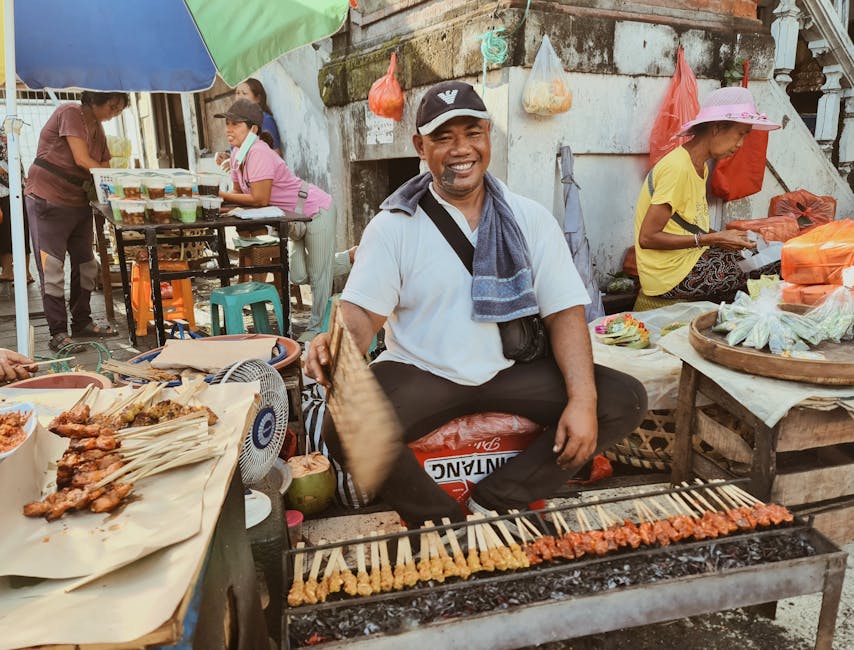
Bangkok’s street food scene is legendary, but the real magic happens in local neighborhoods. Take a guided night tour to sample pad Thai from a vendor who’s been cooking the same recipe for 30 years. Learn how balance—sweet, sour, salty, bitter—defines Thai cuisine.
Head to Chiang Mai for a temple-to-table experience. Participate in a Buddhist alms ceremony, then cook a vegetarian meal using ingredients blessed at the temple. In the countryside, join a rice farming family to harvest paddies and prepare a meal over an open fire.
Morocco: Spices, Sweets, and Shared Meals
Moroccan food is a sensory journey. In Marrakech, wander the labyrinthine souks to find saffron, preserved lemons, and argan oil. Join a cooking class in a riad courtyard, where you’ll learn to layer flavors in a tagine and bake bread in a communal oven.
Experience a traditional iftar during Ramadan, when families break their fast with dates, harira soup, and chebakia (honey cookies). In the Atlas Mountains, stay with a Berber family and share a meal of couscous and mint tea, served in a home with views of snow-capped peaks.
Peru: A Fusion of Indigenous and Global Influences
Lima is a rising star in the culinary world, blending indigenous ingredients with Spanish, African, Chinese, and Japanese techniques. Take a ceviche class to learn how to “cook” fish in lime juice and balance it with rocoto peppers and sweet potato.
Visit a chicha bar to try fermented corn beer, then explore the Sacred Valley to see how quinoa, potatoes, and corn are grown using ancient Incan methods. In Cusco, dine at a restaurant that sources ingredients from local Quechua communities, supporting fair trade and cultural preservation.
How to Plan a Meaningful Culinary Travel Experience
Research Local Food Customs
Before you go, learn about dining etiquette, meal times, and regional specialties. In Japan, it’s polite to say “itadakimasu” before eating. In Ethiopia, meals are often shared from a single platter using injera bread. Understanding these nuances shows respect and enhances your experience.
Read local food blogs, watch documentaries, or follow regional chefs on social media. This helps you identify authentic spots and avoid tourist traps that serve watered-down versions of traditional dishes.
Book Guided Food Tours with Local Experts
A knowledgeable guide can unlock experiences you’d never find alone. Look for small-group tours led by locals who share personal stories and historical context. In Istanbul, a guide might take you to a hidden meyhane (tavern) where families have gathered for generations.
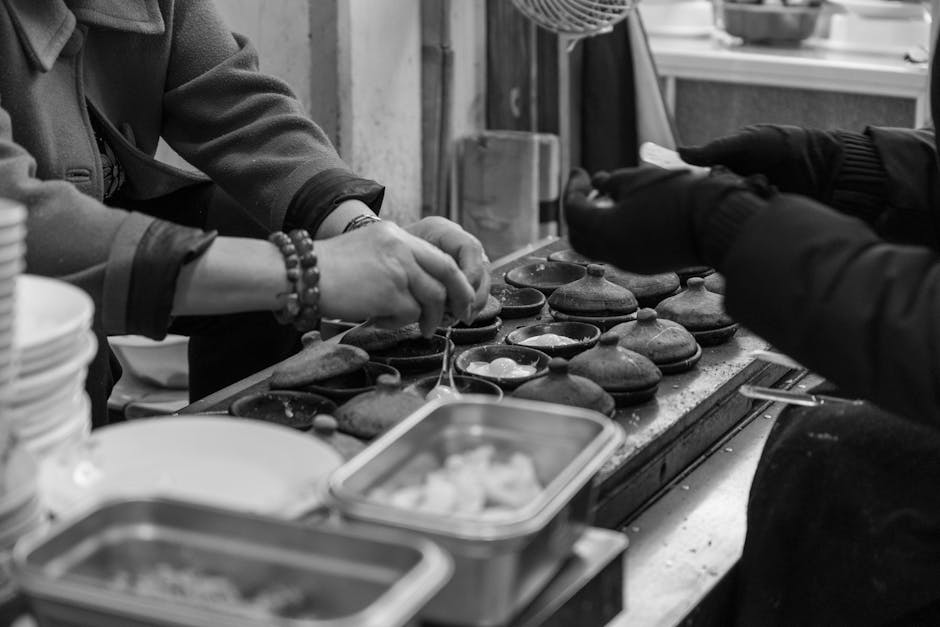
Check reviews on platforms like TripAdvisor or Withlocals, and prioritize tours that emphasize sustainability and community impact. Avoid large bus tours that prioritize speed over depth.
Take a Cooking Class
Cooking classes are one of the best ways to engage with local culture. You’ll learn techniques, taste ingredients, and often shop at markets with your instructor. In Vietnam, a class might include a visit to a floating market in the Mekong Delta.
Choose classes that focus on home cooking rather than restaurant-style dishes. These often include visits to local homes, where you can observe daily life and ask questions about family traditions.
Visit Farmers’ Markets and Food Producers
Markets are the heartbeat of a region’s food culture. In Barcelona, La Boqueria offers fresh seafood, Iberico ham, and seasonal fruits. In Marrakech, the souks sell spices, dried fruits, and handmade ceramics used in cooking.
Talk to vendors, ask about sourcing, and sample before you buy. Many producers offer tastings or small tours of their facilities, especially for items like olive oil, cheese, or chocolate.
Respect Cultural and Environmental Norms
Be mindful of local customs, especially around food. In some cultures, eating with your left hand is considered rude. In others, finishing your plate signals you’re still hungry. Observe and follow your host’s lead.
Avoid over-touristed areas where food has been adapted for foreign palates. Seek out places where locals eat, even if the menu isn’t in English. Carry a translation app or phrasebook to help with ordering.
What to Pack for a Culinary Adventure
Pack light, but include a few essentials. A reusable water bottle with a filter helps reduce plastic waste and ensures safe drinking water. Bring a small notebook to jot down recipes, vendor names, or cooking tips.
Comfortable walking shoes are a must—many food tours involve standing and walking for hours. If you have dietary restrictions, carry a card in the local language explaining your needs. For example, “I am vegetarian” in Italian is “Sono vegetariano/a.”
Consider bringing a portable spice container to take home small amounts of local seasonings. Just check customs regulations to avoid issues at borders.
Common Mistakes to Avoid
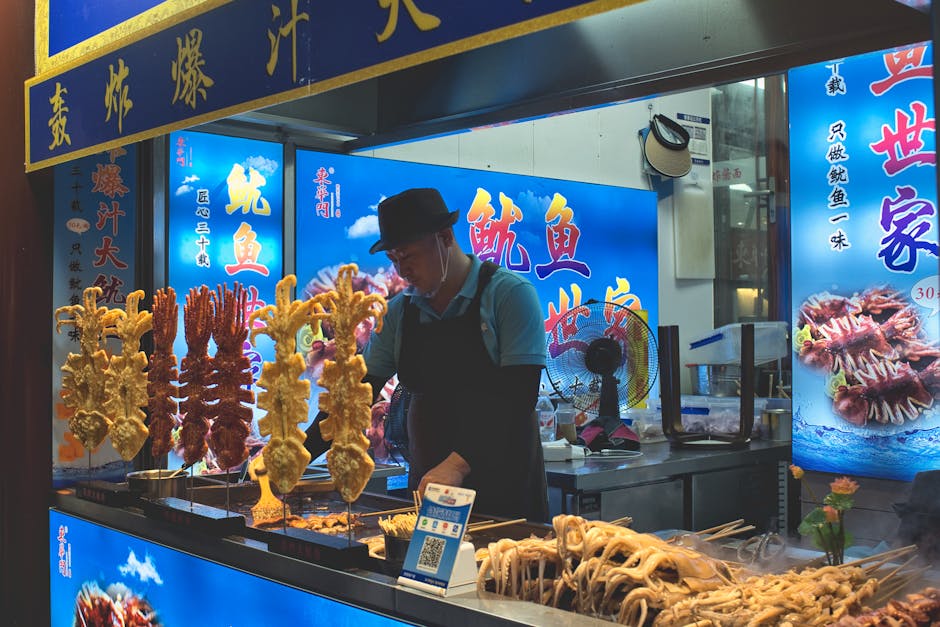
One major pitfall is sticking to familiar foods. While it’s tempting to order pizza in Rome or burgers in Tokyo, you’ll miss the essence of the culture. Challenge yourself to try at least one new dish per day.
Another mistake is over-scheduling. Food travel is best enjoyed slowly. Allow time to linger over meals, chat with locals, and reflect on what you’ve learned. Rushing from one restaurant to the next turns a cultural journey into a checklist.
Don’t assume all “authentic” experiences are equal. Some tours or classes may be staged for tourists. Look for transparency—do they employ local guides? Do they support community projects? Ask questions before booking.
How Food Travel Builds Lasting Connections
Sharing a meal is one of the oldest forms of human connection. When you sit down with a family in a remote village or learn a recipe from a street vendor, you’re not just tasting food—you’re building relationships. These moments often become the most memorable parts of a trip.
Food travel also encourages mindfulness. Paying attention to flavors, textures, and aromas grounds you in the present. It’s a form of slow travel that values quality over quantity.
Many travelers return home inspired to cook more, support local farmers, or advocate for food justice. The lessons learned abroad often influence daily habits and worldviews.
Final Thoughts
The best food and culinary travel trips for culture lovers are those that prioritize authenticity, connection, and respect. They’re not about luxury dining or Instagrammable plates—they’re about understanding people through what they eat and how they prepare it.
Whether you’re sipping tea in a Moroccan courtyard or learning to roll dumplings in a Shanghai kitchen, these experiences enrich your travels in profound ways. Start planning your next culinary adventure with curiosity, an open mind, and an appetite for discovery.
FAQ
What should I do if I have dietary restrictions while traveling for food?
Research local dishes in advance and learn key phrases in the local language to explain your needs. Carry a translation card and consider staying in accommodations with kitchen access to prepare some meals yourself.
Are food tours worth the cost?
Yes, especially when led by local guides. They provide access to hidden spots, cultural context, and safe navigation of busy markets. Look for small-group tours with positive reviews and a focus on authenticity.
How can I ensure my culinary travel is sustainable?
Choose locally owned businesses, avoid single-use plastics, and support tours that give back to communities. Eat at family-run restaurants and buy directly from producers when possible.