
Top Beach and Island Travel Trips for Nature Lovers
For nature lovers seeking sun, sand, and serenity, the world offers countless beach and island destinations that combine natural beauty with outdoor adventure. Whether you’re drawn to coral reefs teeming with marine life, secluded coves accessible only by boat, or coastal trails winding through tropical forests, these top beach and island travel trips deliver immersive experiences in some of the planet’s most pristine environments. From the turquoise waters of the Maldives to the volcanic shores of Iceland, each destination offers a unique blend of wildlife, landscapes, and conservation-focused travel.
Why Nature Lovers Choose Beach and Island Destinations
Beaches and islands are natural sanctuaries for biodiversity. They support fragile ecosystems, from mangrove forests to coral reefs, and often serve as critical habitats for endangered species. Travelers who prioritize sustainability and outdoor exploration find these destinations especially rewarding.
Unlike crowded resorts, many nature-focused beach and island trips emphasize low-impact tourism. Activities like snorkeling, birdwatching, kayaking, and guided nature walks allow visitors to engage deeply with the environment without disrupting it. These experiences foster a deeper appreciation for conservation and the delicate balance of coastal ecosystems.
Key Benefits of Nature-Based Island Travel
- Wildlife encounters: Spot sea turtles, tropical birds, reef sharks, and more in their natural habitats.
- Seclusion and tranquility: Escape urban noise and reconnect with nature in remote, peaceful settings.
- Eco-friendly accommodations: Many islands offer solar-powered lodges, composting toilets, and reef-safe practices.
- Educational opportunities: Learn about marine biology, conservation efforts, and local ecosystems from expert guides.
Top 10 Beach and Island Trips for Nature Enthusiasts
Below are ten carefully selected destinations that stand out for their natural beauty, ecological significance, and opportunities for immersive outdoor experiences. Each offers a distinct flavor of island life, from tropical paradises to rugged northern shores.
1. Palawan, Philippines – Underground Rivers and Limestone Cliffs
Palawan is a nature lover’s dream, home to the UNESCO-listed Puerto Princesa Subterranean River and the dramatic karst landscapes of El Nido and Coron. The island’s crystal-clear waters are perfect for snorkeling and diving, with vibrant coral gardens and WWII shipwrecks.
Travelers can explore hidden lagoons by kayak, hike through dense jungle to reach secluded beaches, or take a boat tour through the Bacuit Archipelago. Conservation is a priority here, with strict regulations on plastic use and visitor numbers in protected areas.
2. Raja Ampat, Indonesia – The Coral Triangle’s Crown Jewel
Raja Ampat, located off West Papua, is considered the global epicenter of marine biodiversity. With over 1,500 fish species and 600 types of coral, it’s a premier destination for underwater exploration.
Most trips involve staying on liveaboard boats or eco-lodges on remote islands. Snorkelers and divers can swim alongside manta rays, reef sharks, and pygmy seahorses. Permits are required, and tourism is tightly managed to protect the fragile ecosystem.
3. Seychelles – Granite Islands and Endemic Wildlife
The Seychelles archipelago in the Indian Ocean features unique granite rock formations, lush forests, and rare species like the giant Aldabra tortoise. Islands such as Praslin and La Digue offer pristine beaches and nature reserves.
Visit Vallée de Mai, a UNESCO World Heritage Site, to see the iconic coco de mer palm and hear the calls of the black parrot. Coastal trails lead through coconut groves and along secluded shores, ideal for quiet reflection and birdwatching.
4. Galápagos Islands, Ecuador – A Living Laboratory of Evolution
The Galápagos Islands remain one of the most scientifically significant destinations on Earth. Here, visitors can walk among marine iguanas, observe blue-footed boobies performing mating dances, and snorkel with sea lions.
All tours are guided and regulated to minimize human impact. Most travelers explore via small cruise ships or day trips from inhabited islands like Santa Cruz. Strict rules prohibit touching wildlife or removing any natural materials.
5. Faroe Islands – Rugged Cliffs and Seabird Colonies
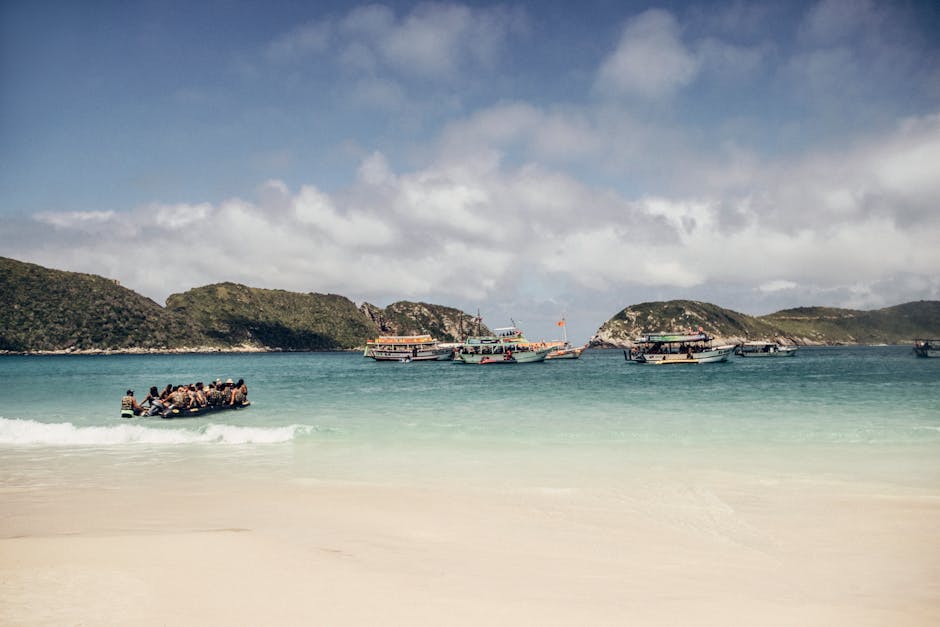
For nature lovers who prefer cooler climates, the Faroe Islands offer dramatic seascapes, grass-roof villages, and some of Europe’s best birdwatching. Over 300,000 seabirds nest here each year, including puffins, guillemots, and razorbills.
Hiking trails connect islands via tunnels and bridges, offering panoramic views of the North Atlantic. The islands emphasize sustainable tourism, with eco-certified accommodations and community-led tours.
6. Fernando de Noronha, Brazil – Protected Marine Park
This Brazilian archipelago is a protected environmental preservation area, with strict limits on daily visitors. The result is unspoiled beaches, clear waters, and abundant marine life.
Snorkeling at Baía dos Porcos or diving near the Atol das Rocas reveals dolphins, sea turtles, and colorful fish. Hiking trails lead to viewpoints overlooking the Atlantic, and the island’s small population ensures a quiet, authentic experience.</n
7. Lord Howe Island, Australia – A UNESCO World Heritage Gem
Located between Australia and New Zealand, Lord Howe Island is a haven for endemic species and pristine ecosystems. The island is home to the world’s southernmost coral reef and the rare Lord Howe Island stick insect.
Visitors can hike to the summit of Mount Gower, kayak through sheltered lagoons, or simply relax on the white-sand beaches. With a cap of 400 tourists at a time, the island maintains a peaceful, uncommercialized atmosphere.</n
8. Azores, Portugal – Volcanic Lakes and Whale Watching
The Azores are a chain of nine volcanic islands in the North Atlantic, known for their lush greenery, crater lakes, and rich marine life. São Miguel and Pico are popular bases for nature excursions.
Whale and dolphin watching tours are common, with over 20 species recorded in the region. Hiking trails wind through forests and along coastal cliffs, and natural hot springs offer relaxation after a day of exploration.</n
9. Bonaire, Caribbean – A Diver’s Paradise
Bonaire is renowned for its shore diving and commitment to marine conservation. The Bonaire National Marine Park protects coral reefs, seagrass beds, and mangrove forests.
Snorkelers and divers can explore over 60 designated dive sites, many accessible directly from the beach. The island also offers kayaking through mangroves and birdwatching in the Washington Slagbaai National Park.</n
10. Lofoten Islands, Norway – Midnight Sun and Fjords
The Lofoten Islands combine mountain peaks, fishing villages, and sandy beaches under the midnight sun. This Arctic destination offers a different kind of island experience—rugged, quiet, and deeply connected to nature.
Hiking, fishing, and cycling are popular activities. The islands are also a prime location for viewing the northern lights in winter. Local communities emphasize sustainable fishing and eco-tourism.
How to Choose the Right Beach or Island Trip
With so many options, selecting the ideal destination depends on your interests, travel style, and environmental values. Consider what kind of nature experience you’re seeking—marine life, birdwatching, hiking, or simply solitude.
Assess Your Priorities
Ask yourself: Do you prefer warm tropical waters or cooler, rugged coastlines? Are you looking for adventure activities or peaceful relaxation? Do you want to support conservation efforts through your travel choices?
For example, if marine biodiversity is your focus, Raja Ampat or the Galápagos may be ideal. If you’re drawn to birdlife and dramatic landscapes, the Faroe Islands or Lofoten could be a better fit.
Consider Travel Logistics
Some island destinations require multiple flights, boat transfers, or permits. Research visa requirements, transportation options, and seasonal weather patterns before booking.
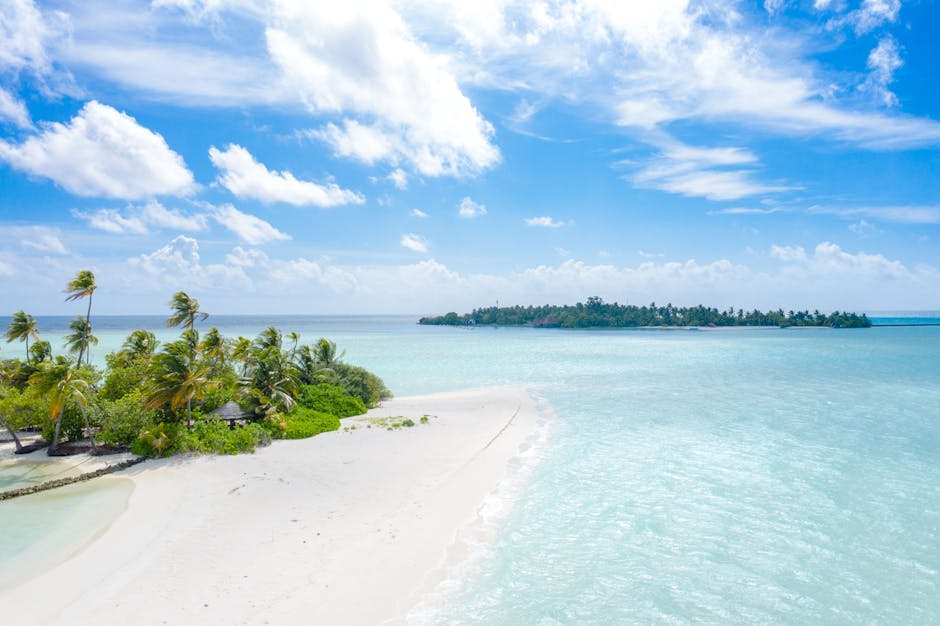
Remote locations like Fernando de Noronha or the Galápagos often have limited accommodations and strict entry rules. Planning ahead ensures a smoother trip and helps avoid disappointment.
Evaluate Sustainability Practices
Look for destinations and tour operators that prioritize environmental protection. Check if the area has protected status, visitor limits, or eco-certifications.
Support local communities by choosing locally owned lodges, guides, and restaurants. Avoid single-use plastics and follow guidelines for wildlife interaction.
Essential Tips for Responsible Island Travel
Nature lovers have a responsibility to travel in ways that preserve the environments they cherish. Small actions can make a big difference in protecting fragile island ecosystems.
Follow Leave-No-Trace Principles
Pack out all trash, stay on marked trails, and avoid disturbing wildlife. Even biodegradable items like fruit peels can harm native species if introduced to new environments.
Use reef-safe sunscreen to protect coral reefs from harmful chemicals. Many destinations now ban oxybenzone and octinoxate—check local regulations before you go.
Respect Local Cultures and Regulations
Islands often have unique customs, languages, and conservation rules. Learn basic phrases in the local language and follow guidelines for behavior in protected areas.
Some sites may prohibit drones, require permits, or restrict access during breeding seasons. Always check with local authorities or tour operators before exploring.
Minimize Your Carbon Footprint
Flying to remote islands contributes to carbon emissions. Consider offsetting your flight through reputable programs or choosing destinations closer to home when possible.
Once on the island, walk, bike, or use electric transport instead of renting gas-powered vehicles. Support accommodations that use renewable energy and water-saving systems.
When to Visit: Seasonal Considerations
Timing can greatly affect your experience. Weather, wildlife activity, and tourist crowds vary by season and location.
Tropical Destinations
In places like the Maldives, Seychelles, or the Caribbean, the dry season (typically November to April) offers calmer seas and better visibility for snorkeling and diving. Avoid hurricane season in the Atlantic (June to November).
In Southeast Asia, the best time to visit is usually between November and March, when rainfall is lower and marine conditions are optimal.
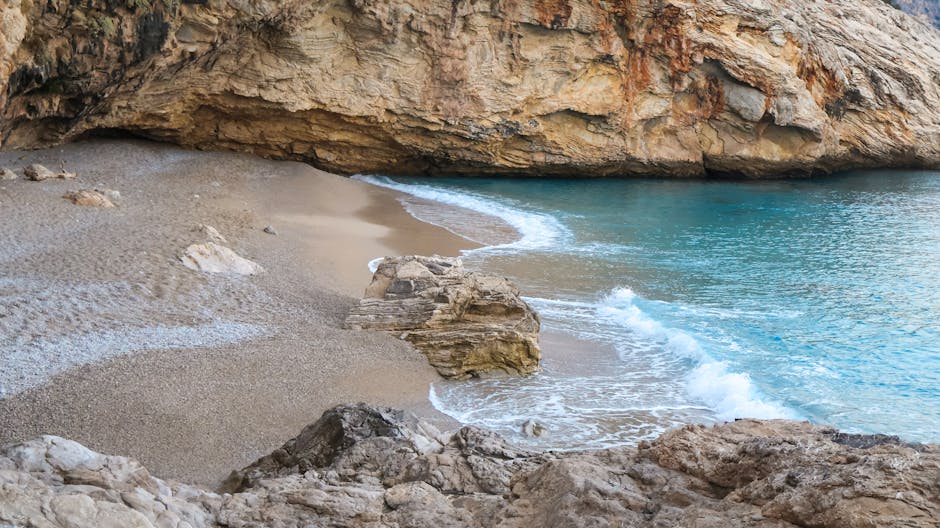
Temperate and Arctic Islands
For the Faroe Islands, Azores, or Lofoten, summer (June to August) provides milder weather and longer daylight hours. Winter offers northern lights and fewer tourists but harsher conditions.
Wildlife sightings also vary: puffins nest in summer, while whales may be more active in spring or fall depending on migration patterns.
What to Pack for a Nature-Focused Island Trip
Packing smart ensures you’re prepared for outdoor activities while minimizing waste and environmental impact.
Essential Gear
- Reef-safe sunscreen and biodegradable toiletries
- Quick-dry clothing and a wide-brimmed hat
- Waterproof dry bag for electronics and documents
- Reusable water bottle and utensils
- Binoculars for birdwatching and wildlife observation
- Sturdy hiking shoes or water shoes
Optional but Helpful Items
- Underwater camera or GoPro for capturing marine life
- Field guide to local birds, fish, or plants
- Lightweight rain jacket for sudden showers
- Portable power bank for charging devices off-grid
Final Thoughts: Travel with Purpose
The best beach and island travel trips for nature lovers are those that leave a positive impact—on the environment, local communities, and your own sense of connection to the natural world. By choosing destinations that value conservation and traveling responsibly, you help ensure these places remain vibrant and accessible for future generations.
Whether you’re diving among coral reefs, hiking coastal trails, or simply watching waves roll in from a quiet shore, these experiences remind us of the beauty and fragility of our planet. Let your journey be one of discovery, respect, and wonder.
FAQ
What is the best time of year to visit tropical island destinations for nature lovers?
The ideal time varies by region, but generally, the dry season—November to April in the Indian Ocean and Caribbean, and November to March in Southeast Asia—offers the best weather, calmer seas, and optimal conditions for snorkeling and wildlife viewing.
How can I ensure my island trip is environmentally responsible?
Choose eco-certified accommodations, follow local conservation rules, use reef-safe sunscreen, avoid single-use plastics, and support local guides and businesses. Always practice Leave-No-Trace principles and respect wildlife from a distance.
Are permits required for visiting protected island destinations?
Yes, many nature-focused islands—such as the Galápagos, Fernando de Noronha, and Raja Ampat—require advance permits or have daily visitor limits. Check with official tourism boards or authorized tour operators before planning your trip.