
Travel Tips for Better Currency Exchange Decisions
Getting the best value when exchanging money can make a real difference on your trip. Whether you’re budgeting for a weekend in Paris or a month in Southeast Asia, smart currency decisions help you stretch your dollars further. This guide covers practical strategies to avoid common pitfalls, compare exchange options, and keep more cash in your pocket. From timing your exchanges to choosing the right payment methods, these tips are based on real traveler experiences and industry practices.
Why Currency Exchange Matters for Travelers
Currency exchange isn’t just about converting money—it’s about preserving your travel budget. Even small differences in exchange rates or hidden fees can add up quickly. A 3% fee on a $2,000 trip equals $60 lost to poor planning. That’s money that could have gone toward a museum ticket, a nice dinner, or an extra night at your hotel.
Many travelers don’t realize how much they’re paying in fees until it’s too late. Airport kiosks, hotel desks, and unmarked exchange counters often offer the worst rates. Being aware of how and where you exchange money helps you avoid these traps. The goal isn’t to time the market perfectly—it’s to make consistently better choices.
Know the Real Exchange Rate
Check Mid-Market Rates First
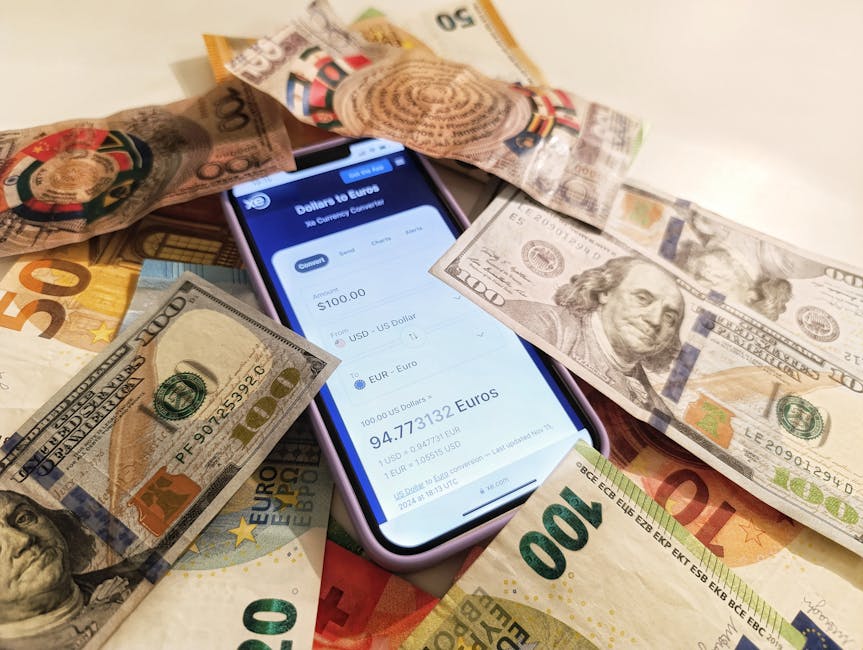
Before exchanging any money, check the mid-market rate. This is the rate banks use to trade currencies with each other and reflects the true value of one currency against another. You can find it on sites like XE.com, OANDA, or Google Finance.
For example, if 1 USD equals 0.92 EUR on XE, that’s your baseline. Any service offering less than 0.90 EUR per dollar is taking a significant cut. Always compare quoted rates to this benchmark.
Beware of Dynamic Currency Conversion
When paying by card abroad, you might be offered to pay in your home currency. This is called Dynamic Currency Conversion (DCC), and it’s almost always a bad deal. The merchant sets the exchange rate, which is typically 5–10% worse than your bank’s rate.
Always choose to pay in the local currency. Your bank or card issuer will apply their own rate, which is usually much closer to the mid-market rate. Saying “no” to DCC is one of the simplest ways to save money.
Choose the Right Time to Exchange
Monitor Trends, Don’t Chase Predictions
Currency values fluctuate daily based on economic news, political events, and global markets. While you can’t predict exact movements, you can monitor trends. If the euro has been strengthening against the dollar for weeks, it may be wise to exchange a portion of your funds now rather than wait.
Use free tools like Google Alerts or currency tracking apps to stay informed. Set up rate alerts so you’re notified when a currency hits a favorable level. This helps you act without obsessing over every minor change.
Avoid Last-Minute Exchanges
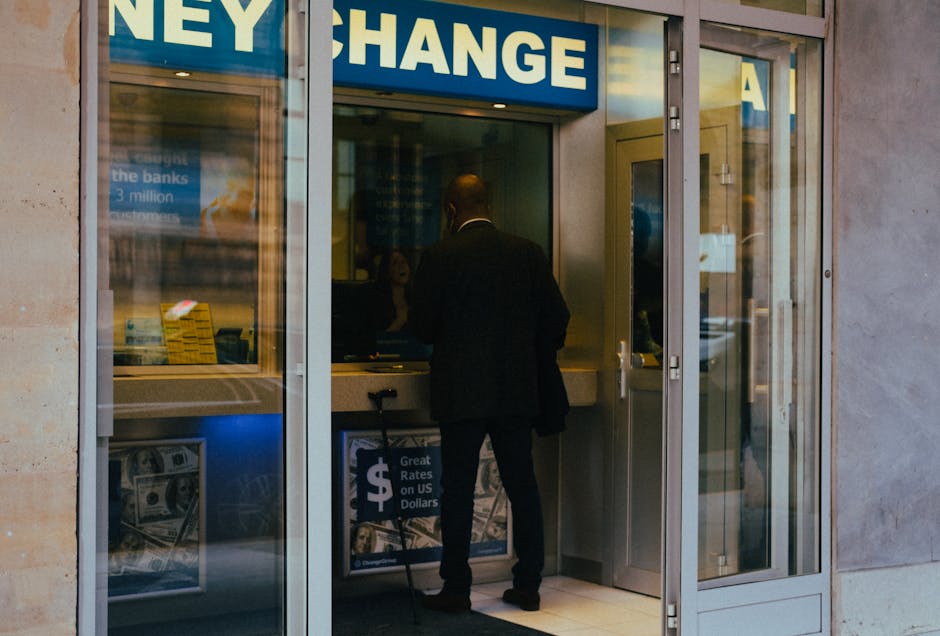
Waiting until the day before your trip is risky. Airport exchange counters charge some of the highest fees—often 10–15% above the real rate. You’re also under time pressure, which makes it harder to compare options.
Exchange a small amount before you leave for immediate expenses like transportation or tips. Then plan to get the bulk of your cash after arrival using better local options.
Compare Exchange Options
Bank Transfers vs. Cash Exchanges
Your home bank may offer currency exchange, but their rates often include a markup. Call ahead to ask about fees and compare them to online services. Some banks waive fees for premium account holders, so it’s worth checking.
Online platforms like Wise (formerly TransferWise), Revolut, or OFX typically offer better rates with transparent fees. They use the real exchange rate and charge a small, fixed fee. For larger amounts, this can save you hundreds of dollars.
ATMs: Often the Best Bet
Using an ATM in your destination country is usually the most cost-effective way to get cash. Your bank will charge a foreign transaction fee (typically 1–3%), but the exchange rate is usually very close to the mid-market rate.
To minimize fees, use ATMs affiliated with major banks and avoid standalone machines in tourist areas. Withdraw larger amounts less frequently to reduce the number of transactions. Always select “local currency” when prompted to avoid DCC.
Credit and Debit Cards: Know the Fees
Many travelers rely on cards for daily spending. But not all cards are created equal. Some charge foreign transaction fees of 2.5–3% on every purchase. Look for cards with no foreign transaction fees—popular options include the Chase Sapphire Preferred, Capital One Venture, and Charles Schwab debit card.
Debit cards are better for ATM withdrawals, while credit cards offer stronger fraud protection. Use credit for larger purchases and debit for cash. Avoid using credit cards at ATMs—cash advances come with high fees and interest.
Avoid Common Currency Exchange Mistakes
Don’t Exchange at Airports or Hotels
Airport exchange counters are convenient but expensive. A 2023 study by the International Currency Exchange found that airport kiosks charged an average of 12% more than local banks. Hotel exchanges are even worse—rates can be 15–20% below market value.
Instead, use airport ATMs or wait until you reach the city center. Even a short taxi ride can lead to significantly better rates.
Don’t Carry Too Much Cash
Carrying large amounts of cash is risky. If lost or stolen, it’s usually unrecoverable. It also limits your ability to take advantage of better exchange rates later in your trip.
Withdraw or exchange only what you need for a few days. Keep the rest in a secure account and access it as needed. This also helps you budget more effectively.
Don’t Ignore Local Exchange Bureaus
In many countries, local currency exchange offices offer better rates than banks. These are common in cities like Bangkok, Istanbul, and Mexico City. Look for licensed, well-reviewed shops with clear rate displays.
Avoid unmarked storefronts or individuals offering “special rates” on the street. These are often scams. Stick to reputable businesses in busy areas.
Use Technology to Your Advantage
Download Currency Apps
Apps like XE Currency, Revolut, or Wise let you check real-time exchange rates, set alerts, and even hold multiple currencies. Some allow you to lock in rates for future use.
These tools help you make informed decisions on the go. For example, if you’re in Japan and the yen strengthens, you can exchange more dollars before it weakens again.
Enable Travel Notifications
Notify your bank and credit card companies before you travel. This prevents your cards from being flagged for fraud and blocked. It also ensures you can use them abroad without interruption.
Some banks offer travel-specific accounts or cards with enhanced benefits. Ask about options that reduce fees or offer travel insurance.
Plan for Emergencies
Keep Backup Funds
Always have a backup plan for accessing money. Carry a second card from a different bank and keep a small amount of emergency cash in a separate location.
If your primary card is lost or declined, you’ll still have options. Store emergency contacts and card details in a secure digital vault or printed copy.
Know Your Bank’s International Network
Check if your bank is part of a global network like Allpoint, Plus, or Cirrus. These networks allow fee-free ATM withdrawals at partner banks worldwide.
For example, Bank of America customers can use Barclays ATMs in the UK without fees. Knowing your network saves money and reduces stress.
Final Tips for Smarter Exchanges
Start planning your currency strategy weeks before departure. Research the local currency, typical costs, and reliable exchange options. Set a daily spending limit to avoid overspending.
Keep receipts for large exchanges in case you need to convert unused currency back home. Some services offer better buy-back rates than others.
Finally, stay flexible. Exchange rates change, and opportunities arise. Being informed and prepared lets you adapt and save.
FAQ
Q: Should I exchange money before I travel or after I arrive?
A: Exchange a small amount before you leave for immediate needs, then use local ATMs or exchange offices after arrival for better rates.
Q: Are credit cards better than cash for foreign travel?
A: Credit cards are convenient and secure for most purchases, but carry cash for places that don’t accept cards. Use no-foreign-fee cards to avoid extra charges.
Q: How much should I budget for currency exchange fees?
A: Aim to keep fees under 3% of your total spending. Use ATMs, no-fee cards, and reputable exchange services to minimize costs.