
Honest Destination Guide to Sofia for Local Experiences
Sofia, Bulgaria’s capital, is often overlooked by travelers chasing more famous European cities. Yet those who visit discover a compact, walkable city where history, culture, and everyday life blend seamlessly. This honest destination guide to Sofia for local experiences cuts through the tourist veneer to reveal where locals actually eat, drink, and unwind. Whether you’re staying a day or a week, you’ll find authentic neighborhoods, hidden courtyards, and genuine interactions that make Sofia feel less like a postcard and more like a lived-in home.
Why Sofia Deserves Your Attention
Sofia isn’t flashy. It doesn’t have grand boulevards lined with designer boutiques or Instagram-famous rooftops. What it offers instead is authenticity—real people going about real lives in a city shaped by centuries of change. From Ottoman baths to socialist-era blocks, the city’s layers tell a story you can walk through.
Unlike overhyped capitals, Sofia rewards slow exploration. You won’t find crowds at every corner, but you will find warmth in a neighborhood café, surprise in a tucked-away art gallery, and value in meals that cost less than a coffee in Paris or London. For travelers seeking depth over décor, Sofia delivers.
Navigating the City Like a Local
Getting Around Without a Car
Sofia is remarkably walkable, especially in the center. Most major sights—like the Alexander Nevsky Cathedral and the National Palace of Culture—are within a 20-minute stroll of each other. Public transport is efficient and cheap: a single metro ride costs €0.80, and day passes are available for €2.50.
The metro system connects key districts, while buses and trams fill in the gaps. Avoid rush hours (7–9 AM and 5–7 PM) if possible—crowds are manageable but can slow you down. Taxis are affordable (starting at €0.80/km), but always use apps like TaxiMe or Yellow Taxi to avoid overcharging.
Language Tips for Smoother Interactions
Bulgarian is the official language, and while many younger locals speak English, older residents may not. Learning a few basic phrases goes a long way: “Dobro utro” (Good morning), “Blagodarya” (Thank you), and “Kolko struva?” (How much does it cost?).
Don’t expect fluent English in small shops or residential areas. Carry a translation app or a pocket phrasebook. Most importantly, smile—Bulgarians appreciate effort, even if your pronunciation is off.
Where to Stay for Authentic Vibes
Neighborhoods That Feel Like Home
Avoid staying near the main train station unless you’re passing through. Instead, base yourself in one of these areas:
- Lozenets: Leafy, residential, and full of cafés. Ideal for longer stays. Close to the South Park and metro access.
- Oborishte: Central but quieter than Vitosha Street. Great for food lovers—surrounded by local eateries and bakeries.
- Iztok: Up-and-coming, with street art, independent shops, and a younger crowd. A 10-minute metro ride from the center.
For budget travelers, guesthouses and small apartments on platforms like Airbnb or Booking.com offer better value and local character than chain hotels. Look for places with kitchens—you’ll save money and eat more like a local.
Eating Like a Sofia Resident
Breakfast: Start with Banitsa and Boza
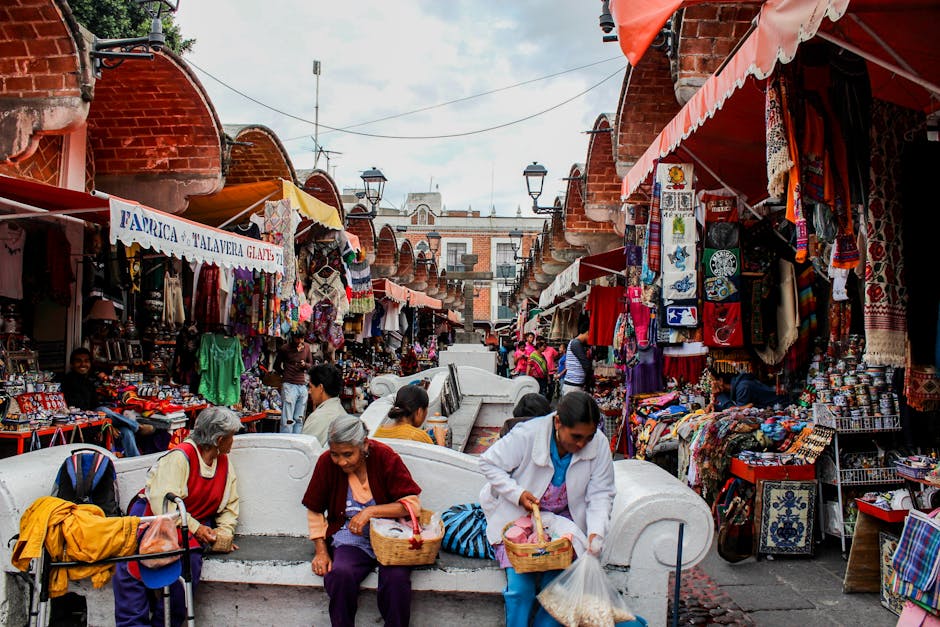
Skip the hotel buffet. Instead, head to a neighborhood mehana (tavern) or bakery for banitsa—a flaky pastry filled with cheese, spinach, or pumpkin. Pair it with boza, a fermented wheat drink that’s slightly sweet and tangy. Try it at Pirogov near the central market.
For coffee, avoid the big chains. Sofia has a growing specialty coffee scene. Fargo Coffee and Kvorum serve excellent pour-overs and know how to steam milk properly. Locals often sip espresso standing at the counter—join them.
Lunch: Hearty Meals Without the Hype
Lunch is the main meal for many Bulgarians. Look for daily menus (dnevno menu) posted outside restaurants—these offer three courses (soup, main, dessert) for €5–€8. Hadjidraganovite Izbi in the city center serves traditional dishes like kavarma (meat stew) and shopska salad in a historic cellar setting.
Vegetarians will find plenty of options: stuffed peppers, bean soup, and grilled vegetables are staples. Avoid tourist traps near the cathedral—prices double and quality drops.
Dinner: From Taverns to Trendy Spots
For a classic experience, visit Made in Home in Lozenets. It’s a cozy, family-run spot with seasonal menus and homemade bread. Reservations recommended.
If you prefer something modern, Salon offers Bulgarian ingredients reimagined—think beetroot tartare or lamb with yogurt foam. It’s pricier but worth it for a special night. Always book ahead.
Street Food and Snacks
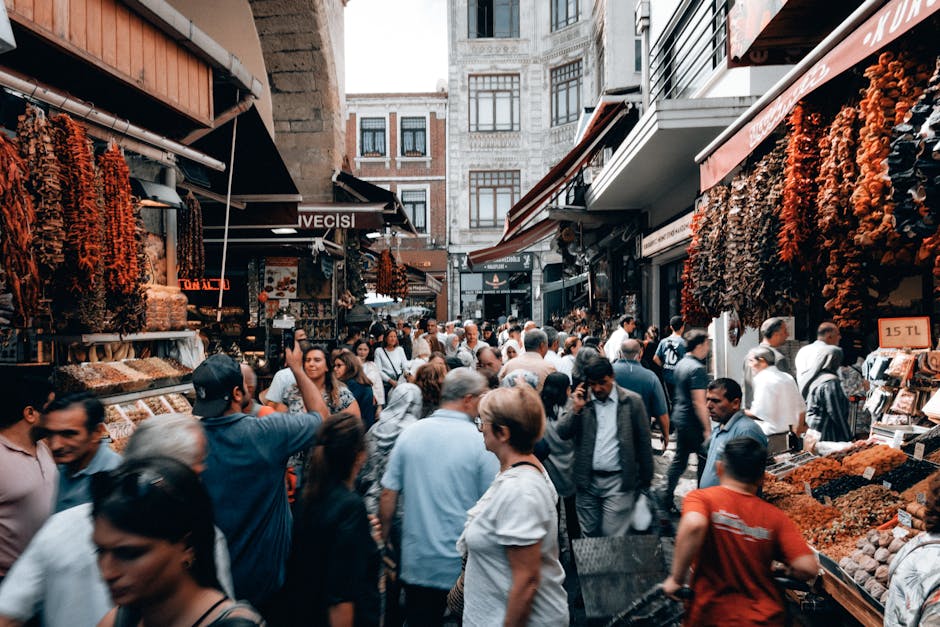
Grab a kumurdzha (sausage wrap) from a street vendor near the National Theatre. Or try gyuvetch, a clay-pot dish sold at the Central Market Hall. The market itself is a sensory delight—cheese stalls, dried fruits, and spices line the aisles. Go before 2 PM when the best vendors are still open.
Drinking and Nightlife Beyond the Bars
Craft Beer and Local Brews
Sofia’s craft beer scene is booming. Brewpoint and Kashtata offer rotating taps from Bulgarian microbreweries. Try a Zagorka or Ariana lager for a local classic—both are crisp and affordable.
Wine lovers should sample Bulgarian varieties like Mavrud (full-bodied red) or Melnik (peppery and bold). Many restaurants have regional wine lists. Ask for a tasting—it’s common and encouraged.
Cocktails with Character
For creative cocktails, visit Hush in Iztok. The bartenders use local herbs and homemade syrups. Under the Stairs offers a speakeasy vibe with live jazz on weekends. Both are local favorites, not tourist magnets.
Avoid the clubs on Vitosha Boulevard after midnight—they’re often overpriced and cater to stag parties. Instead, follow locals to hidden courtyards in the city center where pop-up bars appear in summer.
Cultural Experiences That Matter
Museums with Depth
The National History Museum in Vitosha Mountain is worth the trip—it houses the Panagyurishte treasure, a stunning Thracian gold set. Entry is €6, and the mountain views are a bonus.
In the city, the Sofia History Museum (in the former mineral baths building) tells the city’s story through artifacts and interactive displays. It’s less crowded than the Ethnographic Museum and more engaging for first-time visitors.
Street Art and Independent Galleries
Walk the alleys around Kapana (The Trap), Sofia’s creative district. Murals change often, and you’ll find pop-up exhibitions in converted garages. Credo Bonum gallery supports emerging Bulgarian artists—check their schedule for openings.
On weekends, Art Hostel hosts live music and poetry readings. It’s a hub for young creatives and a great place to meet locals.
Religious Sites with Quiet Dignity
Visit the St. George Rotunda, one of the oldest buildings in Sofia. Its 4th-century frescoes are understated but powerful. Nearby, the Banya Bashi Mosque still functions as a place of worship—dress modestly and remove shoes.
The Alexander Nevsky Cathedral is impressive, but go early morning or late afternoon to avoid tour groups. Step inside for the iconostasis and the crypt museum.
Day Trips That Enrich Your Stay
Vitoshka Bistritsa: Nature and Tradition
Take the metro to Knyazhevo, then a short bus ride to Bistritsa. This village at the foot of Vitosha Mountain hosts a weekly folk market on Sundays. Watch dancers in traditional costumes and buy handmade wool socks.
Hike the Bistrishko Branishte nature reserve for quiet trails and mountain air. The round trip takes 2–3 hours and offers panoramic views of Sofia.
Rila Monastery: A Spiritual Journey
About 2 hours by bus or car, Rila Monastery is a UNESCO site and one of Bulgaria’s most important landmarks. The frescoes, library, and peaceful courtyard make it worth the trip.
Go mid-week to avoid crowds. Pack a picnic—there are benches outside the walls. Return via the Seven Rila Lakes if you have time and energy.
Practical Tips for a Smooth Visit
Money and Payments
Bulgaria uses the Bulgarian lev (BGN). €1 ≈ 1.96 BGN. Credit cards are accepted in most places, but carry cash for small vendors, markets, and public transport.
ATMs are widely available. Avoid exchange offices near tourist spots—they charge high fees. Use banks or reputable kiosks instead.
Safety and Etiquette
Sofia is one of Europe’s safest capitals. Petty crime exists—watch your bag in crowded areas—but violent crime is rare. Women travel safely alone, even at night.
Bulgarians are reserved at first but warm once you engage. Don’t expect loud greetings or small talk with strangers. Tipping 10% in restaurants is standard; rounding up at cafés is appreciated.
Weather and Packing
Sofia has four distinct seasons. Summers are hot (up to 35°C), winters cold (down to -10°C). Spring and autumn are ideal—mild and colorful.
Pack layers, comfortable shoes, and a light rain jacket. Even in summer, evenings can be cool. If visiting in winter, bring warm boots—snow is common.
Final Thoughts: Why Sofia Stays With You
Sofia doesn’t shout for attention. It invites you in quietly, through a shared meal, a conversation in a park, or the echo of footsteps in an ancient church. This honest destination guide to Sofia for local experiences is meant to help you connect with the city beyond the guidebooks.
You won’t leave with a checklist of “must-sees.” Instead, you’ll carry memories of real moments—laughing over a shared plate of kebapche, watching sunset from a quiet hill, or chatting with a shopkeeper who remembered your name. That’s the Sofia effect.
FAQ
Is Sofia safe for solo travelers?
Yes. Sofia is considered very safe, even for solo female travelers. Stick to well-lit areas at night and keep an eye on your belongings in crowded spots like the metro or markets.
Do I need to speak Bulgarian to get by?
Not necessarily. English is common in tourist areas and among younger locals. However, learning a few basic phrases will help in residential neighborhoods and small shops.
What’s the best time to visit Sofia?
Late spring (May–June) and early autumn (September–October) offer pleasant weather, fewer crowds, and lower prices. Summer is hot but lively; winter is cold but magical with Christmas markets.