
Top Adventure Travel Destinations for Remote Escapes
Looking to trade crowded tourist hubs for wild, untouched landscapes? These top adventure travel destinations offer remote escapes where nature reigns and solitude is part of the experience. From high-altitude treks to isolated coastlines, these spots deliver authentic adventure with minimal crowds. Whether you’re after mountain summits, jungle exploration, or polar expeditions, these locations provide the perfect backdrop for those seeking both challenge and serenity.
Why Choose Remote Adventure Travel?
Remote adventure travel isn’t just about escaping cities—it’s about reconnecting with raw, unfiltered nature. These journeys often require more planning and physical preparation, but the rewards are unmatched. You’ll encounter diverse ecosystems, rare wildlife, and cultures that remain largely untouched by mass tourism.
Unlike popular resorts or well-trodden trails, remote destinations offer deeper immersion. There’s no Wi-Fi, no queues, and no noise pollution—just the wind, the terrain, and your own resilience. These experiences build self-reliance and offer a sense of accomplishment that curated vacations rarely match.
Safety and sustainability should be top priorities. Always research local conditions, hire experienced guides when needed, and follow Leave No Trace principles. Responsible travel ensures these wild places remain pristine for future adventurers.
Patagonia, Chile & Argentina: Rugged Wilderness at the Edge of the World
Torres del Paine National Park
Torres del Paine in Chilean Patagonia is a magnet for trekkers and photographers alike. The park’s granite towers, glacial lakes, and windswept plains create a dramatic landscape that feels almost otherworldly. The famous W Trek and full-circuit hike draw thousands each year, but early mornings and off-season visits offer solitude.
Weather here is unpredictable. Sudden snowstorms can occur even in summer, so pack layers and waterproof gear. Accommodations range from refugios (mountain shelters) to eco-lodges, but book months in advance during peak season.
Los Glaciares National Park, Argentina
Across the border in Argentina, Los Glaciares National Park is home to the Southern Patagonian Ice Field and the iconic Perito Moreno Glacier. This active glacier calves ice chunks into a turquoise lake, a spectacle best viewed from guided walks or boat tours.
For a more remote experience, consider trekking to Laguna de los Tres, which offers a panoramic view of Mount Fitz Roy. The trail is challenging but rewards hikers with one of the most photographed vistas in South America.
Nepal: Himalayan Peaks and High-Altitude Culture
Everest Base Camp Trek
The Everest Base Camp trek is one of the world’s most famous high-altitude journeys. Spanning 130 kilometers round-trip, it takes about two weeks and reaches elevations over 5,300 meters. Along the way, trekkers pass Sherpa villages, ancient monasteries, and prayer flags fluttering in thin mountain air.
Altitude sickness is a serious risk. Ascend slowly, drink plenty of fluids, and listen to your body. Most reputable agencies include rest days for acclimatization. The best times to go are March to May and September to November.
Upper Mustang: The Forbidden Kingdom
Upper Mustang, a former Tibetan kingdom, remains one of Nepal’s most remote and culturally preserved regions. Accessible only with a special permit, this arid valley features cave dwellings, Buddhist monasteries, and a landscape resembling the Tibetan Plateau.
The trek to Lo Manthang, the walled capital, takes about 10 days from Jomsom. Roads are improving, but many still prefer the traditional foot journey. Be prepared for limited facilities and cold nights, even in summer.
Iceland: Volcanic Landscapes and Midnight Sun
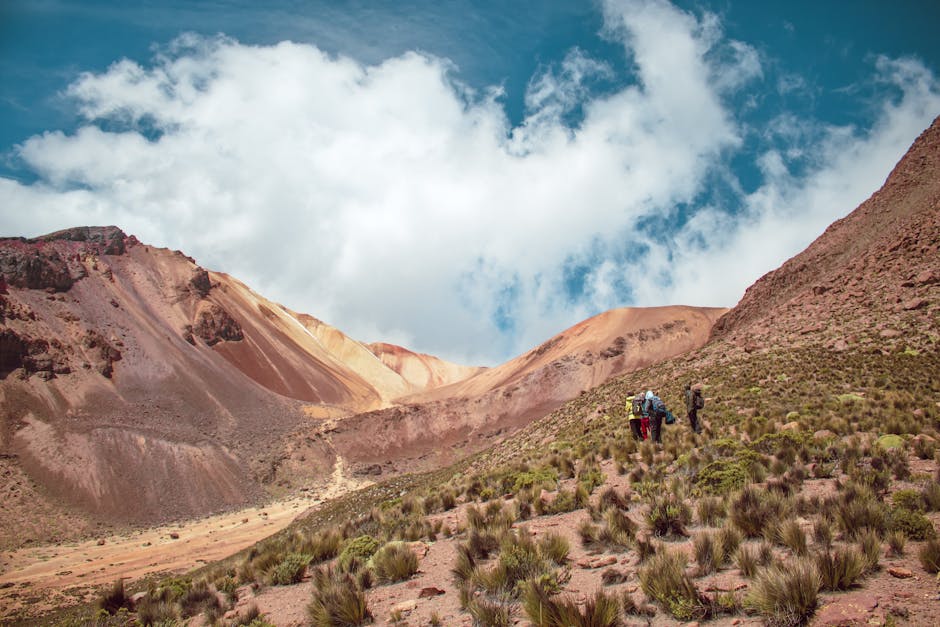
Laugavegur Trail
Iceland’s Laugavegur Trail is a 55-kilometer trek connecting Landmannalaugar and Þórsmörk. It crosses rhyolite mountains, black sand deserts, and glacial rivers. The vibrant colors—especially the pink and green hills of Landmannalaugar—make it one of the most visually stunning hikes in the world.
Hikers must be self-sufficient. There are huts along the route, but supplies are limited. River crossings can be dangerous; use trekking poles and avoid high water. The trail is typically open from late June to September.
Westfjords: Isolation and Dramatic Cliffs
The Westfjords region is one of Iceland’s least-visited areas, with winding fjords, sea cliffs, and tiny fishing villages. The Hornstrandir Nature Reserve offers true wilderness, with no roads or permanent residents. Arctic foxes are common, and bird cliffs teem with puffins in summer.
Access is by ferry or small plane. Weather changes fast, and trails are often unmarked. This is not a destination for casual hikers—only those with solid navigation skills and proper gear should attempt multi-day treks.
New Zealand: From Alpine Passes to Subantarctic Islands
Te Araroa Trail
New Zealand’s Te Araroa Trail stretches 3,000 kilometers from Cape Reinga in the north to Bluff in the south. It crosses forests, mountains, rivers, and farmland, offering a full immersion in the country’s diverse landscapes. Most thru-hikers take 3 to 6 months to complete it.
Sections like the Southern Alps and Fiordland are remote and require river crossings and alpine navigation. Resupply points are spaced out, so plan food drops or use town stops. The trail is best attempted between October and April.
Subantarctic Islands: A True Frontier
New Zealand’s subantarctic islands—Auckland, Campbell, and the Snares—are among the most remote inhabited places on Earth. These UNESCO World Heritage sites are home to millions of seabirds, sea lions, and penguins. Access is limited to scientific expeditions and rare eco-tours.
Visits require permits and are weather-dependent. Most trips depart from Bluff and last 10 to 14 days. This is not a budget option, but for wildlife enthusiasts, it’s a once-in-a-lifetime experience.
Greenland: Ice, Fjords, and Inuit Culture
Arctic Circle Trail
The Arctic Circle Trail runs 168 kilometers from Kangerluk to Kangerlussuaq. It crosses tundra, rivers, and ice fields, with views of the Greenland Ice Sheet. The trail is well-marked but isolated—hikers must carry all supplies and be prepared for polar conditions.
Mosquitoes can be intense in summer, and river crossings require caution. The best time to hike is July and August, when temperatures hover around 10°C. No permits are required, but inform local authorities of your route.
East Greenland: Villages and Icebergs
East Greenland’s settlements, like Tasiilaq and Ittoqqortoormiit, are among the most remote communities in the Northern Hemisphere. Access is by helicopter or boat, and the landscape features massive icebergs, calving glaciers, and polar nights in winter.
Cultural immersion is a highlight. Many tours include stays with local families and dog sledding expeditions. Be respectful of traditions and dress warmly—temperatures can drop below -20°C even in spring.
Madagascar: Biodiversity and Solitude
Tsingy de Bemaraha National Park
Tsingy de Bemaraha is a limestone karst formation known as “the stone forest.” Sharp peaks, canyons, and caves create a surreal landscape. Suspension bridges and guided walks allow safe exploration of this UNESCO site.
The park is remote and accessible only by 4×4 or small plane. Dry season (April to November) is best for travel. Leeches and heat can be challenges, so wear long sleeves and insect repellent.
Andasibe-Mantadia National Park
Andasibe is famous for its indri lemurs—the largest living lemur species. Night walks reveal chameleons, frogs, and nocturnal birds. The park is more accessible than Tsingy, but still offers a sense of wildness.
Guided tours are essential for spotting wildlife and navigating trails. Stay in eco-lodges near the park entrance for early morning access. Bring rain gear—Madagascar’s east coast is humid and rainy.
Canada: Northern Wilderness and Indigenous Heritage
Nahanni National Park Reserve, Northwest Territories
Nahanni is one of Canada’s most remote parks, featuring the South Nahanni River, Virginia Falls (twice the height of Niagara), and deep canyons. Most visitors arrive by floatplane for multi-day canoe or rafting trips.
Permits are required, and trips should be led by experienced guides. Wildlife includes grizzly bears, Dall sheep, and woodland caribou. Winter access is limited, but offers aurora viewing and dog sledding.
Torngat Mountains, Newfoundland and Labrador
The Torngat Mountains are the highest peaks in mainland Canada east of the Rockies. This Inuit homeland is accessible only by charter plane or boat. Treks here are serious undertakings, requiring full expedition preparation.
Cultural tours with Inuit guides offer insight into traditional knowledge and survival skills. Respect local customs and avoid disturbing archaeological sites. Weather is harsh—pack for cold, wind, and sudden storms.
Antarctica: The Ultimate Remote Escape
Peninsula Expeditions
Antarctica is the most remote continent on Earth. Most travelers visit via cruise from Ushuaia, Argentina, crossing the Drake Passage. Landings include penguin colonies, research stations, and ice-covered mountains.
Trips last 10 to 20 days and are highly regulated to protect the environment. Zodiac landings are weather-dependent. Pack thermal clothing, sunglasses, and seasickness remedies.
Crossing the Antarctic Circle
Some expeditions go beyond the Antarctic Circle, offering longer daylight hours and fewer crowds. These voyages often include kayaking, camping on ice, and visits to emperor penguin colonies.
Costs are high, and availability is limited. Book through IAATO-certified operators to ensure responsible travel. This is not a casual trip—it’s a serious commitment to adventure and conservation.
Tips for Planning Your Remote Adventure
Start by assessing your fitness level and experience. Some destinations require technical skills like glacier travel or river navigation. Others demand endurance for long treks with heavy packs.
Research permits, visas, and local regulations. Many remote areas have strict entry rules to protect ecosystems and communities. Apply early—permits for places like Upper Mustang or Antarctica can take months.
Invest in quality gear. Reliable footwear, weatherproof clothing, and a durable backpack are non-negotiable. Test your equipment before departure to avoid surprises.
Choose reputable guides or tour operators for high-risk destinations. Look for certifications, reviews, and safety records. A good guide can mean the difference between a successful trip and a dangerous situation.
Prepare for emergencies. Carry a satellite communicator, first aid kit, and emergency shelter. Share your itinerary with someone at home and check in regularly if possible.
Final Thoughts
Remote adventure travel offers more than scenic views—it challenges your limits and deepens your connection to the natural world. These destinations aren’t for everyone, but for those willing to embrace discomfort and uncertainty, the rewards are profound.
From the icy fjords of Greenland to the stone forests of Madagascar, each location provides a unique blend of beauty, culture, and adventure. Plan carefully, travel responsibly, and leave only footprints.
FAQ
What should I pack for a remote adventure trip?
Pack lightweight, moisture-wicking clothing, a high-quality sleeping bag, sturdy hiking boots, and a reliable backpack. Include a first aid kit, water purification tools, navigation devices, and emergency communication gear. Always check the specific climate and terrain of your destination.
How do I stay safe in remote areas with no cell service?
Carry a satellite messenger or GPS device with emergency SOS功能. Inform someone of your route and expected return date. Travel with a guide if the area is unfamiliar or high-risk. Learn basic wilderness first aid and navigation skills before departing.
Are remote adventure destinations suitable for solo travelers?
Some are, but many require experience and preparation. Solo travel is feasible in well-marked areas like Iceland’s Laugavegur Trail. For high-risk locations like Antarctica or the Torngat Mountains, joining a guided group is strongly recommended for safety and support.