
Best Adventure Travel Journeys for Scenic Trekkers
If you’re drawn to mountain ridges, alpine lakes, and trails that reward every step with jaw-dropping views, you’re in the right place. The best adventure travel journeys for scenic trekkers blend physical challenge with natural beauty, offering routes that are as memorable for their landscapes as they are for the sense of accomplishment they bring. From the Himalayas to Patagonia, these treks deliver unforgettable vistas, diverse ecosystems, and cultural encounters—all while testing your endurance and spirit of exploration.
This guide highlights seven of the world’s most scenic trekking routes, chosen for their visual impact, trail quality, and overall trekking experience. Each journey is detailed with practical insights, including best times to go, difficulty levels, and what to expect along the way. Whether you’re planning your first multi-day hike or your tenth, these destinations offer something truly special.
Why Scenic Treks Define Adventure Travel
Adventure travel isn’t just about adrenaline—it’s about immersion. For trekkers, the journey itself becomes the destination. Scenic routes offer more than exercise; they provide a front-row seat to Earth’s most dramatic landscapes.
These trails often pass through remote regions, far from crowded tourist hubs. You’ll walk through forests, across glaciers, and over high-altitude passes, all while witnessing wildlife, ancient cultures, and geological wonders. The best treks balance challenge with accessibility, making them achievable for prepared hikers without requiring mountaineering skills.
What sets these journeys apart is their ability to transform perspective. Standing atop a ridge at sunrise, with valleys glowing below, creates a moment that no photo can fully capture. These experiences foster connection—to nature, to fellow travelers, and to your own limits.
Top 7 Scenic Trekking Destinations Around the World
1. Annapurna Circuit, Nepal
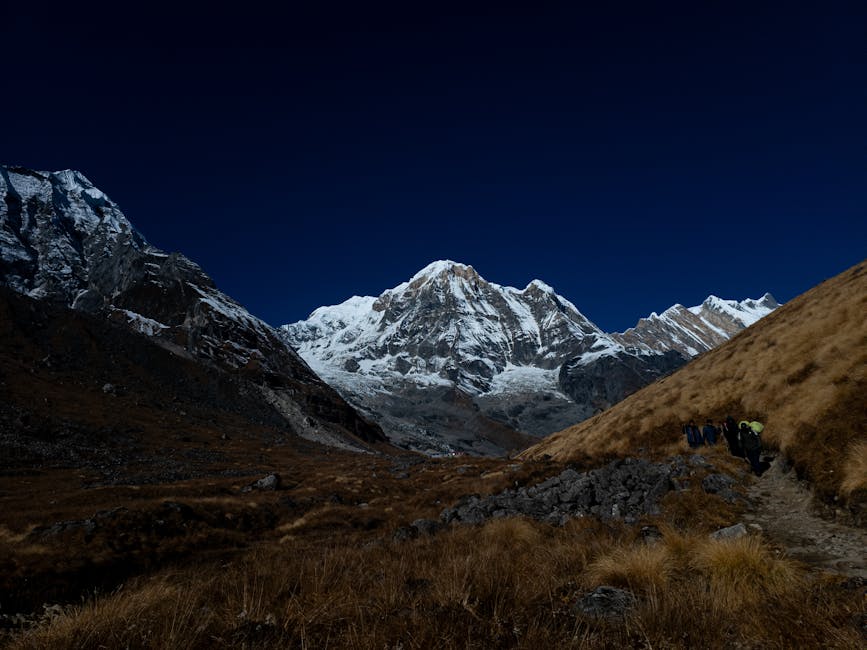
The Annapurna Circuit is a classic for good reason. This 128-mile loop in northern Nepal takes you from subtropical forests to high-altitude deserts, crossing the Thorong La Pass at 17,769 feet.
Trekkers pass through diverse villages, from Hindu lowlands to Tibetan-influenced highlands. The trail offers views of Annapurna I, Dhaulagiri, and Machapuchare, with teahouses providing basic comforts along the way.
Best time to trek: October to November and March to April. Avoid monsoon season (June–September) due to landslides and poor visibility. The full circuit typically takes 15–20 days, though shorter variations are possible.
Preparation tip: Acclimatize properly. Many hikers underestimate the altitude. Spend extra days in Manang or Pisang to reduce risk of altitude sickness.
2. Torres del Paine W Trek, Chile
Patagonia’s Torres del Paine National Park delivers raw, windswept beauty. The W Trek is a 50-mile route that connects the park’s most iconic viewpoints: the Base of the Towers, French Valley, and Grey Glacier.
Trekkers sleep in refugios (mountain huts) or camp under star-filled skies. The landscape shifts from turquoise lakes to granite spires and glacial ice. Wildlife includes guanacos, foxes, and the occasional puma—though sightings are rare.
Best time to go: December to February (Patagonian summer). Weather is unpredictable—prepare for wind, rain, and sudden temperature drops even in summer.
Logistics: Book refugios and campsites well in advance. The park limits daily entries to preserve the environment. A 5–7 day itinerary is standard.
3. Milford Track, New Zealand
Often called “the finest walk in the world,” the Milford Track runs 33 miles through Fiordland National Park. It begins at Te Anau and ends at Milford Sound, passing through rainforests, waterfalls, and alpine zones.
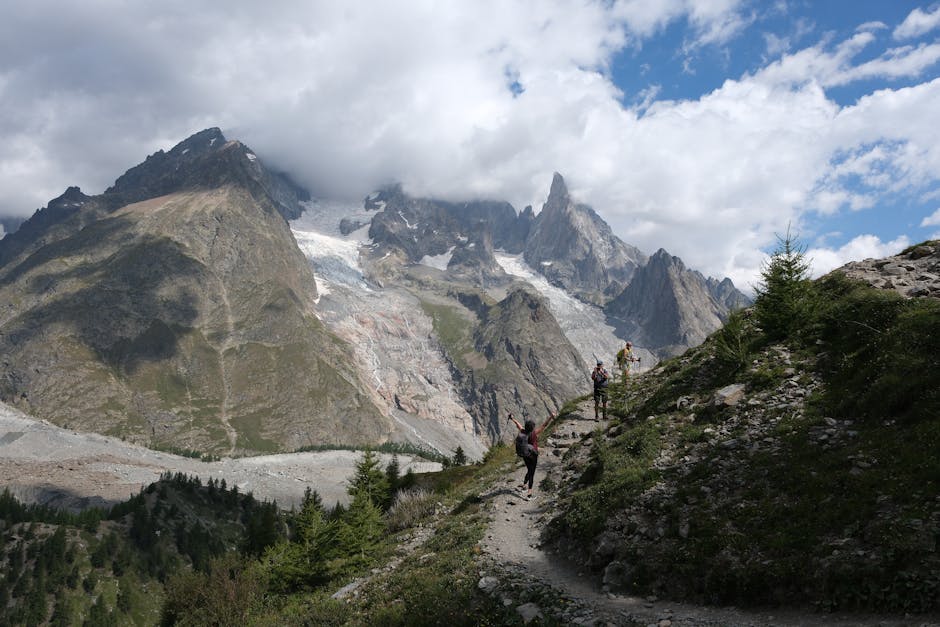
The track is well-maintained and fully guided during the peak season. Hikers stay in Department of Conservation huts with bunk beds and cooking facilities. The Sutherland Falls, one of the world’s tallest waterfalls, is a highlight.
Best time: November to April. The track is closed in winter due to snow and flooding. Bookings open 13 months in advance and fill quickly.
Note: Independent hiking is not allowed during the guided season. If you prefer solitude, consider the Routeburn or Kepler Tracks instead.
4. The Haute Route, France to Switzerland
The Alpine Haute Route connects Chamonix, France, with Zermatt, Switzerland, over 100 miles of high mountain terrain. This trek links two of Europe’s most famous mountaineering towns, offering views of the Matterhorn, Mont Blanc, and dozens of other peaks.
Trekkers cross cols above 8,000 feet, stay in mountain refuges, and enjoy hearty alpine cuisine. The route is typically completed in 10–14 days, with options for shorter segments.
Best time: Late June to September. Snow can linger at higher elevations into July. Trails are well-marked, but navigation skills are helpful in poor weather.
Tip: Train on similar terrain before attempting. The Haute Route involves steep ascents and descents, and weather can change rapidly.
5. Huayhuash Circuit, Peru
The Cordillera Huayhuash in central Peru is a lesser-known gem. This 75-mile circuit circles a range of 6,000-meter peaks, including Yerupajá, the second-highest mountain in Peru.
Trekkers pass glacial lakes, high-altitude meadows, and remote Andean communities. The trail is rugged and remote, with limited services. Most hikers use mules or hire local guides.
Best time: May to September. Winter brings heavy snow and road closures. The trek takes 10–14 days, with acclimatization essential.
Warning: This is a serious high-altitude trek. Many hikers experience symptoms above 14,000 feet. Consider spending time in Huaraz before starting.
6. The Great Himalaya Trail, Nepal
For those seeking the ultimate Himalayan challenge, the Great Himalaya Trail spans over 1,000 miles across Nepal. Most trekkers complete sections, such as the Eastern or Central routes, which offer some of the highest and most remote trails on Earth.
The Central section includes the Kanchenjunga and Makalu regions, with views of Everest and Lhotse. Trails pass through Sherpa villages, Buddhist monasteries, and high alpine plateaus.
Best time: October to November and March to May. Winter is too cold and snowy. Summer brings monsoon rains and leeches in lower elevations.
Logistics: Requires significant planning. Permits, guides, and porters are recommended. Most sections take 20+ days to complete.
7. The Laugavegur Trail, Iceland
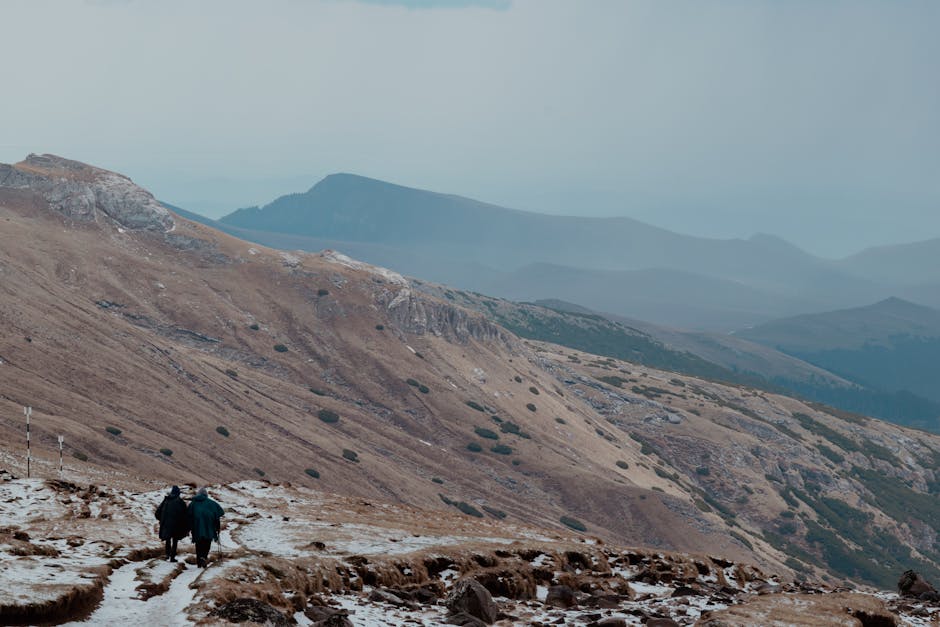
Iceland’s Laugavegur Trail is a 34-mile route from Landmannalaugar to Þórsmörk. It crosses volcanic landscapes, rhyolite mountains, hot springs, and glacial rivers.
The trail is famous for its otherworldly colors—ochre, green, and blue hues from volcanic minerals. Hikers stay in mountain huts with basic amenities. The terrain is rugged, with river crossings that can be dangerous after rain.
Best time: June to September. The trail is snow-covered the rest of the year. Weather can shift quickly—pack waterproof layers and warm clothing.
Tip: Rent a 4×4 to reach the trailheads. Public transport is limited. Book huts early, especially in July and August.
How to Choose the Right Trek for You
Not all scenic treks are created equal. Your ideal journey depends on fitness level, experience, time, and personal interests. Start by asking: How many days can I commit? Am I comfortable with altitude or river crossings? Do I prefer solitude or social trails?
Beginners should consider well-supported routes like the Milford Track or Torres del Paine W. These offer clear paths, huts, and rescue services. More experienced trekkers may prefer remote circuits like Huayhuash or the Great Himalaya Trail.
Research thoroughly. Read recent trip reports, check government travel advisories, and consult with local operators. A well-planned trek is safer and more enjoyable.
Also consider the season. A summer trek in the Alps is vastly different from one in the Himalayas. Timing affects trail conditions, weather, and crowd levels.
Essential Preparation Tips for Scenic Trekkers
Physical Training
Start training at least 8–12 weeks before your trek. Focus on cardio, strength, and endurance. Hiking with a loaded pack on varied terrain is the best preparation.
Include hill repeats, stair climbing, and long walks on weekends. Strengthen legs, core, and feet to prevent injury. Don’t forget flexibility—stretching helps recovery.
Gear and Packing
Invest in quality footwear. Break in boots before the trek to avoid blisters. Use moisture-wicking layers, a waterproof jacket, and a warm sleeping bag rated for the expected temperatures.
Pack light but smart. A 40–50 liter pack is sufficient for most multi-day treks. Include a first-aid kit, headlamp, water purification, and a map or GPS device.
Avoid overpacking. Every ounce counts on long hikes. Test your gear on shorter trips first.
Health and Safety
Get a medical check-up before high-altitude or remote treks. Carry any necessary medications and know how to use them.
Learn the signs of altitude sickness, hypothermia, and dehydration. Descend immediately if symptoms worsen. Travel with a partner when possible.
Purchase travel insurance that covers trekking and emergency evacuation. Many standard policies exclude high-risk activities.
Environmental Responsibility on the Trail
Scenic treks often pass through protected areas. Leave No Trace principles are essential. Pack out all trash, including food scraps and toilet paper.
Stay on marked trails to prevent erosion. Avoid disturbing wildlife or picking plants. Use biodegradable soap and wash at least 200 feet from water sources.
Support local communities by hiring local guides, buying local food, and respecting cultural norms. Many trekking regions rely on tourism for income.
Consider carbon offsetting for flights. Long-haul travel has a significant environmental impact. Choose operators committed to sustainability.
Final Thoughts: Making the Most of Your Adventure
The best adventure travel journeys for scenic trekkers aren’t just about reaching a summit or finishing a trail. They’re about the moments in between—the quiet sunrise, the shared meal with fellow hikers, the unexpected kindness of a local guide.
These experiences build resilience, deepen appreciation for nature, and often change how you see the world. With proper planning and respect for the environment, your trek can be both transformative and sustainable.
Start small if needed. Even a weekend hike in a nearby national park can spark a lifelong passion. The mountains will always be there—ready when you are.
FAQ
What is the best time of year to go on a scenic trek?
It depends on the region. In the Himalayas and Andes, spring (March–May) and fall (September–November) offer stable weather. In Patagonia and New Zealand, summer (December–February) is ideal. Always check local conditions and avoid monsoon or winter seasons unless experienced.
Do I need a guide for these treks?
Not always, but guides are recommended for remote or high-altitude routes like the Huayhuash Circuit or Great Himalaya Trail. They provide navigation, safety, and cultural insight. On popular trails like the Milford Track, guides are required during peak season.
How much does a scenic trek typically cost?
Costs vary widely. Budget treks in Nepal or Peru can cost $30–$50 per day with local teahouses. In Patagonia or New Zealand, expect $70–$150 per day due to higher lodging and transport costs. International flights and gear are additional.