
Useful Destination Guide to Valletta for Sunny Days
Valletta, Malta’s compact capital, shines brightest under clear blue skies. Understanding Valletta sunny day activities is essential for making informed decisions. Built by the Knights of St. John in the 16th century, this UNESCO-listed city blends Baroque grandeur with sun-drenched Mediterranean charm. Whether you’re strolling through historic piazzas, exploring cliffside fortifications, or sipping espresso at a waterfront café, Valletta is at its most inviting when the sun is out. This guide helps you make the most of sunny days in Malta’s capital—covering must-see sights, practical tips, hidden gems, and how to beat the heat without missing the magic.
Why Visit Valletta on Sunny Days
Sunny weather transforms Valletta from a historic city into a vibrant, walkable destination. This is also closely related to Activities day sunny valletta, which offers additional perspective. With over 300 days of sunshine annually, Malta offers ideal conditions for outdoor exploration. The golden limestone buildings glow under direct sunlight, creating picture-perfect backdrops. Coastal walks, open-air museums, and rooftop terraces come alive when the weather is clear.
Unlike larger capitals, Valletta is compact—just one square kilometer—making it easy to cover key attractions on foot. Those interested in Activities valletta sunny day will find this information particularly useful. Sunny days enhance visibility for sightseeing and improve photo opportunities. Early mornings and late afternoons offer the best light for photography, with fewer crowds than midday.
Best Times to Explore
Early mornings (8–10 a.m.) are ideal for visiting popular sites like St. The connection to Valletta sunny day activities options adds another layer of understanding to this topic. John’s Co-Cathedral and the Upper Barrakka Gardens. The light is soft, temperatures are mild, and tour groups haven’t arrived yet.
Afternoons (4–6 p.m.) offer warm but bearable heat, perfect for leisurely walks along the city walls or a drink at a shaded outdoor café. Avoid midday (11 a.m.–3 p.m.) in summer, when temperatures can exceed 30°C (86°F) and shade is limited.
Top Attractions to Enjoy in the Sun
Valletta’s layout rewards slow exploration. Many of its top attractions are outdoors or have outdoor components, making them ideal for sunny weather.
Upper Barrakka Gardens
This elevated public park offers panoramic views of the Grand Harbour and the Three Cities. It’s one of the best spots in Valletta to enjoy sunshine while taking in the scenery. The gardens feature marble statues, fountains, and shaded seating areas.
Visit during the noon cannon firing (daily at 12 p.m. and 4 p.m.), a tradition since the 19th century. Arrive 15 minutes early to secure a good viewing spot. The gardens are free to enter and open from 7:30 a.m. to sunset.
St. John’s Co-Cathedral
While the interior is dimly lit to preserve artworks, the exterior and courtyard are perfect for sunny-day visits. The cathedral’s ornate façade, made from local limestone, reflects sunlight beautifully.
Inside, Caravaggio’s The Beheading of Saint John the Baptist draws crowds, so arrive early. Tickets cost €15 (adults), with discounts for students and seniors. Photography is not allowed inside, but the courtyard is photogenic.
Fort St. Elmo and the National War Museum
Perched at the tip of the Valletta peninsula, this star-shaped fort offers sweeping sea views and open-air exhibits. The museum covers Malta’s military history, including the Great Siege of 1565 and World War II.
Much of the site is outdoors, so wear sunscreen and a hat. The fort’s ramparts are ideal for photos, especially during golden hour. Entry is €10, and the site is open daily from 9 a.m. to 5 p.m.
City Gate and the Parliament Building
The modern City Gate, designed by Renzo Piano, marks the main entrance to Valletta. The adjacent Parliament building features a unique stone façade that changes appearance with the light.
This area is great for a midday photo stop. The open plaza provides space to relax, and the nearby Triton Fountain is a popular meeting point. Free to access, with no entry restrictions.
Walking Routes for Sunny Days
Valletta is best explored on foot. These routes combine history, views, and shaded breaks.
Harbourfront Promenade Loop
Start at the Upper Barrakka Gardens, walk south along the city walls to the Siege Bell War Memorial, then continue to the Valletta Waterfront. This 1.5-kilometer route takes about 30 minutes at a leisurely pace.
Along the way, you’ll pass cannons, historic plaques, and cafés with outdoor seating. Stop at Caffe Cordina for a cold drink—it’s one of the oldest establishments in Malta.
Palace Square to Republic Street
Begin at Palace Square, home to the Grandmaster’s Palace and its famous balcony. Walk north along Republic Street, the main shopping and dining artery.
This route passes boutiques, gelaterias, and shaded arcades. Midway, detour to the Archbishop’s Palace and the nearby St. George’s Square for a quieter break.
Hidden Alleys and Courtyards
Venture off the main streets to discover tucked-away spots like Archbishop’s Street and Windmill Street. These narrow lanes offer shade, local charm, and fewer tourists.
Look for blue plaques marking historic buildings. Many courtyards are open to the public and feature potted plants, stone benches, and quiet corners perfect for a pause.
Dining and Refreshments in the Sun
Valletta’s café culture thrives in sunny weather. Outdoor seating is common, and many spots offer shade or umbrellas.
Best Cafés with Outdoor Seating
Caffe Cordina (244 Republic Street) has a shaded terrace overlooking a quiet square. Known for pastries and strong Maltese coffee, it’s a local institution.
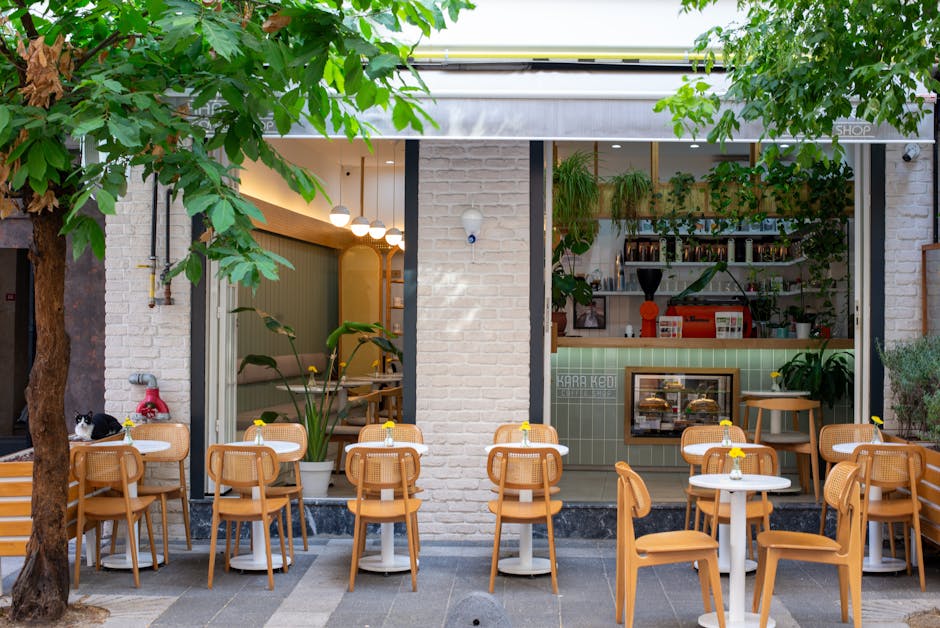
The Daily (127 St. Lucia Street) offers healthy options like smoothie bowls and cold brew. Its small outdoor area is ideal for a quick break.
Café Jubilee (174 Republic Street) features a rooftop terrace with city views. Open from 8 a.m., it’s popular for breakfast and light lunches.
Waterfront Dining
The Valletta Waterfront, a 10-minute walk from the city center, has several restaurants with sea views. Cargo serves Mediterranean dishes with outdoor seating facing the harbor.
Reservations are recommended, especially in summer. When it comes to Valletta sunny day activities, there are several key factors to consider. Arrive by 6:30 p.m. for sunset views. Prices are mid-range, with mains from €15–€25.
Gelato and Cold Treats
Beat the heat with gelato from Gelateria Frizz (129 Republic Street). Made with local ingredients, flavors include sea salt caramel and prickly pear.
For a quick refreshment, try a qagħaq tal-għasel (honey rings) from a street vendor—crispy, sweet, and perfect for walking.
Practical Tips for Sunny Days in Valletta
Sunshine enhances the experience, but preparation is key to staying comfortable.
Sun Protection
Wear a wide-brimmed hat, sunglasses, and SPF 30+ sunscreen. Reapply every two hours, especially after sweating. Many locals carry small umbrellas for shade—a common and practical sight.
Avoid prolonged exposure between 11 a.m. and 3 p.m. Seek shade under colonnades, in courtyards, or inside museums during peak heat.
Hydration and Breaks
Carry a refillable water bottle. Public fountains are available at Upper Barrakka Gardens and near City Gate. Many cafés offer free water upon request.
Take breaks every 45–60 minutes. Sit in a shaded square, enjoy a cold drink, or pop into an air-conditioned museum to cool down.
Footwear and Clothing
Wear comfortable, closed-toe shoes. Valletta’s streets are cobbled and uneven, and sandals may not provide enough support.
Choose light, breathable fabrics like cotton or linen. Avoid dark colors that absorb heat. A light scarf or shawl can double as sun protection.
Nearby Day Trips for Sunny Weather
Valletta is a gateway to other sunny destinations. These nearby spots are easily accessible by ferry or bus.
The Three Cities (Vittoriosa, Senglea, Cospicua)
Just across the harbor, these historic towns offer waterfront walks, quiet churches, and fewer crowds. Take the ferry from Valletta’s terminal (€2, 10-minute ride).
Explore Vittoriosa’s Inquisitor’s Palace and Senglea’s Gardjola Gardens for more sea views. Return to Valletta by 5 p.m. to catch the sunset from the Upper Barrakka.
Mdina and Rabat
Known as the “Silent City,” Mdina is a 45-minute bus ride from Valletta (bus 51 or 52). Its narrow streets and limestone buildings stay cool even in summer.
Combine with Rabat to visit St. Paul’s Catacombs and the Roman Villa. Both towns are pedestrian-only, so wear comfortable shoes.
Blue Grotto and Dingli Cliffs
For dramatic coastal scenery, take a bus to the Blue Grotto (bus 72) or Dingli Cliffs (bus 71). Boat tours to the grotto run in calm weather and last about 30 minutes.
The cliffs offer panoramic views and a peaceful walking path. Bring water and snacks—there are limited facilities on-site.
Photography Tips for Sunny Valletta
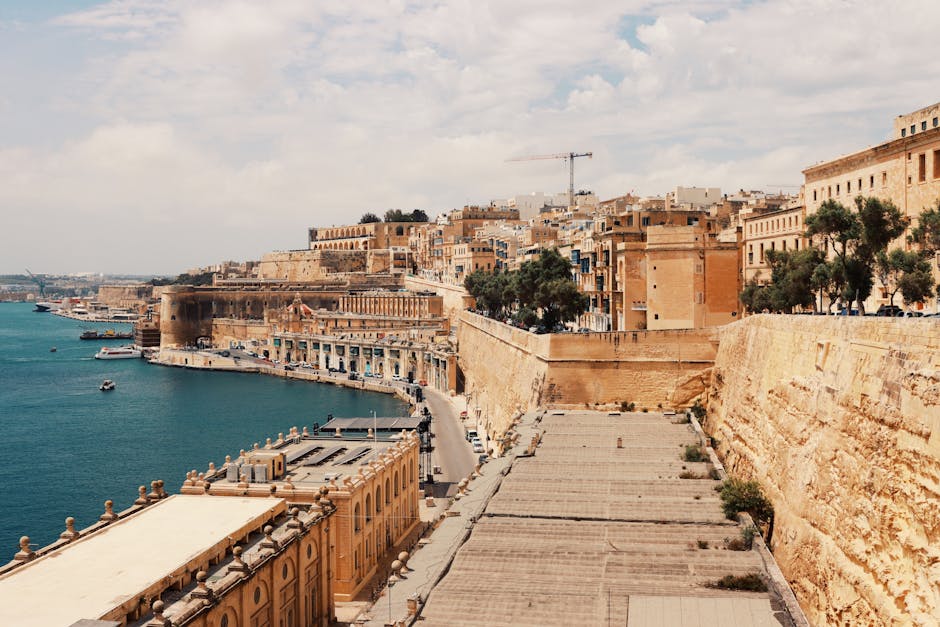
Golden hour (sunrise to 9 a.m. and 5–7 p.m.) provides the best lighting for photos. The warm glow enhances the city’s limestone architecture.
Best Photo Spots
Upper Barrakka Gardens: Capture the Grand Harbour with the Three Cities in the background. Use a wide-angle lens for full coverage.
Fort St. Elmo: Shoot from the ramparts toward Valletta’s skyline. Early morning light reduces harsh shadows.
Republic Street Arcades: The shaded colonnades create natural frames for street photography.
Camera and Gear Tips
Bring a polarizing filter to reduce glare on stone surfaces. A lightweight tripod helps with low-light shots in churches.
Avoid using flash indoors—many sites prohibit it. Respect signage and other visitors when photographing in sacred spaces.
Safety and Etiquette
Valletta is generally safe, but take standard precautions.
Sun and Heat Safety
Heat exhaustion is possible in summer. Valletta sunny day activities plays a significant role in achieving the best results. Symptoms include dizziness, nausea, and fatigue. Move to a cool place, drink water, and rest if you feel unwell.
Never leave children or pets in parked cars—temperatures can rise rapidly, even in shade.
Respect Local Customs
Dress modestly when visiting churches. Shoulders and knees should be covered. Remove hats before entering.
Keep voices low in residential areas, especially early morning and late evening. Many locals live in the city center.
Getting Around Valletta
Walking is the best way to explore. The city is compact, and most attractions are within a 15-minute walk of each other.
Public Transport
Buses connect Valletta to other parts of Malta. The main terminal is near City Gate. Use the Tallinja Card for discounted fares.
Taxis and ride-sharing apps are available but not needed within the city. Driving is discouraged—parking is limited and streets are narrow.
Ferry Services
The ferry to Sliema runs every 30 minutes from the Valletta terminal. It’s a scenic and affordable way to see the coastline (€2 one way).
Ferries to the Three Cities run less frequently—check the schedule in advance.
When to Avoid Sunny Days in Valletta
While sunshine is ideal, there are exceptions.
Peak Summer Crowds
July and August bring high temperatures and cruise ship crowds. Popular sites like St. John’s Co-Cathedral can have long lines.
Visit in late spring (May–June) or early autumn (September–October) for sunny weather with fewer tourists.
Strong Winds
The grigal wind can blow in from the northeast, making outdoor dining and photography difficult. Check the forecast before planning a full day outdoors.
Final Takeaways
Valletta shines in sunny weather, offering a mix of history, culture, and Mediterranean charm. Plan your day around the sun—early mornings and late afternoons are best for sightseeing. Wear sun protection, stay hydrated, and take breaks in shaded areas. Use the compact layout to your advantage, walking between key attractions with minimal effort. Combine indoor and outdoor activities to balance comfort and exploration. With a little planning, a sunny day in Valletta can be both enjoyable and memorable.
FAQ
What is the best time of day to visit Valletta in sunny weather?
Early morning (8–10 a.m.) and late afternoon (4–6 p.m.) are ideal. The light is better for photos, temperatures are cooler, and crowds are smaller.
Is Valletta walkable in the sun?
Yes, but wear sun protection and comfortable shoes. The city is compact, but cobbled streets and limited shade can make midday walks challenging. Take breaks and stay hydrated.
Are there shaded areas in Valletta for hot days?
Yes. Many people searching for Valletta sunny day activities want practical, actionable information. Look for colonnades along Republic Street, courtyards in side alleys, and the shaded terraces at Upper Barrakka Gardens. Many cafés also offer outdoor seating with umbrellas.