
Top Travel Tips for Avoiding Flight Booking Mistakes
Booking a flight seems simple, but small oversights can lead to big headaches—missed connections, extra fees, or even denied boarding. Understanding avoid flight booking mistakes is essential for making informed decisions. Many travelers fall into common traps like booking the wrong date, forgetting passport requirements, or overlooking airline baggage policies. By following a few proven strategies, you can avoid costly errors and ensure a smoother journey from checkout to takeoff. This guide covers the most frequent flight booking mistakes and how to prevent them, so you can travel with confidence.
Double-Check Dates and Times Before You Book
One of the most common—and avoidable—mistakes is booking a flight for the wrong date or time zone. This is also closely related to Mistakes booking flight avoid, which offers additional perspective. It’s easy to misread a calendar or forget that departure times are listed in local time, not your home time zone.
For example, a flight departing Tokyo at 9:00 AM on Monday arrives in Los Angeles at 3:00 AM the same day due to the time difference. Those interested in Mistakes avoid flight booking will find this information particularly useful. If you’re not careful, you might show up 24 hours late.
Use a Travel Planner or Calendar Sync
Before finalizing your booking, add your flight details to a digital calendar with time zone support. The connection to Avoid flight booking mistakes choice adds another layer of understanding to this topic. Tools like Google Calendar automatically adjust for time zones and can send you reminders.
Set alerts 24 hours and 2 hours before departure. This gives you time to confirm gate changes or delays and ensures you don’t miss your flight due to a scheduling mix-up.
Verify Layover Durations
Short layovers may seem efficient, but they increase the risk of missing your connecting flight—especially in large airports or during peak travel seasons.
Aim for at least 60 minutes for domestic connections and 90 minutes for international ones. If your first flight is delayed, even by 20 minutes, a tight connection could mean spending the night in the airport.
Confirm Passenger Names Match Official ID Exactly
Airline systems are strict about name matching. Even a small typo—like “Jon” instead of “John” or a missing middle initial—can prevent you from checking in or boarding.
Always enter names exactly as they appear on your government-issued ID or passport. This includes hyphens, apostrophes, and suffixes like “Jr.” or “III.”
Double-Check During Checkout
Most booking platforms allow you to review passenger details before payment. Use this step to verify spelling, order, and formatting.
If you spot an error after booking, contact the airline or travel agency immediately. Some carriers charge name change fees, while others may require a new ticket.
Avoid Nicknames and Abbreviations
Never use nicknames like “Mike” for “Michael” or “Liz” for “Elizabeth.” Airlines cross-reference names with TSA and immigration databases, and mismatches can trigger security delays.
If your legal name is long, use the full version allowed by the airline. Most permit up to 20–25 characters, which is sufficient for most names.
Understand Baggage Policies Before You Fly
Baggage fees can turn an affordable ticket into a costly trip. Many travelers assume all airlines include a free checked bag, but policies vary widely.
Budget carriers like Spirit and Frontier charge for both carry-on and checked bags, while major airlines like Delta and United often include one free checked bag for domestic flights.
Check Weight and Size Limits
Standard checked bags are usually limited to 50 pounds and 62 linear inches (length + width + height). Exceeding these limits results in overweight or oversized fees, often $100 or more.
Use a luggage scale at home before heading to the airport. A simple $15 scale can save you hundreds in unexpected charges.
Know Carry-On Restrictions
Carry-on size limits also vary. For example, Ryanair allows smaller bags than American Airlines. Measure your bag before packing.
Liquid restrictions still apply: containers must be 3.4 ounces (100ml) or less and fit in a single quart-sized bag. TSA enforces this strictly at security checkpoints.
Book Directly with Airlines When Possible
Third-party booking sites can be convenient, but they often lack flexibility when changes are needed. If your flight is canceled or you need to modify your itinerary, resolving issues through a third party can take days.
Airlines prioritize direct customers. If you book through Expedia or Kayak and your flight is delayed, the airline may redirect you back to the third party for assistance.

Compare Prices, Then Book Direct
Use comparison sites to find the best fare, but complete the purchase on the airline’s official website. This ensures you have direct access to customer service and change policies.
Many airlines also offer price matching. If you find a lower fare elsewhere, they may honor it—especially if you booked directly within the last 24 hours.
Watch for Hidden Fees on Third-Party Sites
Some third-party platforms add service fees, insurance upsells, or seat selection charges that aren’t clearly disclosed upfront.
Always review the final price breakdown before clicking “purchase.” If the total seems inflated, check the airline’s site for the same flight. When it comes to avoid flight booking mistakes, there are several key factors to consider.
Set Price Alerts and Monitor Fare Changes
Flight prices fluctuate daily based on demand, seasonality, and airline algorithms. Booking too early or too late can mean paying more than necessary.
Studies show that the best time to book domestic flights is typically 1–3 months in advance, while international flights may be cheaper 2–8 months out.
Use Fare Tracking Tools
Tools like Google Flights, Hopper, or Skyscanner allow you to set price alerts for your route. You’ll receive email notifications when fares drop.
Google Flights also shows price trends, indicating whether fares are likely to rise or fall. Look for the green “Price is typical” or “Price may drop” labels.
Avoid Booking on Weekends
While there’s no definitive “best day” to book, data suggests that flights are often slightly cheaper when booked on a Tuesday or Wednesday.
Weekend searches tend to be more competitive, which can drive up prices. Book during weekday mornings for the best chance at lower fares.
Review Cancellation and Change Policies Carefully
Life happens. Flights get delayed, meetings get rescheduled, or emergencies arise. Understanding your ticket’s flexibility can save you money and stress.
Non-refundable tickets are cheaper but offer little to no refund if you cancel. Refundable tickets cost more but allow changes without penalties.
Look for 24-Hour Risk-Free Cancellation
U.S. airlines are required to offer a 24-hour cancellation window for tickets booked at least 7 days before departure. Use this time to double-check your plans.
If your schedule changes within 24 hours of booking, you can cancel for a full refund—no questions asked.
Consider Travel Insurance for High-Stakes Trips
For expensive or non-refundable trips, travel insurance can cover cancellations due to illness, weather, or other unforeseen events.
Read the policy details carefully. Many plans exclude pre-existing conditions or require a “cancel for any reason” upgrade for maximum flexibility.
Verify Visa and Entry Requirements Early
A valid ticket doesn’t guarantee entry. Many countries require visas, proof of onward travel, or specific vaccinations.
For example, travelers to Thailand need a passport valid for at least 6 months and may be asked for proof of return or onward travel.
Check Government Travel Advisories
Visit your country’s official travel website—such as travel.state.gov for U.S. citizens—for up-to-date entry requirements.
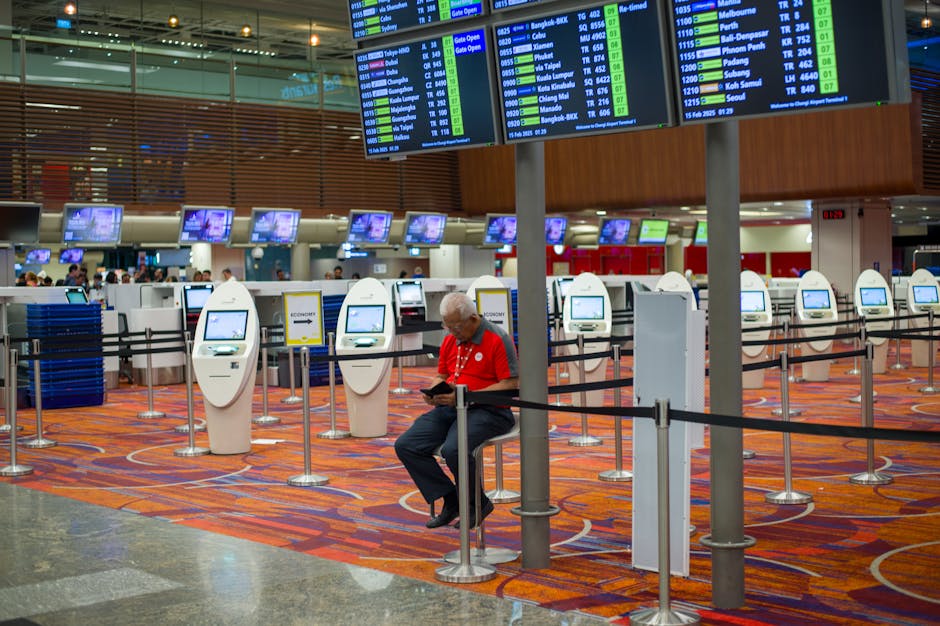
These sites list visa rules, health advisories, and safety warnings. Requirements can change with little notice, especially during global events.
Print Required Documents
Even in the digital age, some countries require printed copies of visas, hotel reservations, or return tickets. Keep a folder with all essential documents in your carry-on.
Digital copies on your phone are helpful backups, but immigration officers may not accept them as primary proof.
Avoid Overbooking by Checking In Early
Airports are busy, and flights often fill up. Checking in online 24 hours before departure secures your seat and may give you access to better boarding groups.
Most airlines allow mobile check-in via their app. You’ll receive a digital boarding pass and can often select your seat for free during this window.
Arrive Early for International Flights
International departures typically require arriving 3 hours before takeoff. avoid flight booking mistakes plays a significant role in achieving the best results. This allows time for check-in, security, passport control, and potential delays.
Domestic flights usually need 2 hours, but during holidays or at busy hubs like JFK or LAX, allow extra time.
Use TSA PreCheck or Global Entry if Available
These programs speed up security and customs. TSA PreCheck costs $78 for 5 years and lets you keep shoes and belts on during screening.
Global Entry ($100 for 5 years) includes TSA PreCheck and expedites re-entry to the U.S. Apply early—processing can take several months.
Keep Your Booking Reference Handy
Your confirmation number (also called a PNR or record locator) is essential for managing your booking. It’s a 6-character code found in your confirmation email.
Use it to check flight status, change seats, add baggage, or contact customer service. Store it in your phone and email it to a trusted contact.
Download the Airline App
Most airline apps let you store your boarding pass, receive real-time updates, and rebook if your flight is disrupted.
Enable push notifications so you’re alerted to gate changes, delays, or cancellations as soon as they happen.
Be Wary of “Too Good to Be True” Deals
Scammers sometimes post fake flight deals on social media or unofficial websites. These may lead to phishing sites or charge your card without issuing a real ticket.
Only book through reputable sources: airline websites, well-known travel agencies, or trusted meta-search engines.
Verify Website Security
Look for “https://” and a padlock icon in the browser bar. Avoid sites that ask for payment via wire transfer or gift cards.
If a deal seems unusually cheap, compare it with the airline’s official site. If it’s not listed there, it’s likely a scam.
FAQ
Q: Can I change my flight after booking?
A: It depends on your ticket type and airline policy. Refundable tickets allow changes with no fee, while non-refundable ones may charge a change fee plus any fare difference. Always check the terms before booking.
Q: What happens if I miss my flight?
A: If you miss a domestic flight, the airline may rebook you on the next available flight, often for a fee. For international flights, you may need to purchase a new ticket. Arriving early and setting reminders can help prevent this.
Q: Do I need travel insurance?
A: It’s recommended for expensive, non-refundable trips or destinations with health or weather risks. Many people searching for avoid flight booking mistakes want practical, actionable information. Review the coverage details to ensure it fits your needs, such as trip cancellation, medical emergencies, or lost luggage.